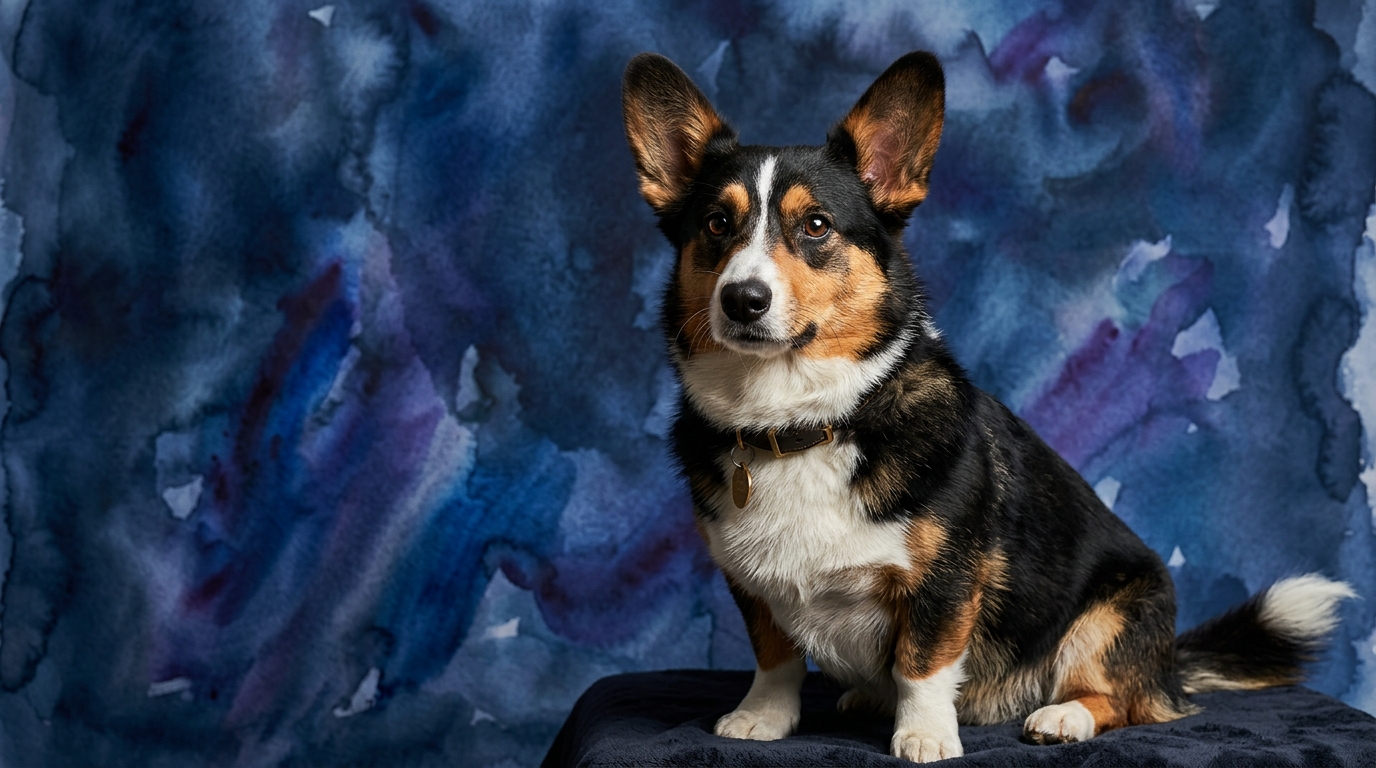
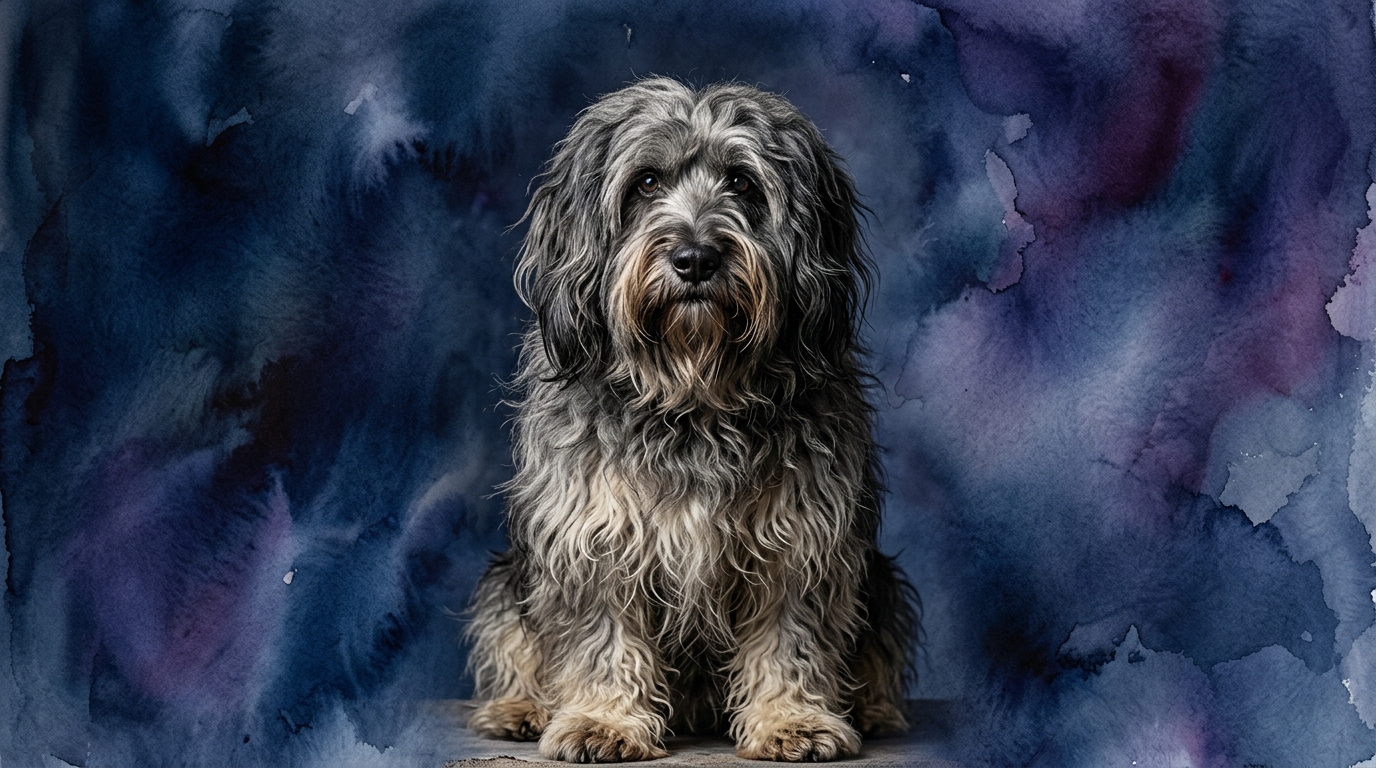
Side-by-Side IQ Profile: Cardigan Welsh Corgi vs. Polish Lowland Sheepdog
The Cosmic Pet Pet IQ Lab assesses canine intelligence across five key dimensions, providing a nuanced understanding of each breed's cognitive strengths. For the Cardigan Welsh Corgi, a breed ranked #26 by Coren for working intelligence, its profile is compelling. They score 4/5 in Problem Solving, indicating a notable capacity for independent thought and clever solutions when faced with novel situations, often devising effective strategies to navigate obstacles. Their Training Speed is also rated 4/5, a hallmark of their cognitive profile; they typically require fewer repetitions to solidify a behavior, demonstrating an eagerness and mental agility that makes training productive. Social Intelligence is assessed at 3/5, meaning while not always overtly effusive, Cardigans possess a solid understanding of human cues and social hierarchies, interpreting moods and intentions appropriately, though their independence can sometimes guide their actions. Their Instinctive Drive, rated 3/5, is true to their herding lineage, manifesting in moderate but discernible behaviors like gently nudging family members or attempting to 'herd' children and other pets. Finally, their Memory scores 4/5, reflecting a robust recall for learned behaviors, specific locations, and past events, demonstrating an impressive ability to remember commands even after long periods.
The Polish Lowland Sheepdog (PON), while not Coren-ranked, presents a distinct cognitive blueprint. Their Problem Solving is rated 3/5; PONs display a practical, resilient approach to challenges, often relying on persistence and methodical trial-and-error rather than immediate flashes of insight. They are adept at navigating complex environments and finding solutions within established routines or familiar contexts. Their Training Speed also stands at 3/5; these sheepdogs learn at a steady pace, requiring consistent and clear instruction. While not as rapid as some breeds, they are certainly capable of mastering a wide range of commands, provided training is engaging and patient. Social Intelligence is 3/5, with PONs exhibiting well-developed social awareness, particularly within their immediate family, understanding subtle cues and responding with calm attentiveness. Their loyalty is profound, demonstrating deep bonding capabilities. Instinctive Drive is 3/5, reflecting their history as flock guardians and drovers; this drive is often expressed through watchful vigilance, territorial awareness, and a tendency to keep their 'flock' together. Lastly, their Memory is 3/5, indicating a reliable recall for learned commands and established routines, though perhaps requiring occasional refreshers for less frequently used commands.
Where the Cardigan Welsh Corgi Wins Cognitively
The Cardigan Welsh Corgi demonstrably edges out the Polish Lowland Sheepdog in several cognitive domains, primarily in areas relating to rapid acquisition of new information and flexible application of knowledge. Their Problem Solving score of 4/5 indicates a more agile and inventive mind, capable of quickly assessing new situations and formulating novel solutions rather than relying solely on ingrained patterns. This means a Cardigan is more likely to figure out how to open a child-proof cabinet or manipulate a complex puzzle toy with less prior instruction. This mental dexterity is complemented by their superior Training Speed (4/5), where they absorb new commands and behaviors with remarkable efficiency, often requiring fewer repetitions to achieve mastery. Owners will notice a Corgi picking up tricks or advanced obedience cues more swiftly, making for more dynamic and varied training sessions. Furthermore, the Cardigan's Memory score of 4/5 suggests a stronger capacity for retaining learned information over extended periods and recalling specific past events or associations with greater detail. These combined strengths make the Cardigan particularly adept at activities requiring quick thinking, rapid learning, and sustained recall, such as advanced obedience, agility, or competitive trick training.
Where the Polish Lowland Sheepdog Wins Cognitively
While the Polish Lowland Sheepdog's raw scores might appear slightly lower in some cognitive areas, their unique blend of intellect shines in contexts demanding resilience, independent judgment, and a steady, watchful presence, qualities crucial for their historical role. Their Problem Solving score of 3/5, while not as high as the Corgi's, reflects a practical and persistent approach to challenges. A PON might take longer to devise a solution, but once committed, they are tenacious, often working through obstacles with a calm determination that can be highly effective in real-world scenarios, particularly those involving livestock management where quick, impulsive decisions can be detrimental. This breed's Social Intelligence (3/5) is characterized by a deep, discerning loyalty rather than overt gregariousness; they excel at reading the subtle cues of their inner circle and acting as watchful, intuitive companions. Their Instinctive Drive (3/5) is focused on protection and flock management, translating into a cognitive strength for vigilance and territorial awareness, skills that require consistent, underlying mental processing. A PON's memory, rated at 3/5, is reliable for the routines and relationships that matter most to them, allowing them to maintain consistent boundaries and recall important learned behaviors over time, reinforcing their dependable nature. Their cognitive strengths lie in their self-reliance and the ability to make sound, independent judgments in situations requiring patience and steadfastness, rather than relying on constant human direction, making them excellent at tasks requiring a thoughtful, enduring presence.
Which is Easier to Train and Why
The Cardigan Welsh Corgi is generally easier to train compared to the Polish Lowland Sheepdog, primarily due to its higher Training Speed score of 4/5. Cardigans exhibit a keen eagerness to learn and a quicker grasp of new concepts, often requiring fewer repetitions to master a command. This is partly due to their historical role as agile herders, needing to respond rapidly to shepherd commands. They tend to be more food or toy motivated, which facilitates positive reinforcement training. Their higher Problem Solving and Memory scores also contribute, allowing them to understand the 'why' behind commands more readily and retain that understanding over time. In contrast, the Polish Lowland Sheepdog, with a Training Speed of 3/5, learns at a more deliberate pace. While certainly capable of learning, PONs require more patience, consistency, and a training approach that respects their independent and sometimes stubborn nature. They thrive on clear, repetitive instruction and can become bored or resistant if training isn't engaging or if they perceive it as arbitrary. Their history as independent livestock guardians means they were bred to make their own decisions, not always to immediately follow every human directive, which can manifest as a more thoughtful, rather than instantaneous, response during training.
Which Suits Active Owners vs. Relaxed Owners
For active owners seeking a canine partner for various endeavors, the Cardigan Welsh Corgi is often a more fitting choice. Their combined scores in Problem Solving (4/5) and Training Speed (4/5) mean they thrive on mental challenges, enjoying activities like agility, obedience trials, or complex puzzle toys that engage their quick wit. While not needing marathon runs, they do require consistent daily exercise and mental stimulation to prevent boredom and channel their herding instincts constructively. Their adaptable nature also makes them good companions for owners who enjoy varied activities. In contrast, the Polish Lowland Sheepdog, while possessing a herding background, often suits owners who appreciate a more measured pace but can still provide significant engagement. Their Instinctive Drive and Social Intelligence (both 3/5) suggest a need for purposeful activity and a strong bond with their family, but their energy levels might be more evenly distributed throughout the day rather than manifesting in bursts of intense activity. They appreciate structured walks, opportunities for watchful 'guarding' (even if just of the backyard), and consistent interaction, but might not be the ideal partner for high-octane sports every single day. Their independent nature also means they can be content with periods of quiet observation, making them suitable for owners who value a calm presence after their daily exercise needs are met.
The Verdict
Choose the Cardigan Welsh Corgi if you seek a highly trainable, quick-witted companion eager for diverse mental challenges and rapid learning, thriving on interactive activities and advanced obedience.
Opt for the Polish Lowland Sheepdog if you value a steadfast, independent companion with a practical problem-solving approach and a watchful, loyal disposition, appreciating consistent routines and purposeful engagement over constant high-octane activity.
🧠 Find Your Pet's IQ Score
Our Pet IQ Lab assessment covers 25+ tests across 5 cognitive dimensions — personalized to your breed.
Take the Full IQ Test →Frequently Asked Questions
Are Cardigan Welsh Corgis good for first-time dog owners?
Yes, Cardigan Welsh Corgis can be good for first-time owners due to their high trainability and eagerness to please. However, their strong herding instincts and need for mental stimulation mean owners must be prepared for consistent training and engagement.
Do Polish Lowland Sheepdogs shed a lot?
Yes, Polish Lowland Sheepdogs have a thick, shaggy double coat that sheds moderately year-round, with heavier seasonal shedding. Regular grooming, including brushing several times a week, is essential to manage their coat and prevent matting.
How much exercise does a Cardigan Welsh Corgi need daily?
A Cardigan Welsh Corgi typically requires 30-60 minutes of moderate daily exercise, including walks and playtime. Mental stimulation through training and puzzle toys is equally important to satisfy their active minds.