Side-by-Side Cognitive Profiles
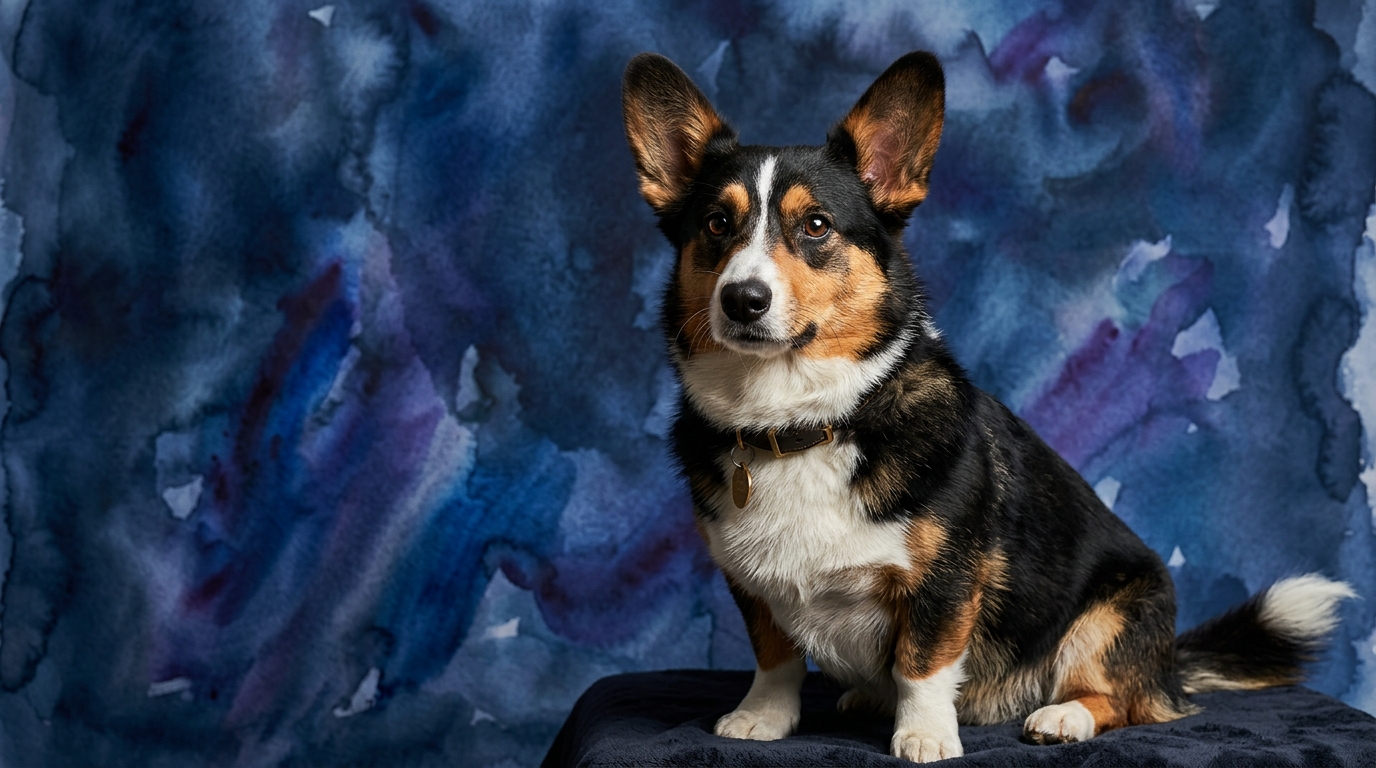
The Cardigan Welsh Corgi, with its impressive Coren rank of #26, showcases a cognitive profile finely tuned for its herding responsibilities. Their Problem Solving is rated at 4/5, reflecting a keen ability to quickly assess situations and devise effective strategies, whether it’s outmaneuvering livestock or navigating complex household challenges. This resourcefulness is complemented by a Training Speed of 4/5, indicating a rapid grasp of new commands and an eagerness to engage in learning, making them highly receptive students.
Furthermore, the Cardigan's Memory stands strong at 4/5, allowing them to retain intricate sequences, routes, and learned behaviors with remarkable consistency. Their Social Intelligence, rated 3/5, means they form deep, understanding bonds with their family, though they can be discerning with strangers. An Instinctive Drive of 3/5 fuels their watchful nature and desire to 'gather,' providing a robust foundation for task orientation.
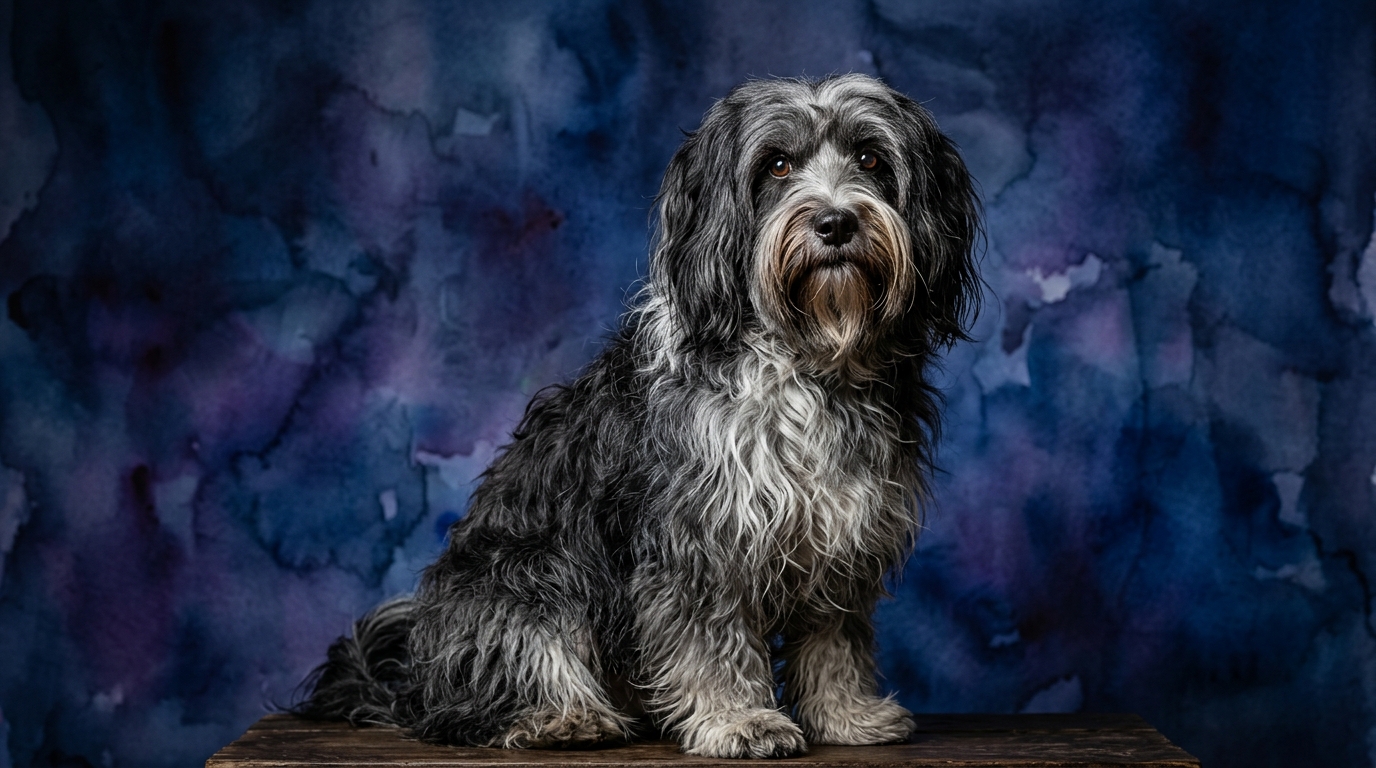
The Tibetan Terrier, holding a Coren rank of #63, presents a distinct cognitive makeup shaped by its role as a revered companion and watchdog. Their Problem Solving is a solid 3/5, demonstrating a thoughtful, independent approach to challenges; they can figure things out, but often on their own terms rather than through intense task-driven focus. A Training Speed of 3/5 suggests they learn at a moderate pace, capable of mastering commands, though their independent streak may require more consistent and engaging methods.
Their Social Intelligence also scores 3/5, indicating a profound attunement to their immediate family's emotions and needs, forging strong, affectionate connections. However, they typically maintain a reserved demeanor towards outsiders, valuing their personal space. An Instinctive Drive of 3/5 primarily centers on companionship and alert guardianship, making them excellent, albeit sometimes vocal, sentinels. Finally, their Memory at 3/5 ensures they retain routines and familiar information reliably, though perhaps not with the same precision for complex sequences as a working breed.
Where the Cardigan Welsh Corgi Wins Cognitively
The Cardigan Welsh Corgi undeniably shines in areas demanding quick, applied thinking, a direct testament to its heritage. Their 4/5 rating in Problem Solving means they are adept at strategizing, whether it's figuring out how to retrieve a hidden toy or subtly guiding family members into a desired location. This isn't just about raw mental capacity, but a practical, goal-oriented cognitive approach that makes them excellent at navigating complex tasks and adapting to new challenges with resourceful solutions.
Furthermore, the Corgi's superior Training Speed (4/5) and Memory (4/5) create a powerful synergy. They not only grasp new commands rapidly but also retain that knowledge consistently over time, often requiring fewer repetitions to solidify a behavior. This cognitive advantage means they excel in structured learning environments, quickly connecting actions with desired outcomes and remembering intricate sequences, making them highly receptive to advanced obedience or even agility training.
Where the Tibetan Terrier Wins Cognitively
While the Cardigan Corgi excels in task-oriented cognition, the Tibetan Terrier demonstrates a different kind of cognitive strength, particularly in its independent thought and nuanced social understanding. Their 3/5 in Social Intelligence, while equal to the Corgi's, manifests as a profound attunement to their immediate family, often reading subtle cues and emotional shifts with an almost intuitive grasp. This isn't about broad social gregariousness, but a deep, focused relational intelligence within their chosen circle.
Moreover, the Tibetan Terrier’s moderate Problem Solving (3/5) and Training Speed (3/5) scores, when viewed through the lens of their historical role, highlight an adaptive intelligence. They are not bred to be subservient workers but thinking companions. Their independence means they can assess situations and make decisions, even if those decisions aren't always what their human handler intended. This self-reliant cognitive style means they often bring a unique perspective to interactions, requiring owners to engage with them as partners rather than simply directors.
Which is Easier to Train and Why
When it comes to ease of training, the Cardigan Welsh Corgi generally holds an advantage, largely due to its superior Training Speed (4/5) and inherent eagerness to engage. Their herding background instilled a strong desire to work cooperatively with humans, making them highly responsive to commands and often requiring fewer repetitions to master new skills. A Corgi's natural inclination to 'learn and earn' makes them a joy for owners who appreciate rapid progress in obedience.
The Tibetan Terrier, with a 3/5 in Training Speed, presents a different training experience. Their historical role didn't demand the same level of immediate compliance as a herding dog, fostering a more independent and sometimes stubborn streak. While capable of learning anything, they often require more patience, consistency, and positive reinforcement to overcome their 'what's in it for me?' attitude. Their self-sufficient cognitive style means training sessions need to be engaging and rewarding to maintain their focus and prevent them from deciding they have better things to do.
Which Suits Active Owners vs. Relaxed Owners
For active owners seeking a canine partner with a zest for mental and physical engagement, the Cardigan Welsh Corgi is often an ideal match. Their higher Problem Solving (4/5) and robust Instinctive Drive (3/5) mean they thrive on activities that challenge their intellect and provide an outlet for their herding instincts, such as agility, obedience trials, or even complex puzzle toys. They require consistent stimulation to prevent boredom, making them perfect for owners who enjoy structured activities and problem-solving alongside their pet.
Conversely, the Tibetan Terrier, while still needing daily exercise and mental stimulation, tends to suit owners who prefer a more relaxed, companion-oriented lifestyle. Their 3/5 in Instinctive Drive leans more towards watchful companionship than intense task performance. They enjoy being part of family activities and walks but are generally content with a moderate pace and less demanding structured work. Their independent spirit means they appreciate downtime and are less prone to becoming destructive if not constantly 'working,' making them a good fit for those who value a thoughtful, adaptable presence without the intense demands of a high-drive working breed.
The Verdict
Choose the Cardigan Welsh Corgi if you're an owner who thrives on active engagement, enjoys structured training, and appreciates a dog with a strong drive for problem-solving and a quick grasp of new concepts, ready to participate in various canine sports or roles.
Choose the Tibetan Terrier if you value an independent, thoughtful companion who forms deep bonds within their family, is adaptable to a moderate lifestyle, and appreciates a nuanced social dynamic without the constant need for directed tasks.
🧠 Find Your Pet's IQ Score
Our Pet IQ Lab assessment covers 25+ tests across 5 cognitive dimensions — personalized to your breed.
Take the Full IQ Test →Frequently Asked Questions
Are Cardigan Welsh Corgis prone to herding behaviors in a home setting?
Yes, their instinctive drive (3/5) can lead them to 'herd' family members or even other pets by nipping at heels. This behavior is a natural expression of their heritage and can be managed with consistent training and redirection to appropriate outlets.
Do Tibetan Terriers require a lot of grooming given their coat?
Yes, Tibetan Terriers possess a double coat that requires regular grooming to prevent matting and maintain skin health. Weekly brushing, sometimes more frequently, is typically necessary to keep their distinctive coat in good condition.
How do their energy levels compare for apartment living?
Both breeds can adapt to apartment living with sufficient daily exercise, but the Cardigan Corgi generally requires more structured activity due to its higher problem-solving drive. The Tibetan Terrier's moderate instinctive drive means it can be content with regular walks and indoor play, often appreciating a calmer home environment after its exercise.