Side-by-Side Cognitive Profile
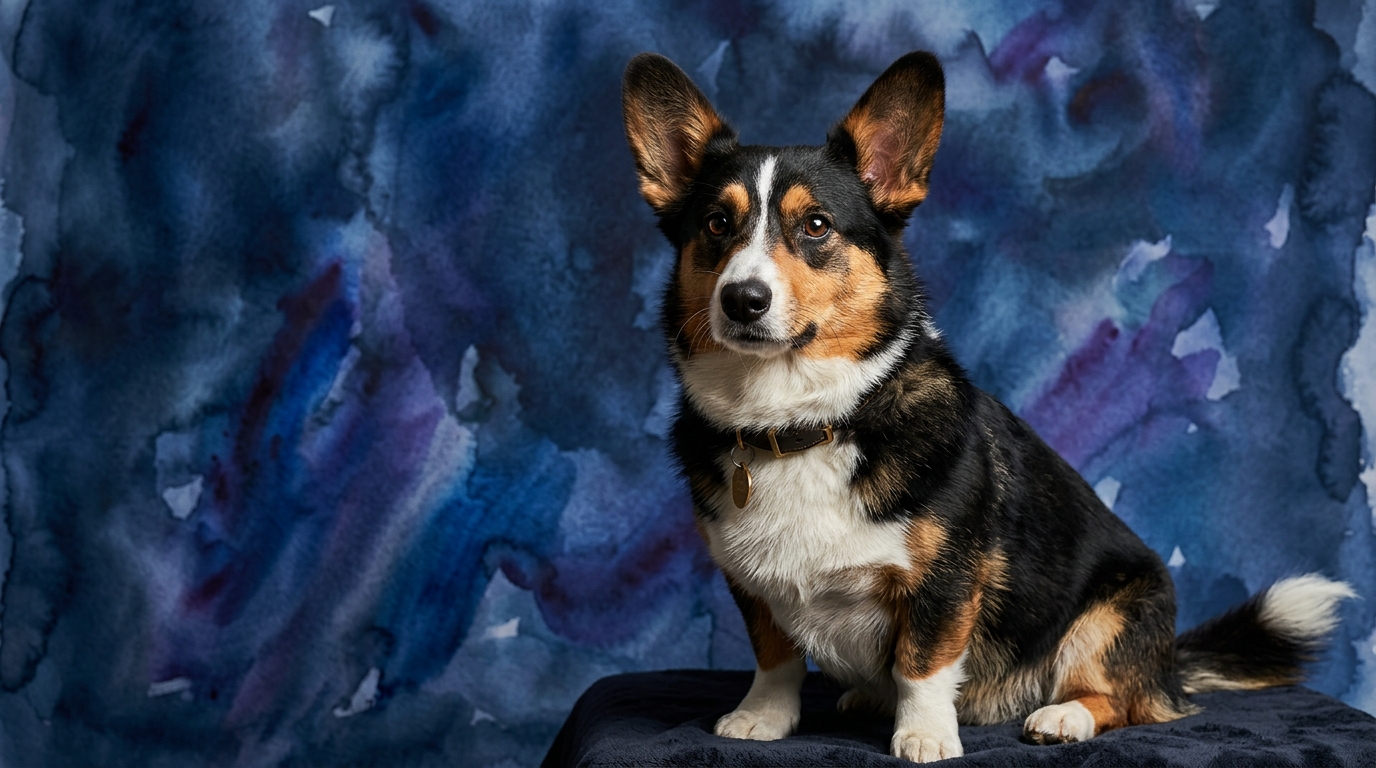
The Cosmic Pet Pet IQ Lab provides a nuanced look at canine intelligence across five key dimensions, helping us understand the unique cognitive architecture of each breed. For the Cardigan Welsh Corgi, a Herding breed ranked #26 by Coren, its profile highlights a keen mental engagement. Its Problem Solving is rated 4/5, indicating a strong capacity for independent thought and creative solutions, reflecting its history of managing livestock. Training Speed also scores 4/5, showcasing a quick grasp of new commands and a responsiveness to structured learning. Social Intelligence sits at 3/5, suggesting moderate awareness of human cues but also a degree of self-directedness. Its Instinctive Drive is 3/5, manifesting as a manageable desire to gather or control. Finally, Memory is a robust 4/5, demonstrating strong long-term retention of lessons and routines.
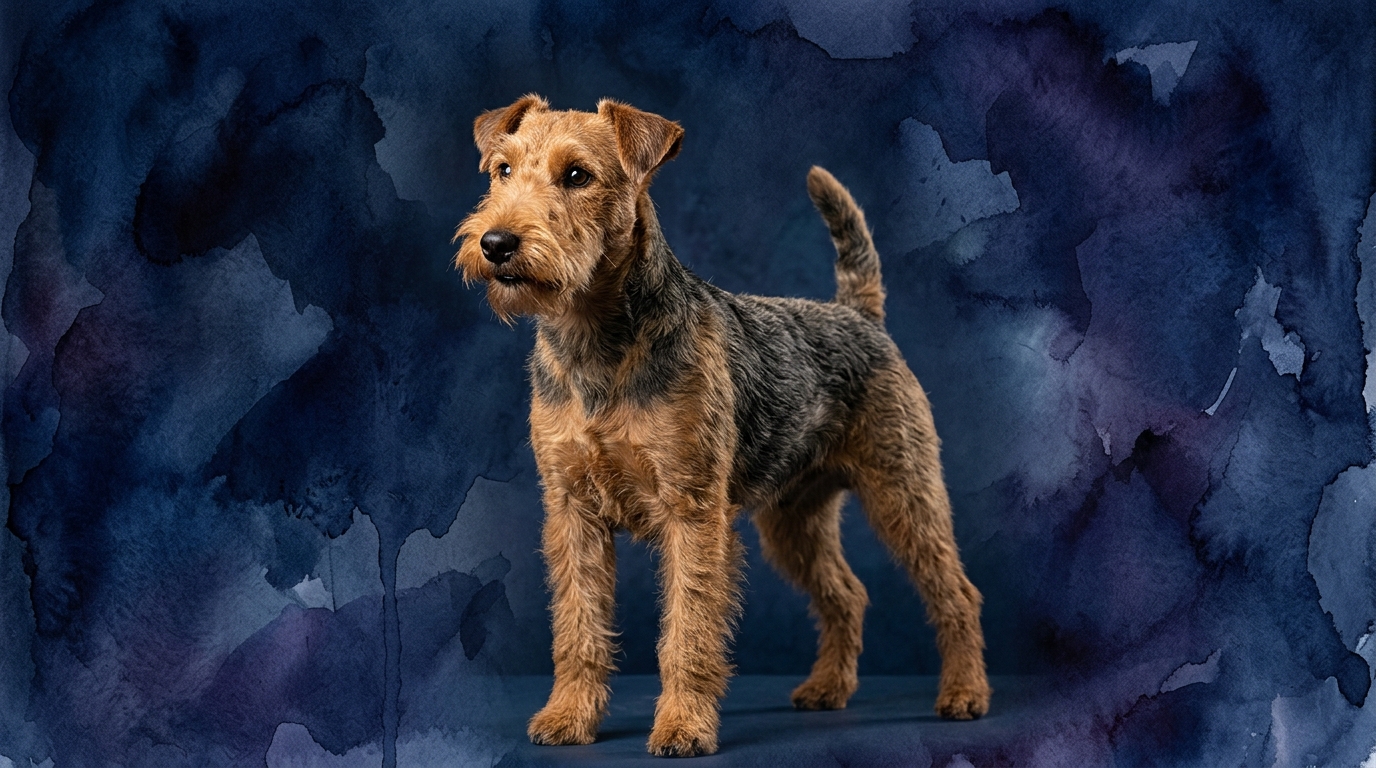
In contrast, the Welsh Terrier, a spirited Terrier breed not specifically Coren-ranked, presents a different cognitive landscape. Its Problem Solving is 3/5, indicating a persistent, independent approach to challenges, often relying on determination rather than intricate planning, typical of a tenacious terrier. Training Speed also scores 3/5, meaning they learn at a moderate pace, requiring consistency and patience due to their independent nature. Social Intelligence is 3/5, capable of bonding deeply with family but potentially less outwardly compliant than some other breeds. Instinctive Drive is 3/5, reflecting a strong prey drive and digging instincts inherent to its vermin-hunting heritage. Memory scores 3/5, retaining information adequately, though perhaps not with the same depth or recall speed as the Corgi.
Where the Cardigan Welsh Corgi Excels Cognitively
The Cardigan Welsh Corgi truly shines in areas demanding intellectual agility and a swift grasp of new information. Their Problem Solving score of 4/5 indicates a breed that doesn't just react but actively processes situations, often finding clever workarounds or understanding complex sequences. This cognitive strength, coupled with a Training Speed of 4/5, means they can master intricate command sets and perform multi-step tasks with impressive efficiency. A Corgi's capacity for rapid learning isn't merely about obedience; it reflects a deep engagement with their environment and a desire to interact meaningfully with their human companions through shared mental exercises. Furthermore, their Memory rating of 4/5 ensures that these lessons are not fleeting; once a concept is understood or a routine established, it tends to stick, contributing to their consistent performance and making advanced training or even trick learning a rewarding endeavor. This breed's advantage lies in its capacity for sustained cognitive effort and a quicker mental processing speed for structured learning.
Where the Welsh Terrier Excels Cognitively
While the Welsh Terrier's scores might appear numerically lower in some dimensions, their cognitive strengths lie in different, equally valuable domains, particularly reflecting their terrier heritage. Their Problem Solving at 3/5, though lower than the Corgi, speaks to a distinct kind of intelligence: one rooted in tenacious independence and resourcefulness. A Welsh Terrier excels at persistent, goal-oriented problem-solving, like figuring out how to bypass a gate or unearth a hidden toy, driven by a strong inner will rather than a need for human direction. Their Instinctive Drive, rated 3/5, is a powerful cognitive asset when channeled appropriately, fueling an unwavering determination to pursue objectives. This drive, combined with their moderate Social Intelligence, allows them to make independent decisions based on their assessment of a situation, rather than constantly seeking human approval. They are not necessarily 'slower' learners but rather possess a selective application of their learning, often prioritizing their innate drives. Their cognitive edge emerges in situations requiring self-reliance, boldness, and an intrinsic motivation to overcome obstacles, even when faced with setbacks.
Training Dynamics: Which is Easier to Train?
Comparing the ease of training between these two breeds reveals distinct approaches shaped by their historical roles and cognitive profiles. The Cardigan Welsh Corgi, with its Training Speed of 4/5 and high Problem Solving and Memory scores, generally presents as the more amenable student. They are typically eager to please their handler, quickly grasping new commands and retaining them over time. Their herding background means they are accustomed to working in cooperation with humans and responding to direction, making them highly receptive to positive reinforcement training. Their capacity to form strong associations between actions and rewards, combined with a good memory, makes skill acquisition relatively smooth and consistent.
Conversely, the Welsh Terrier, scoring 3/5 in Training Speed and Problem Solving, often requires a more nuanced and patient approach. Their terrier independence means they may question commands or prioritize their own agenda, particularly if a more enticing distraction is present. While they are capable of learning, their progress can be slower and more resistant to repetition. Training a Welsh Terrier often involves convincing them that cooperation is their own idea, leveraging their instinctive drive and making training sessions engaging and varied to prevent boredom and stubbornness. Real behavioral differences include the Corgi's natural inclination to follow and respond versus the Welsh Terrier's tendency to assess and sometimes challenge directives, requiring a trainer to be more creative and persistent in motivating the terrier.
Lifestyle Match: Active vs. Relaxed Owners
When considering lifestyle compatibility, both breeds offer unique challenges and rewards. The Cardigan Welsh Corgi, despite its compact size, is a robust herding dog requiring consistent mental engagement and moderate physical activity. Their problem-solving acumen and strong memory mean they thrive on structured activities, trick training, or dog sports like agility. They suit active owners who enjoy teaching new things, providing puzzle toys, and engaging in daily walks or playtime that stimulates their intellect and body. A relaxed owner might find a Corgi becoming bored, potentially leading to undesirable behaviors like excessive barking or 'herding' family members.
For the Welsh Terrier, their inherent tenacity and instinctive drive demand an owner who appreciates and can channel their boundless energy and independent spirit. They are best suited for active owners who can provide plenty of structured exercise, such as long walks, vigorous play, or even earthdog trials, to satisfy their prey drive and need for exploration. Their persistence means they benefit from consistent boundaries and mental challenges that respect their independence. A relaxed owner might struggle with a Welsh Terrier's need for activity and mental stimulation, as their unfulfilled drives can manifest as destructive digging, barking, or a general restlessness that can be challenging to manage in a quiet home environment. Both breeds benefit from engaged ownership, but the type of engagement differs significantly.
The Verdict
Choose the Cardigan Welsh Corgi if you seek a highly trainable companion eager to learn, excel in structured activities, and remember complex routines, making them a joy for active trainers.
Opt for the Welsh Terrier if you value a tenacious, independent spirit that thrives on self-directed problem-solving and vigorous, instinct-satisfying activities, perfect for an owner who appreciates a spirited challenge.
🧠 Find Your Pet's IQ Score
Our Pet IQ Lab assessment covers 25+ tests across 5 cognitive dimensions — personalized to your breed.
Take the Full IQ Test →Frequently Asked Questions
Do Cardigan Welsh Corgis bark a lot?
Yes, Corgis can be quite vocal. Their herding instincts make them alert watchdogs, prompting them to bark at perceived threats or even just new sights and sounds. Consistent training from a young age can help manage excessive barking.
Are Welsh Terriers good with children?
Welsh Terriers can be good with respectful children who understand how to interact with dogs. Their sturdy build and playful nature make them resilient, but their independent streak means supervision is important to ensure positive interactions, especially with very young children.
What kind of mental stimulation do these breeds need?
Cardigan Welsh Corgis thrive on puzzle toys, obedience training, and learning new tricks, benefiting from activities that engage their problem-solving and memory. Welsh Terriers need outlets for their instinctive drives, such as scent work, digging boxes, or vigorous fetch, alongside consistent, engaging training that respects their independent nature.