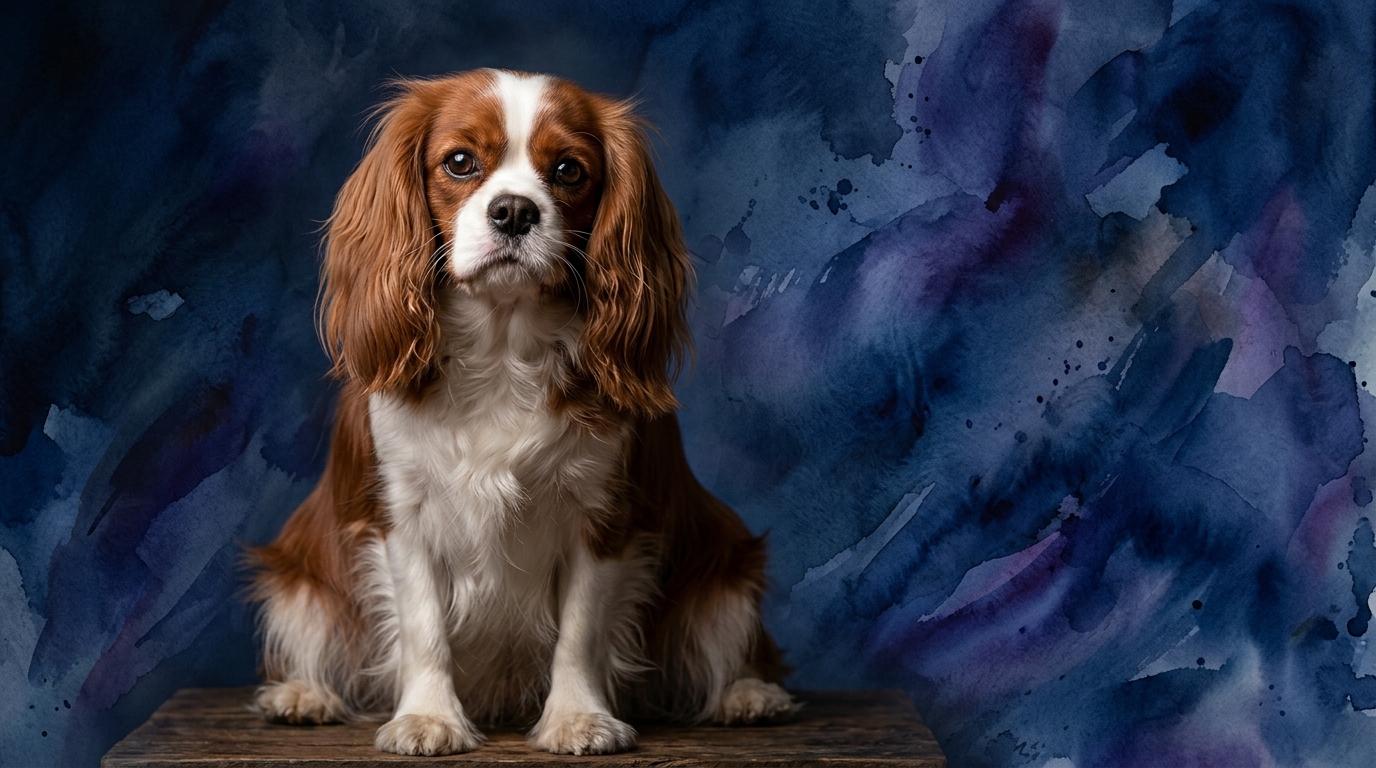
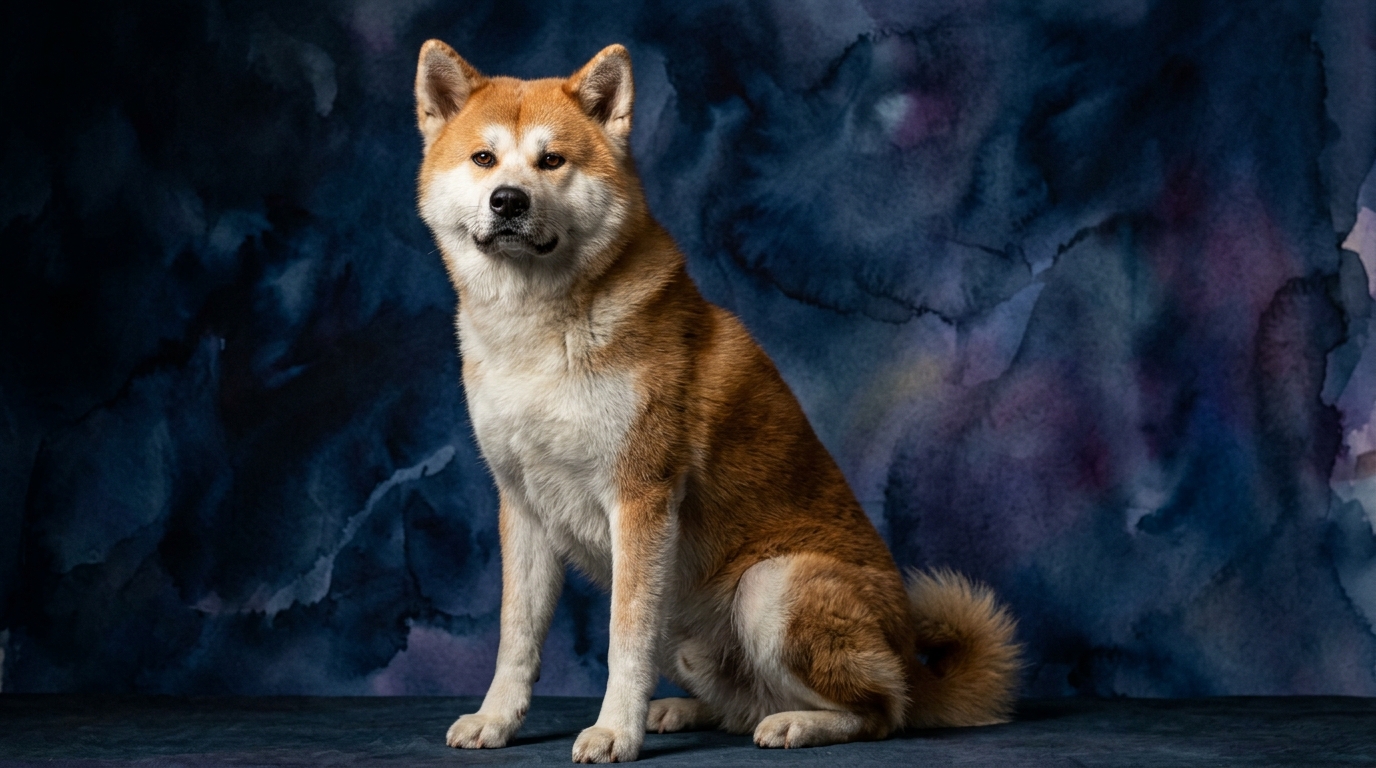
Side-by-Side Cognitive Profiles: Cavalier vs. Akita
The Cavalier King Charles Spaniel, categorized as a Toy breed, holds a Coren rank of #44, indicating a respectable capacity for learning and obedience. Their IQ profile paints a picture of a socially adept companion: Problem Solving at 3/5, reflecting a moderate ability to navigate novel situations independently; Training Speed at 3/5, suggesting they grasp new commands at an average pace; Social Intelligence at a remarkable 5/5, highlighting their profound ability to connect with humans and understand social cues; Instinctive Drive at 3/5, indicating a balanced but not overpowering innate behavioral repertoire; and Memory at 3/5, meaning they retain learned information and experiences adequately.
In contrast, the Akita, a robust Working breed, ranks #54 on Coren's scale, placing them slightly lower in terms of traditional obedience training responsiveness. Their cognitive breakdown reveals a more self-reliant and purposeful intellect: Problem Solving stands at 3/5, similar to the Cavalier, showing a moderate capacity for independent thought; Training Speed is 2/5, suggesting they might take longer to master new commands or require more repetition; Social Intelligence is 3/5, indicating a selective and often reserved approach to social interactions; Instinctive Drive soars at 5/5, underscoring their powerful natural instincts for guarding, hunting, and independent action; and Memory is 4/5, demonstrating a superior ability to recall past events, routines, and boundaries.
Where the Cavalier King Charles Spaniel Shines Cognitively
The Cavalier King Charles Spaniel's crowning cognitive achievement is undoubtedly their Social Intelligence, rated at an exceptional 5/5. This dimension signifies an unparalleled ability to perceive, interpret, and respond to human emotions and social cues. A Cavalier readily understands subtle shifts in tone, body language, and mood, making them incredibly empathetic companions. This deep social awareness translates into a dog that actively seeks interaction, offers comfort, and adapts seamlessly to household dynamics, often anticipating their owner's needs or desires for companionship.
Beyond their social acumen, the Cavalier's Training Speed of 3/5, while not extraordinary, positions them as more receptive to instruction compared to the Akita. Their moderate Problem Solving score means they can figure out basic puzzles or navigate familiar environments effectively, but it's their intrinsic desire for connection, driven by their social intelligence, that truly propels their learning in a family setting. They are motivated by praise and affection, forming strong bonds that facilitate cooperative learning, particularly when the training involves interaction with their human counterparts.
Where the Akita Demonstrates Cognitive Prowess
The Akita's cognitive strengths are rooted in their formidable Instinctive Drive, scoring a perfect 5/5. This dimension encompasses their innate behavioral patterns crucial for survival and their historical roles, such as guarding, hunting, and protecting territory. An Akita's strong drive means they possess a natural assertiveness, an unwavering loyalty to their family, and a keen awareness of their surroundings, often acting as diligent protectors without explicit command. This deep-seated drive shapes their approach to the world, making them self-assured and capable of independent decision-making when necessary.
Complementing their powerful instincts is the Akita's superior Memory, rated at 4/5. This enhanced recall ability means Akitas are excellent at remembering complex routines, boundaries, and past experiences. They can retain extensive knowledge of their environment, recognizing familiar faces and places, and remembering specific training cues or house rules over long periods. This strong memory, combined with their instinctive drive, allows them to develop sophisticated internal maps of their territory and a lasting understanding of their social hierarchy, contributing to their reputation for being formidable and reliable guardians.
Training Ease: Cavalier King Charles Spaniel vs. Akita
When it comes to ease of training, the Cavalier King Charles Spaniel generally presents a more straightforward experience for most owners. Their Training Speed of 3/5 is bolstered significantly by their exceptional Social Intelligence (5/5). Cavaliers are intrinsically motivated by human interaction and approval; they thrive on being part of the family unit and are eager to please. This eagerness translates into a dog that is typically more responsive to positive reinforcement, quickly forming associations between commands and rewards, and genuinely enjoying the cooperative aspect of training sessions. Their behavioral differences manifest in their readiness to engage and their willingness to follow direction, making them excellent candidates for obedience, trick training, and even therapy work.
The Akita, with a Training Speed of 2/5 and Social Intelligence of 3/5, requires a different approach to training, often proving more challenging for novice owners. Their independent nature and strong instinctive drive mean they are not inherently motivated by the desire to please in the same way a Cavalier might be. Akitas often need to understand the 'why' behind a command or perceive a clear benefit for themselves before complying. Their reserved social intelligence means they form deep bonds with a select few, and while loyal, they may not offer immediate, eager compliance to every request. Training an Akita demands immense patience, consistency, and a profound understanding of their independent and protective temperament, focusing on mutual respect rather than absolute obedience.
Ideal Owners: Active vs. Relaxed Lifestyles
The Cavalier King Charles Spaniel is an exemplary fit for relaxed owners seeking a devoted companion. Their moderate instinctive drive and high social intelligence mean they are content with a comfortable home life, enjoying cuddles on the couch, gentle walks, and being a constant, loving presence. They adapt well to various living situations, including apartments, as long as they receive consistent human interaction and affection. Owners who appreciate a dog that is emotionally attuned, easy to manage on a leash, and thrives on companionship will find the Cavalier's cognitive profile aligns perfectly with their desire for a charming, low-maintenance friend.
Conversely, the Akita is best suited for active, experienced owners who understand and appreciate a dog with a strong will and a purposeful nature. Their high instinctive drive (5/5) and superior memory demand an owner who can provide consistent leadership, clear boundaries, and ample mental and physical stimulation. Akitas excel in environments where their guarding instincts can be channeled appropriately, requiring substantial exercise and engagement to prevent boredom or destructive behaviors. Owners who enjoy outdoor activities, are prepared for consistent training, and value a dog with a reserved yet fiercely loyal disposition will find the Akita's cognitive strengths make them a magnificent, if demanding, partner.
The Verdict
Choose the Cavalier King Charles Spaniel if you prioritize a deeply empathetic, eager-to-please companion who thrives on social interaction and gentle companionship, adapting well to a relaxed home environment.
Opt for the Akita if you are an experienced, active owner seeking a fiercely loyal, independent, and protective companion who requires consistent leadership, structured training, and a deep understanding of their powerful instincts.
🧠 Find Your Pet's IQ Score
Our Pet IQ Lab assessment covers 25+ tests across 5 cognitive dimensions — personalized to your breed.
Take the Full IQ Test →Frequently Asked Questions
How does social intelligence impact daily life with these breeds?
A Cavalier's high social intelligence means they are highly attuned to human emotions, making them exceptionally empathetic and eager to interact, often seeking comfort or offering companionship. An Akita's moderate social intelligence means they are more reserved, forming deep bonds with their immediate family but often aloof with strangers, valuing their personal space and independence.
Are Akitas truly harder to train than Cavalier King Charles Spaniels?
Generally, yes. Akitas have a lower training speed and higher instinctive drive, meaning they require more patience, consistency, and a clear purpose for commands, often needing to be convinced of a task's value. Cavaliers, with higher social intelligence and moderate training speed, are more eager to please and respond readily to positive reinforcement and human approval.
Which breed is better for a family with young children?
The Cavalier King Charles Spaniel, with its exceptional social intelligence and gentle nature, is generally a more suitable choice for families with young children, as they are typically very patient and tolerant. The Akita's powerful instinctive drive and more reserved social intelligence mean they require careful socialization and supervision around children, best suited for experienced owners who can manage their strong protective instincts.