Side-by-Side Cognitive Profiles
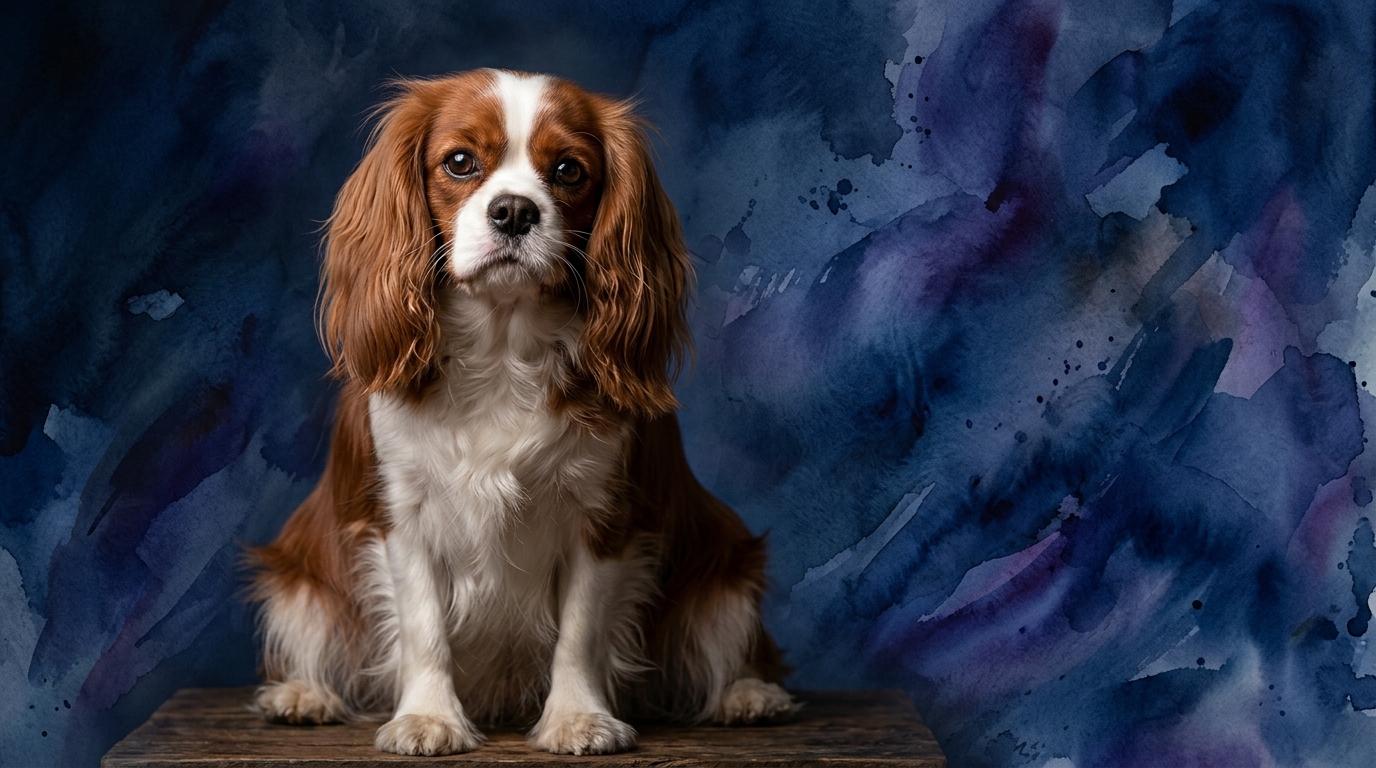
To understand the unique mental makeups of the Cavalier King Charles Spaniel and the American Eskimo Dog, we turn to The Cosmic Pet Pet IQ Lab’s five cognitive dimensions. These metrics offer a granular view beyond general perceptions, highlighting specific aptitudes that shape their behavior and trainability. The Cavalier King Charles Spaniel, a beloved Toy group member, holds a Coren rank of #44, indicating a respectable capacity for obedience and working intelligence. Its individual IQ scores are: Problem Solving 3/5, Training Speed 3/5, Social Intelligence 5/5, Instinctive Drive 3/5, and Memory 3/5. This profile immediately points to a dog whose cognitive strengths are deeply intertwined with human interaction.
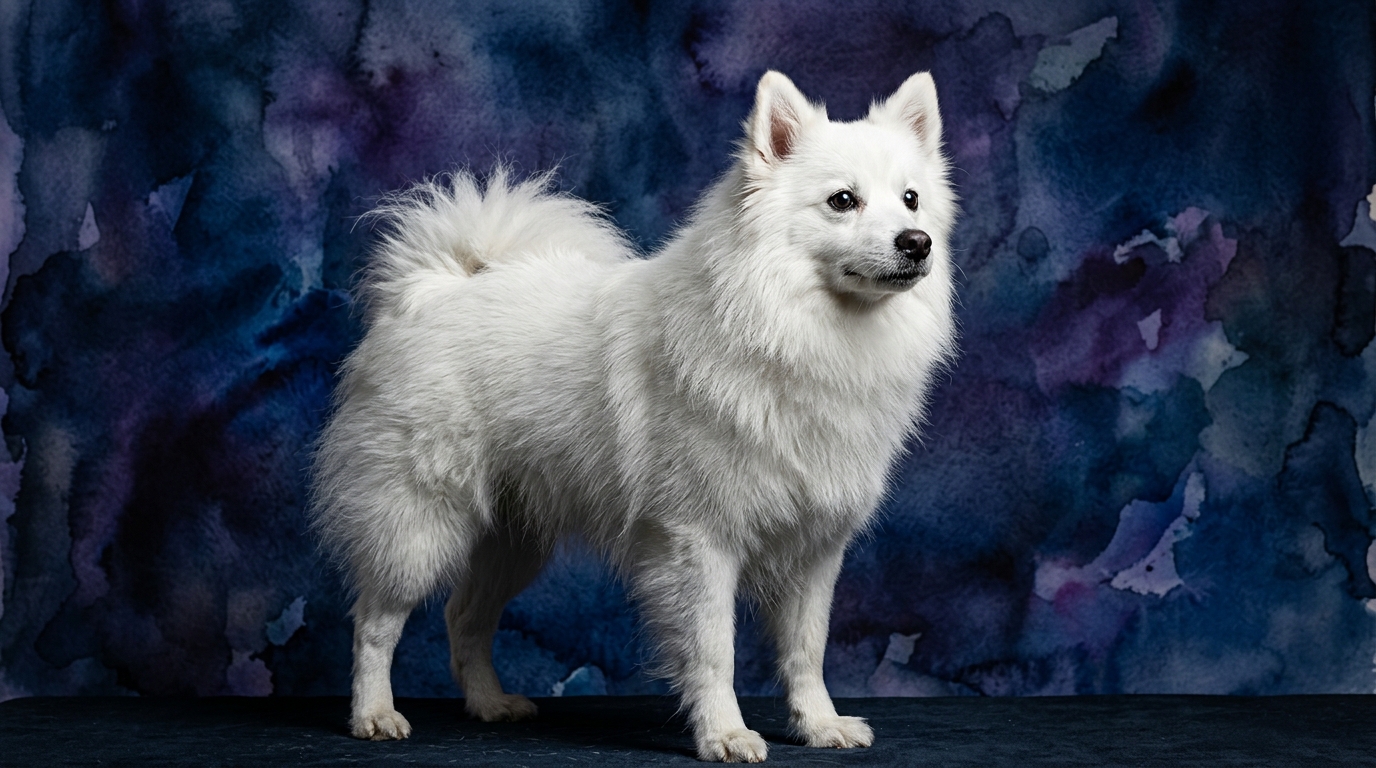
In contrast, the American Eskimo Dog, a Non-Sporting breed, does not appear on Coren’s ranking, which often reflects breeds with more independent working histories or those less frequently evaluated in formal obedience trials. Their IQ scores are remarkably consistent across the board: Problem Solving 3/5, Training Speed 3/5, Social Intelligence 3/5, Instinctive Drive 3/5, and Memory 3/5. While numerically similar in several areas to the Cavalier, the context of these scores within their breed histories suggests different applications of these cognitive abilities. Understanding these nuanced profiles is key to appreciating each breed’s distinctive mental approach to the world and their human companions.
Where the Cavalier King Charles Spaniel Excels Cognitively
The Cavalier King Charles Spaniel’s standout cognitive strength is undeniably its Social Intelligence, scoring an impressive 5/5 compared to the American Eskimo Dog’s 3/5. This elevated social acumen means Cavaliers possess an exceptional ability to read human emotions, understand subtle cues, and form deep, empathetic bonds. They are highly attuned to their owners' moods and intentions, often anticipating needs or offering comfort without explicit instruction. This cognitive trait is a direct result of centuries of breeding for companionship, making them profoundly responsive and emotionally intelligent partners. Their understanding extends beyond simple commands; they grasp the social dynamics of a household, making them adept at navigating complex human relationships and fitting seamlessly into family life. This high social intelligence contributes significantly to their reputation as adaptable and affectionate companions, making them particularly receptive to human-centric interaction and communication.
Furthermore, this heightened social intelligence underpins their problem-solving and training speed, even with scores of 3/5 in those categories. A Cavalier might not independently solve complex environmental puzzles at the same rate as some working breeds, but their problem-solving skills are often applied in a social context – figuring out how to get closer to their favorite person, or how to subtly solicit attention. Their readiness to engage and please, driven by their social cognitive strengths, can make learning new routines and behaviors a cooperative and rewarding experience for both dog and owner, even if the pure 'speed' of acquisition is moderate.
Where the American Eskimo Dog's Cognitive Strengths Shine
While the American Eskimo Dog (Eskie) doesn’t numerically outscore the Cavalier in any specific IQ dimension, its cognitive profile, with consistent 3/5 ratings across the board, reflects a distinct set of strengths rooted in its history as a versatile working and performance dog. Rather than excelling in human-centric social understanding, the Eskie's problem-solving (3/5) and instinctive drive (3/5) are often applied with a greater degree of independence and self-direction. Their problem-solving abilities might manifest as figuring out how to open a gate or outsmart a puzzle toy on their own terms, rather than solely for human approval. This independent cognitive application stems from their background as guard dogs, circus performers, and farm dogs, where self-reliance and initiative were valued.
Their instinctive drive (3/5) is less about seeking constant human affirmation and more about a robust innate curiosity and a desire to engage with their environment, often through activities like barking to alert, exploring, or engaging in playful antics. This drive fuels their capacity for learning tricks and participating in dog sports, where their energy and cleverness are channeled into structured activities. The Eskie's memory (3/5) is solid, allowing them to retain learned behaviors and routines effectively, but coupled with their independent spirit, this means they remember what *they* want to do just as well as what they've been taught. Their cognitive profile highlights a dog that thinks for itself, requiring an owner who appreciates and can channel this intelligent self-sufficiency.
Ease of Training: Cavalier vs. American Eskimo Dog
When considering ease of training, the Cavalier King Charles Spaniel generally presents a more straightforward experience for the average owner, largely due to its superior Social Intelligence (5/5 vs. Eskie’s 3/5). While both breeds share a Training Speed score of 3/5, indicating a moderate pace of learning, the Cavalier’s eagerness to please and strong desire for human connection make them highly motivated students. They are intrinsically rewarded by positive human interaction and praise, making them very responsive to positive reinforcement methods. Their deep understanding of human cues means they are quick to pick up on what is expected of them, even if the repetition needed to solidify a behavior is moderate. This social attunement translates into a dog that actively seeks to cooperate, making training sessions feel more like a collaborative effort.
In contrast, the American Eskimo Dog, with its 3/5 Social Intelligence, can be more independent and occasionally strong-willed during training. While they are certainly capable learners (Training Speed 3/5) and enjoy engaging activities, their motivation often needs to be more externally driven, perhaps by food rewards or engaging play, rather than solely human approval. Their 3/5 Instinctive Drive can mean they are more easily distracted by environmental stimuli, and their strong-willed nature requires consistency, patience, and creative engagement from their owner. An Eskie might understand a command but choose not to perform it if they don't see the immediate benefit or if something more interesting captures their attention. Therefore, while both breeds have the cognitive capacity to learn, the Cavalier's social nature typically makes the training journey smoother and less prone to stubborn resistance.
Suitability for Active vs. Relaxed Owners
The cognitive profiles of these two breeds offer clear guidance on which might best suit an active versus a more relaxed owner. The Cavalier King Charles Spaniel, with its paramount Social Intelligence (5/5) and moderate Instinctive Drive (3/5), is an ideal companion for relaxed owners or those seeking a devoted, affectionate presence. Their cognitive strengths are geared towards companionship and emotional connection, meaning they thrive on being close to their people, participating in quiet family activities, and enjoying gentle walks. While they appreciate regular exercise, their mental engagement is primarily satisfied through social interaction and being an integral part of the household. They are content with a less structured routine, valuing comfort and companionship above strenuous physical or mental challenges. An owner who enjoys cuddles on the couch, short strolls, and consistent affectionate interaction will find a Cavalier’s cognitive needs perfectly aligned.
The American Eskimo Dog, conversely, with its consistent 3/5 across all cognitive dimensions, including Instinctive Drive and Problem Solving, is better suited for more active owners who can provide consistent mental and physical stimulation. Their independent spirit and quick wit mean they require engaging activities beyond simple companionship to prevent boredom and potential mischievousness. Eskies excel in dog sports like agility, obedience, and trick training, where their problem-solving skills and moderate drive can be channeled productively. They enjoy exploring, learning new things, and having a 'job' to do, even if it's just a complex puzzle toy. Owners who enjoy hiking, regular training sessions, and interactive play will find the Eskie's cognitive makeup a rewarding match, as they thrive when their minds are actively engaged and challenged.
The Verdict
Choose the Cavalier King Charles Spaniel if you prioritize a deeply empathetic, socially intelligent companion who will thrive on close human connection and a relaxed home environment.
Choose the American Eskimo Dog if you seek an independent, clever companion who enjoys mental challenges, consistent training, and an active lifestyle that engages their innate curiosity.
🧠 Find Your Pet's IQ Score
Our Pet IQ Lab assessment covers 25+ tests across 5 cognitive dimensions — personalized to your breed.
Take the Full IQ Test →Frequently Asked Questions
Are Cavaliers good with children due to their social intelligence?
Yes, Cavaliers are generally excellent with children due to their high social intelligence and gentle nature. They tend to be patient and understanding, forming strong bonds with family members of all ages, though supervision is always recommended with very young children.
Does the American Eskimo Dog's independent nature make them hard to live with?
The American Eskimo Dog's independent nature doesn't make them inherently hard to live with, but it does mean they require consistent training and mental engagement. With proper stimulation and clear boundaries, their cleverness and spirited personality can be incredibly rewarding for owners who appreciate a dog with a mind of its own.
Which breed is better for a first-time dog owner?
For a first-time dog owner, the Cavalier King Charles Spaniel is often a more forgiving choice due to its high social intelligence and eager-to-please nature, making training and integration into a new home generally smoother. The American Eskimo Dog, while capable, may require an owner more prepared for their independent streak and need for consistent mental engagement.