Side-by-Side IQ Profile: Cavalier vs. Bichon
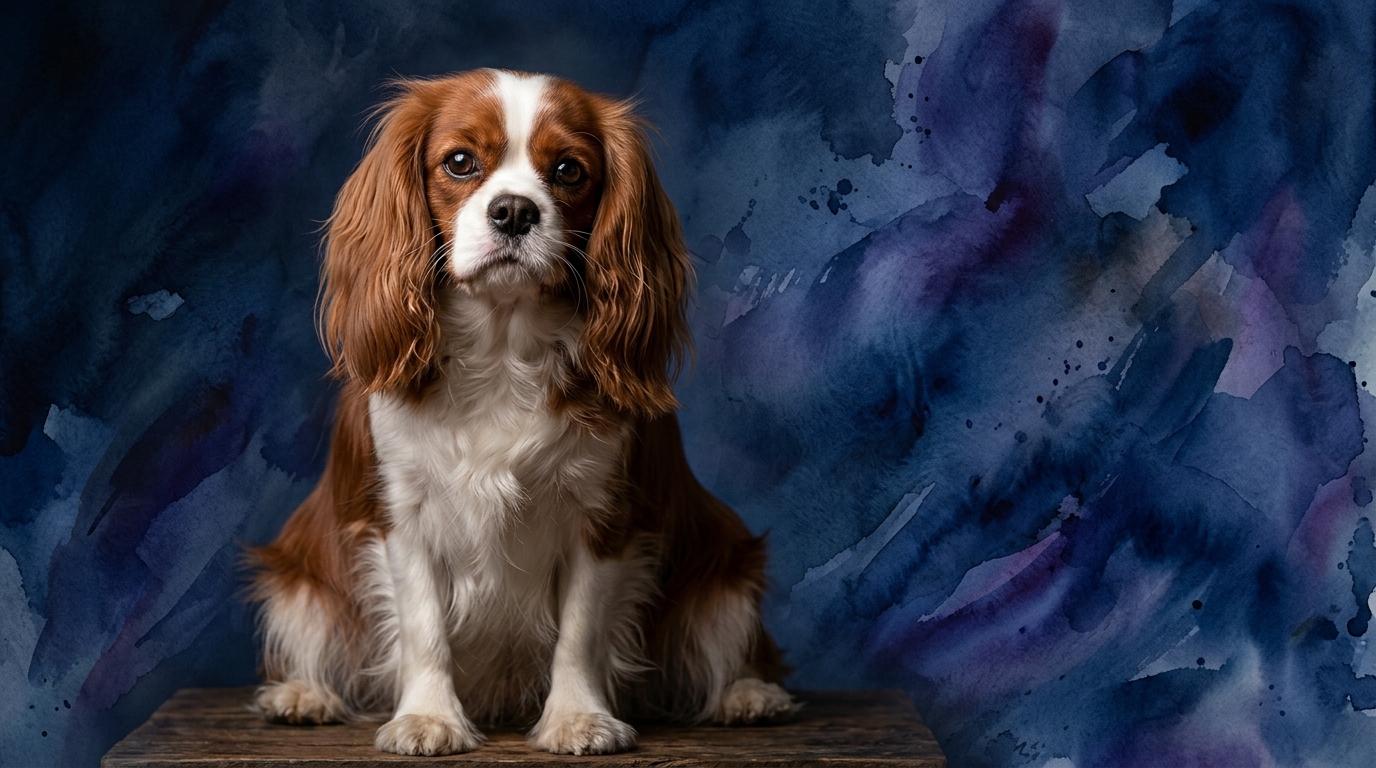
The Cosmic Pet Pet IQ Lab provides a nuanced look at canine intelligence beyond simple ranking, breaking it down into five key dimensions. For the Cavalier King Charles Spaniel, ranked #44 by Coren, its profile is quite balanced. It scores 3/5 in Problem Solving, indicating an average capacity to navigate simple environmental challenges and learn sequential tasks. Its Training Speed is also 3/5, meaning it requires a moderate number of repetitions to grasp new commands but responds well to positive reinforcement and clear guidance. A standout trait is its exceptional Social Intelligence, rated at 5/5; Cavaliers are profoundly attuned to human emotions and social cues, making them remarkably empathetic companions. Their Instinctive Drive sits at 3/5, suggesting a moderate interest in exploring scents or engaging with the environment, a gentle echo of their historical role. Finally, their Memory is 3/5, allowing them to retain routines and learned behaviors consistently.
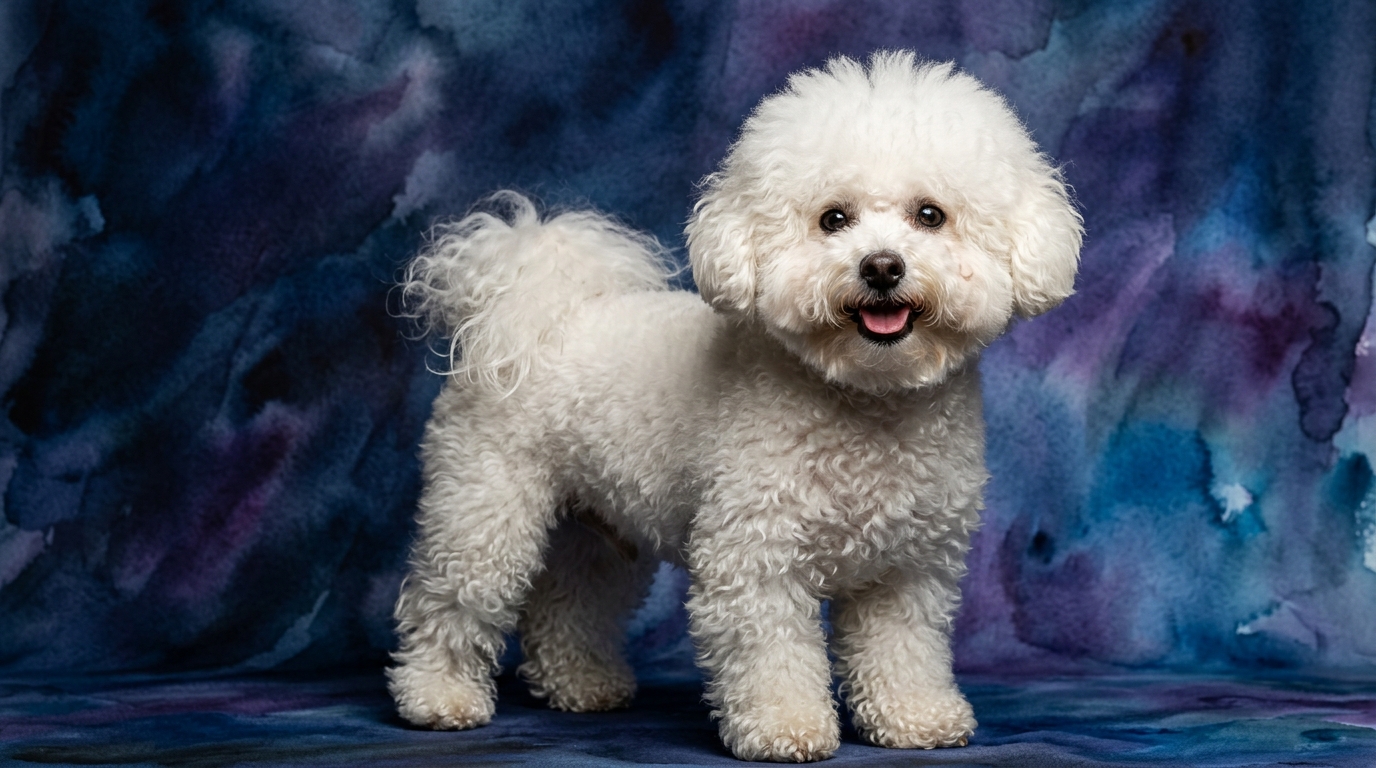
The Bichon Frisé, closely following at Coren Rank #45, mirrors the Cavalier in several cognitive dimensions. It starts with a 3/5 in Problem Solving, demonstrating similar capabilities in understanding and adapting to its immediate surroundings. Its Training Speed is also 3/5, meaning it learns at a comparable pace to Cavaliers, thriving on positive, patient instruction. Like the Cavalier, the Bichon boasts a perfect 5/5 in Social Intelligence, making it highly responsive to human interaction and deeply bonded with its families. The most notable difference lies in its Instinctive Drive, rated at 2/5, indicating a lower inclination towards independent exploration or prey-driven behaviors. Its Memory, at 3/5, is consistent with the Cavalier, allowing for steady retention of information.
Where the Cavalier King Charles Spaniel Wins Cognitively
The Cavalier's moderate Instinctive Drive (3/5) gives them a subtle cognitive advantage in environmental engagement compared to the Bichon's 2/5. This isn't about raw intellectual power, but a difference in how their minds prioritize external stimuli. A Cavalier might display a slightly more pronounced curiosity about novel scents during a walk or show a greater inclination to investigate a rustling bush, tapping into a more varied range of sensory information. This drive provides a broader cognitive lens through which they perceive and interact with their surroundings, making them potentially more adaptable to varied outdoor activities. This slight inclination towards exploration can also mean they are more readily engaged by puzzle toys that require a touch of independent investigation, subtly exercising their problem-solving skills in a more self-directed manner than a Bichon might typically initiate.
Where the Bichon Frisé Wins Cognitively
While both breeds share a top-tier 5/5 Social Intelligence, the Bichon Frisé's lower Instinctive Drive (2/5) presents a unique cognitive strength: an almost unwavering focus on human interaction. This diminished external drive means their cognitive resources are more consistently channeled towards observing, interpreting, and responding to their human companions. They are less likely to be distracted by environmental stimuli, allowing for a deeper, more concentrated engagement with social dynamics within the home. This heightened internal focus can manifest as an exceptional ability to pick up on subtle changes in human mood or routine, often making them feel incredibly “present” and attuned to their family's emotional landscape. Their cognitive energy is predominantly dedicated to being the quintessential companion, a specialization that makes them masters of domestic social intelligence.
Which is Easier to Train and Why
Both the Cavalier King Charles Spaniel and the Bichon Frisé share a Training Speed rating of 3/5, suggesting that neither breed holds a definitive advantage in the sheer speed of acquiring new commands. Both require consistent, positive reinforcement methods and patience. However, their subtle differences in Instinctive Drive can influence the *ease* of training in practical scenarios. The Cavalier's moderate instinctive drive means they might occasionally be more prone to distraction by interesting scents or sights, particularly in outdoor environments. This requires a trainer to be more diligent in maintaining focus and redirecting their attention, although their high Social Intelligence (5/5) means they are generally eager to please and respond well to human guidance.
Conversely, the Bichon Frisé's lower instinctive drive (2/5) can sometimes make them less prone to environmental distractions, especially during indoor training sessions. Their focus is often more readily directed towards their human, which can translate into more efficient training sessions without as much need for redirection from external stimuli. Like Cavaliers, their exceptional Social Intelligence (5/5) is a significant asset, as they are highly motivated by praise and positive interaction. Therefore, while both learn at a similar pace, the Bichon might present slightly fewer challenges related to external distractions, potentially making indoor training feel marginally smoother for some owners. However, both breeds respond beautifully to reward-based training and thrive on clear, consistent communication.
Which Suits Active Owners vs. Relaxed Owners
For owners who embrace a moderately active lifestyle, the Cavalier King Charles Spaniel often proves to be an ideal companion. Their Instinctive Drive of 3/5, while not indicative of a high-energy working breed, means they genuinely appreciate and benefit from regular, varied outdoor excursions. They enjoy exploring new walking routes, engaging with puzzle toys that stimulate their curiosity, and participating in gentle games in the park. Their adaptability allows them to be content with a relaxed evening at home, but their cognitive profile suggests they thrive when given opportunities to engage their senses and mild exploratory instincts beyond the confines of the house. They are excellent partners for daily strolls and light adventures, satisfying their moderate need for environmental engagement.
The Bichon Frisé, with its lower Instinctive Drive of 2/5, often aligns more perfectly with owners who prefer a more relaxed and home-centric lifestyle. While they certainly require daily walks for exercise and mental stimulation, their cognitive needs for extensive outdoor exploration are generally less pronounced than the Cavalier's. Bichons are often most content when their primary focus is their human family, excelling in environments where indoor games, cuddles, and consistent interaction are paramount. Their high social intelligence means they derive immense satisfaction from being a constant, engaging presence within the home, making them superb companions for individuals or families who spend a significant amount of time at home and prioritize direct, affectionate interaction over extensive outdoor adventures.
The Verdict
Choose the Cavalier King Charles Spaniel if you appreciate a companion with a gentle demeanor, a robust social connection, and a moderate, curious streak that enjoys exploring the world alongside you.
Choose the Bichon Frisé if you seek a devoted, charming companion whose cognitive focus is almost entirely on human interaction, thriving in a home environment with less emphasis on independent outdoor drives.
🧠 Find Your Pet's IQ Score
Our Pet IQ Lab assessment covers 25+ tests across 5 cognitive dimensions — personalized to your breed.
Take the Full IQ Test →Frequently Asked Questions
Do Cavaliers or Bichons excel at learning tricks?
Both breeds, with their similar training speed and high social intelligence, are generally adept at learning tricks, especially when positive reinforcement and motivation through human interaction are employed. Their eagerness to please makes them responsive to engaging training methods.
How do their memory capabilities compare for daily routines?
Both Cavaliers and Bichons possess a moderate memory capacity (3/5), meaning they can effectively learn and retain daily routines and house rules. Consistency in their environment and training helps solidify these memories for either breed.
Is one breed more prone to separation anxiety due to social intelligence?
Both breeds score 5/5 in social intelligence, indicating a strong desire for companionship, which can make them prone to separation anxiety if left alone for extended periods. Their deep bond with humans means they thrive on consistent presence and interaction.