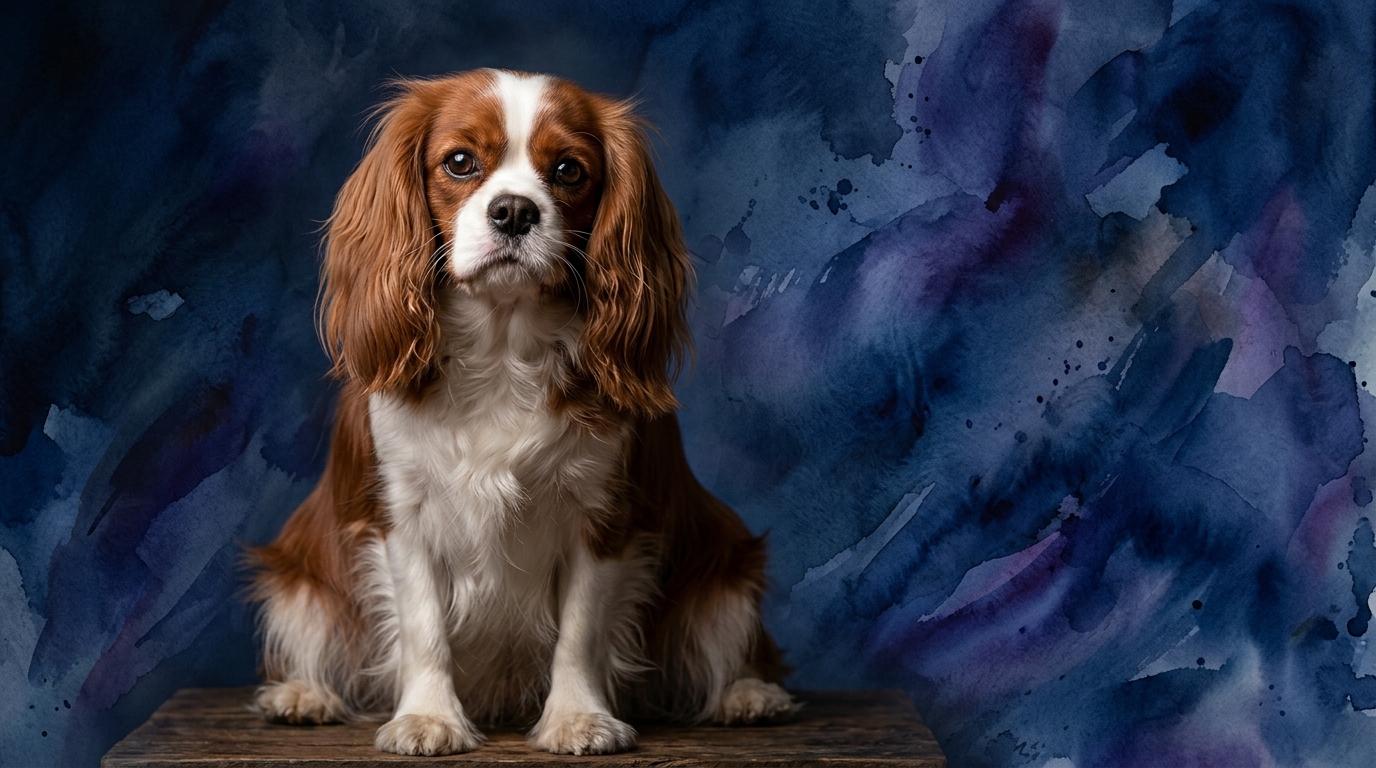
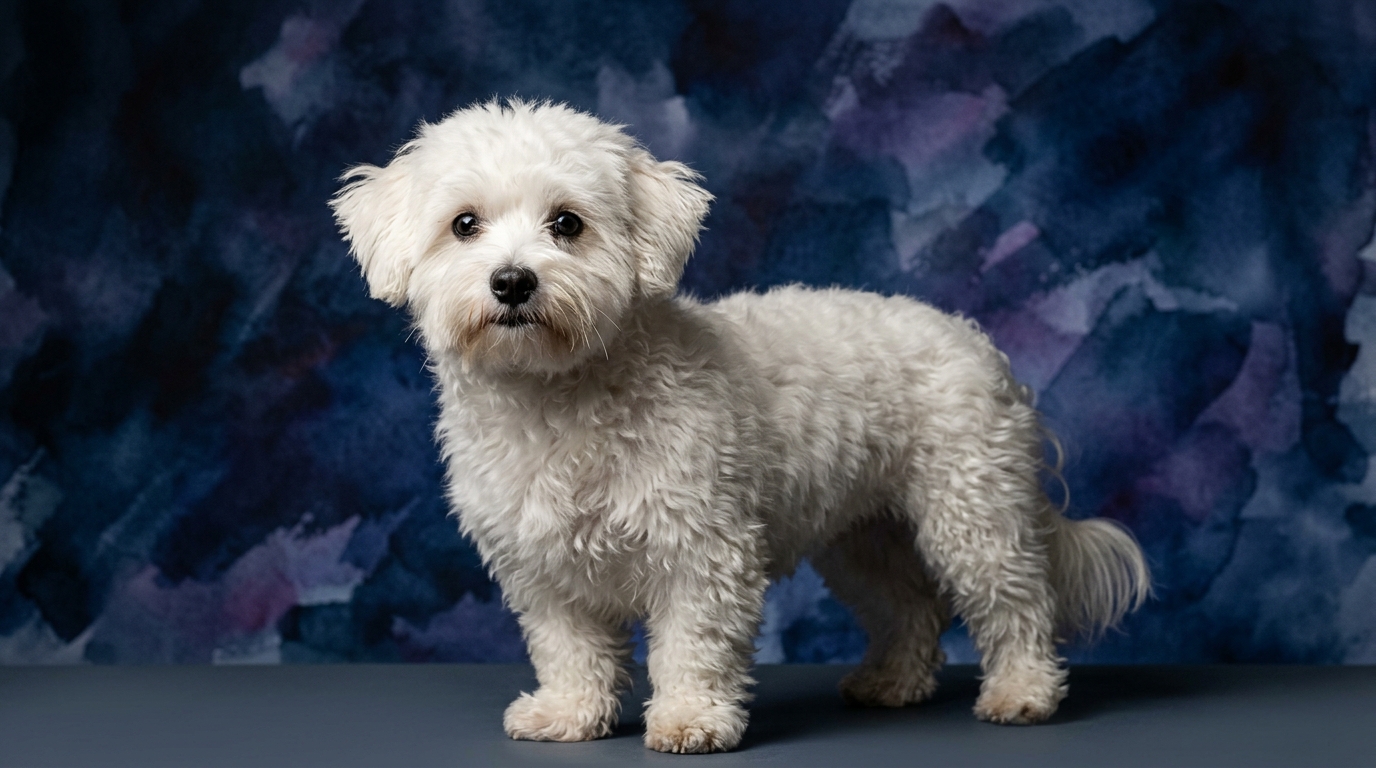
Side-by-Side IQ Profile: Cavalier King Charles Spaniel vs. Coton de Tuléar
At The Cosmic Pet Pet IQ Lab, we evaluate canine cognition across five key dimensions, providing a granular view of each breed's mental makeup. While both the Cavalier King Charles Spaniel and the Coton de Tuléar are cherished companion breeds, their cognitive profiles offer distinct nuances that shape their interactions and suitability for various lifestyles.
For the **Cavalier King Charles Spaniel (Toy, Coren rank #44)**, our assessment reveals:
**Problem Solving (3/5):** This score indicates a moderate capacity for navigating novel challenges, such as figuring out puzzle toys or overcoming minor environmental obstacles. Cavaliers typically employ a mix of trial-and-error and observation, often relying on human guidance when faced with complex situations, demonstrating a practical approach to their environment.
**Training Speed (3/5):** Cavaliers generally learn new commands at a steady pace. They are receptive and willing participants in training, though they may require consistent repetition and positive reinforcement to solidify new behaviors. Their moderate speed doesn't imply difficulty, but rather a need for patient, clear instruction to ensure lasting retention.
**Social Intelligence (5/5):** This is where the Cavalier truly shines. A perfect score signifies an exceptional ability to interpret human emotions, body language, and vocal cues. They are deeply attuned to their owners' moods and intentions, often anticipating needs and adjusting their behavior to maintain harmony within their social group. This high social drive underpins their reputation as empathetic companions, making them incredibly responsive to social dynamics.
**Instinctive Drive (3/5):** Cavaliers possess a moderate level of inherent drives, such as chasing small prey or guarding resources. While present, these drives are typically manageable and rarely override their strong social inclinations, making them generally adaptable household members who prioritize connection over primal urges.
**Memory (3/5):** Their memory allows them to recall learned commands, routines, and familiar individuals with reasonable accuracy. While not photographic, it's sufficient for maintaining good manners and retaining positive associations over time, contributing to their reliable and predictable companionship.
For the **Coton de Tuléar (Non-Sporting, Not Coren-ranked)**, our IQ Lab data shows:
**Problem Solving (3/5):** Cotons also demonstrate a moderate ability to tackle problems, akin to the Cavalier. They can learn to manipulate simple latches or figure out how to retrieve a hidden toy, often with a playful and persistent approach. Their engagement with problem-solving tasks is typically curiosity-driven, enjoying the mental stimulation.
**Training Speed (3/5):** Similar to Cavaliers, Cotons learn at a consistent pace. They are generally eager to engage in training sessions, especially when they are made fun and rewarding. Their learning curve is stable, requiring clear methods and positive reinforcement to achieve desired outcomes, responding well to engaging lessons.
**Social Intelligence (3/5):** Cotons exhibit a moderate level of social intelligence. They are affectionate and enjoy companionship but may not possess the same profound, almost anticipatory understanding of human emotions as a Cavalier. They enjoy interaction but are often content with periods of self-entertainment, showing a balanced need for both connection and independence.
**Instinctive Drive (3/5):** Cotons share a moderate instinctive drive profile. They may show interest in chasing small objects or display mild territoriality, but these behaviors are typically well-integrated into their companion role and are not overly dominant aspects of their personality, making them adaptable family members.
**Memory (3/5):** Cotons have a moderate memory capacity, enabling them to remember training cues, daily routines, and the people and places they encounter regularly. This allows for consistent behavior and a strong recall of their established environment, contributing to their reliability.
Where the Cavalier King Charles Spaniel Wins Cognitively
The Cavalier King Charles Spaniel's distinct cognitive advantage lies squarely in its exceptional Social Intelligence, scoring a perfect 5/5 compared to the Coton de Tuléar's 3/5. This isn't merely about being friendly; it reflects a profound capacity for emotional attunement and sophisticated interpretation of human cues. A Cavalier often seems to 'read' its owner's mood, offering comfort during sadness or engaging in play during joy, without explicit commands. They demonstrate an uncanny ability to understand subtle shifts in tone, facial expressions, and body language, allowing them to adapt their behavior to foster strong, symbiotic relationships. This superior social cognition means they often anticipate desires, making them incredibly intuitive companions who thrive on deep, reciprocal emotional connection. Their cognitive energy is heavily invested in understanding and responding to their human companions, making them masters of relational dynamics within the household, creating an almost telepathic bond.
Where the Coton de Tuléar Wins Cognitively
While the Coton de Tuléar's cognitive scores are largely similar to the Cavalier's, and its social intelligence is rated lower, its unique strength isn't necessarily about surpassing scores but about a different *balance* of cognitive application. With a 3/5 in Social Intelligence, the Coton, while affectionate, isn't as intensely focused on human emotional states as the Cavalier. This slightly more independent social profile means their equally rated 3/5 Problem Solving and Memory might be applied with a touch more self-direction and less reliance on human input for motivation. They can be more content entertaining themselves or exploring their environment without constant human interaction, channeling their cognitive curiosity into their immediate surroundings. This subtle difference means a Coton might be more adept at independent exploration or figuring out a puzzle toy simply for the intrinsic reward of the challenge, rather than primarily to 'please' their human, offering a delightful blend of affection and self-reliance and a charmingly self-sufficient approach to their world.
Which is Easier to Train, and Why?
When considering ease of training, the Cavalier King Charles Spaniel generally holds a slight edge, primarily due to its superior Social Intelligence (5/5). While both breeds share a 3/5 Training Speed, the Cavalier's profound desire to connect and please its human companion means it is often more intrinsically motivated to respond to cues and learn new behaviors. They actively seek to understand and comply, often perceiving training as a collaborative activity that strengthens their bond. For instance, a Cavalier is more likely to maintain eye contact, offer attention, and adjust its behavior based on subtle handler feedback, making them highly responsive to even nuanced instructions. Their inherent drive to be a 'good' companion makes them eager students, often picking up on routines and expectations quickly.
In contrast, the Coton de Tuléar, with its 3/5 Social Intelligence, is still trainable and eager but might display a slightly more independent streak. They might require more tangible rewards or a greater focus on making training a fun, engaging game to maintain their attention, rather than relying solely on social approval. A Coton might be more prone to 'testing the waters' or getting distracted by an interesting scent or sound, whereas a Cavalier's social focus often keeps them more anchored to the trainer's intentions. While both are capable learners, the Cavalier's innate drive for social harmony often translates into a more straightforward training experience, particularly for novice owners who appreciate a dog that actively seeks to cooperate.
Cognitive Suitability: Active Owners vs. Relaxed Owners
The choice between a Cavalier King Charles Spaniel and a Coton de Tuléar often boils down to an owner's lifestyle and their preferred level of canine interaction. The Cavalier, with its exceptional 5/5 Social Intelligence, is an ideal match for relaxed owners who desire a constant, deeply engaged companion. These dogs thrive on proximity and emotional connection, preferring to be an integral part of every family activity, whether it's lounging on the sofa, a gentle stroll, or simply being present while their owner works. Their cognitive wiring makes them highly dependent on human interaction for emotional fulfillment, making them less suited for owners who are frequently away or prefer a dog that is highly independent, as their need for connection is profound and can lead to distress if unmet.
On the other hand, the Coton de Tuléar, with its 3/5 Social Intelligence, offers a delightful balance for owners who might be active but also appreciate a dog with a touch more self-sufficiency. Cotons enjoy activity and play, but they are also content to entertain themselves or relax independently. They can adapt to a more varied routine, enjoying brisk walks and playful sessions, but also settling down without constant human interaction, channeling their moderate social drive into a more balanced approach to companionship. This makes them suitable for owners who might have a moderately active lifestyle but also value a companion who isn't solely dependent on them for all forms of engagement, offering a blend of affectionate companionship and a charming independent spirit that allows for more flexibility in daily life.
The Verdict
For owners seeking an intensely devoted, empathetic companion deeply attuned to human emotions and desiring constant social connection, the Cavalier King Charles Spaniel is the clear choice. Its superior social intelligence makes it an unparalleled emotional anchor in any home, always seeking to be by your side.
Conversely, if you appreciate an affectionate dog that also exhibits a charming degree of self-reliance, capable of entertaining itself and not requiring constant emotional validation, the Coton de Tuléar will be a wonderful fit, offering a balanced blend of companionship and independence.
🧠 Find Your Pet's IQ Score
Our Pet IQ Lab assessment covers 25+ tests across 5 cognitive dimensions — personalized to your breed.
Take the Full IQ Test →Frequently Asked Questions
Does the Coton de Tuléar's 'Not Coren-ranked' status mean it's less intelligent than a Cavalier?
Not at all; the Coren ranking primarily reflects breeds included in specific obedience intelligence studies, often based on popularity and availability at the time. Our IQ Lab data provides a direct comparison of cognitive dimensions for both breeds, indicating similar core abilities, with the Cavalier excelling specifically in social intelligence.
Given their similar problem-solving scores, are both breeds equally good with puzzle toys?
While both score 3/5 in problem-solving, their motivation might differ. A Cavalier might engage with a puzzle toy more to gain a treat from its owner, viewing it as a shared activity, whereas a Coton might approach it with a more intrinsic curiosity for the challenge itself, enjoying the process independently.
How does the Cavalier's high social intelligence impact its adaptability to new people or environments?
A Cavalier's 5/5 social intelligence typically makes them highly adaptable and welcoming to new people, as they are adept at reading social cues and eager to form positive connections. They generally adjust well to new environments as long as their primary human companions are present and provide reassurance, leveraging their strong bond for security and comfort.