Side-by-Side Cognitive Profiles
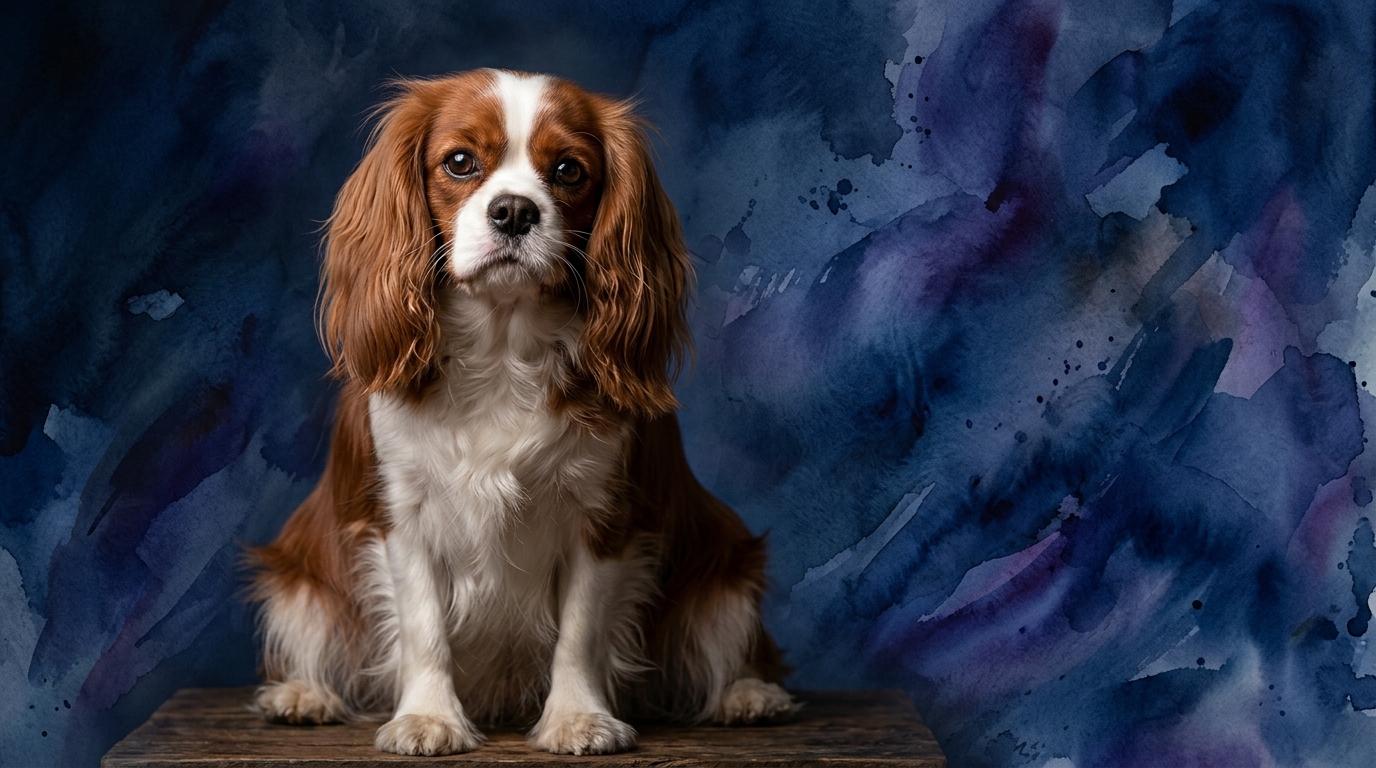
**Cavalier King Charles Spaniel (Toy, Coren rank #44)**: Cavaliers possess a moderate capacity for independent problem-solving (3/5), often preferring to seek human assistance or guidance rather than tackling complex puzzles alone. Their approach to challenges is typically more intuitive, relying on learned associations and gentle persistence rather than aggressive strategizing. For instance, faced with a closed door, a Cavalier might whine or look expectantly at their owner rather than attempting to manipulate the latch themselves, showcasing their reliance on human partnership. This breed demonstrates a moderate pace in acquiring new commands and behaviors (Training Speed 3/5). Their inherent desire to please their human companions significantly aids the learning process, making them receptive to instruction, though they may require consistent, positive reinforcement. Their Social Intelligence (5/5) is their undeniable cognitive forte; they excel at understanding human emotions, intentions, and subtle social cues, making them exceptionally attuned companions. Cavaliers exhibit a moderate level of inherent drives (Instinctive Drive 3/5), primarily focused on companionship, comfort, and sometimes a gentle inclination towards retrieving or chasing, but not with intense persistence. They display a moderate ability to recall past experiences, learned behaviors, and established routines (Memory 3/5), remembering familiar faces and places well.
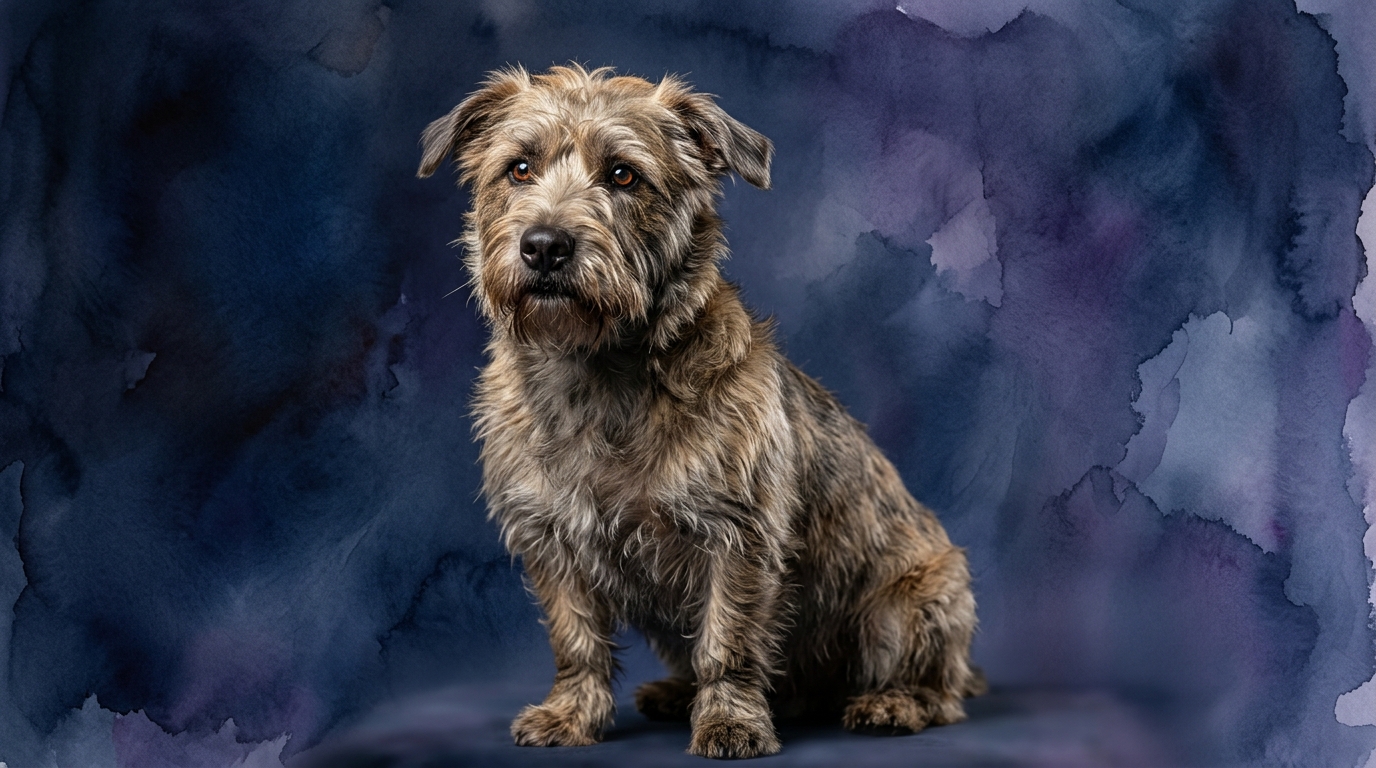
**Glen of Imaal Terrier (Terrier, Not Coren-ranked)**: The Glen possesses a moderate, practical problem-solving ability (3/5), often geared towards overcoming physical obstacles or achieving a specific goal, such as exploring a scent trail or reaching an interesting burrow. Their solutions tend to be more independent, tenacious, and hands-on. For example, a Glen might methodically try to dig under a fence or push through a bush to get to something intriguing, demonstrating a self-directed, persistent approach rather than waiting for human intervention. Glen of Imaal Terriers show a moderate training speed (3/5), but this is often tempered by their independent and sometimes stubborn Terrier nature. While capable of learning effectively, they may require more significant motivation to comply with commands, especially if they perceive the task as unnecessary or if it conflicts with a more appealing innate drive. This breed exhibits a moderate capacity for social understanding (Social Intelligence 3/5). While deeply affectionate and loyal to their immediate family, their social radar is more focused on their core pack and less on the broad emotional landscape of humans compared to the Cavalier, often being discerning with strangers. Glens display a moderate to strong instinctive drive (3/5), characteristic of a working Terrier, including a robust prey drive, a strong inclination to dig, and a tenacious spirit when pursuing a goal. They possess a moderate memory (3/5) for learned tasks, spatial awareness, and the location of interesting scents or buried treasures, remembering routines and the layout of their territory.
Where the Cavalier King Charles Spaniel Excels Cognitively
The Cavalier's unparalleled 5/5 social intelligence is its undeniable cognitive advantage, making it a master of emotional attunement. This breed possesses an extraordinary ability to read and respond to human emotions, often anticipating their owner's moods and reacting with comforting presence or playful distraction. This isn't merely about obedience; it's a deep, intuitive understanding of social cues, body language, and tone of voice, allowing them to form exceptionally strong, empathetic bonds. They excel at social learning, quickly understanding household dynamics and adapting their behavior to maintain harmony, making them incredibly intuitive and responsive family members. This cognitive strength translates into a dog that feels deeply connected and responsive to its human companions on an emotional level, fostering a unique and profound partnership.
Where the Glen of Imaal Terrier Excels Cognitively
While both breeds score 3/5 in Problem Solving, the *nature* of the Glen's approach is distinctly superior for specific tasks. The Glen of Imaal Terrier excels in self-directed, persistent problem-solving, particularly when faced with physical challenges or driven by an instinctive goal. This isn't about pleasing a human; it's about a tenacious, independent drive to overcome obstacles, such as figuring out how to bypass a barrier to follow a scent or tirelessly digging to explore an interesting burrow. Their cognitive strength lies in this unwavering focus and ingenuity in navigating their physical environment independently, reflecting their working heritage as dogs bred to find and dispatch quarry without constant human direction. This self-reliance in overcoming practical, often physical, challenges represents a unique and formidable cognitive strength.
Again, both breeds share a 3/5 instinctive drive score, but the Glen's drive is channeled into a highly focused and purposeful application, which is a cognitive "win" in its own right. Their instincts are not merely generalized; they are deeply ingrained and geared towards specific, sustained activities like tracking, digging, and tenacious pursuit. This breed possesses a remarkable mental fortitude to remain focused on a task, even when it requires considerable effort and persistence. This cognitive ability allows them to excel in activities that demand independent decision-making, resilience, and an unwavering commitment to a goal, making them effective and determined working dogs in their historical context, even if these traits require careful management in a domestic setting.
Training Ease: Cavalier vs. Glen
The Cavalier King Charles Spaniel is generally considered easier to train, primarily due to its superior social intelligence (5/5) and strong desire to please. Their high attunement to human emotions means they are more receptive to positive reinforcement and eager to cooperate. While their Training Speed is 3/5, their willingness to engage and their lower instinctive drive (3/5, less likely to be distracted by independent urges) make them more compliant. They thrive on human interaction and praise, which acts as a powerful motivator, facilitating quicker and more reliable learning of household manners and basic obedience. Cavaliers respond best to gentle, consistent methods, as their sensitive nature can be easily discouraged by harsh corrections.
The Glen of Imaal Terrier, also with a 3/5 Training Speed, can be more challenging. Their independent nature and strong instinctive drives (3/5, manifested as tenacity and prey drive) mean they require a trainer who understands Terrier psychology. They are not as inherently eager to please and may question the necessity of a command, especially if it conflicts with an innate drive or a more appealing scent. Consistency, clear boundaries, and highly motivating rewards are crucial. While capable of learning and retaining commands (Memory 3/5), their inherent stubbornness and self-directed focus mean training often requires more patience, creativity, and a firmer, yet fair, hand to achieve reliable results. Early socialization and consistent training are vital to channel their independent spirit constructively.
Lifestyle Compatibility: Active vs. Relaxed Owners
The Cavalier King Charles Spaniel is an ideal fit for relaxed owners. Their moderate instinctive drive (3/5) means they are content with moderate daily exercise, such as leisurely walks, short play sessions, and indoor games. Their high social intelligence (5/5) means they thrive on human companionship and emotional connection, preferring to be close to their people rather than engaging in intense, independent activities. They adapt well to quieter households, enjoying comfortable routines and ample cuddle time. Their cognitive profile makes them excellent lap companions who are happy to follow their owners from room to room, seeking gentle interaction rather than constant stimulation.
The Glen of Imaal Terrier, despite its smaller size, better suits active owners who appreciate a dog with purpose and a robust personality. Their terrier instincts (3/5 instinctive drive, but focused on working) mean they benefit significantly from regular, engaging activities that stimulate both their body and mind. Daily walks are a minimum, but they also enjoy digging, scent work, agility, and problem-solving games that allow them to use their tenacity and ingenuity. Owners who can provide outlets for their independent spirit and natural drives, perhaps through earthdog trials, structured playtime, or challenging puzzle toys, will find the Glen a rewarding, if sometimes challenging, companion. They need a consistent outlet for their energy to prevent boredom and destructive behaviors.
The Verdict
Opt for the Cavalier King Charles Spaniel if you prioritize an emotionally intelligent, highly affectionate companion who seamlessly integrates into family life and thrives on close human connection, requiring moderate exercise and a gentle training approach.
Select the Glen of Imaal Terrier if you appreciate an independent, tenacious companion with a strong working spirit, are prepared for consistent, patient training to manage their terrier instincts, and can provide structured outlets for their physical and mental energy.
🧠 Find Your Pet's IQ Score
Our Pet IQ Lab assessment covers 25+ tests across 5 cognitive dimensions — personalized to your breed.
Take the Full IQ Test →Frequently Asked Questions
Are Cavaliers good at learning tricks?
Cavaliers can certainly learn tricks, leveraging their moderate training speed and strong desire to please their owners. Their high social intelligence makes them responsive to positive reinforcement and eager to engage in interactive learning sessions. While they may not master complex routines as quickly as some breeds, their willingness to participate makes trick training a fun bonding activity.
Do Glen of Imaal Terriers get along with other pets?
Glen of Imaal Terriers can coexist with other pets, especially if socialized from a young age. However, their moderate social intelligence and strong instinctive drive, particularly prey drive, mean they may require careful introductions and supervision with smaller animals. They typically do well with other dogs if properly introduced and managed, but their independent nature means they might not always seek out play with other canines.
What kind of mental stimulation do Glens need?
Glen of Imaal Terriers thrive on mental stimulation that engages their problem-solving abilities and instinctive drives. This includes puzzle toys, scent games, supervised digging opportunities, and obedience training that challenges their independent nature. Regular, varied activities prevent boredom and channel their tenacious energy constructively, ensuring they remain happy and well-behaved companions.