Side-by-Side IQ Profile: Cavalier King Charles Spaniel vs. Greater Swiss Mountain Dog
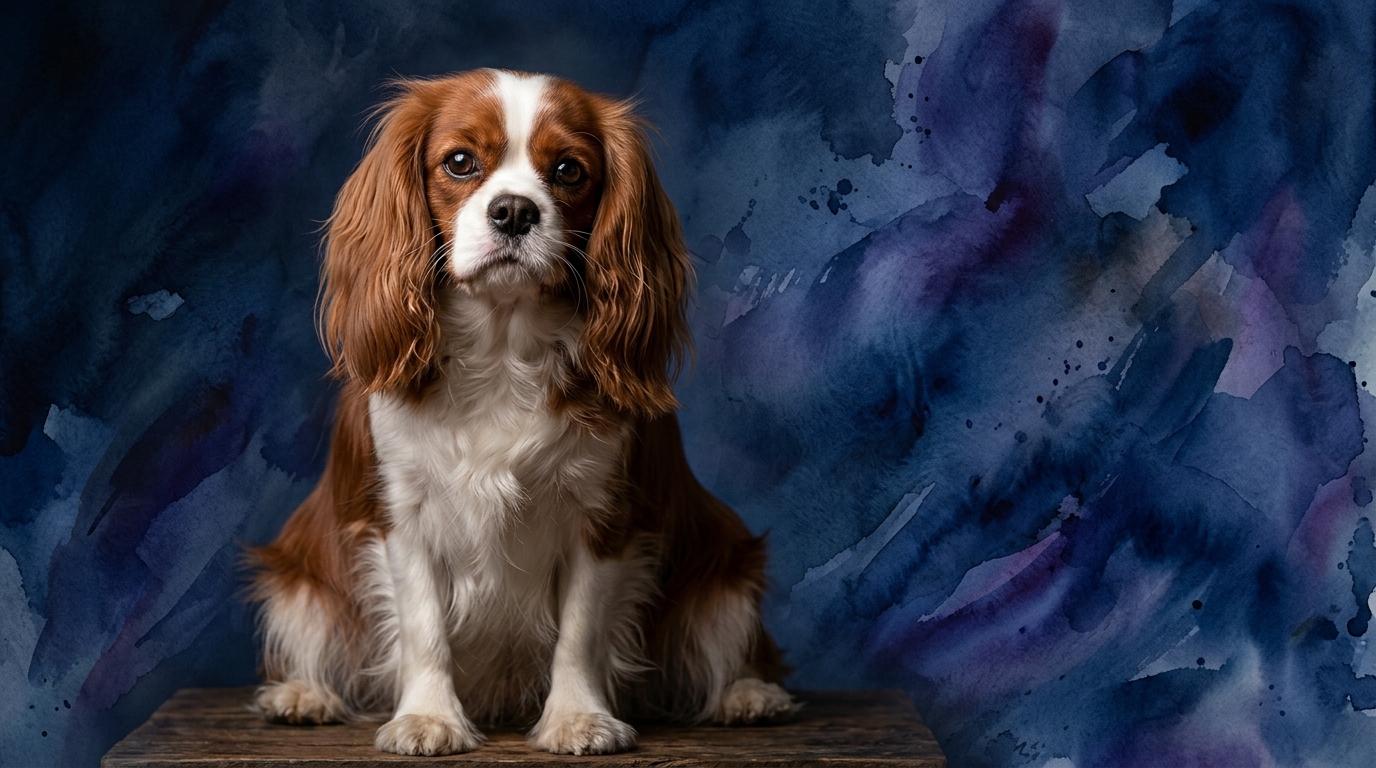
The Cosmic Pet Pet IQ Lab offers a unique lens through which to view canine cognition, breaking down intelligence into five key dimensions. For the Cavalier King Charles Spaniel, a breed Coren-ranked at #44, its cognitive profile paints a picture of a companion-oriented mind. Its Problem Solving is rated 3/5, indicating a moderate capacity to navigate novel situations or figure out how to achieve a goal, such as opening a simple latch or finding a hidden treat. Training Speed also sits at 3/5, suggesting a moderate pace for learning new commands and routines, neither exceptionally quick nor particularly slow. Where the Cavalier truly shines is in Social Intelligence, earning a perfect 5/5, reflecting an exceptional ability to interpret human cues, understand social dynamics, and form deep bonds. Instinctive Drive is 3/5, meaning its inherent breed-specific behaviors, like charming companionship, are present but not overwhelmingly strong or demanding. Finally, its Memory is 3/5, indicating a solid but not extraordinary capacity to recall learned information and past experiences.
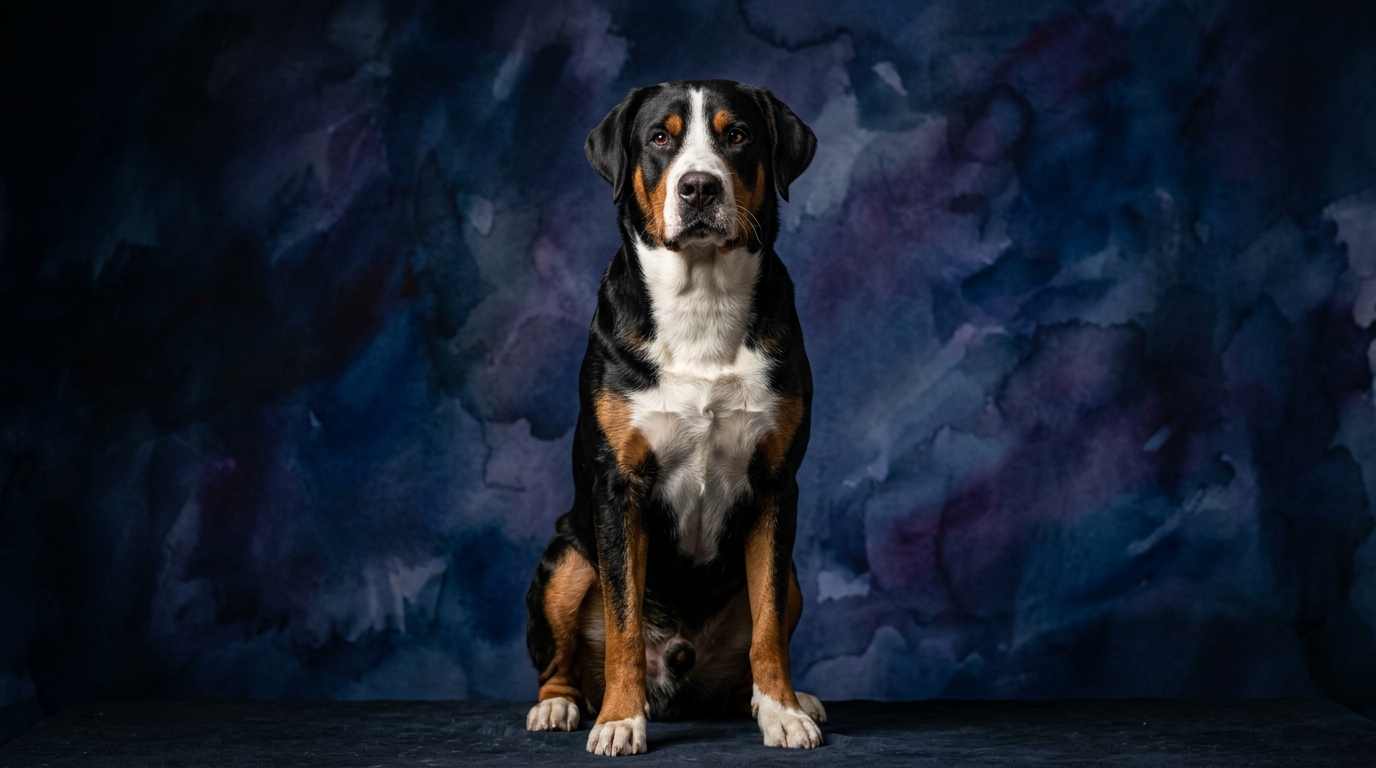
In contrast, the Greater Swiss Mountain Dog, an unranked Working breed, shares several numerical scores with the Cavalier, yet their underlying cognitive applications differ based on their heritage. Its Problem Solving is also 3/5, but this might manifest in more physically demanding or spatially aware tasks, such as navigating varied terrain or understanding complex sequences in a working context. Training Speed, like the Cavalier, is 3/5, suggesting a steady learning curve that benefits from consistency and clear communication. The Greater Swiss Mountain Dog's Social Intelligence is 3/5, indicating a capable understanding of social cues and interactions, but perhaps with a more independent streak compared to the highly attuned Cavalier. Its Instinctive Drive is 3/5, which for a Working dog might translate to a moderate but present inclination for tasks like drafting, guarding, or herding, requiring outlets for these inherent tendencies. Memory, too, is 3/5, providing a reliable recall for learned behaviors and environmental awareness, essential for a dog bred for practical duties.
Where the Cavalier King Charles Spaniel Excels Cognitively
The Cavalier King Charles Spaniel's most prominent cognitive strength lies in its exceptional Social Intelligence, scoring a remarkable 5/5. This isn't merely about being friendly; it signifies a profound ability to read and respond to human emotions and intentions. A Cavalier can often anticipate its owner's mood, offering comfort or initiating play based on subtle shifts in body language or tone of voice. They excel at forming strong, intuitive bonds, making them highly receptive to interaction and connection. This means they are often the first to notice if someone is upset and will readily offer gentle reassurance, or they might pick up on the subtle cues that indicate a walk is about to happen, showing excitement before the leash is even retrieved. Their high social awareness enables them to integrate seamlessly into family life, adapting their behavior to suit different household members and situations with remarkable grace. This deep social understanding makes them incredibly empathetic companions, capable of nuanced communication beyond simple commands.
Where the Greater Swiss Mountain Dog Excels Cognitively
While sharing many similar numerical scores, the Greater Swiss Mountain Dog's cognitive strengths are rooted in its working heritage, lending a different quality to its 3/5 ratings. Their Problem Solving, rated 3/5, often manifests in practical, real-world scenarios that demand physical engagement and environmental awareness. For instance, a Swissy might demonstrate its problem-solving by figuring out the most efficient path through a snowy yard, or by strategically maneuvering a cart around an obstacle during drafting practice. Their Instinctive Drive, also 3/5, is geared towards utility and purpose, which, when channeled, allows them to excel in tasks requiring strength, endurance, and a steady temperament. This drive isn't about frantic energy but a foundational inclination to engage in meaningful work, providing a sense of direction to their cognitive efforts. They possess a robust mental fortitude that enables them to handle demanding physical and environmental conditions, applying their moderate problem-solving and memory skills to tasks that require persistence and reliability over flashiness or speed. This cognitive resilience and grounded approach to challenges are distinct advantages for a working breed.
Training Aptitude: Which Breed is Easier to Train?
Both the Cavalier King Charles Spaniel and the Greater Swiss Mountain Dog share a Training Speed score of 3/5, suggesting they learn at a comparable, moderate pace. However, the Cavalier’s superior Social Intelligence (5/5) often gives it an edge in perceived ease of training. A Cavalier's strong desire to please and its exceptional ability to read human cues mean it is often highly attuned to its trainer's intentions and feedback. This makes them very responsive to positive reinforcement, eager to engage in training sessions as a form of social interaction and bonding. They are less likely to be distracted by independent thoughts or external stimuli when their focus is on their human, making them generally cooperative students. Their inherent charm and willingness to connect can smooth over any learning plateaus, as they are intrinsically motivated by human approval and affection.
The Greater Swiss Mountain Dog, with its Social Intelligence at 3/5, might present a different training dynamic. While capable learners, their more independent nature and working breed characteristics mean they may require a trainer to be more consistent and clear in their expectations. They might be less inherently driven by human approval alone, needing motivation tied to tasks or rewards that resonate with their sturdy, purposeful disposition. While not stubborn, a Swissy might take a moment longer to process a command or might test boundaries more frequently than a Cavalier, especially during adolescence. Successful training with a Greater Swiss Mountain Dog often involves leveraging their physical capabilities and providing clear structure, ensuring that training is seen as a cooperative effort rather than solely a social exchange. Consistency and patience are paramount to harness their steady learning speed effectively.
Matching Breeds to Lifestyles: Active vs. Relaxed Owners
For owners seeking a more relaxed lifestyle, the Cavalier King Charles Spaniel emerges as an ideal companion. Their moderate Instinctive Drive and generally lower exercise requirements mean they are content with regular walks and ample playtime indoors or in a secure yard. Their paramount need is for companionship; they thrive on being close to their people, making them perfectly suited for individuals or families who desire a constant, affectionate presence. A Cavalier will happily curl up on the couch for an evening, enjoying quiet time as much as a stroll around the block. Their high social intelligence makes them excellent emotional support animals, instinctively knowing when to offer comfort and always eager to participate in family activities, even if those activities are simply sitting together. They are adaptable to apartment living, provided their social needs are met consistently.
Conversely, the Greater Swiss Mountain Dog is a better fit for active owners prepared to meet the demands of a robust working breed. While their Instinctive Drive is rated 3/5, it manifests in a need for purposeful activity and physical exertion befitting their size and heritage. These dogs require consistent exercise, more than just a short walk; they benefit from hiking, drafting, carting, or other activities that engage both their bodies and their minds. Owners who enjoy outdoor adventures, participate in dog sports, or have a property where a Swissy can patrol and engage in meaningful 'work' will find this breed thrives. Their moderate social intelligence means they appreciate companionship but are not as intensely reliant on constant human interaction as the Cavalier, often happy to observe or engage in independent exploration once their exercise needs are satisfied. They are a loyal and protective presence for those who can integrate them into an active, structured lifestyle.
The Verdict: When to Choose Each Companion
Choosing between these two breeds hinges significantly on your lifestyle and what you seek in a canine companion. The Cavalier King Charles Spaniel is an excellent choice for individuals or families desiring an exceptionally affectionate, highly socially aware, and relatively low-maintenance companion who thrives on close human interaction and a more relaxed pace of life.
The Greater Swiss Mountain Dog is better suited for active owners who can provide consistent exercise, structured training, and opportunities for purposeful engagement, appreciating a loyal, sturdy, and somewhat more independent companion with a working heritage.
The Verdict
Choose the Cavalier King Charles Spaniel if you prioritize a deeply empathetic, highly social companion who thrives on constant human connection and a gentle, relaxed home environment.
Opt for the Greater Swiss Mountain Dog if you lead an active life and seek a robust, loyal partner capable of physical challenges and purposeful work, valuing a strong, steady presence.
🧠 Find Your Pet's IQ Score
Our Pet IQ Lab assessment covers 25+ tests across 5 cognitive dimensions — personalized to your breed.
Take the Full IQ Test →Frequently Asked Questions
Do Cavalier King Charles Spaniels need a lot of exercise?
Cavalier King Charles Spaniels have moderate exercise needs, typically satisfied with daily walks and indoor play. Their primary requirement is social interaction and companionship, making them adaptable to various living situations as long as they are with their people.
Are Greater Swiss Mountain Dogs good with children?
Greater Swiss Mountain Dogs can be excellent with children, often displaying a calm and patient demeanor when properly socialized and trained. Their sturdy build and protective instincts make them reliable family guardians, but supervision is always recommended with any breed.
How do their training speeds compare despite the same score?
While both breeds have a 3/5 training speed, the Cavalier's high social intelligence makes them very eager to please and responsive to human cues, often making training feel smoother. The Greater Swiss Mountain Dog, with a more independent social intelligence, may require more consistent, task-oriented motivation and clear structure to achieve the same learning outcomes.