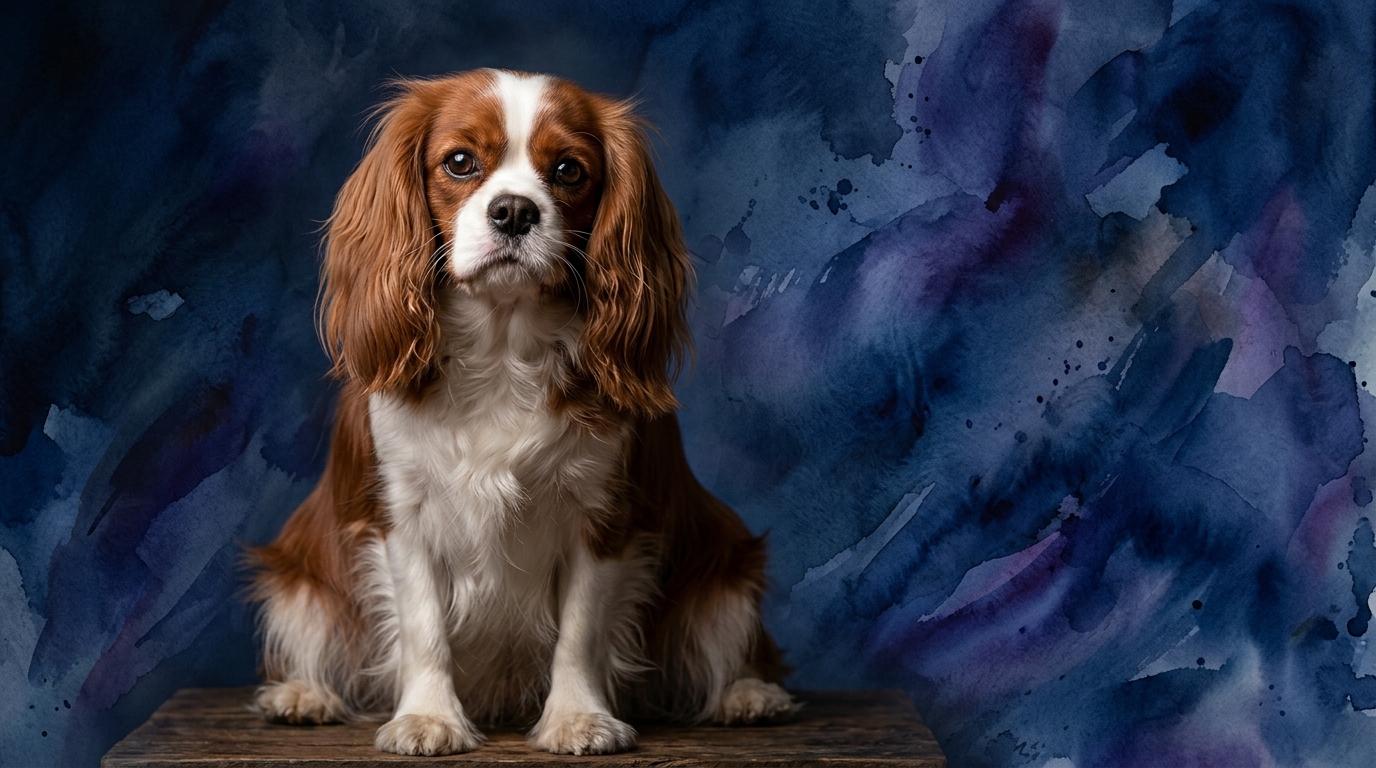
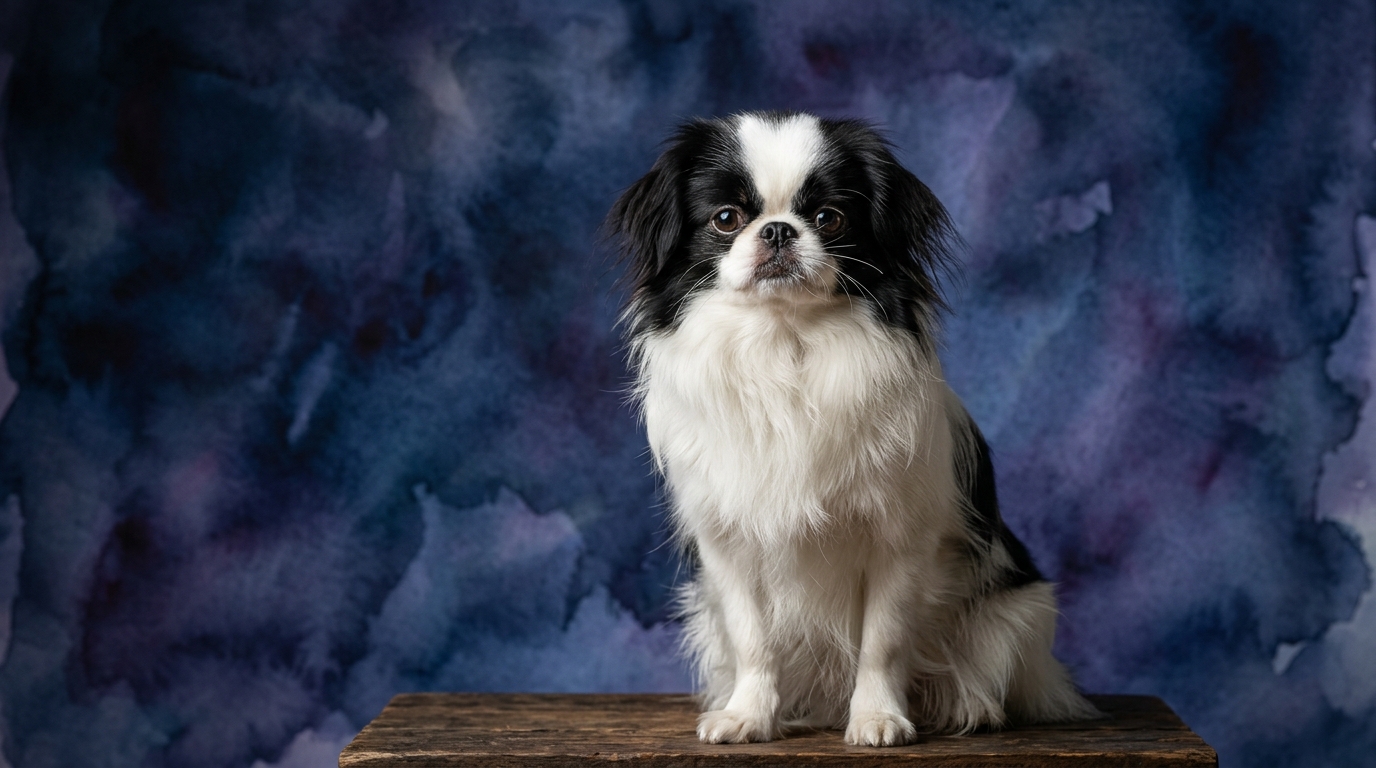
Side-by-Side Cognitive Profile: Cavalier vs. Chin
The Cosmic Pet Pet IQ Lab employs five key dimensions to evaluate canine intelligence, offering a granular view of how different breeds process the world. For the Cavalier King Charles Spaniel, ranked #44 by Stanley Coren, their cognitive blueprint includes a Problem Solving score of 3/5, indicating an aptitude for navigating straightforward challenges and figuring out simple puzzles with moderate effort. Their Training Speed is also 3/5, meaning they grasp new commands and routines at a respectable pace, typically requiring consistent repetition and positive reinforcement to solidify learning. A standout feature is their Social Intelligence at 5/5, reflecting an exceptional attunement to human emotions and social cues, often anticipating needs and seeking connection. Instinctive Drive sits at 3/5, manifesting as playful curiosity rather than intense focus, and their Memory is 3/5, allowing them to retain learned behaviors and recognize familiar people and places effectively.
The Japanese Chin, while not Coren-ranked, presents a balanced and consistent cognitive profile. Their Problem Solving ability is rated 3/5, indicating they can tackle basic tasks, like opening a treat-dispensing toy, with average success. Training Speed also aligns at 3/5, meaning they learn new behaviors at a consistent, moderate rate, responding best to positive, patient training methods. Their Social Intelligence is 3/5; while affectionate with their chosen people, their social awareness is generally focused on their immediate human companions rather than a broader social circle. Instinctive Drive is 3/5, often expressed as a gentle curiosity or a desire to follow their owner, rather than strong hunting or herding instincts. Finally, their Memory is 3/5, possessing a good recall for routines, people, and places, allowing them to adapt to consistent environments and schedules effectively.
Where the Cavalier King Charles Spaniel Excels Cognitively
The Cavalier's unparalleled social intelligence (5/5) truly sets it apart from the Japanese Chin. This dimension isn't merely about being friendly; it reflects a deep capacity to read and respond to human emotions and intentions with remarkable precision. A Cavalier might preemptively offer comfort when sensing distress, or intuitively adjust its behavior based on subtle shifts in a household's mood or energy. This profound attunement means they often integrate seamlessly into family dynamics, requiring less explicit communication to understand expectations. Their moderate problem-solving and training speed, combined with this elevated social intelligence, allows them to leverage human cues more effectively when learning, making them feel particularly responsive and empathetic companions in daily interactions.
Where the Japanese Chin Demonstrates Unique Cognitive Strengths
While the data indicates similar scores across most dimensions, the Japanese Chin's cognitive strengths often manifest differently, particularly in their independent yet observant nature. Their moderate social intelligence (3/5), compared to the Cavalier's 5/5, suggests they are less driven by a constant need for deep emotional reciprocation from a broad audience. Instead, a Chin might excel in quiet observation, processing their environment and the behavior of their core family unit with a focused, almost cat-like discernment. This can translate into a charming self-sufficiency and a unique brand of companionship that values subtle interactions and a calm, dignified presence over constant, effusive engagement. Their consistent 3/5 across the board points to a balanced, reliable cognitive profile that isn't prone to extremes, making them predictable and steady learners within their scope of interest.
Trainability: Who Learns Faster and Why?
Both breeds are rated 3/5 for training speed, suggesting they learn at a moderate, consistent pace. However, the Cavalier King Charles Spaniel might *feel* easier to train for many owners due to its superior social intelligence (5/5). This means Cavaliers are often more motivated by pleasing their human companions and are quicker to pick up on subtle cues during training sessions. They are more likely to seek interaction and respond strongly to positive reinforcement that involves social praise and connection, making them enthusiastic participants. For instance, a Cavalier might adjust its posture or action based on a trainer's slight frown or encouraging tone, showing their responsiveness to human feedback.
Conversely, the Japanese Chin, with its 3/5 social intelligence, might require more explicit commands and tangible rewards like treats to maintain focus and motivation. While trainable, their learning isn't as intrinsically linked to mirroring human emotional states; they are more driven by the direct outcome of the training interaction. This doesn't imply difficulty, but rather a need for consistent, patient methods and a clear communication style to achieve desired behaviors. A Chin's training journey may require a slightly different approach, focusing on clarity and reward rather than relying heavily on social appeasement.
Matching Cognitive Profiles to Owner Lifestyles
For owners seeking a highly interactive and emotionally responsive companion, the Cavalier King Charles Spaniel is often a better fit. Their high social intelligence makes them eager participants in family activities, whether it's a gentle walk in the park or cuddling on the couch. They thrive on connection and consistent human presence, finding deep contentment in being an integral, emotionally attuned part of their owner's daily life. This makes them ideal for owners who enjoy a dog deeply sensitive to their moods and routines, offering comfort and companionship without constant demands for physical exertion.
Conversely, the Japanese Chin, with its more balanced and self-contained social intelligence, suits owners who appreciate a calmer, more independent companion. While affectionate and deeply devoted to their chosen family, they are often content to observe from a distance, enjoying quiet companionship without demanding constant attention. They are well-suited for relaxed owners who prefer a dog that can entertain itself or simply enjoy a peaceful presence by their side, perhaps with bursts of playful activity. Their cognitive profile suggests a companion who offers a serene and dignified presence, rather than an intensely interactive one, fitting into a quieter lifestyle seamlessly.
The Verdict
Opt for a Cavalier King Charles Spaniel if you prioritize a deeply empathetic and socially responsive companion who thrives on constant connection and mirrors your emotional landscape. Their outstanding social intelligence makes them exceptionally intuitive family members, eager to participate in your life and offer comfort.
Select a Japanese Chin if you appreciate a more independent yet affectionate companion with a calm demeanor, content to observe and enjoy quiet moments by your side. Their balanced cognitive profile makes them predictable and charming companions for relaxed households seeking a subtle, devoted presence.
🧠 Find Your Pet's IQ Score
Our Pet IQ Lab assessment covers 25+ tests across 5 cognitive dimensions — personalized to your breed.
Take the Full IQ Test →Frequently Asked Questions
Do Cavalier King Charles Spaniels need a lot of mental stimulation?
While their problem-solving is moderate, Cavaliers benefit from mental engagement through interactive toys and consistent training to keep their minds active. Their high social intelligence also means they are stimulated by engaging deeply with their human family.
Are Japanese Chins difficult to train because they aren't Coren-ranked?
Not at all. The absence of a Coren ranking simply means they weren't included in that specific study, not that they inherently lack trainability. Their 3/5 training speed indicates they learn at a moderate, steady pace with positive reinforcement.
Which breed is better for first-time dog owners?
Both breeds can be suitable for first-time owners due to their generally gentle temperaments. However, the Cavalier's eagerness to please and strong social attunement might make the initial training and bonding process feel slightly more intuitive for a novice.