Side-by-Side IQ Profile: Cavalier vs. Keeshond
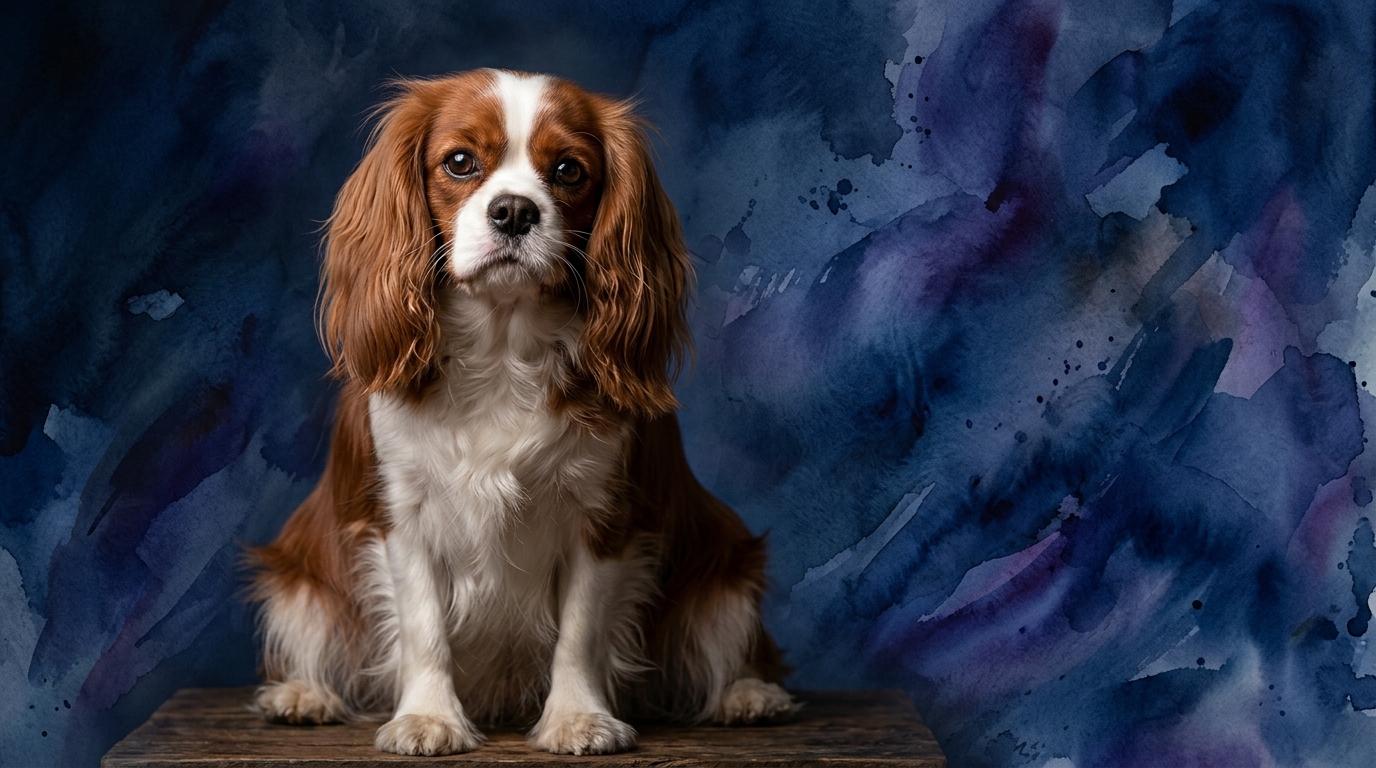
The Cosmic Pet Pet IQ Lab employs five key dimensions to map a breed's intelligence, offering a nuanced view of their cognitive strengths. For the Cavalier King Charles Spaniel (Coren rank #44), we observe a profile geared towards companionship. Their Problem Solving is rated 3/5, indicating a moderate capacity for independent thought in novel situations; they can grasp simple environmental puzzles but might need more guidance for complex challenges. Training Speed stands at 3/5, meaning they learn new commands at a steady, consistent pace, responding well to positive reinforcement and patience. Where they truly excel is Social Intelligence, scoring a perfect 5/5, reflecting an exceptional ability to read human emotions and adapt their behavior for harmony. Their Instinctive Drive is 3/5, showing a gentle inclination towards ancestral behaviors like scent following, but these are typically mild. Finally, their Memory is 3/5, solid for routines and commands but potentially requiring occasional refreshers for less frequent tasks.
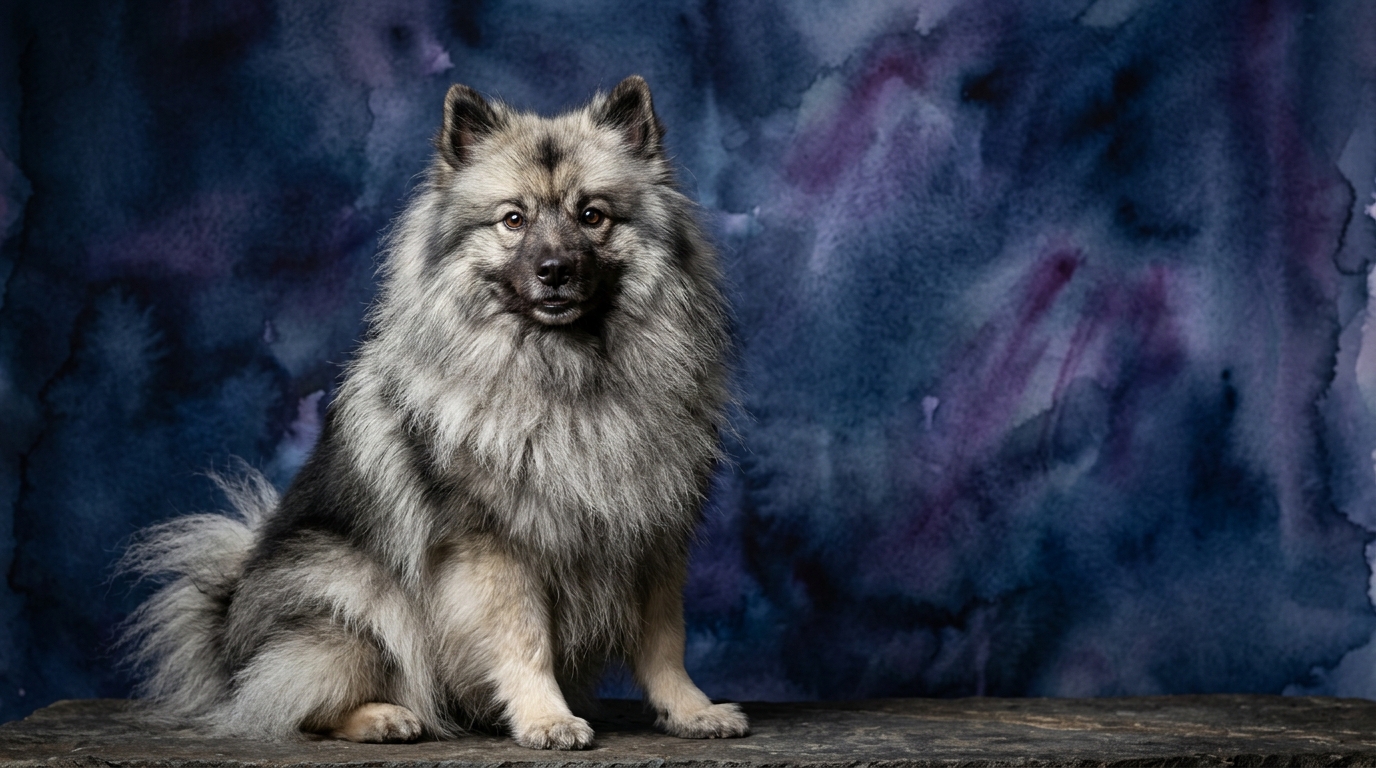
The Keeshond (Coren rank #16), in contrast, presents a more task-oriented cognitive profile. Their Problem Solving is a robust 4/5, demonstrating a strong aptitude for independent thought and strategic navigation of challenges, often figuring out how to achieve desired outcomes. Training Speed is also 4/5, signifying a rapid absorption of new information and commands, making them efficient learners who thrive on mental engagement. Their Social Intelligence is 3/5, indicating a good understanding of family dynamics, but often with more reservation towards strangers compared to the Cavalier. Instinctive Drive is 3/5, similar to the Cavalier, though their historical role as watchdogs often manifests as alertness and vocalization. The Keeshond's standout trait is Memory, scoring an impressive 5/5, ensuring they retain learned commands, routines, and experiences with remarkable longevity and recall.
Where the Cavalier King Charles Spaniel Wins Cognitively
The Cavalier's unparalleled 5/5 in social intelligence allows them to truly excel as emotional companions. They possess an innate ability to perceive and respond to the subtle nuances of human emotion, offering comfort with a gentle nudge or a reassuring presence. This deep empathy means they often anticipate their owner's needs, whether it's snuggling closer during a sad moment or playfully engaging when spirits are high. Their capacity for social attunement makes them profoundly responsive to human cues, fostering an exceptionally strong bond that goes beyond simple obedience. This isn't just about being friendly; it's about a sophisticated understanding of relational dynamics and a desire to be an integral, harmonious part of the family unit.
Where the Keeshond Wins Cognitively
The Keeshond's cognitive strengths lie in their practical application of intellect. Their 4/5 in problem-solving means they are more likely to independently devise solutions to environmental challenges, such as figuring out how to open a cabinet or retrieve a dropped toy from an awkward space. This inventive streak is supported by their 4/5 training speed, allowing them to grasp complex tasks and sequences of commands with fewer repetitions. Moreover, their exceptional 5/5 memory ensures that once a lesson is learned, it is deeply ingrained, making them highly reliable in performing learned behaviors over time. This combination makes them adept at trick training, agility, and other activities requiring sustained mental effort and recall.
Training Aptitude: Which is Easier to Train and Why?
Based on the IQ scores, the Keeshond (Training Speed 4/5, Problem Solving 4/5, Memory 5/5) generally presents as the breed more efficient to train for complex tasks and consistent command execution. Their quicker comprehension and superior memory mean they will pick up new commands and routines with fewer repetitions and retain them for longer periods. For instance, teaching a multi-step agility course or a complex trick like 'fetch specific item' would likely progress faster with a Keeshond due to their ability to quickly grasp sequences and recall them reliably. Their inclination to solve problems also means they might try to figure out what you want from them, rather than solely relying on rote repetition, which can accelerate the learning process for an engaged owner. They thrive on mental stimulation, making training a rewarding activity for both dog and handler.
The Cavalier (Training Speed 3/5, Problem Solving 3/5, Memory 3/5), while certainly trainable, requires more patience and consistency. Their training is highly motivated by their strong social intelligence and desire to please; they want to make you happy. However, their moderate training speed and memory mean that new concepts might take longer to solidify, and refreshers could be more frequent, especially for less common commands. For example, a Cavalier might take more sessions to reliably 'stay' for extended periods in distracting environments, and may need more consistent practice to maintain that skill. While they might not excel at complex trick training as readily as a Keeshond, their eagerness to connect makes them highly responsive to positive, relationship-based training methods for foundational obedience, provided the owner maintains a consistent and encouraging approach.
Lifestyle Match: Active vs. Relaxed Owners
For active owners seeking a partner for mental and physical engagement, the Keeshond is often a more suitable match. Their higher problem-solving aptitude and quicker training speed mean they thrive on activities that challenge their intellect, such as advanced obedience, rally, agility, or even canine freestyle. They enjoy having a 'job' to do, and their robust memory allows them to excel in sports requiring intricate sequences. While not needing extreme physical exertion, they appreciate consistent mental stimulation and moderate daily exercise like long walks or engaging play sessions. An owner who enjoys teaching new skills and participating in dog sports will find the Keeshond a willing and capable student, eager to learn and perform, making them an excellent companion for an intellectually stimulating lifestyle.
For relaxed owners prioritizing emotional connection and a gentle presence, the Cavalier King Charles Spaniel is an ideal choice. Their exceptional social intelligence makes them superb companions who are content with a more laid-back lifestyle, as long as they are deeply integrated into family life. They thrive on companionship and physical closeness, often happy to curl up on a lap or follow their owner from room to room. Their moderate energy levels are satisfied with daily walks and indoor play, and their primary cognitive 'activity' often revolves around understanding and responding to their human's emotional state. An owner who values a profoundly empathetic and affectionate presence above canine sports or complex training will find the Cavalier to be an unmatched emotional anchor, perfectly suited for a calm, companion-centric home.
The Verdict
Opt for a Cavalier if your primary desire is an exceptionally empathetic, emotionally attuned companion who thrives on deep social connection and offers unwavering affection in a calm home environment.
Select a Keeshond if you seek a mentally agile, trainable partner eager for intellectual challenges and consistent engagement, excelling in learning and retaining complex tasks.
🧠 Find Your Pet's IQ Score
Our Pet IQ Lab assessment covers 25+ tests across 5 cognitive dimensions — personalized to your breed.
Take the Full IQ Test →Frequently Asked Questions
Is a Keeshond good with children?
Keeshonden are generally good with children, especially those they are raised with, due to their loyal and family-oriented nature. However, their watchdog instincts mean they might be more reserved or vocal around unfamiliar children or boisterous play.
Do Cavalier King Charles Spaniels bark a lot?
Cavaliers are not typically excessive barkers. They might bark to alert their owners to visitors or unfamiliar sounds, but their social intelligence often means they can be easily redirected and prefer quiet companionship over constant vocalizations.
Which breed is better for first-time dog owners?
Both breeds can be suitable, but for different reasons. The Cavalier's strong desire to please and lower training difficulty for basic obedience makes them forgiving, while the Keeshond's quick learning and memory can be rewarding for owners willing to engage in consistent mental stimulation.