Side-by-Side IQ Profile: Cavalier vs. Buhund
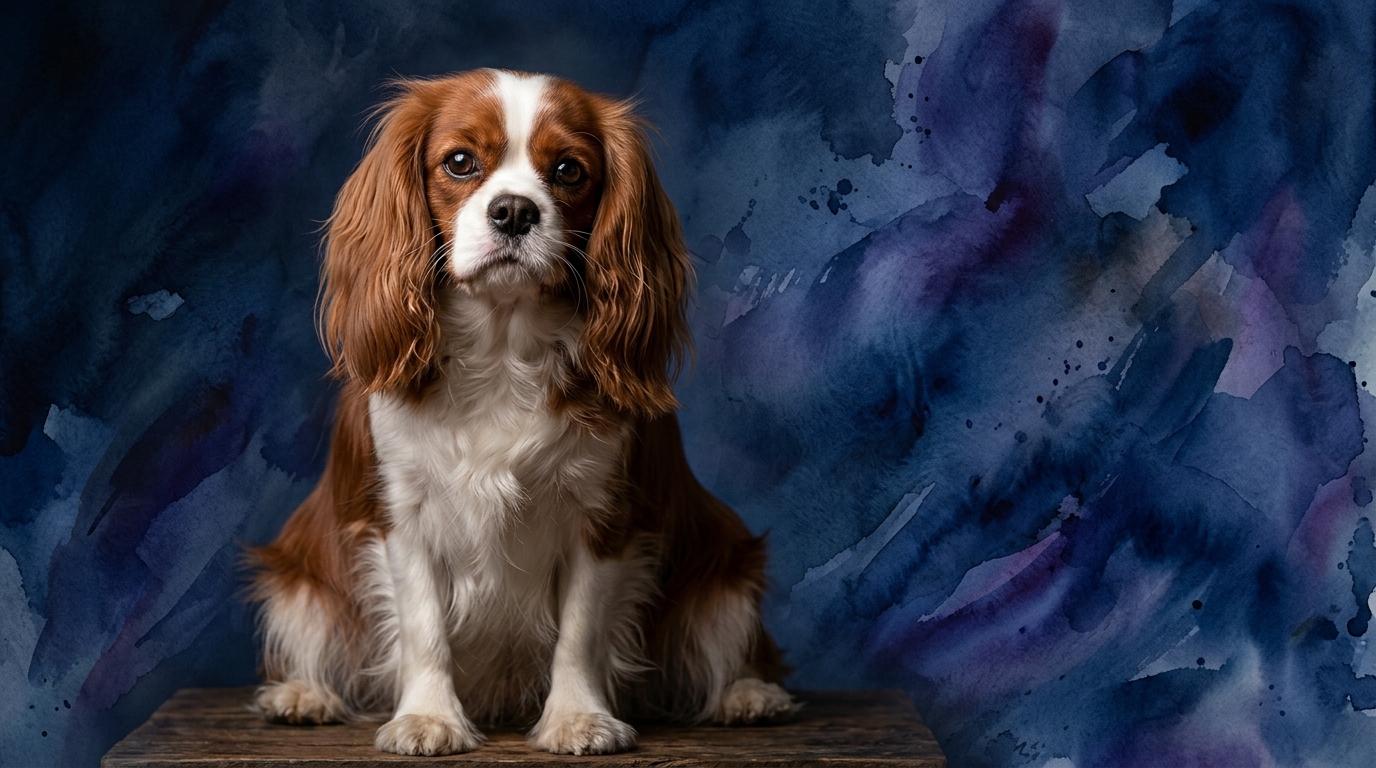
The Cosmic Pet Pet IQ Lab employs a five-dimensional framework to assess canine intelligence, offering a detailed look beyond general perceptions. For the Cavalier King Charles Spaniel, categorized as a Toy breed and holding a Coren rank of #44, its cognitive blueprint is centered around companionship. It scores 3/5 in Problem Solving, indicating a capacity for understanding routines and simple environmental challenges, but not an inclination for complex independent tasks. Its Training Speed is also 3/5, suggesting a responsive nature that benefits from consistent, positive reinforcement methods. Where the Cavalier truly shines is in Social Intelligence, earning a perfect 5/5, reflecting its exceptional ability to read and respond to human emotions and social cues. Instinctive Drive stands at 3/5, focusing more on connection than on specialized working tasks, and its Memory is 3/5, sufficient for daily routines and learned commands.
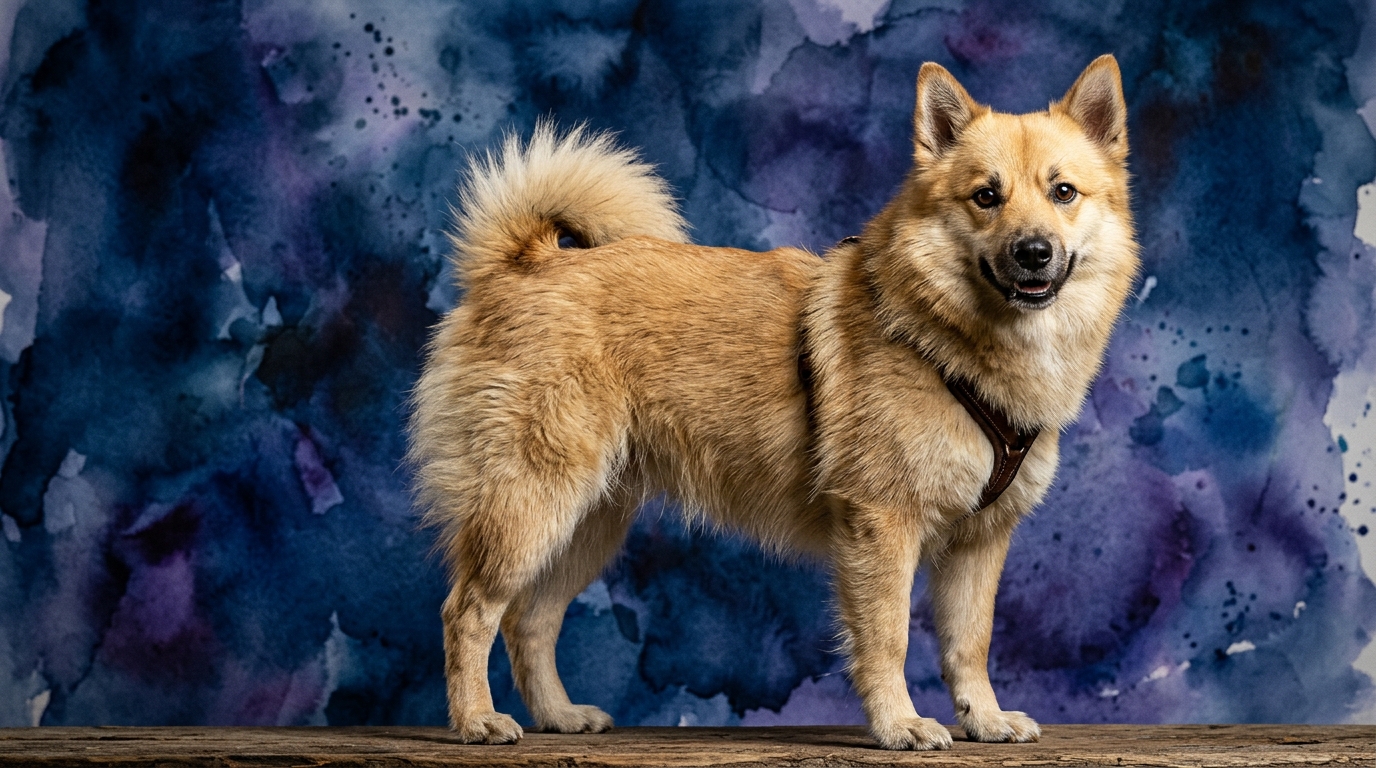
In contrast, the Norwegian Buhund, a Herding breed without a specific Coren rank, presents a more balanced, utilitarian cognitive profile. It matches the Cavalier with a 3/5 in Problem Solving, demonstrating practical intelligence for navigating its environment, albeit not for abstract puzzles. Its Training Speed is 3/5, indicating a capacity to learn but also a potential for independence rooted in its herding heritage, necessitating engaging and clear instruction. Social Intelligence for the Buhund is 3/5; while affectionate with its family, it's generally more reserved with strangers and less universally adaptable in diverse human social settings than the Cavalier. Instinctive Drive is 3/5, manifesting as a drive for vigilance and 'flock' management, typical of a herding dog, and its Memory is 3/5, adequate for recalling tasks and boundaries essential for its historical role.
Where the Cavalier King Charles Spaniel Wins Cognitively
The Cavalier King Charles Spaniel's undisputed cognitive strength lies in its exceptional Social Intelligence, scoring a rare 5/5. This isn't merely about being friendly; it's a profound ability to interpret subtle human emotional states, intentions, and non-verbal cues. A Cavalier can often sense an owner's mood, offering comfort or playful distraction with an uncanny intuition, making them unparalleled emotional support companions. Their entire cognitive architecture seems optimized for seamless integration into human family life, adapting effortlessly to various social dynamics and environments as long as they are by their person's side.
This superior social cognition also translates into an inherent desire to please and connect, which, while reflected in its 3/5 Training Speed, is underpinned by a deep understanding of the human-canine bond. They excel at 'reading the room,' making them highly adaptable pets in diverse social situations, from quiet evenings at home to bustling family gatherings. Their intellect is finely tuned to the nuances of companionship, making them experts in reciprocal emotional engagement rather than independent task execution.
Where the Norwegian Buhund Wins Cognitively
The Norwegian Buhund's cognitive advantages stem from its history as a working herding dog, which imbues its 3/5 Instinctive Drive with a distinct purpose. While its Problem Solving score is 3/5, this breed demonstrates a practical intelligence geared towards environmental awareness and vigilance. Buhunds possess a natural aptitude for surveying their surroundings, identifying potential threats, and acting as diligent guardians of their family 'flock.' This isn't abstract problem-solving, but rather an applied intelligence in real-world scenarios, such as strategically barking at an approaching stranger or subtly 'herding' family members together.
Their cognitive strengths are also evident in their resilience and adaptability to varied, often challenging, environments. Their intellect is robust, allowing them to make independent judgments based on observation, a trait crucial for herding dogs who often work without constant human direction. This translates into a mentally hardy dog that, when properly stimulated, finds cognitive satisfaction in purposeful activity and observation, rather than solely through direct human interaction.
Which is Easier to Train and Why
When comparing training ease, both breeds score 3/5 in Training Speed, yet their underlying behavioral drivers create different experiences. The Cavalier King Charles Spaniel often feels 'easier' for a novice owner due to its exceptionally high Social Intelligence and strong desire to please. Cavaliers are highly motivated by affection and positive reinforcement, quickly associating commands with rewards and the positive emotional feedback from their human. Their gentle nature means they respond best to soft voices and consistent, encouraging methods, making them highly responsive to guidance. However, their sensitivity means harsh training methods can be counterproductive, potentially leading to anxiety or shutdown, and their moderate instinctive drive means they aren't naturally inclined towards complex, independent tasks.
The Norwegian Buhund, while equally capable of learning, presents a different training dynamic. Its herding background fosters a degree of independence and a strong will, meaning training requires engaging methods, clear boundaries, and a handler who can consistently provide leadership. Buhunds are intelligent and can quickly grasp concepts, but they might also use their problem-solving skills to test boundaries or find creative ways around commands if not properly motivated or challenged. They thrive on varied training that taps into their working intellect, requiring more than just rote memorization of commands. For an owner prepared to channel this drive and independence, the Buhund can be a highly rewarding and capable student; for a more relaxed owner, their independence might pose a greater challenge than the Cavalier's eager-to-please nature.
Which Suits Active Owners vs. Relaxed Owners
The divergent cognitive profiles and inherent drives of these two breeds make them suitable for distinctly different owner lifestyles. The Cavalier King Charles Spaniel, with its moderate instinctive drive (3/5) and supreme social intelligence (5/5), is an ideal match for relaxed owners. They thrive on companionship, gentle daily walks, and being an integral, comforting presence in the home. Their cognitive strengths are best utilized in an emotionally rich, calm environment where their primary 'job' is to connect and be present. They do not demand intense physical exertion or complex mental puzzles, finding contentment in close human interaction and predictable routines.
Conversely, the Norwegian Buhund, with its herding heritage and moderate instinctive drive (3/5) geared towards vigilance and activity, is best suited for active owners. This breed requires significant daily physical exercise, such as long walks, runs, or engaging play sessions, to prevent boredom and channel its energy constructively. Furthermore, their cognitive abilities are best expressed when given a 'job' or regular mental stimulation through activities like agility, obedience training, or even herding trials. Active owners who enjoy outdoor adventures and can provide consistent training and mental challenges will find the Buhund a highly engaged and rewarding companion, utilizing its cognitive robustness and purposeful drive.
The Verdict: When to Choose Each
The Verdict
Choose the Cavalier King Charles Spaniel if you seek an exceptionally attuned, affectionate, and emotionally intuitive companion who thrives on close connection and gentle routines in a relaxed home environment.
Opt for the Norwegian Buhund if you are an active, experienced owner prepared to engage a vigilant, independent-thinking dog in consistent training, outdoor adventures, and provide mental challenges to satisfy its working breed intellect.
🧠 Find Your Pet's IQ Score
Our Pet IQ Lab assessment covers 25+ tests across 5 cognitive dimensions — personalized to your breed.
Take the Full IQ Test →Frequently Asked Questions
Are Cavaliers good with other pets?
Their high social intelligence often extends to other animals, making them generally adaptable and friendly companions in multi-pet households, provided proper introductions are made. They typically seek harmony rather than dominance.
Do Norwegian Buhunds bark a lot?
As a herding and alert breed, Buhunds can be quite vocal, using their bark to communicate warnings or express excitement. Consistent training and early socialization are crucial to manage this instinctive tendency effectively.
Which breed is better for apartment living?
The Cavalier King Charles Spaniel is generally better suited for apartment living due to their lower exercise needs and strong desire for indoor companionship. Norwegian Buhunds, while adaptable, thrive with more space and outdoor access to fulfill their higher activity requirements.