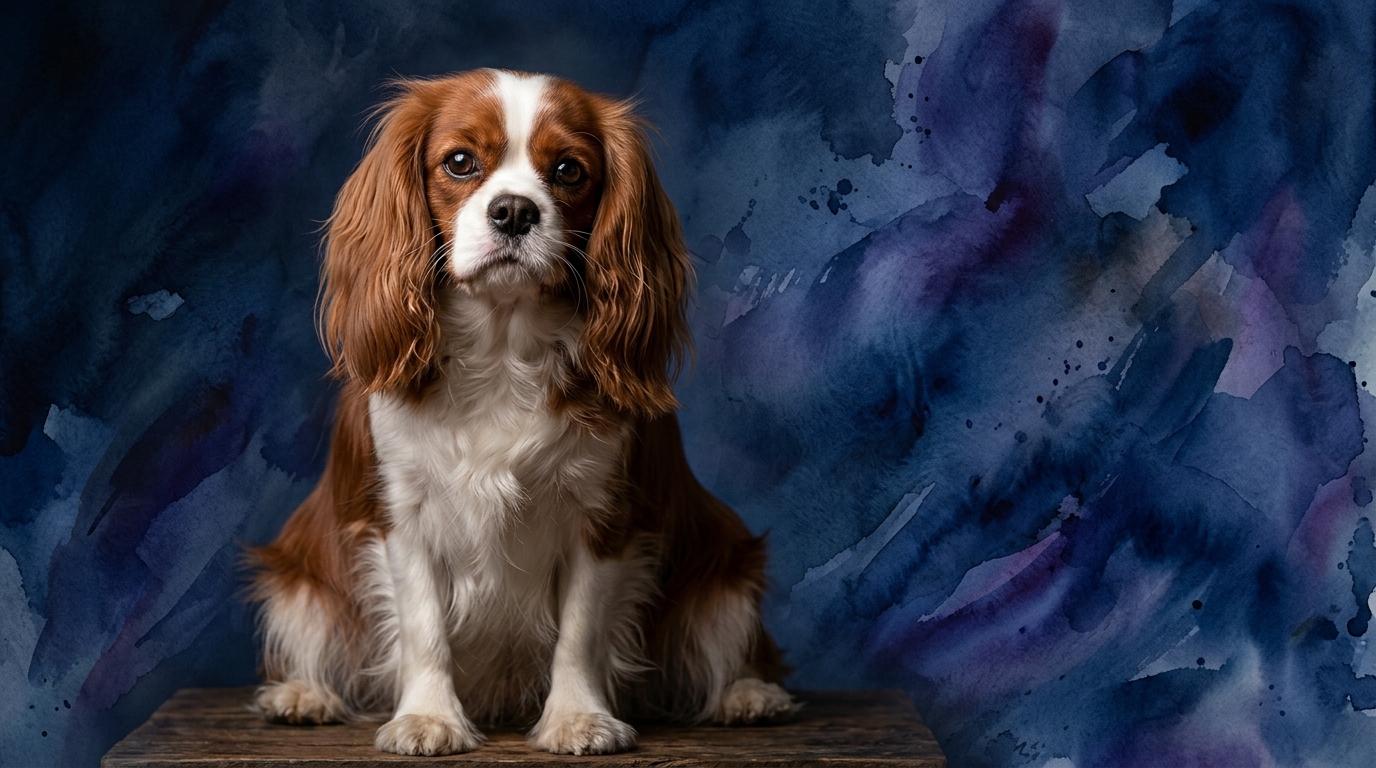
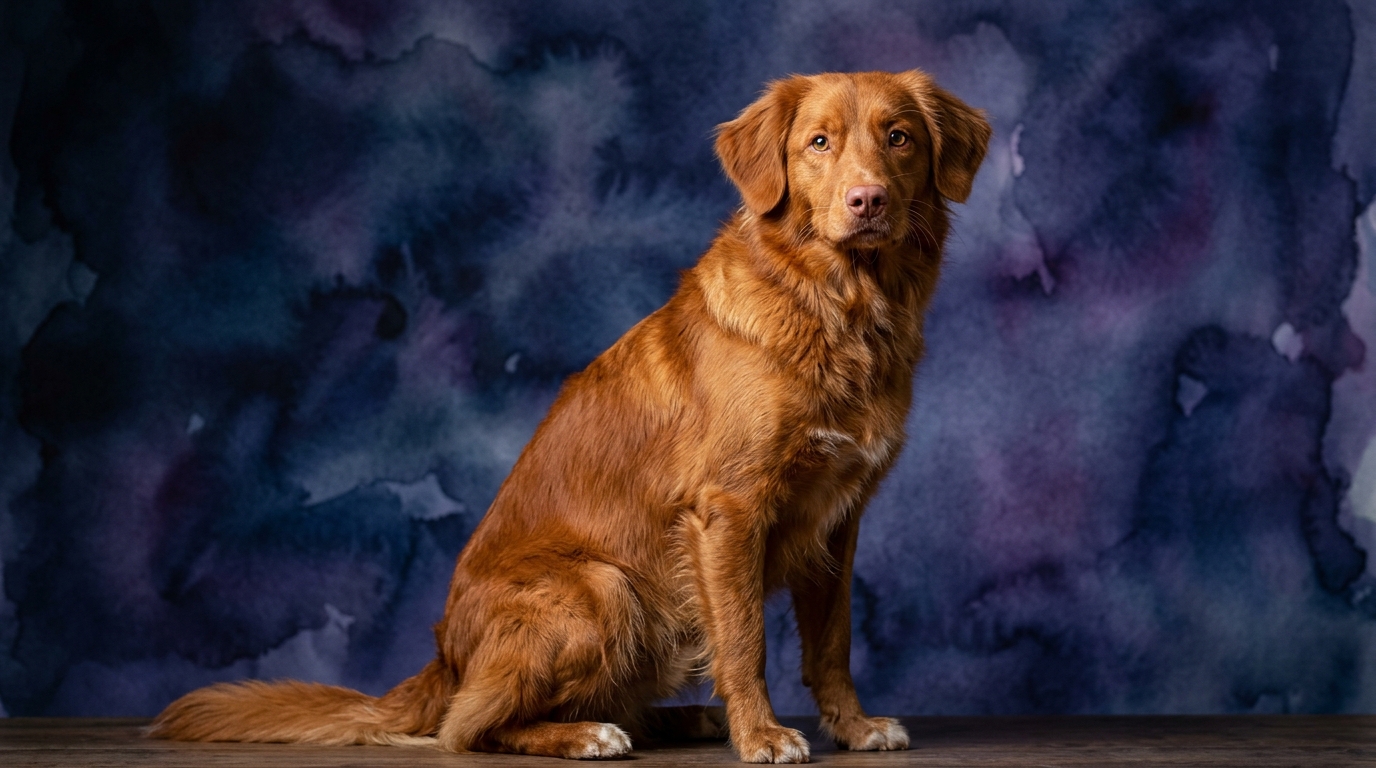
Side-by-Side IQ Profile: Cavalier King Charles Spaniel vs. Nova Scotia Duck Tolling Retriever
The Cavalier King Charles Spaniel, a cherished companion breed, registers a Coren rank of #44, placing them above average in obedience intelligence. Their IQ profile shows Problem Solving at 3/5, Training Speed at 3/5, Social Intelligence at a remarkable 5/5, Instinctive Drive at 3/5, and Memory at 3/5. This blend suggests a dog whose cognitive strengths lean heavily into understanding and interacting with humans, making them highly attuned to social cues and emotional nuances. Their moderate scores in other areas indicate a capability for learning and adapting, but perhaps without the intense drive for complex, independent tasks.
In contrast, the Nova Scotia Duck Tolling Retriever, a diligent sporting breed, is not Coren-ranked, suggesting their unique working intelligence might not fit conventional obedience metrics or they are less widely represented in those studies. Their IQ profile presents a balanced set of scores: Problem Solving 3/5, Training Speed 3/5, Social Intelligence 3/5, Instinctive Drive 3/5, and Memory 3/5. This consistent scoring across all dimensions points to a well-rounded, practical intelligence, where each cognitive skill is developed to support their historical role as a luring and retrieving specialist, rather than excelling in one specific area to the detriment of others.
Where the Cavalier King Charles Spaniel Excels Cognitively
The Cavalier King Charles Spaniel's undeniable cognitive triumph lies in their exceptional Social Intelligence, scoring a perfect 5/5. This isn't merely about being friendly; it reflects a profound capacity to read and respond to human emotions and intentions. A Cavalier can often sense an owner's mood, offering comfort during distress or initiating play during moments of joy. They excel at subtle communication, using eye contact, body language, and gentle nudges to convey their needs or desires, often making them feel incredibly intuitive to their human companions. This high social acumen also aids in their adaptability, allowing them to integrate smoothly into various household dynamics and adjust their behavior to suit different social situations.
Their moderate Problem Solving (3/5) and Training Speed (3/5) are often amplified by this social intelligence; they learn quickly when the motivation is pleasing their beloved people. A Cavalier might not independently figure out a complex puzzle box designed for a working breed, but they are adept at solving 'human puzzles' – like how to get extra cuddles, determine the best time to ask for a walk, or subtly influence decisions within the family unit. Their memory (3/5) is sufficient for retaining familiar routines and the preferences of their household members, further cementing their role as an emotionally intelligent companion.
Where the Nova Scotia Duck Tolling Retriever Wins Cognitively
The Nova Scotia Duck Tolling Retriever's cognitive strengths are rooted in the practical application of their balanced 3/5 scores across the board, particularly within their instinctive drive and problem-solving capabilities. Their Instinctive Drive (3/5) is finely tuned for their original purpose: luring and retrieving waterfowl. This isn't just a physical urge; it involves cognitive processes like observation, strategic planning (e.g., assessing the quickest path to a retrieve), and persistent focus on a task, even when faced with distractions or challenging terrain. They display a purposeful engagement that differentiates their drive from a general playfulness.
Their Problem Solving (3/5) is geared towards real-world, dynamic challenges. A Toller might excel at figuring out how to navigate a complex outdoor environment to locate a hidden retrieve, rather than a structured indoor puzzle. This translates to an aptitude for dog sports like agility, scent work, or competitive obedience where they must string together multiple commands and adapt to changing conditions. Their Memory (3/5) supports the retention of complex sequences of commands and the recall of specific locations or scents, crucial for successful fieldwork. While their Social Intelligence is 3/5, it's a functional connection that allows for cooperative partnership in tasks, rather than the deep emotional attunement seen in the Cavalier.
Which is Easier to Train and Why
When considering ease of training, both breeds score 3/5 in Training Speed, yet their underlying motivations and behavioral tendencies lead to different training experiences. The Cavalier King Charles Spaniel, with their high social intelligence, often appears easier to train for basic manners because they possess a strong desire to please their human companions. They respond exceptionally well to positive reinforcement, praise, and affection. However, their moderate instinctive drive means they might not be intrinsically motivated by complex, repetitive drills or tasks that lack a direct social reward. Consistency and making training feel like a shared, enjoyable activity are crucial, as they can become bored if the process isn't engaging or doesn't involve interaction with their person. Their learning is often driven by the social bond.
The Nova Scotia Duck Tolling Retriever, while also scoring 3/5 in Training Speed, approaches learning with a more task-oriented mindset, driven by their balanced instinctive drive. They thrive on having a purpose and excel when training taps into their natural retrieving and problem-solving abilities. Tollers are often eager learners for activities like fetch, agility, or scent work, where they can utilize their mental and physical energy. However, their independence and focus on the task at hand mean they might not be as overtly driven by social appeasement as a Cavalier. Trainers need to provide clear, consistent instructions and channel their energy into productive outlets. While they may require more mental stimulation to stay engaged, their practical intelligence allows them to grasp multi-step commands and adapt to new challenges effectively once motivated by the task itself.
Which Suits Active Owners vs. Relaxed Owners
The Cavalier King Charles Spaniel is an ideal fit for relaxed owners who prioritize companionship and emotional connection. Their moderate instinctive drive means they are content with gentle daily walks, playtime in the yard, and ample cuddle time on the sofa. Their exceptional social intelligence allows them to thrive in environments where they are an integral part of family life, often preferring to be near their people rather than engaged in strenuous independent activities. They adapt well to quieter households and are excellent emotional support animals, requiring mental engagement primarily through social interaction and gentle training rather than complex tasks.
Conversely, the Nova Scotia Duck Tolling Retriever is best suited for active owners who can provide consistent mental and physical stimulation. Their balanced cognitive profile, particularly their instinctive drive and practical problem-solving, means they need more than just a walk around the block. Tollers thrive on activities like long hikes, retrieving games, dog sports such as agility or flyball, and any task that engages their mind and body. Owners who enjoy outdoor adventures, participate in dog training classes, or have a lifestyle that allows for structured play and exercise will find the Toller to be an enthusiastic and capable partner. Without adequate outlets for their energy and intelligence, a Toller can become bored and potentially develop undesirable behaviors.
The Verdict
Choose a Cavalier King Charles Spaniel if you seek an emotionally astute, adaptable companion who excels at social interaction and thrives in a relaxed home environment, valuing comfort and connection above intense activity.
Opt for a Nova Scotia Duck Tolling Retriever if you desire an energetic, purposeful partner for outdoor adventures and dog sports, who enjoys problem-solving challenges and requires consistent mental and physical engagement.
🧠 Find Your Pet's IQ Score
Our Pet IQ Lab assessment covers 25+ tests across 5 cognitive dimensions — personalized to your breed.
Take the Full IQ Test →Frequently Asked Questions
Are Cavalier King Charles Spaniels good at dog sports?
While Cavaliers are capable of learning, their moderate instinctive drive means they might not have the same intrinsic motivation for high-intensity dog sports as working breeds. They can certainly participate and enjoy activities like obedience or rally, especially if it involves quality time with their owner, but they often excel more in roles focused on companionship and emotional support rather than competitive athleticism.
How does a Toller's 'instinctive drive' manifest differently from other breeds?
A Toller's instinctive drive is specifically geared towards their retrieving heritage, meaning it manifests as a strong urge for focused, purposeful work like fetching, searching for hidden items, or engaging in water activities. Unlike a general prey drive or playfulness, it's often accompanied by a cognitive strategy and persistence, making them excellent partners for tasks requiring sustained effort and problem-solving within a defined goal.
Do both breeds require a lot of mental stimulation?
Both breeds benefit from mental stimulation, but the *type* differs significantly. Cavaliers thrive on social interaction, gentle training, and being involved in daily family life. Tollers require more structured and vigorous mental challenges, such as puzzle toys, training for complex tasks, or participating in dog sports, to satisfy their balanced problem-solving and instinctive drives and prevent boredom.