Side-by-Side IQ Profile: Cavalier King Charles Spaniel vs. Otterhound
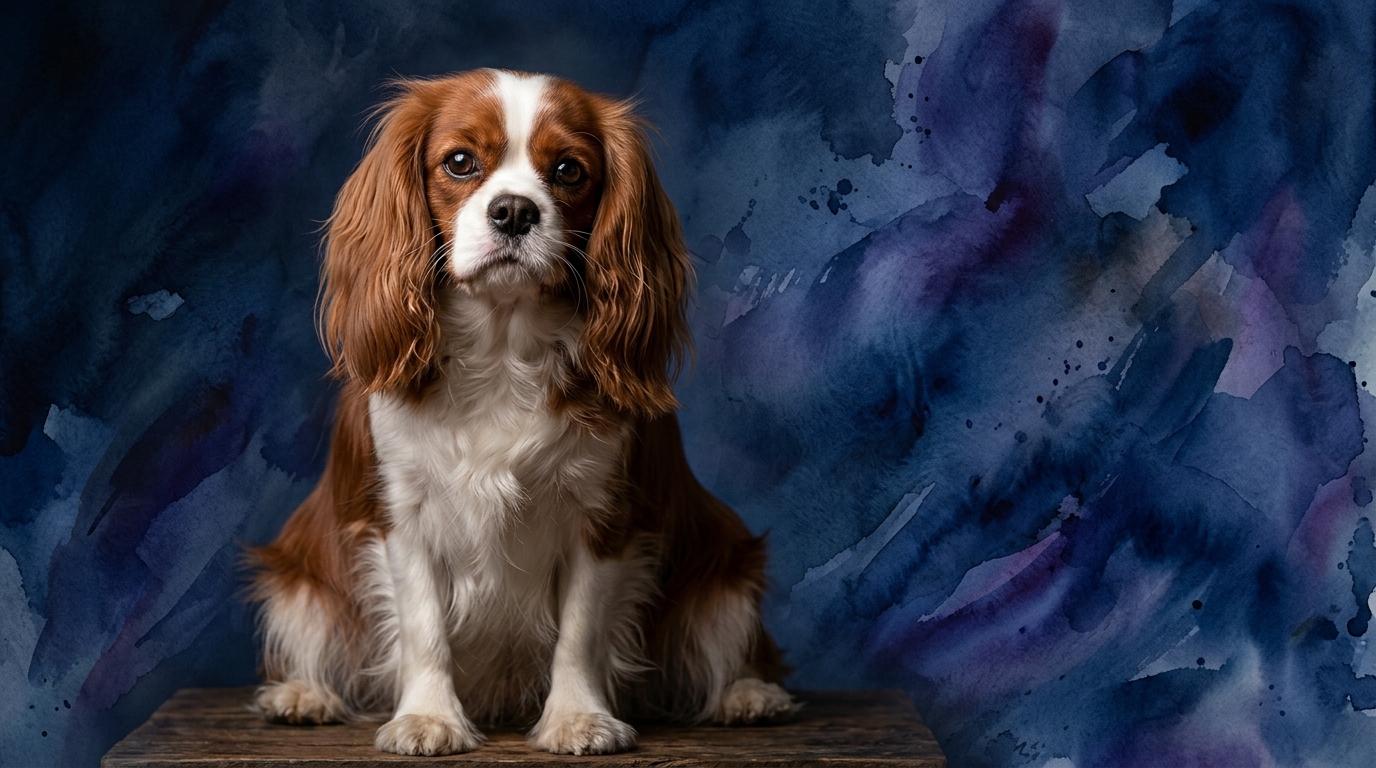
The Cosmic Pet Pet IQ Lab employs a comprehensive five-dimensional framework to assess canine intelligence, offering a detailed look at how different breeds process information and interact with their world. For the Cavalier King Charles Spaniel, a breed historically cherished for companionship, its cognitive profile reflects a strong leaning towards social engagement. Its Problem Solving is rated at 3/5, indicating a moderate ability to navigate novel situations and figure out solutions independently. Training Speed, also at 3/5, suggests it learns new commands and routines at an average pace, responsive but not exceptionally quick. Where the Cavalier truly shines is in Social Intelligence, scoring an impressive 5/5. This signifies an exceptional capacity to understand human emotions, cues, and intentions, making them deeply attuned to their family members. Instinctive Drive sits at 3/5, meaning their inherent behaviors, while present, are not overwhelmingly dominant or specialized in areas like hunting or guarding. Finally, their Memory is rated 3/5, indicating a solid ability to retain learned information and experiences over time.
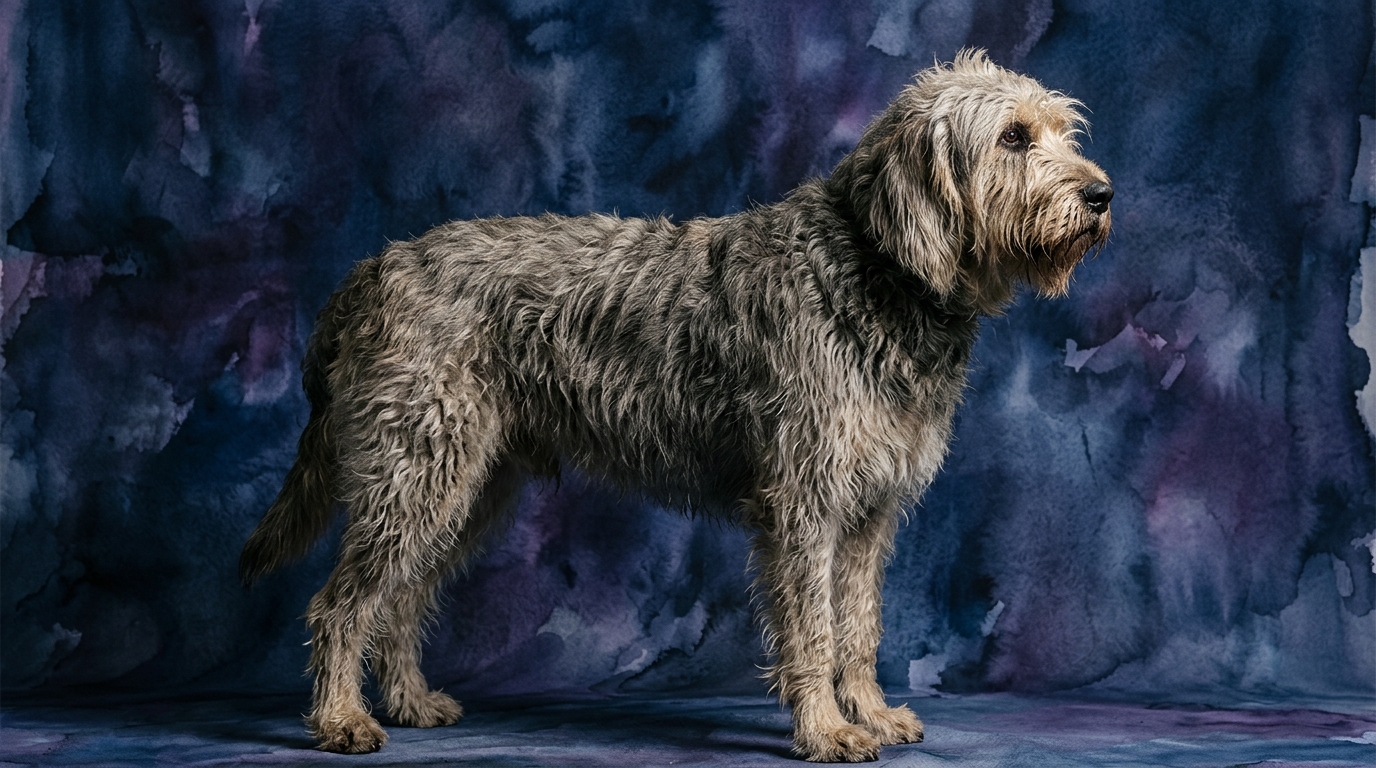
In contrast, the Otterhound, a robust scent hound developed for hunting otters, presents a distinct cognitive blueprint. Its Problem Solving ability mirrors the Cavalier at 3/5, suggesting a similar capacity for independent thought when faced with challenges, often driven by its primary instincts. Training Speed is also rated 3/5, implying an average learning curve for commands, though the context of its drive might influence the perceived ease of training. The most notable difference lies in Social Intelligence, where the Otterhound scores 3/5. While capable of forming bonds, this score suggests they are less overtly people-focused than the Cavalier, often maintaining a more independent demeanor. Their Instinctive Drive, also 3/5, is specifically oriented towards scent work and persistence, meaning while the score is numerically similar to the Cavalier, its *manifestation* is geared towards hunting and tracking. Like the Cavalier, the Otterhound’s Memory is rated 3/5, allowing it to remember scent trails, past experiences, and learned behaviors effectively within its specialized role.
Where the Cavalier King Charles Spaniel Wins Cognitively
The Cavalier King Charles Spaniel's cognitive strengths are most evident in its unparalleled social intelligence. Scoring 5/5 in this dimension, the Cavalier exhibits an exceptional ability to read and respond to human emotional states and subtle cues. This means they are remarkably intuitive companions, often anticipating their owner's needs or moods without explicit commands. They excel at forming deep, empathetic connections, making them highly responsive to praise and gentle correction. This strong social acumen translates into a dog that integrates seamlessly into family life, often seeking out interaction and thriving on companionship, understanding the nuances of domestic routines and relationships far more readily than many other breeds. Their capacity for emotional attunement makes them particularly adept at roles like therapy dogs, where sensitivity to human feelings is paramount.
Where the Otterhound Wins Cognitively
While the Otterhound's scores might appear numerically similar or lower in some areas, its cognitive wins are deeply rooted in its specialized purpose and inherent hound nature. Its 3/5 Instinctive Drive, while matching the Cavalier numerically, is profoundly specialized for scent work and relentless tracking. This breed possesses an extraordinary olfactory processing capability and an unwavering determination to follow a scent trail, demonstrating a focused, persistent form of problem-solving specific to its hunting heritage. This isn't about solving abstract puzzles but about methodically unraveling complex scent information over challenging terrain. Their robust independence, stemming from a 3/5 Social Intelligence, allows them to operate effectively without constant human direction, a necessary trait for a dog expected to work autonomously in the field. This independence, coupled with their strong memory for scent and terrain, makes them formidable in tasks requiring endurance and singular focus on a sensory goal.
Which is Easier to Train and Why
When comparing trainability, the Cavalier King Charles Spaniel generally presents a more straightforward and rewarding experience for the average owner, despite both breeds sharing a 3/5 Training Speed score. The key differentiator lies in the Cavalier's superior Social Intelligence (5/5). This profound attunement to human emotions and desire to please means the Cavalier is highly motivated by positive reinforcement and actively seeks to understand and comply with human expectations. They are eager to engage, maintain eye contact, and respond well to verbal praise and affection, which makes the training process feel collaborative and enjoyable. Their lower instinctive drive (3/5, not specialized for strong independent action) also means fewer competing internal motivations distracting them from human-led tasks. They are typically more forgiving of novice trainers and less likely to become bored or stubborn.
Which Suits Active Owners vs. Relaxed Owners
For owners leading a more relaxed or moderately active lifestyle, the Cavalier King Charles Spaniel is an excellent match. Their 3/5 Instinctive Drive is perfectly suited for companionship, enjoying walks and play but not demanding intense, sustained physical output. Their high Social Intelligence means they thrive on close human interaction and are content with being a central part of family activities, whether it's a stroll around the block or cuddling on the couch. They adapt well to various living situations, from apartments to houses, as long as they receive consistent attention and affection. Their moderate problem-solving and memory scores indicate they are capable of learning routines and enjoying enrichment toys, but they aren't prone to destructive behaviors born from under-stimulation in the same way a highly driven working breed might be.
The Verdict: When to Choose Each Breed
The Verdict
Choose the Cavalier King Charles Spaniel if you seek an emotionally intelligent, affectionate companion who thrives on close interaction and adapts readily to a relaxed family lifestyle. They are ideal for owners who prioritize an intuitive, responsive bond and are prepared for moderate exercise and consistent positive reinforcement in training.
Opt for the Otterhound if you are an active owner who appreciates an independent, scent-driven companion and is prepared to channel its natural instincts into structured activities like tracking or long exploratory walks. They are best suited for those who value a robust, persistent dog with a unique personality and can provide ample mental and physical stimulation.
🧠 Find Your Pet's IQ Score
Our Pet IQ Lab assessment covers 25+ tests across 5 cognitive dimensions — personalized to your breed.
Take the Full IQ Test →Frequently Asked Questions
Is the Cavalier King Charles Spaniel good with children?
Yes, their high social intelligence and gentle disposition make Cavalier King Charles Spaniels generally excellent with children. They are patient and affectionate, often forming strong bonds with younger family members, provided interactions are supervised and respectful.
Do Otterhounds require a lot of grooming?
Otterhounds have a rough, shaggy double coat that requires regular grooming to prevent matting and remove loose hair. Weekly brushing and occasional stripping or trimming are typically needed to maintain their coat's health and appearance, along with attention to their distinct beard and ears.
Which breed is more prone to separation anxiety?
Due to their exceptionally high social intelligence and strong desire for companionship, Cavalier King Charles Spaniels are generally more prone to developing separation anxiety if left alone for extended periods. Otterhounds, with their more independent nature, tend to cope better with solitude, though no dog should be left alone excessively.