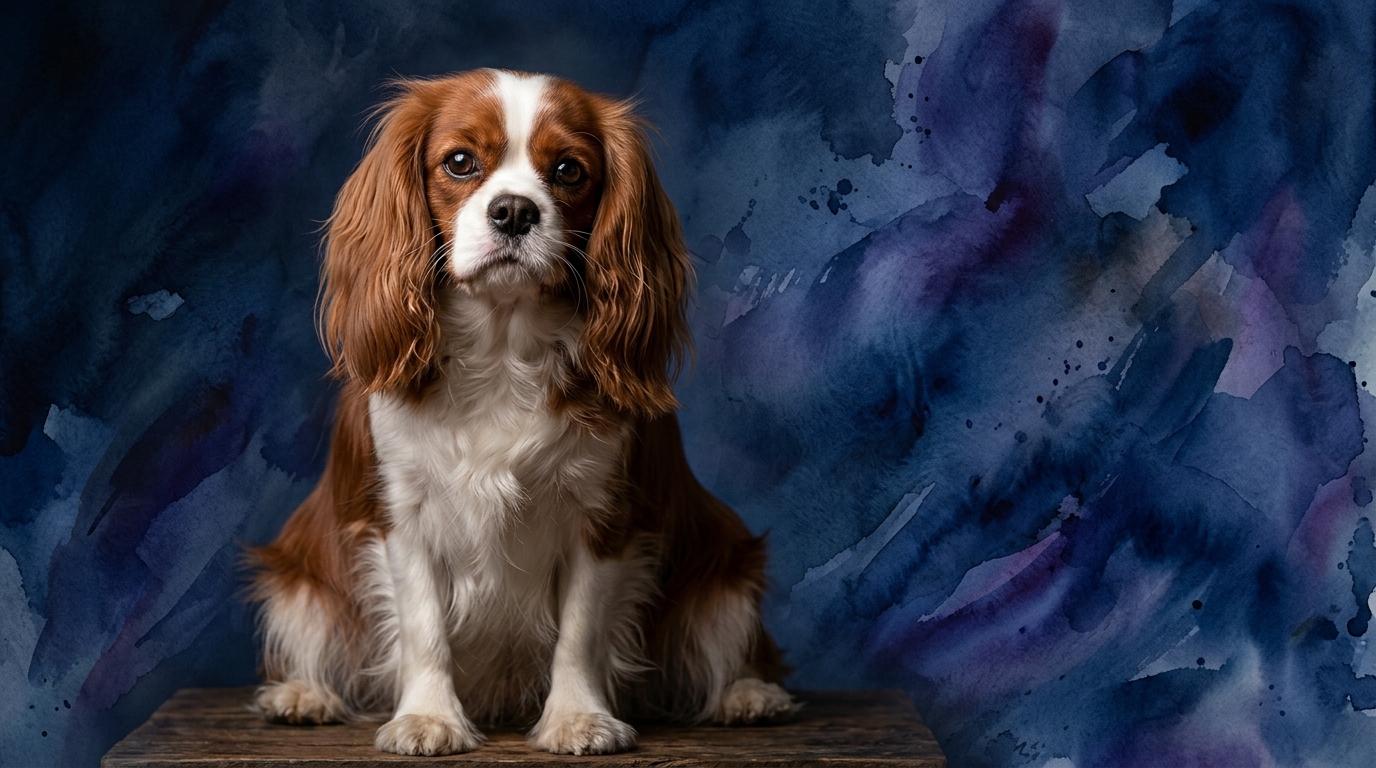
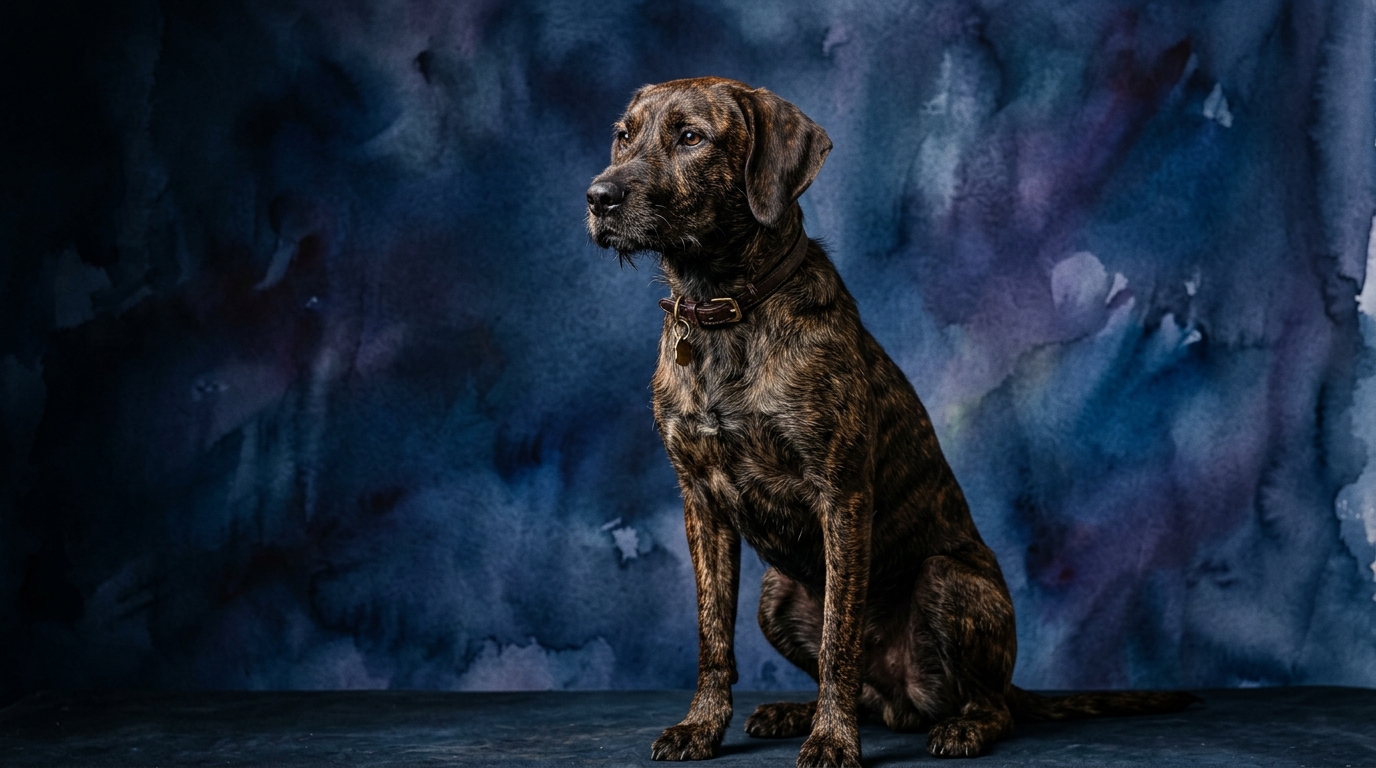
Side-by-Side IQ Profile
The Cavalier King Charles Spaniel, a cherished toy breed ranking #44 on the Coren intelligence scale, exhibits a distinct cognitive blueprint. Their problem-solving abilities, rated 3/5, typically manifest in navigating social situations or understanding household routines, often employing charm rather than complex strategizing. Training speed, also 3/5, indicates they are moderately quick to pick up new commands when properly motivated, thriving on positive reinforcement and a strong bond with their handler. The Cavalier truly shines in social intelligence, scoring a remarkable 5/5. This dimension reflects their exceptional capacity to read and respond to human emotions, understand social cues, and form deep, empathetic connections, making them highly attuned companions. Their instinctive drive, at 3/5, is largely geared towards companionship and maintaining proximity to their human family. Memory, rated 3/5, allows them to retain learned behaviors and recognize familiar people and places with moderate consistency, contributing to their reliability as family pets.
The Plott Hound, a powerful and tenacious hunting breed, does not appear on the Coren ranking, reflecting a cognitive profile less focused on general obedience and more on specialized working intelligence. Their problem-solving skills, also 3/5, are acutely honed for practical, real-world challenges, such as tracking a complex scent trail through varied terrain or overcoming minor environmental obstacles encountered during a hunt. This is about persistent, goal-oriented navigation. Training speed, matching the Cavalier at 3/5, suggests they can learn new commands at a similar pace, but their motivation often stems from the task itself or a strong working relationship, rather than solely pleasing an owner. The Plott's social intelligence, rated 3/5, indicates they are capable of forming bonds and interacting appropriately, but typically exhibit a more independent and less overtly empathetic demeanor compared to the highly people-focused Cavalier. Their instinctive drive, also 3/5, is profoundly directed towards their ancestral purpose: tracking and baying game. This drive is a deep-seated compulsion that shapes their entire cognitive approach. Memory, at 3/5, serves them well in recalling trails, identifying familiar scents, and remembering training cues relevant to their work, though perhaps less focused on intricate social interactions.
Where Cavalier King Charles Spaniel Wins Cognitively
The Cavalier King Charles Spaniel's undeniable cognitive strength lies in their exceptional social intelligence, scoring a perfect 5/5. This is not merely about being friendly; it's a sophisticated ability to perceive and interpret human emotional states, respond with comforting gestures, and adapt their behavior to maintain harmony within their social group. They demonstrate a remarkable capacity for empathy, often anticipating their owner's needs or moods without explicit commands. This highly developed social cognition makes them unparalleled companions, capable of forming incredibly deep, intuitive bonds that transcend simple obedience. Their ability to integrate seamlessly into a family unit, understanding its dynamics and contributing to its emotional well-being, is a testament to this profound cognitive advantage.
Where Plott Hound Wins Cognitively
While the raw scores for instinctive drive are the same (3/5), the Plott Hound's cognitive triumph lies in the highly specialized and intense application of this drive for their specific purpose. Their instinctive drive is not a general urge; it's a finely tuned, ancient mechanism for scent discrimination, relentless tracking, and focused pursuit. This cognitive specialization allows them to interpret complex olfactory information, maintain focus over long periods despite distractions, and exhibit extraordinary persistence in following a trail. This unique blend of sensory processing and unwavering determination represents a significant cognitive specialization that allows them to excel in tasks few other breeds could manage with such dedication. Their problem-solving, though rated similarly, is intrinsically linked to overcoming obstacles in pursuit of this drive, demonstrating a practical, goal-oriented application of their mental faculties.
Which Is Easier to Train and Why
When considering ease of training, the Cavalier King Charles Spaniel generally presents a more straightforward experience for the average owner. Both breeds share a 3/5 training speed, meaning they learn at a moderate pace. However, the Cavalier's superior social intelligence (5/5) is the key differentiator. They possess a strong desire to please their human companions and are highly motivated by praise, affection, and positive social interaction. This eagerness to connect and their sensitivity to human cues make them highly responsive to training, often eager to cooperate to earn approval.
The Plott Hound, while equally capable of learning at a 3/5 speed, can be more challenging due to their lower social intelligence (3/5) and powerful, independent instinctive drive (3/5). Plotts were bred to work independently, often out of sight and sound of their handler, focusing on a scent trail rather than human direction. This means they can be less inherently motivated by pleasing their owner and more by their own internal drive or the thrill of the chase. Training a Plott requires immense patience, consistency, and methods that engage their natural drives, often incorporating scent work or tracking to maintain their interest. Their independence can translate into a perceived stubbornness if training isn't tailored to their breed-specific motivations and cognitive leanings.
Which Suits Active Owners vs Relaxed Owners
The Cavalier King Charles Spaniel is an ideal match for more relaxed owners who prioritize companionship and gentle interaction. Their moderate instinctive drive means they are content with regular, but not overly strenuous, exercise such as daily walks and playtime in the yard. Their high social intelligence means they thrive on close human contact and participation in family life, making them excellent indoor companions perfectly suited for cuddling on the couch or accompanying owners on errands. They adapt well to various living situations as long as they receive consistent affection and attention, making them suitable for apartment dwellers or those with less active lifestyles.
Conversely, the Plott Hound is unequivocally suited for active owners who can provide ample opportunities for physical and mental engagement, particularly those that tap into their strong instinctive drives. Their breed purpose demands significant exercise, ideally involving scent work, hiking, or long runs in secure areas. A Plott Hound deprived of sufficient activity and mental stimulation can become bored and destructive, channeling their powerful drive into less desirable behaviors. Owners who enjoy outdoor adventures, hunting, or dog sports like tracking and agility will find the Plott a dedicated and energetic partner, thriving in environments where their unique cognitive strengths can be utilized. Their independence also means they appreciate owners who respect their working nature and provide outlets for it.
The Verdict
Choose the Cavalier King Charles Spaniel if your priority is an empathetic, highly social companion who thrives on close emotional connection and integrates seamlessly into a relaxed family lifestyle.
Opt for the Plott Hound if you are an active individual or family seeking a tenacious, independent partner for outdoor adventures and can provide consistent outlets for their powerful tracking instincts.
🧠 Find Your Pet's IQ Score
Our Pet IQ Lab assessment covers 25+ tests across 5 cognitive dimensions — personalized to your breed.
Take the Full IQ Test →Frequently Asked Questions
Do Cavaliers or Plotts need more mental stimulation?
Both breeds benefit from mental stimulation, but in different ways. Cavaliers thrive on social interaction, gentle puzzle toys, and learning new tricks for affection. Plotts require more challenging mental engagement tied to their hunting instincts, such as scent games, tracking exercises, or complex command sequences that utilize their focus and persistence.
How do their memory scores (3/5) differ in practical terms?
While both score 3/5 for memory, its application varies significantly. A Cavalier's memory might be more focused on remembering faces, routines, and social cues within a social context, while a Plott's memory is keenly tuned to recalling scent trails, specific commands related to their work, and the layout of hunting grounds over time.
Can a Plott Hound be a good family pet despite its strong instincts?
Yes, a Plott Hound can be a wonderful family pet, but it requires an owner committed to managing and channeling their strong instincts through consistent training, extensive exercise, and mental enrichment. They are loyal and affectionate with their families, though often more reserved and less overtly demonstrative than a Cavalier, valuing a working partnership.