A Side-by-Side Look at Their IQ Profiles
The Cosmic Pet Pet IQ Lab employs a five-dimensional framework to unravel the intricacies of canine intelligence, moving beyond simple obedience to encompass a broader spectrum of cognitive abilities. By examining Problem Solving, Training Speed, Social Intelligence, Instinctive Drive, and Memory, we gain a nuanced understanding of how different breeds process their world and interact within it.
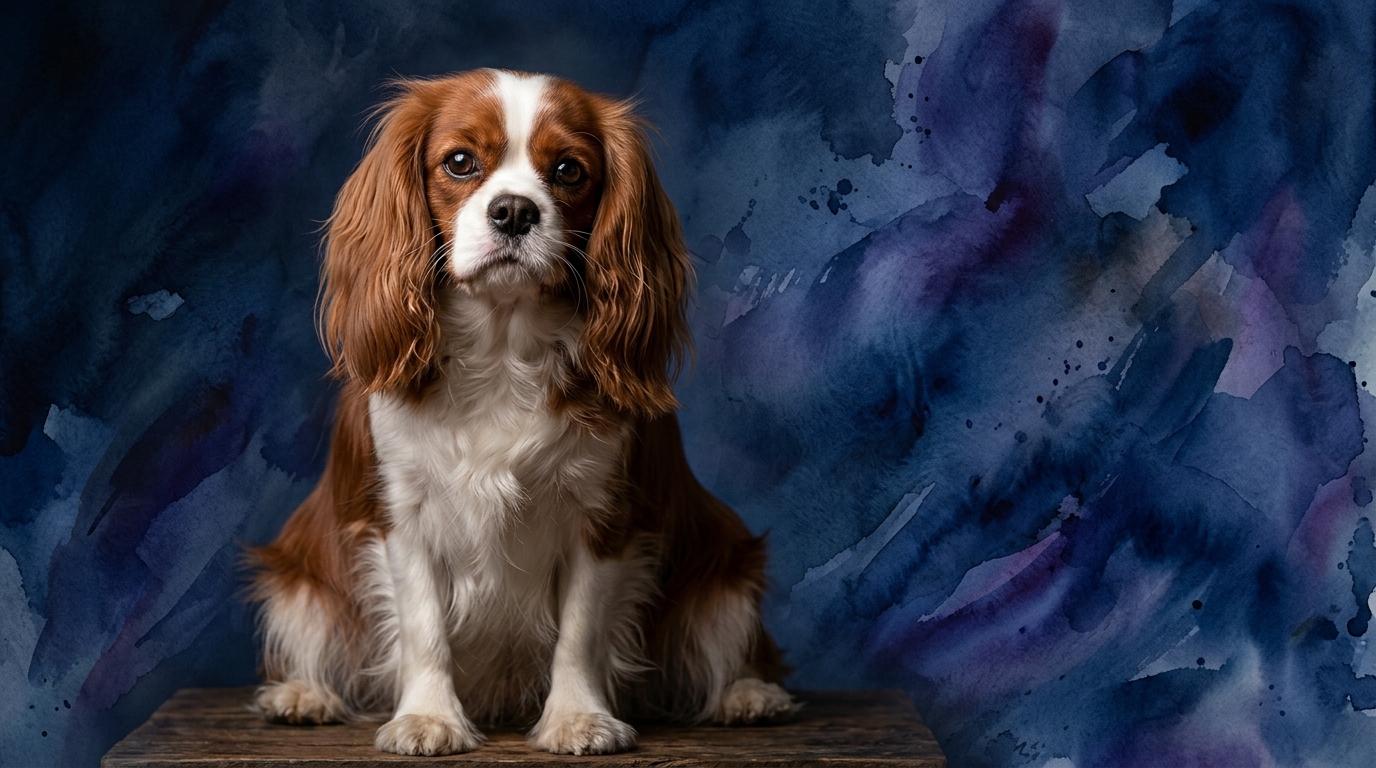
The Cavalier King Charles Spaniel, a beloved Toy breed, holds a Coren rank of #44, indicating a respectable capacity for obedience and working intelligence. Its IQ profile reveals a balanced set of cognitive attributes: Problem Solving at 3/5, Training Speed at 3/5, Instinctive Drive at 3/5, and Memory also at 3/5. However, its standout feature is a remarkable Social Intelligence score of 5/5, suggesting an exceptional ability to connect with and understand human companions.
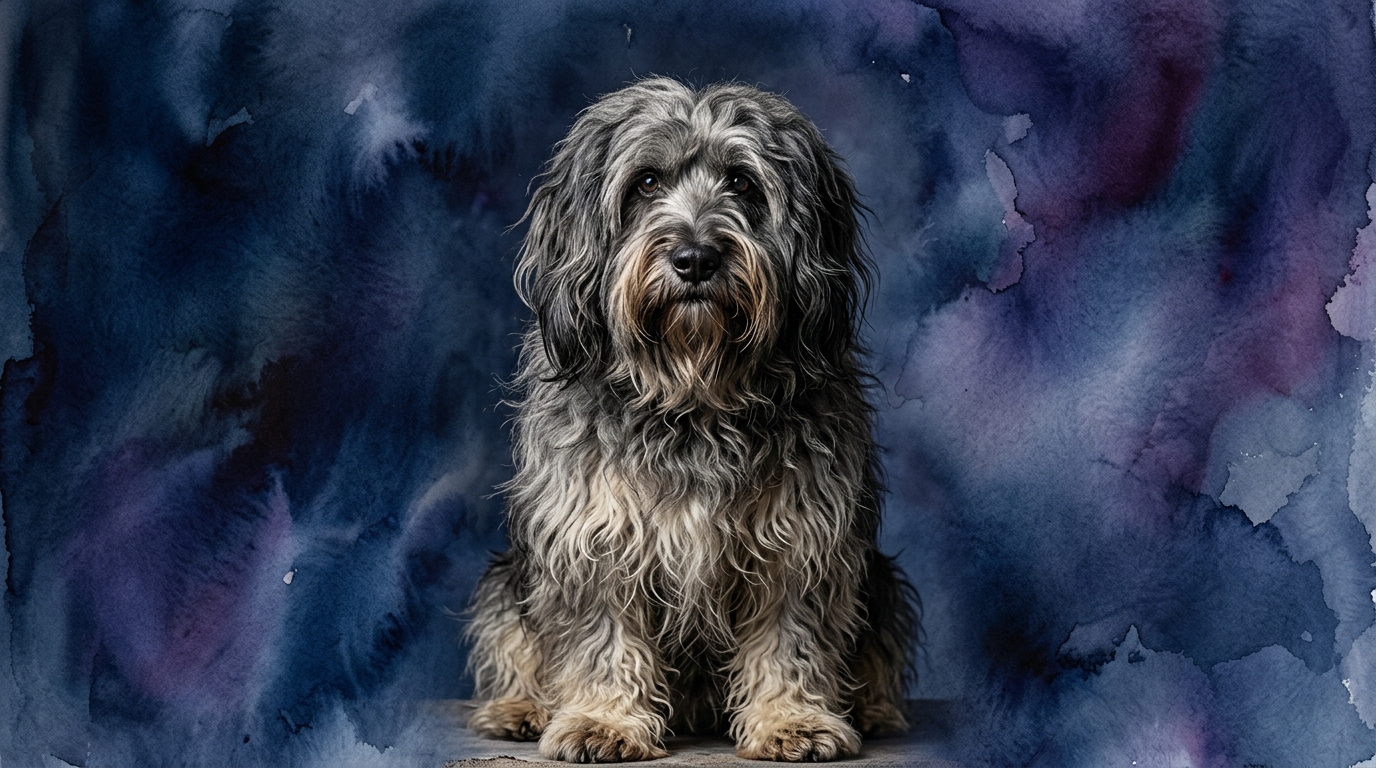
In contrast, the Polish Lowland Sheepdog, a Herding breed not typically included in Coren's rankings, presents a consistently robust cognitive blueprint across the board. This breed scores 3/5 in Problem Solving, Training Speed, Social Intelligence, Instinctive Drive, and Memory. This uniform scoring suggests a well-rounded, practical intellect rather than a specialized brilliance in any single dimension, reflecting its heritage as a capable and self-sufficient working dog.
Comparing these two profiles, we see a striking difference in their social acumen. While both breeds demonstrate moderate capabilities in problem-solving, trainability, and memory, the Cavalier's profound social intelligence sets it apart as an intuitive companion. The Polish Lowland Sheepdog, with its consistent 3/5 across all categories, showcases a balanced cognitive toolkit suited for independent thought and action, albeit with a different approach to social interaction.
Where the Cavalier King Charles Spaniel Shines Cognitively
The Cavalier King Charles Spaniel's cognitive brilliance unequivocally resides in its exceptional Social Intelligence, rated at a perfect 5/5. This isn't merely about being friendly; it signifies an acute sensitivity to human emotions, subtle cues, and social dynamics. Cavaliers possess an innate ability to read their owners' moods, often anticipating needs or offering comfort without explicit instruction, making them profoundly empathetic companions.
This elevated social intelligence profoundly influences other cognitive areas. While their Problem Solving and Training Speed are rated at 3/5, their strong desire to please and their attentiveness to human interaction often make them appear more adept. They are highly motivated by positive reinforcement and the opportunity for shared activity, quickly learning routines and commands that strengthen their bond with their people. Their memory, also 3/5, is particularly effective at retaining social experiences and the habits of their human family.
The Cavalier's cognitive strength allows them to seamlessly integrate into family life, adapting to various social environments and interacting gracefully with diverse individuals. This makes them particularly well-suited for roles like therapy or emotional support animals, where their perceptive nature and calm demeanor can provide significant comfort. Their cognitive landscape is finely tuned to the nuances of companionship, leading to deeply harmonious human-animal relationships.
Unpacking the Polish Lowland Sheepdog's Cognitive Strengths
While the Polish Lowland Sheepdog shares a 3/5 score with the Cavalier across most cognitive dimensions, its strength lies in the cohesive application of these balanced abilities within its working breed context. Its 3/5 Instinctive Drive, specifically, is rooted in herding, which means its problem-solving and memory are often geared towards practical, independent tasks rather than purely social engagement. This breed exhibits a robust, self-reliant intellect.
The PON's Problem Solving at 3/5, coupled with its moderate Instinctive Drive, manifests as a capacity for independent assessment and action. Unlike the Cavalier, which might seek human guidance, the PON is often observed making its own decisions in novel situations, especially if they involve managing its environment or 'herding' its family. This cognitive self-sufficiency is a hallmark of its breed purpose, allowing it to work effectively without constant supervision.
Furthermore, the Polish Lowland Sheepdog's consistent 3/5 in Memory and Training Speed, combined with its lower 3/5 Social Intelligence compared to the Cavalier, suggests a dog that learns steadily and retains information reliably, but may require more intrinsic motivation or a clear understanding of purpose. Its cognitive makeup fosters a resilient spirit and a strong sense of self, making it a capable partner for tasks that demand focus and independent thought, rather than just social compliance.
Training Dynamics: Cavalier vs. Polish Lowland Sheepdog
When considering trainability, both the Cavalier King Charles Spaniel and the Polish Lowland Sheepdog share a Training Speed score of 3/5, suggesting they learn at a moderate pace. However, the *approach* and *perceived ease* of training diverge significantly due to their distinct social and instinctive profiles. It's not just about how quickly they grasp a command, but how readily they engage with the training process itself.
The Cavalier's exceptional 5/5 Social Intelligence provides a substantial advantage in training. They are inherently eager to please their human companions and are highly attuned to feedback, making them extremely responsive to positive reinforcement, praise, and gentle guidance. This breed's deep desire for connection means they view training as a collaborative activity, often making them feel more compliant and easier to motivate. Their high compliance and attentiveness to the handler mean they often progress smoothly through basic obedience and enjoy learning new tricks that foster interaction.
In contrast, the Polish Lowland Sheepdog, with its 3/5 Social Intelligence and 3/5 Instinctive Drive rooted in herding, can present a more independent training experience. While capable of learning at a steady pace, they may require more patience, consistency, and a clear purpose in their training. Their instinct to 'manage' or 'organize' can sometimes manifest as a stubborn streak or a preference for doing things their own way. Trainers often find success by tapping into their natural problem-solving abilities and providing engaging, stimulating tasks that give them a sense of purpose, rather than relying solely on a desire to please.
Ideal Lifestyles: Active Explorers vs. Relaxed Companions
Understanding the cognitive blueprint of each breed helps in matching them to the most suitable human lifestyle. The Cavalier King Charles Spaniel, with its paramount 5/5 Social Intelligence and moderate scores across other dimensions, is an ideal fit for relaxed owners who cherish a close, emotionally intuitive companion. These dogs thrive on consistent affection, gentle routines, and being an integral part of their family's daily life, content with moderate physical activity like leisurely walks and indoor play.
Their cognitive makeup means they are most fulfilled when their social needs are met, often preferring to be near their people rather than engaging in extensive independent exploration. They flourish with owners who can provide ample cuddle time, gentle mental stimulation through puzzle toys or short, engaging training sessions, and a calm home environment. They are quintessential lapdogs whose happiness is intrinsically linked to their human bonds.
Conversely, the Polish Lowland Sheepdog, with its balanced 3/5 scores across all cognitive dimensions and its herding heritage, is better suited for more active and experienced owners. While not hyperactive, their cognitive profile demands purposeful engagement that taps into their problem-solving, memory, and instinctive drive. They benefit from activities like agility, obedience trials, or long, varied walks that offer mental challenges and opportunities for exploration.
Owners who can provide consistent, structured training and channels for their moderate herding instincts will find the PON a rewarding companion. Their independence and resilience mean they appreciate companionship but also value their own space and tasks. They are best suited for individuals or families who enjoy an active outdoor lifestyle and are prepared to engage their dog's mind as much as their body, preventing boredom and channeling their natural predispositions constructively.
The Verdict: Choosing Your Canine Companion
The Verdict
Choose the Cavalier King Charles Spaniel if your lifestyle prioritizes an emotionally intuitive, affectionate companion who thrives on close human interaction and requires moderate mental and physical engagement, making them a delightful presence in a relaxed home.
Opt for the Polish Lowland Sheepdog if you're an active owner seeking a resilient, independent, and balanced canine partner who excels with consistent training, purposeful activities, and values a blend of companionship and self-sufficiency.
🧠 Find Your Pet's IQ Score
Our Pet IQ Lab assessment covers 25+ tests across 5 cognitive dimensions — personalized to your breed.
Take the Full IQ Test →Frequently Asked Questions
Does the Cavalier's Coren rank of #44 mean it's smarter than a breed not Coren-ranked?
Coren ranks primarily assess 'working and obedience intelligence,' which focuses on trainability and command following. While the Cavalier's #44 indicates good trainability, the Polish Lowland Sheepdog's absence doesn't necessarily mean a lack of intelligence, but rather that its specific cognitive strengths might not align with Coren's primary metrics, or it hasn't been widely studied in that context.
How does a 3/5 instinctive drive differ between these two breeds?
While both breeds score 3/5, the *nature* of their instinctive drive differs significantly due to their origins. For the Cavalier, it might manifest as a desire for comfort or to retrieve small items, reflecting its companion origins. For the Polish Lowland Sheepdog, this 3/5 drive is rooted in herding instincts, meaning a natural inclination to gather, patrol, or organize, which requires specific outlets to manage.
Can a Polish Lowland Sheepdog be as affectionate as a Cavalier despite a lower social intelligence score?
While the Polish Lowland Sheepdog may not exhibit the same overt, constant desire for physical closeness as a Cavalier, they form deep and loyal bonds with their families. Their affection might be expressed through protective behaviors, attentive companionship, or a quiet presence, rather than the Cavalier's more demonstrative and universally outgoing social style.