Side-by-Side Cognitive Profiles: Cavalier King Charles Spaniel vs. Schipperke
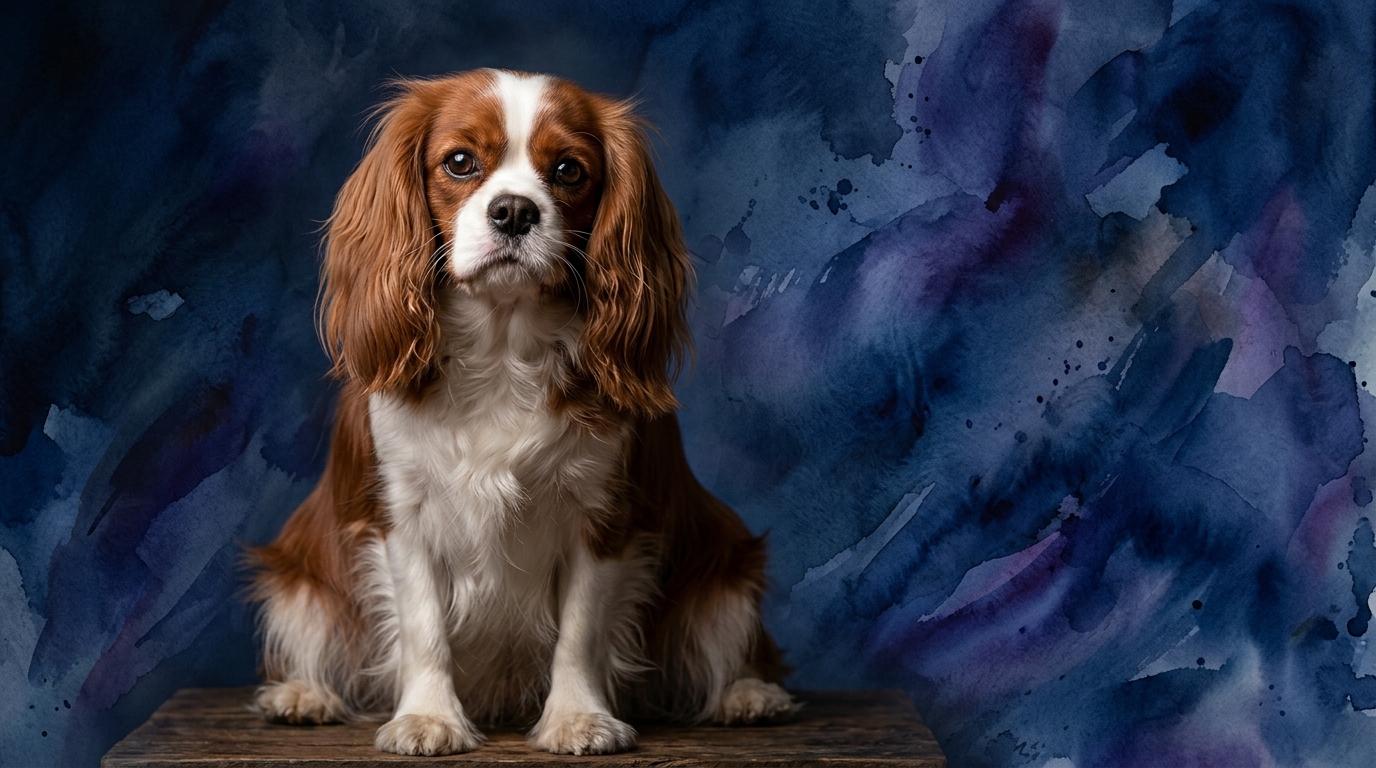
The Cosmic Pet Pet IQ Lab employs a comprehensive framework to assess canine intelligence, moving beyond simple obedience to explore five distinct dimensions. For the Cavalier King Charles Spaniel, categorized as a Toy breed, their Coren rank of #44 suggests a moderate overall aptitude for understanding new commands with repetition. Their cognitive blueprint shows a Problem Solving score of 3/5, indicating they can navigate moderately complex tasks but might not independently devise intricate solutions. Training Speed is also rated 3/5, meaning they grasp new cues at a steady, average pace. Where Cavaliers truly shine is in Social Intelligence, earning a perfect 5/5, reflecting their exceptional ability to connect with humans and respond to emotional cues. Their Instinctive Drive is 3/5, a balanced level of inherent behaviors like chasing or guarding, while their Memory stands at 3/5, allowing them to recall learned information and experiences adequately.
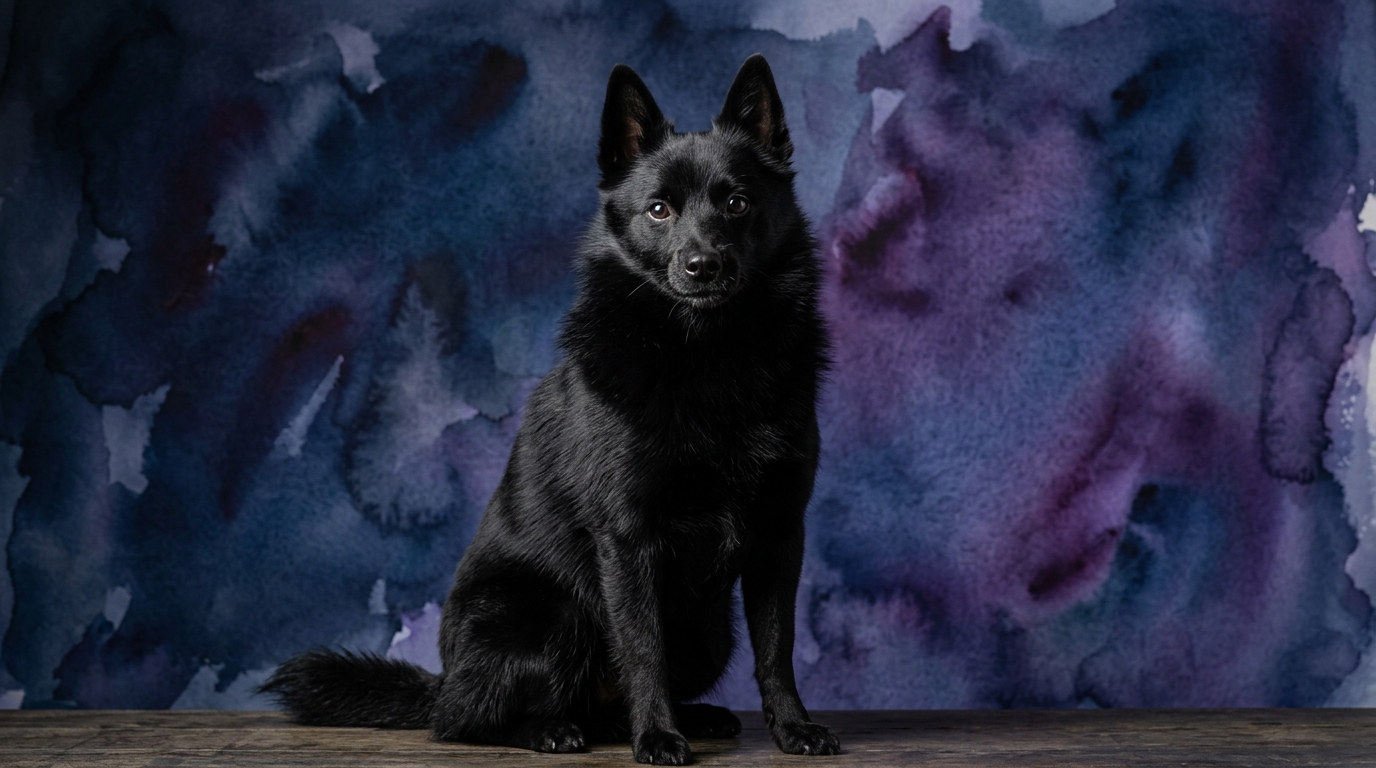
In contrast, the Schipperke, a Non-Sporting breed with a significantly higher Coren rank of #15, presents a markedly different cognitive profile. This breed excels in Problem Solving, scoring an impressive 5/5, demonstrating a strong capacity for independent thought and creative solutions to obstacles. Their Training Speed also reaches 5/5, indicating a rapid ability to learn and retain new commands and routines. While their Social Intelligence is rated 3/5, suggesting they are capable of forming bonds, they may not possess the same intuitive understanding of human emotions as the Cavalier. Their Instinctive Drive aligns with the Cavalier at 3/5, showcasing a similar moderate level of inherent behaviors. However, the Schipperke's Memory is exceptional, rated 5/5, allowing for a profound recall of past experiences, training, and environmental details. These distinct profiles paint a clear picture of two breeds with specialized cognitive strengths.
Where the Cavalier King Charles Spaniel Excels Cognitively
The Cavalier King Charles Spaniel's primary cognitive advantage lies squarely in their Social Intelligence, a perfect 5/5. This isn't merely about being friendly; it's a deep-seated capacity for empathetic understanding and sophisticated communication with humans. Cavaliers possess an acute sensitivity to human moods and intentions, often anticipating needs or offering comfort without explicit prompts. They excel at reading subtle body language and vocal tones, making them remarkably attuned companions. This high social intelligence translates into an innate desire for connection, often leading them to seek out physical closeness and interaction, and making them exceptionally responsive to human affection and attention. Their cognitive wiring prioritizes forming strong, reciprocal bonds, making them highly adept at navigating complex social dynamics within a family unit.
This profound social acumen means a Cavalier is less likely to misunderstand human cues or exhibit behaviors rooted in social confusion. They thrive on companionship and are inherently motivated by positive human interaction, making them less prone to independent, solitary pursuits when their humans are present. Their cognitive strength in this area makes them excellent therapy dogs, as they can intuitively offer solace and engage in comforting interactions, leveraging their intrinsic understanding of emotional states. While they may not be the quickest problem-solvers, their ability to seamlessly integrate into the human emotional landscape is a distinct cognitive win.
Where the Schipperke Dominates Cognitively
The Schipperke's cognitive prowess is evident across three key dimensions: Problem Solving, Training Speed, and Memory, all rated 5/5. Their exceptional Problem Solving ability means they are not simply waiting for instructions; they actively analyze situations and devise solutions, often with a clever, independent streak. This breed can figure out how to open cabinets, navigate complex obstacles to reach a desired object, or even outsmart a puzzle toy designed for more persistent engagement. This cognitive strength allows them to adapt quickly to new environments and challenges, often learning through observation and experimentation rather than just rote repetition.
Coupled with their superior Problem Solving is their remarkable Training Speed, also a perfect 5/5. Schipperkes absorb new commands, tricks, and routines with impressive swiftness, often requiring fewer repetitions than many other breeds. This rapid learning curve makes them highly responsive to consistent training and allows them to excel in various dog sports and advanced obedience. They enjoy the mental stimulation of learning new things and are often eager to demonstrate their understanding. Their exceptional Memory (5/5) further enhances this, ensuring that once a lesson is learned, it is retained for the long term. This strong recall applies not only to commands but also to complex sequences, locations, and past experiences, contributing to their reputation as sharp and discerning companions who rarely forget. These combined cognitive strengths make the Schipperke a formidable learner and an independent thinker.
Which is Easier to Train and Why?
When considering ease of training, the Schipperke holds a distinct advantage due to its 5/5 ratings in both Training Speed and Problem Solving, complemented by its 5/5 Memory. This breed grasps new concepts quickly and retains them effectively, meaning fewer repetitions are needed for a command to become ingrained. Their strong problem-solving skills mean they are often engaged in the learning process, trying to figure out what is being asked of them rather than passively waiting for cues. For instance, a Schipperke encountering a new agility obstacle is more likely to experiment with different approaches to conquer it, rather than waiting for a handler to guide every step. This cognitive drive for understanding and mastery makes them highly rewarding for consistent trainers.
In contrast, the Cavalier King Charles Spaniel, with 3/5 ratings for both Training Speed and Problem Solving, will require more patience and repetition. While they are certainly trainable, their learning curve is more moderate. A Cavalier might take longer to connect a verbal cue with an action and may not independently seek out solutions to training challenges. Their high social intelligence means they are highly motivated by praise and affection, which can be leveraged in training, but their cognitive processing for new commands is simply not as swift or self-driven as the Schipperke's. Real behavioral differences include a Schipperke's tendency to test boundaries and think for themselves, requiring a firm yet fair hand, while a Cavalier is generally more eager to please and less likely to challenge authority, albeit slower to pick up complex sequences.
Which Suits Active Owners vs. Relaxed Owners?
The cognitive profiles of these two breeds offer clear guidance for owner lifestyles. The Schipperke, with its 5/5 Problem Solving and 5/5 Memory, thrives with active owners who can provide consistent mental stimulation and engage them in structured activities. This isn't just about physical exercise, though they certainly enjoy it; it's about challenging their sharp minds. Owners who enjoy dog sports like agility, obedience trials, or even complex puzzle toys and advanced trick training will find the Schipperke a willing and capable partner. Their independent thinking can lead to mischief if their intellect isn't properly channeled, making them a better fit for individuals or families who are prepared to be proactive in their training and engagement, providing an outlet for their cognitive drive.
Conversely, the Cavalier King Charles Spaniel, with its 5/5 Social Intelligence and moderate scores in other areas, is an ideal companion for more relaxed owners. Their primary need is for companionship and emotional connection, rather than constant mental challenges or high-intensity activities. They are content with gentle walks, cuddle sessions on the couch, and being an integral part of daily family life. Owners who value a devoted, empathetic presence and are looking for a dog that easily adapts to a calm household environment will find the Cavalier to be a perfect match. While they benefit from basic training, their cognitive needs are fulfilled more by social interaction and affection than by intricate problem-solving tasks, making them a wonderful choice for those seeking a tranquil and loving pet.
The Verdict
Choose the Cavalier King Charles Spaniel if your priority is an empathetic, devoted companion who excels at social connection and thrives in a relaxed, affectionate home environment.
Opt for the Schipperke if you seek a sharp, independent thinker who learns rapidly, enjoys mental challenges, and will thrive with an owner committed to consistent training and engaging activities.
🧠 Find Your Pet's IQ Score
Our Pet IQ Lab assessment covers 25+ tests across 5 cognitive dimensions — personalized to your breed.
Take the Full IQ Test →Frequently Asked Questions
Is the Cavalier King Charles Spaniel difficult to train?
No, Cavaliers are not difficult to train, but they do require more repetition and patience than some other breeds due to their 3/5 Training Speed. They are highly motivated by praise and affection, making positive reinforcement very effective in their training.
Do Schipperkes need a lot of mental exercise?
Yes, Schipperkes absolutely thrive on mental exercise due to their 5/5 Problem Solving and Memory. Without sufficient mental challenges, their cleverness can lead to boredom and potentially mischievous behaviors. Engaging them in puzzles, training, and new experiences is crucial.
Which breed is better with children?
The Cavalier King Charles Spaniel's 5/5 Social Intelligence often makes them a more naturally patient and understanding companion for children, especially if the children are taught gentle interaction. The Schipperke can be good with respectful children but may be less tolerant of boisterous play due to their more independent nature.