Side-by-Side Cognitive Profile
To understand the nuances of Cavalier King Charles Spaniel (CKCS) and Scottish Terrier (Scottie) intelligence, The Cosmic Pet Pet IQ Lab employs a five-dimensional cognitive framework. This allows for a granular view beyond general perceptions, highlighting specific strengths and propensities for each breed.
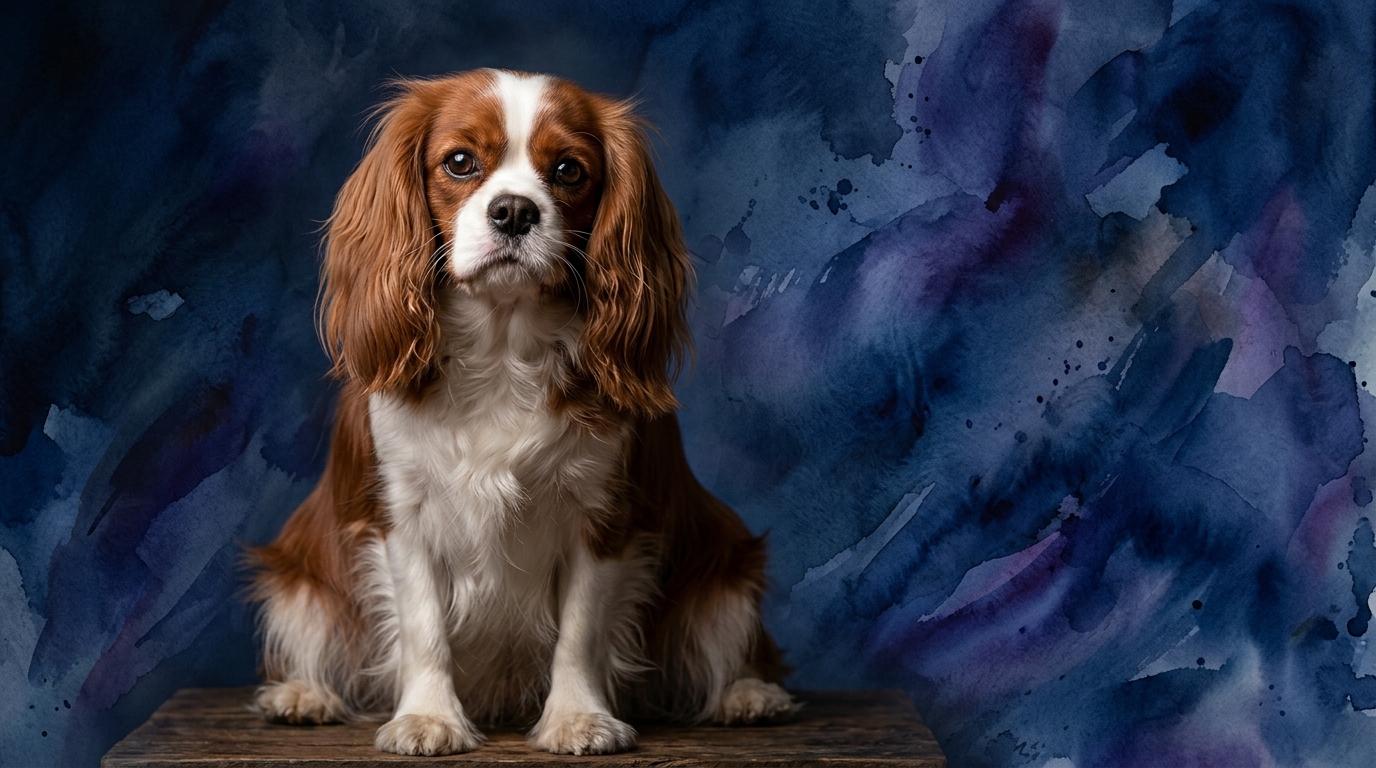
The Cavalier King Charles Spaniel, holding a Coren rank of #44, indicates a solid foundation in working and obedience intelligence. Their Problem Solving is rated 3/5, demonstrating a moderate aptitude for figuring out challenges like household puzzles or navigating simple barriers. Cavaliers often observe and learn from human cues or past experiences, showcasing practical, functional problem-solving. Their Training Speed is 3/5, meaning they learn new commands at a steady, reliable pace, absorbing information effectively with consistent teaching. Their progress is dependable, building a solid repertoire of behaviors over time. Social Intelligence is where the Cavalier truly shines with a perfect 5/5. They possess a profound ability to read human emotions, body language, and vocal tones, often anticipating needs. They thrive on interactive communication, forming deep, reciprocal bonds with innate empathy. Their Instinctive Drive is 3/5, exhibiting a moderate level. While retaining gentle spaniel traits like scent interest, this drive is well-balanced with their companion nature, not overwhelming domestic settings. Finally, their Memory is 3/5, indicating a sound capacity for recalling learned commands, routines, and familiar people and places, which contributes to their consistent behavior and makes them predictable companions.
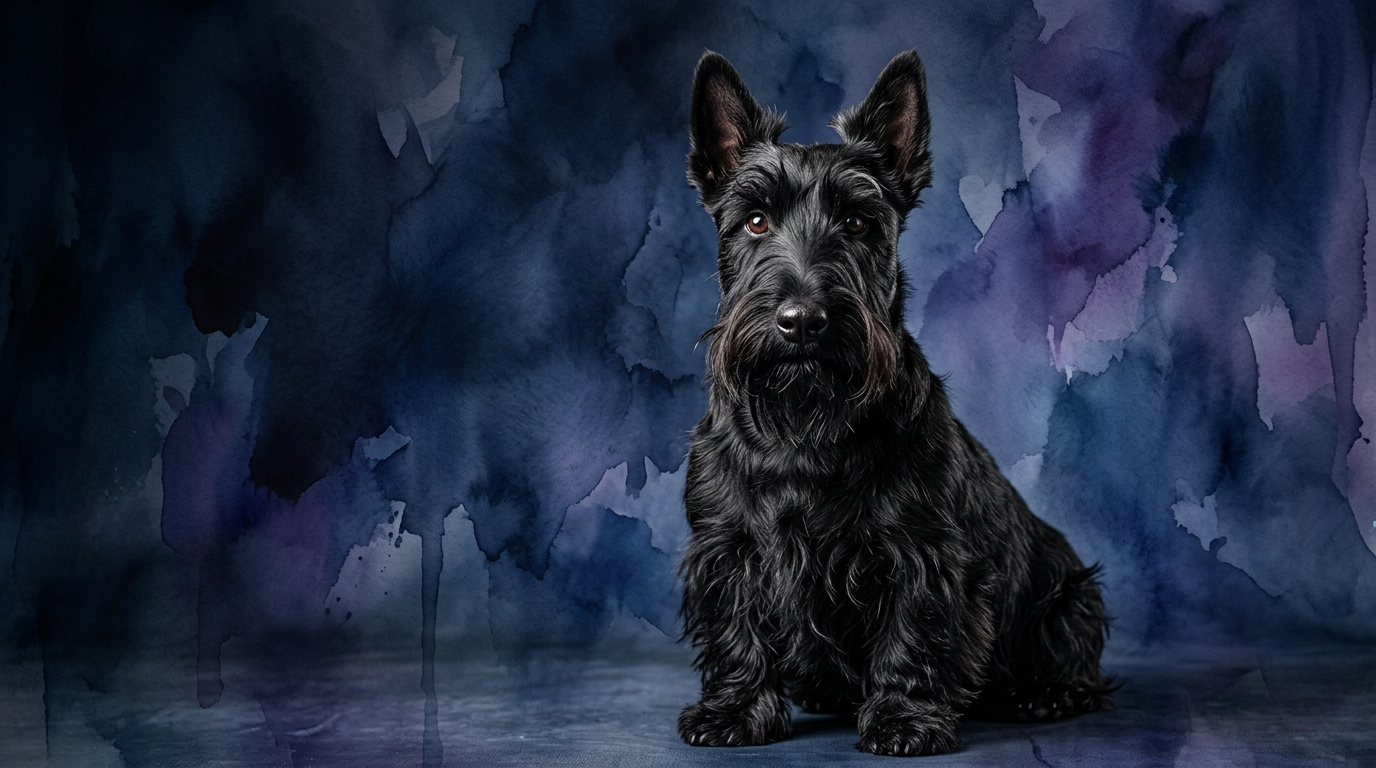
The Scottish Terrier, with a Coren rank of #65, places them in the 'fair working/obedience intelligence' category, often influenced by their independent streak rather than a lack of cognitive ability. Their Problem Solving also scores 3/5, showing moderate capacity. Scotties often approach challenges with characteristic terrier determination; they might be more self-directed and persistent than a Cavalier, driven by curiosity rather than seeking immediate human guidance. Their Training Speed is also 3/5, meaning they learn new commands at a steady pace. However, their learning process is influenced by their strong will; while grasping concepts, their willingness to perform depends on motivation, requiring consistent, positive reinforcement. The Scottie's Social Intelligence is 3/5. They form strong family bonds and read human cues but with less overt emotional responsiveness than a Cavalier, preferring a relationship built on mutual respect. Their Instinctive Drive is 3/5, characteristic of their terrier heritage, including strong inclinations to dig, chase small prey, and explore. This drive is focused and persistent in its specific manifestations. Lastly, their Memory is 3/5, indicating a good capacity for retaining commands, routines, and environmental information, remembering past experiences that influence future behavior and contribute to their ability to learn and adapt.
Where Cavalier King Charles Spaniel Wins Cognitively
The Cavalier King Charles Spaniel’s exceptional social intelligence, rated a perfect 5/5, marks their most significant cognitive advantage. This isn't merely about being friendly; it reflects a profound capacity for emotional empathy and nuanced communication. A Cavalier excels at reading the subtlest shifts in human tone, facial expression, and body language, often anticipating their owner's needs or moods before any explicit command is given. For instance, they might instinctively offer a comforting nudge when sensing distress or patiently wait by the door as you prepare to leave, having learned your routine through observation. This high social acumen means they are incredibly responsive to human interaction, making them ideal companions for individuals seeking a deeply connected canine relationship. Their cognitive strength lies in their ability to integrate seamlessly into human social structures, fostering a bond built on mutual understanding and emotional resonance. This translates into a dog that not only obeys commands but often understands the underlying intention, making interactions feel less like training and more like a conversation.
Where Scottish Terrier Wins Cognitively
While the Scottish Terrier shares similar scores in problem-solving and memory, their cognitive strengths are often colored by their distinctive terrier independence and tenacity. Rated 3/5 in problem-solving, a Scottie often approaches challenges with a self-assured, persistent demeanor. Unlike a Cavalier, who might look to their human for guidance, a Scottie is more inclined to methodically work through an obstacle on their own, driven by an innate curiosity and a strong sense of purpose. This manifests in their ability to creatively navigate their environment, perhaps figuring out how to open a cupboard or bypass a gate through sheer determination. Their 3/5 instinctive drive, while moderate, is channeled into specific, historically purposeful behaviors like digging or investigating, showcasing a focused cognitive application of their natural instincts. This breed excels at self-directed exploration and independent thought, making them adept at tasks that require focus and a degree of self-reliance, even if it means employing a bit of charming stubbornness to achieve their goals.
Which is Easier to Train and Why
Both the Cavalier King Charles Spaniel and the Scottish Terrier hold a 3/5 rating for training speed, suggesting they learn new commands at a comparable pace. However, the experience of training these two breeds can differ significantly due to their other cognitive profiles. The Cavalier's 5/5 social intelligence makes them exceptionally eager to please and highly responsive to human feedback. They thrive on positive reinforcement and the strong bond they share with their owner, making them intrinsically motivated to cooperate. This means a Cavalier is often more forgiving of handler errors and quicker to offer desired behaviors, as their primary cognitive driver is harmonious interaction. Conversely, while a Scottie also learns at a steady rate, their 3/5 social intelligence and independent terrier spirit mean they might require a more patient, consistent, and creative training approach. A Scottish Terrier needs to be convinced that performing a command is worthwhile, often preferring to follow their own agenda. They are not less capable of learning, but their motivation stems more from their own curiosity or a high-value reward rather than an inherent desire to please. Training a Scottie often involves harnessing their tenacity and channeling their independent problem-solving skills, making it a rewarding but often more challenging endeavor for the owner.
Which Suits Active Owners vs Relaxed Owners
The choice between a Cavalier King Charles Spaniel and a Scottish Terrier also depends heavily on an owner's lifestyle and activity level, which indirectly relates to their cognitive needs. The Cavalier, a toy breed, generally suits more relaxed owners. Their moderate instinctive drive (3/5) and profound social intelligence mean they are typically content with moderate daily exercise, such as leisurely walks and indoor play, and thrive on consistent human companionship. They are highly adaptable to various living situations, from apartments to larger homes, as long as they are close to their people. Their cognitive engagement often comes from interactive play, cuddles, and simply being involved in family activities. The Scottish Terrier, while not a high-energy working breed, still carries the spirit of a terrier. Their independent problem-solving and distinct instinctive drives (3/5) mean they benefit from more structured mental and physical engagement. They enjoy exploring, digging, and having a 'job' to do, even if it's just patrolling the yard. Owners who appreciate consistent outdoor adventures, even if not intensely strenuous, and who can provide opportunities for independent investigation will find a Scottie a more fulfilling companion. They can adapt to relaxed periods but thrive best when their cognitive and physical needs for exploration and engagement are regularly met.
The Verdict
If you desire a deeply empathetic, highly responsive companion who excels at emotional connection and thrives on close human interaction, the Cavalier’s exceptional social intelligence makes them an unparalleled choice.
If you appreciate a more independent, tenacious companion with a strong will and a charming self-assuredness, who enjoys exploring and engaging with the world on their own terms, the Scottish Terrier offers a unique and rewarding partnership.
🧠 Find Your Pet's IQ Score
Our Pet IQ Lab assessment covers 25+ tests across 5 cognitive dimensions — personalized to your breed.
Take the Full IQ Test →Frequently Asked Questions
Do Cavalier King Charles Spaniels bark a lot due to their social intelligence?
While highly socially intelligent, Cavaliers aren't typically excessive barkers. They may vocalize to alert or express excitement, but their strong desire to please and responsiveness to human cues means they are often easily redirected with consistent training.
Are Scottish Terriers difficult to train because of their independence?
Scottish Terriers are not difficult to train in terms of their learning capacity, but their independent nature and strong will mean they require consistent, patient, and engaging methods. Owners should focus on positive reinforcement and making training fun to harness their tenacity effectively.
How does the Coren rank difference (Cavalier #44 vs Scottie #65) manifest in daily life?
The Coren rank suggests that Cavaliers typically learn new commands and obey them more readily. For Scotties, their lower rank often reflects a greater inclination to follow their own independent judgment rather than a lack of understanding, meaning they may require more motivation to comply consistently.