Side-by-Side Cognitive Profiles
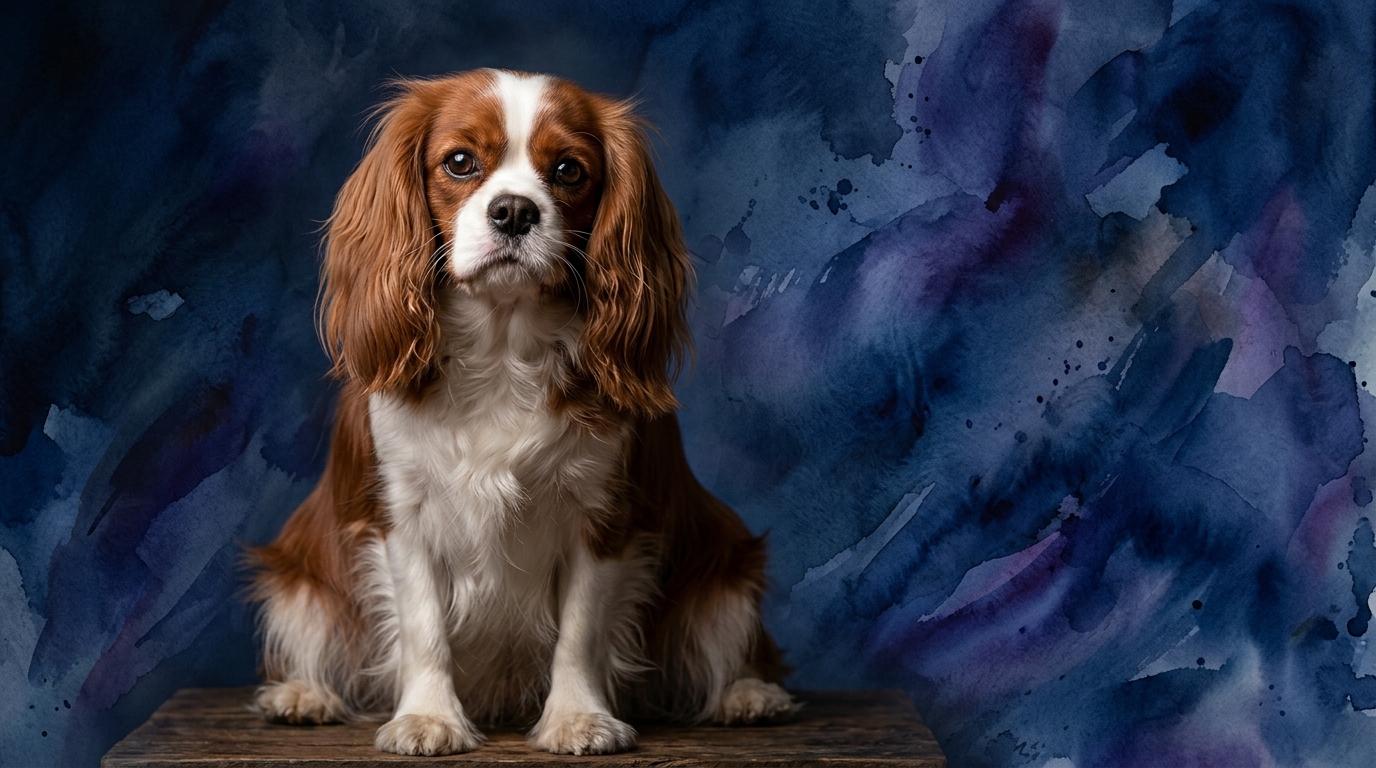
The Cavalier King Charles Spaniel, ranking #44 on the Coren scale, presents a profile emphasizing companionship and emotional attunement. Their problem-solving ability is noted at 3/5, suggesting they can navigate routine challenges but may not excel at complex puzzles. Training speed is also 3/5, indicating a moderate pace for learning new commands. Where Cavaliers truly shine is in social intelligence, scoring a perfect 5/5, reflecting their deep connection with humans. Their instinctive drive is a balanced 3/5, and memory registers at 3/5, sufficient for daily life but not exceptional.
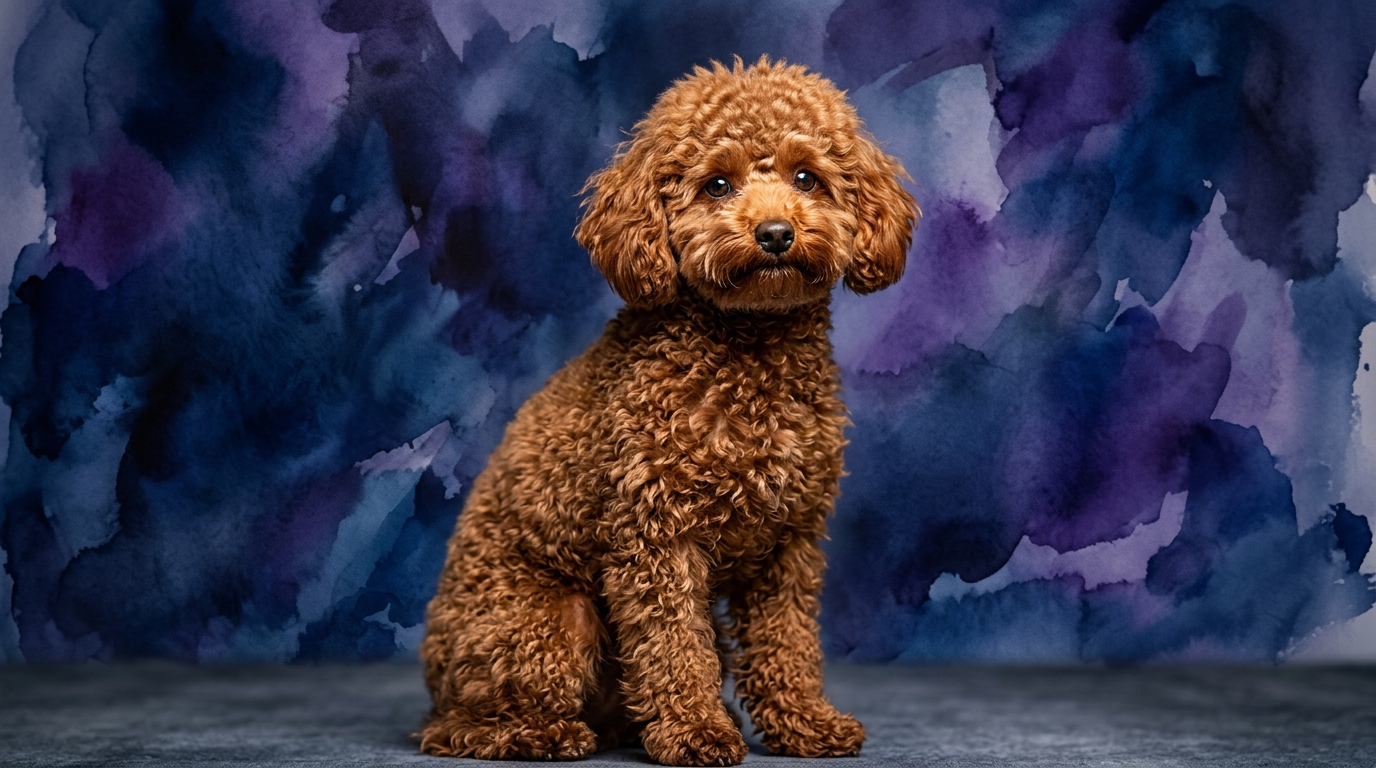
In stark contrast, the Toy Poodle, a remarkable #2 on the Coren scale, exhibits a cognitive profile geared towards rapid learning and mental agility. Their problem-solving ability is an impressive 5/5, signifying a capacity for intricate tasks and clever solutions. Training speed matches this at 5/5, meaning they grasp new concepts and commands with remarkable swiftness. Social intelligence for the Toy Poodle is 3/5, indicating a sociable nature but perhaps not the all-encompassing emotional focus of the Cavalier. Their instinctive drive is a moderate 3/5, while their memory is outstanding at 5/5, allowing them to retain a vast repertoire of information and skills.
Where the Cavalier King Charles Spaniel Excels Cognitively
The Cavalier King Charles Spaniel's cognitive strength lies overwhelmingly in its social intelligence, rated at a maximum 5/5. This isn't just about being friendly; it reflects an innate ability to read and respond to human emotions, making them exceptionally empathetic and intuitive companions. A Cavalier can often sense a change in mood, offering comfort or quiet presence without explicit cues, demonstrating a profound understanding of social dynamics within their human family.
This high social intelligence translates into a dog that thrives on interaction and close bonds, often seeking physical closeness and maintaining eye contact to gauge their owner's emotional state. While their problem-solving or training speed might be moderate, their unparalleled capacity for emotional connection means they excel at being a deeply integrated family member, providing unconditional affection and emotional support. This specific cognitive advantage makes them highly attuned to their human counterparts, fostering a unique and comforting relationship.
Where the Toy Poodle Excels Cognitively
The Toy Poodle's cognitive prowess is evident across multiple dimensions, particularly in problem-solving, training speed, and memory, all rated at 5/5. Their problem-solving ability means they can quickly figure out how to open a cabinet, navigate a complex toy puzzle, or even strategize to get what they want. This isn't just about learned behaviors; it's an intrinsic capacity for analytical thought and adaptation.
Their exceptional training speed allows them to master new commands, tricks, and even complex routines with minimal repetition, making them stars in obedience, agility, and canine freestyle. Paired with a 5/5 memory, a Toy Poodle can recall an extensive array of cues and behaviors over long periods, making advanced training not just possible, but often a necessity to keep their active minds engaged. They thrive on mental stimulation, demonstrating a consistent eagerness to learn and apply their cognitive skills in various contexts.
Training: Which Breed is Easier and Why?
Based on their cognitive profiles, the Toy Poodle is demonstrably easier and faster to train than the Cavalier King Charles Spaniel. The Toy Poodle's 5/5 training speed means they pick up new commands almost immediately, often within a few repetitions. Their 5/5 problem-solving skill also means they can generalize learned behaviors to new situations and understand the 'why' behind a task more readily, making them highly adaptable to varied training scenarios. Their superior memory ensures that once a concept is learned, it's retained for the long term.
Conversely, the Cavalier King Charles Spaniel, with a 3/5 training speed, will require more patience and consistency during training sessions. They are certainly trainable, but they may take longer to grasp complex sequences or abstract concepts. Their moderate problem-solving and memory scores suggest that while they can learn a good repertoire of commands, their progress might be slower and require more reinforcement. However, their high social intelligence means they are eager to please their human companions, which can be a strong motivator in itself, even if the processing speed isn't as rapid.
Suitability for Active vs. Relaxed Owners
The cognitive profiles of these two breeds distinctly point to different owner lifestyles. The Toy Poodle, with its 5/5 problem-solving, training speed, and memory, requires consistent mental engagement. An active owner who enjoys teaching new tricks, participating in dog sports like agility or obedience, or even just engaging in daily puzzle toys and brain games, will find a highly rewarding partnership with a Toy Poodle. Their cognitive capacity demands an outlet, and without it, they may become bored and invent their own 'problems' to solve, which might not always align with owner preferences.
The Cavalier King Charles Spaniel, on the other hand, with its stellar 5/5 social intelligence and moderate scores in other areas, is an ideal fit for relaxed owners seeking a devoted companion. While they still enjoy walks and playtime, their primary need is for companionship and emotional closeness. Owners who desire a dog content to cuddle on the couch, offer quiet support, and thrive on being an integral, affectionate part of family life will find the Cavalier's cognitive strengths perfectly complement a calmer, relationship-focused lifestyle. Their mental stimulation needs are more about social interaction than complex intellectual challenges.
The Verdict
Choose the Cavalier King Charles Spaniel if your priority is an emotionally intuitive companion who excels at forming deep, affectionate bonds and thrives on close human interaction.
Opt for the Toy Poodle if you seek a highly trainable, mentally agile companion eager to learn, solve problems, and engage in diverse intellectual challenges alongside an active owner.
🧠 Find Your Pet's IQ Score
Our Pet IQ Lab assessment covers 25+ tests across 5 cognitive dimensions — personalized to your breed.
Take the Full IQ Test →Frequently Asked Questions
Does a higher Coren rank mean a dog is 'better'?
The Coren rank primarily indicates a breed's capacity for obedience and working intelligence, reflecting how quickly they learn commands and solve tasks. It doesn't measure social intelligence or other forms of canine cognition, so a higher rank simply means a dog is generally quicker to train for specific tasks, not necessarily 'better' overall.
Can a Cavalier King Charles Spaniel learn advanced tricks?
Yes, a Cavalier King Charles Spaniel can certainly learn advanced tricks and commands, though it may take more time and consistent repetition compared to a breed like the Toy Poodle. Their eagerness to please and high social intelligence can be powerful motivators, making them responsive to positive reinforcement and patient training methods.
Do Toy Poodles need a lot of physical exercise?
While Toy Poodles are generally energetic and benefit from regular physical activity, their high cognitive needs mean mental exercise is equally, if not more, important. Daily walks combined with puzzle toys, training sessions, and interactive games are crucial for their overall well-being and to prevent boredom-related behaviors.