Side-by-Side IQ Profile
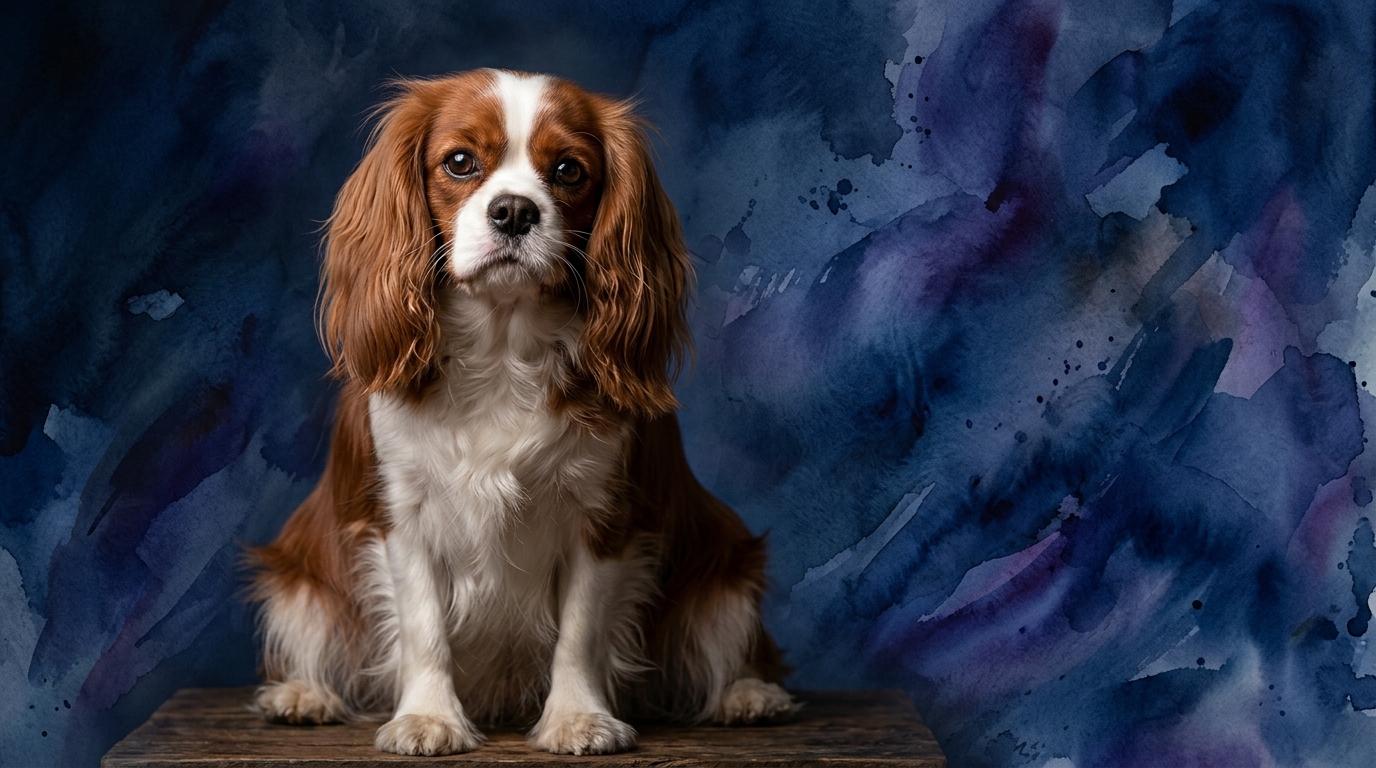
The Cavalier King Charles Spaniel, a beloved Toy breed ranked #44 by Coren, presents a cognitive profile centered around connection and moderate adaptability. Their Problem Solving is rated 3/5, suggesting a moderate ability to navigate their immediate environment and address simple challenges, often in pursuit of comfort or interaction. Training Speed also stands at 3/5, indicating they are receptive to learning new commands with consistent, positive reinforcement, though they may not be the fastest to pick up complex sequences. Where they truly shine is Social Intelligence, scoring a perfect 5/5, reflecting an exceptional capacity to understand and respond to human emotions and cues. Their Instinctive Drive is 3/5, manifesting more as a gentle curiosity and desire for companionship rather than a strong working impetus. Finally, their Memory is 3/5, sufficient for recalling routines, familiar faces, and learned behaviors.
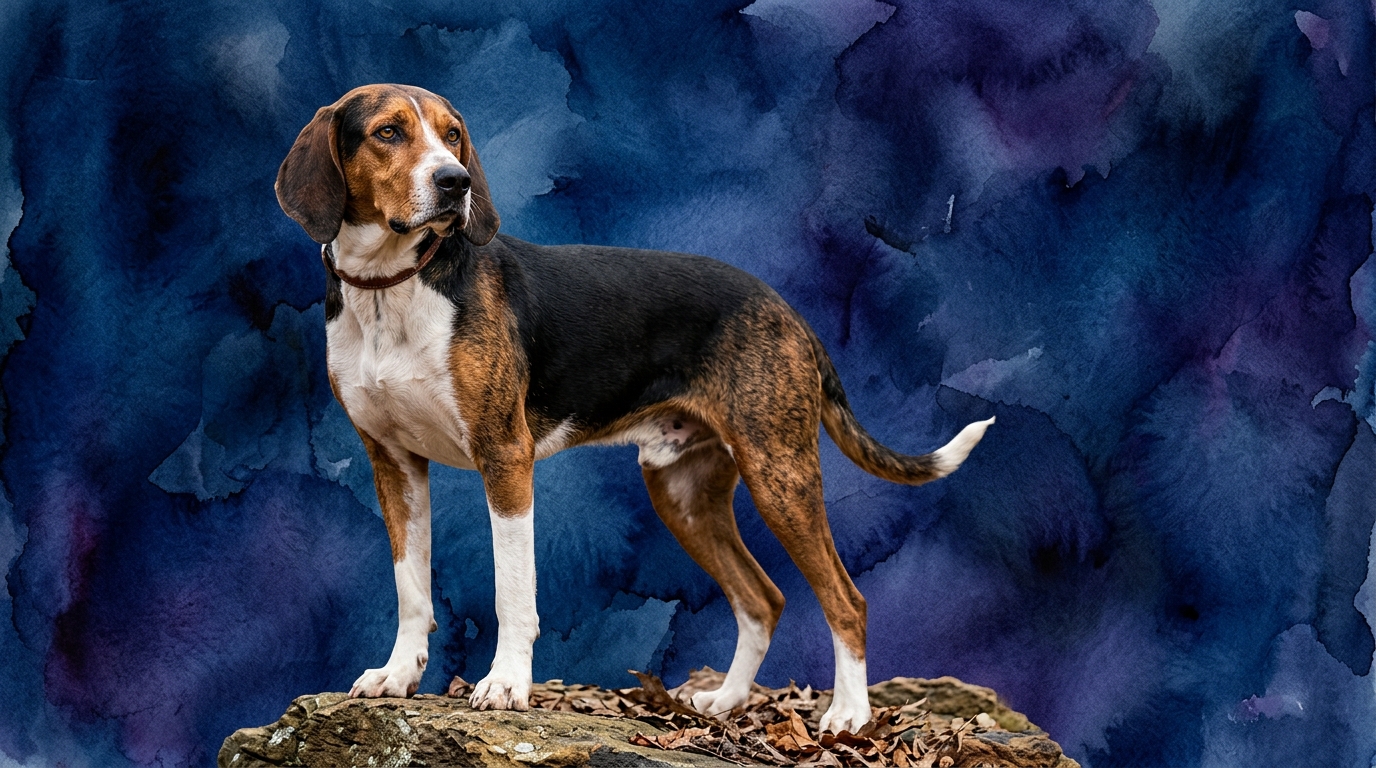
In contrast, the Treeing Walker Coonhound, a Hound breed not Coren-ranked, possesses a cognitive makeup forged for independent outdoor work. Their Problem Solving is 3/5, but this is often applied to complex environmental navigation, tracking scents, and strategizing how to pursue prey over varied terrain, rather than human-devised puzzles. Their Training Speed is also 3/5, meaning they can learn, but their independent nature and powerful scent drive can sometimes make focused training require more patience and creative engagement. Social Intelligence for the Coonhound is 3/5; they form strong bonds but often display a more independent demeanor compared to the highly attuned Cavalier. Their Instinctive Drive, also 3/5 numerically, is profoundly different, focused on an intense, persistent pursuit of scent. Their Memory is 3/5, particularly adept at recalling scent trails and spatial information crucial for their working tasks.
Where Cavalier King Charles Spaniel Wins Cognitively
The Cavalier King Charles Spaniel decidedly excels in the realm of social intelligence, scoring a perfect 5/5. This isn't merely about being friendly; it signifies a profound capacity for emotional understanding and reciprocal interaction. A Cavalier can often read subtle shifts in human mood, offering comfort or initiating play at just the right moment. Their ability to integrate seamlessly into a family's emotional fabric, anticipating needs and responding with empathy, is a hallmark of their cognitive makeup. This superior social acumen allows them to form exceptionally deep, intuitive bonds, making them highly responsive to nuanced human communication beyond simple commands, creating a rich, unspoken dialogue with their owners.
Where Treeing Walker Coonhound Wins Cognitively
While their raw scores are largely similar, the Treeing Walker Coonhound's cognitive strengths lie in the practical application of their problem-solving and instinctive drive within their working context. Their 3/5 problem-solving manifests as a tenacious ability to navigate complex scent trails, overcome environmental obstacles, and strategize the "treeing" of prey, which requires independent decision-making in dynamic situations. This isn't about solving a puzzle box in a living room; it's about persistent, single-minded focus outdoors, interpreting a myriad of olfactory cues to achieve a goal. Their instinctive drive, though also 3/5, is a powerful, specialized tool for tracking and hunting, requiring immense stamina and a unique form of intelligence to follow a cold trail for miles, a cognitive feat distinct from a companion breed's general curiosity.
Which is Easier to Train and Why
When considering ease of training, the Cavalier King Charles Spaniel generally presents a more straightforward experience for the average owner, despite both breeds having a 3/5 training speed. The key differentiator is the Cavalier's exceptional 5/5 social intelligence, which translates into a strong desire to please and a keen attentiveness to human cues. They are inherently motivated by positive interaction and approval, making them highly cooperative partners in learning. While they may not grasp complex commands instantly, their willingness to engage and their emotional responsiveness make repetition a pleasant and productive process, fostering a strong training bond.
Conversely, the Treeing Walker Coonhound, with its 3/5 social intelligence and powerful 3/5 instinctive drive for scent work, can be more challenging to train for general obedience. Their independent nature, cultivated for solitary hunting, means they are less inherently focused on human approval and more driven by their nose. When a compelling scent is present, their instinct often overrides any learned commands, demanding a high level of patience, consistency, and creative motivation from their trainer. Training a Coonhound often requires harnessing their natural drives, such as incorporating scent games, rather than simply suppressing them, to achieve compliance. This difference isn't about one being "smarter" but about their core motivations and social orientation impacting their trainability.
Which Suits Active Owners vs Relaxed Owners
The choice between these two breeds largely hinges on an owner's lifestyle and their capacity to meet distinct needs for mental and physical engagement. The Cavalier King Charles Spaniel is an ideal fit for relaxed owners who seek a devoted, gentle companion. While they benefit from daily walks and play, their moderate instinctive drive (3/5) and lower physical stamina mean they are content with moderate activity levels and thrive on indoor companionship and cuddles. Their high social intelligence (5/5) means their primary need is for consistent human interaction and affection, making them well-suited to individuals or families who are home frequently and enjoy a calm, interactive presence.
The Treeing Walker Coonhound, however, is unequivocally suited for active owners. Their powerful instinctive drive (3/5, but specifically for hunting) and robust physical build demand significant daily exercise and mental stimulation. These dogs need long, vigorous walks, opportunities for off-leash running in secure areas, or participation in scent work, tracking, or hunting activities to truly flourish. A relaxed owner might find themselves overwhelmed by a Coonhound's energy and potential for destructive behaviors if not adequately stimulated. Their moderate social intelligence (3/5) means they appreciate family time, but their independence necessitates an owner who understands and can channel their innate working drives into productive outlets, rather than expecting a sedentary lapdog.
The Verdict
Opt for a Cavalier if your lifestyle is more relaxed, you prioritize a deeply empathetic and socially attuned companion, and you seek a dog content with moderate exercise and abundant affection.
Select a Treeing Walker Coonhound if you lead an active outdoor lifestyle, are prepared to engage a dog in extensive physical activity and scent-based work, and appreciate an independent, tenacious partner.
🧠 Find Your Pet's IQ Score
Our Pet IQ Lab assessment covers 25+ tests across 5 cognitive dimensions — personalized to your breed.
Take the Full IQ Test →Frequently Asked Questions
Do Cavalier King Charles Spaniels need a lot of mental stimulation?
While not requiring complex puzzle-solving, Cavaliers thrive on mental engagement through social interaction, gentle play, and learning new, simple commands. Their high social intelligence means companionship and varied human interaction are their primary forms of mental enrichment, keeping their minds active and engaged.
Can a Treeing Walker Coonhound live in an apartment?
A Treeing Walker Coonhound can potentially live in an apartment if their owners are extremely dedicated to providing extensive daily exercise and mental stimulation outside the home. Without significant outlets for their strong instinctive drive and high energy, an apartment setting is generally not ideal for this active, vocal breed.
Is the Treeing Walker Coonhound's 'instinctive drive' score of 3/5 less intense than other working breeds?
While a 3/5 suggests a moderate drive, for the Treeing Walker Coonhound, this score represents a highly specialized and powerful drive for scent-tracking and treeing prey, which is immensely intense within its specific context. It's not less intense but rather focused differently than the instinctive drives of other working categories, such as herding or guarding.