
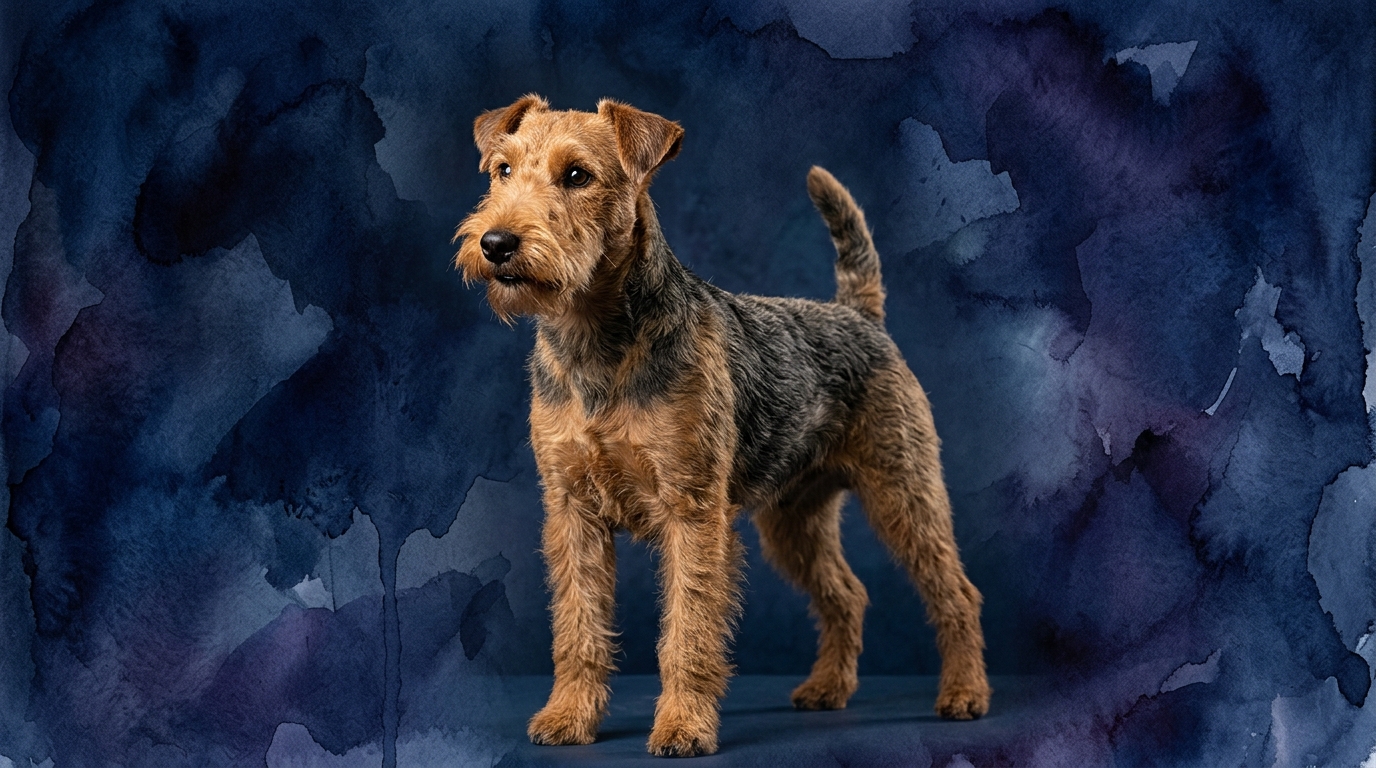
Side-by-Side Cognitive Profiles: Cavalier vs. Welsh Terrier
At The Cosmic Pet's IQ Lab, we evaluate five key cognitive dimensions to paint a comprehensive picture of a breed's mental aptitudes. For the Cavalier King Charles Spaniel, ranked #44 by Coren, and the unranked Welsh Terrier, their profiles reveal more nuance than a single number could convey.
The Cavalier King Charles Spaniel exhibits a Problem Solving score of 3/5. This indicates a moderate capacity for navigating daily challenges, often relying on familiar routines and human cues rather than independently devising complex solutions. They are adept at understanding basic environmental interactions but aren't typically strategizing intricate escape routes or multi-step puzzles. Their Training Speed is also 3/5, meaning they learn new commands and behaviors at an average pace. Consistency and positive reinforcement are effective, as their desire to please their human companions aids the learning process, allowing them to grasp concepts steadily over time. Where the Cavalier truly shines is in Social Intelligence, scoring an exceptional 5/5. They possess an innate ability to read human emotions, understand social dynamics, and adapt seamlessly to family life. This makes them profoundly empathetic and intuitive companions, often anticipating needs or reacting to subtle shifts in mood. Their Instinctive Drive is a moderate 3/5, primarily manifesting as a desire for comfort and companionship. While they retain a historical link to flushing small birds, this drive is generally subdued, making them less prone to intense prey pursuit. Finally, their Memory is rated 3/5, allowing them to recall learned commands, routines, and familiar faces reliably, though they may not retain highly intricate sequences or abstract information with perfect long-term precision.
The Welsh Terrier, while not appearing on Coren's traditional ranking, presents a distinct cognitive makeup. Their Problem Solving capability is 3/5, on par with the Cavalier, but often expressed through a more independent, tenacious approach. They might figure out how to access a forbidden area through persistent trial-and-error rather than seeking human assistance. Their Training Speed is also 3/5, indicating a similar learning pace to the Cavalier. However, their terrier independence means that while they can learn quickly, their willingness to comply can be more conditional, requiring a handler who understands how to motivate their spirited nature. Their Social Intelligence scores 3/5. While they form deep bonds with their family, they tend to be less overtly people-pleasing and more self-reliant than the Cavalier. They understand human cues but may choose to prioritize their own interests or explore their environment rather than constantly seeking social interaction. The Welsh Terrier's Instinctive Drive is 3/5, but this score reflects a robust drive for hunting, digging, and exploring. This isn't a subdued companion drive; rather, it’s a powerful inclination towards independent action and engagement with their environment, a core part of their terrier heritage. Their Memory is 3/5, enabling them to remember commands, routines, and consequences effectively, which can be a double-edged sword when they recall past successes in mischievous endeavors.
Where the Cavalier King Charles Spaniel Excels Cognitively
The Cavalier King Charles Spaniel's undeniable cognitive strength lies in their exceptional Social Intelligence, scoring a perfect 5/5 compared to the Welsh Terrier's 3/5. This isn't merely about being friendly; it's a profound capacity for emotional attunement and social navigation. Cavaliers are masters at reading their human companions, understanding subtle shifts in tone, body language, and mood. They use this sensitivity to adapt their behavior, offer comfort, or seek engagement at precisely the right moment. This superior social processing allows them to integrate into family life with remarkable ease, making them intuitive communicators and highly responsive to their owners' emotional states. They thrive on connection and actively seek to understand and participate in the social fabric of their household, creating a bond that feels deeply reciprocal. Their cognitive framework is geared towards harmonious coexistence and empathetic interaction, making them unparalleled companions for those seeking a dog deeply attuned to human emotions.
Where the Welsh Terrier Shows Unique Cognitive Strengths
While both breeds share a 3/5 score in Problem Solving, the Welsh Terrier's approach to challenges, heavily influenced by its 3/5 Instinctive Drive, highlights a distinct cognitive strength: independent, persistent engagement with their environment. Unlike the Cavalier, which might look to its human for guidance, the Welsh Terrier is more inclined to tackle obstacles autonomously. Their terrier heritage imbues them with a drive to explore, investigate, and overcome physical barriers through self-directed effort, whether it's figuring out how to get to a perceived 'prey' or navigating a complex scent trail. This tenacity and self-reliance in navigating their world, coupled with their moderate memory, means they learn from their independent actions and apply those lessons to future explorations. They excel in situations demanding a degree of self-sufficiency and a spirited willingness to engage with their surroundings without constant human instruction, making them adept at tasks requiring focused, independent work or exploration.
Training Dynamics: Cavalier King Charles Spaniel vs. Welsh Terrier
When it comes to ease of training, the Cavalier King Charles Spaniel generally offers a smoother experience. Their high social intelligence (5/5) translates directly into a strong desire to please and a keen responsiveness to human interaction. While their Training Speed is 3/5, their inherent eagerness to connect and their sensitivity to praise make them highly receptive to instruction. They are less likely to exhibit willful disobedience and more inclined to cooperate, viewing training as a shared activity that strengthens their bond with their owner. Their moderate instinctive drive (3/5) means fewer internal distractions from strong prey drives or independent urges, allowing them to focus more readily on the task at hand. This makes them a more forgiving breed for novice trainers or those seeking a dog that integrates commands with minimal friction.
The Welsh Terrier, while also having a Training Speed of 3/5, can present more challenges due to their independent and spirited terrier nature. Their moderate social intelligence (3/5) means they might not be as inherently motivated by pleasing their owner; instead, they often weigh the benefit of compliance against their own impulses. Their robust instinctive drive (3/5), geared towards exploration and pursuit, can easily divert their attention, making consistency and high-value rewards crucial. A Welsh Terrier might understand a command perfectly but choose to ignore it if a more interesting scent or sight captures their attention. Training a Welsh Terrier requires patience, firm consistency, and a deep understanding of their independent spirit. It's about channeling their energy and focus rather than expecting immediate, unwavering obedience, often requiring more creative and engaging training methods to maintain their interest and commitment.
Lifestyle Suitability: Active vs. Relaxed Owners
The Cavalier King Charles Spaniel is an ideal match for relaxed owners who prioritize companionship and a gentle pace of life. Their moderate instinctive drive (3/5) and profound social intelligence (5/5) mean they thrive on being an integral part of family activities, whether it's a quiet evening at home or a leisurely stroll in the park. They don't demand intense physical exertion but do appreciate regular, moderate exercise to stay healthy and engaged. Their contentment often stems from close proximity to their human companions, making them perfectly suited for those seeking a devoted, calm presence that fits seamlessly into a less strenuous lifestyle. They adapt well to apartment living, provided they receive sufficient human interaction and daily outings.
Conversely, the Welsh Terrier is better suited for active owners who relish outdoor adventures and structured engagement. Their inherent terrier drive (3/5, expressed as tenacity and exploration) means they possess a robust energy level and a need for consistent mental and physical stimulation. They are not content to be mere lapdogs; they thrive on activities that allow them to use their natural instincts, such as energetic walks, hikes, structured play sessions, or even dog sports. Owners who enjoy training challenges, exploring new environments, and providing outlets for digging and chasing will find the Welsh Terrier a spirited and rewarding companion. They need an owner who can provide consistent exercise and mental enrichment to prevent boredom-driven behaviors, making them a better fit for dynamic, engaged households.
The Verdict
Choose the Cavalier King Charles Spaniel if your priority is an exceptionally empathetic, socially intelligent companion who thrives on deep connection and a calm, integrated family life.
Opt for the Welsh Terrier if you appreciate an independent, spirited dog with a zest for active exploration, and you're prepared to engage their tenacious drives with consistent training and stimulating activities.
🧠 Find Your Pet's IQ Score
Our Pet IQ Lab assessment covers 25+ tests across 5 cognitive dimensions — personalized to your breed.
Take the Full IQ Test →Frequently Asked Questions
Are Cavalier King Charles Spaniels good with other pets?
Yes, their high social intelligence generally makes them adaptable and friendly with other pets, often seeking out companionship. Early socialization further enhances their ability to coexist harmoniously in a multi-pet household, making them a good choice for families with existing animals.
Do Welsh Terriers require a lot of grooming?
Welsh Terriers have a wiry, double coat that requires regular grooming to maintain its condition and prevent matting. This typically involves weekly brushing and professional stripping or clipping every few months to keep their coat healthy and their distinctive appearance neat.
How do their Coren rankings compare?
The Cavalier King Charles Spaniel is ranked #44 by Coren, indicating average working intelligence and obedience, while the Welsh Terrier is not specifically ranked on Coren's list. This means we rely more heavily on their individual cognitive profiles to understand their specific aptitudes, rather than a direct comparative obedience metric.