Side-by-Side Cognitive Profile: Unpacking Identical Scores
At first glance, the Cosmic Pet Pet IQ Lab scores for both the Cesky Terrier and the Norwegian Lundehund present an identical picture across all five dimensions: Problem Solving 3/5, Training Speed 3/5, Social Intelligence 3/5, Instinctive Drive 3/5, and Memory 3/5. However, these identical moderate scores do not imply identical cognitive manifestation. Instead, they represent a baseline of capability that is colored by each breed's unique history, physical adaptations, and temperament, leading to distinct expressions of intelligence.
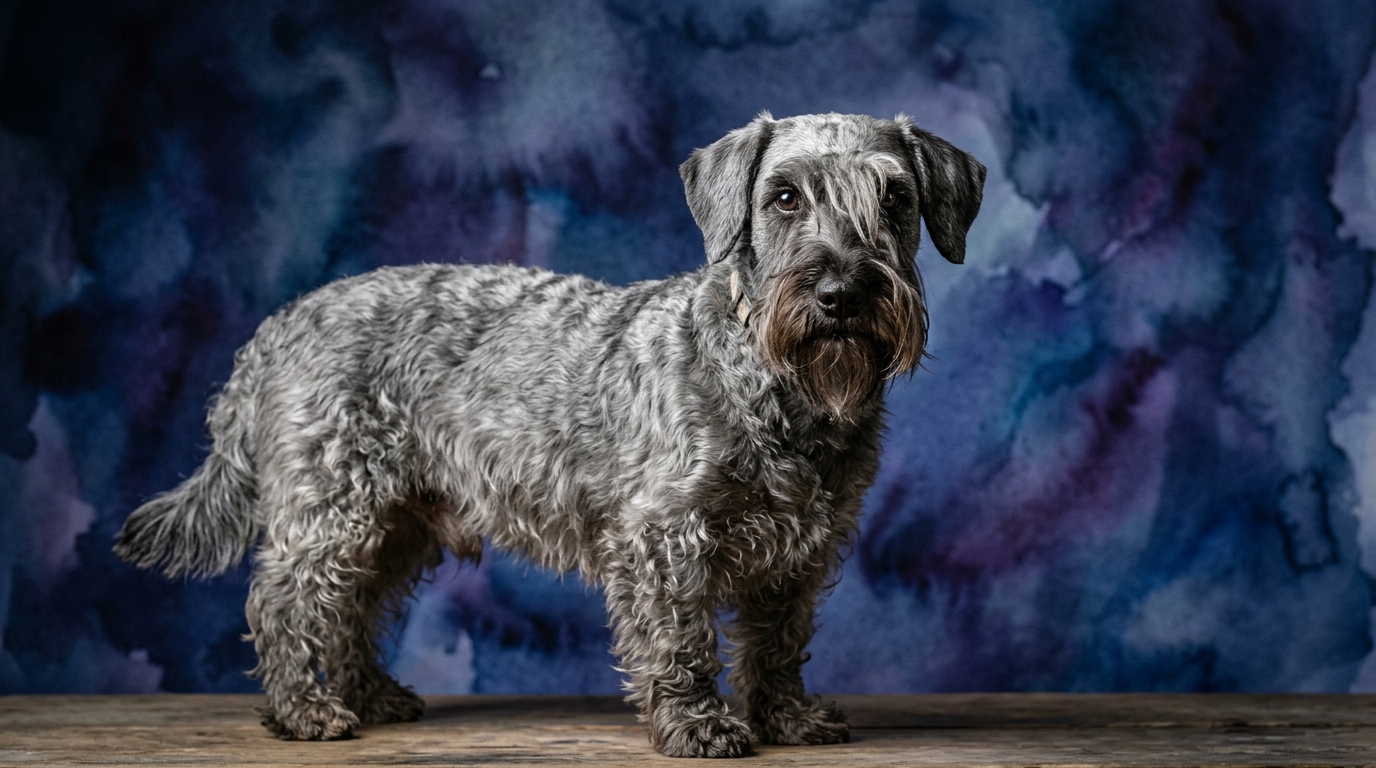
For the **Cesky Terrier**, a breed developed in Czechoslovakia for hunting fox and badger, a Problem Solving score of 3/5 often translates into a tenacious, focused approach to challenges. They are adept at figuring out how to navigate tight spaces or persistent in efforts to reach a desired object, exhibiting a practical, results-oriented intellect. Their Training Speed at 3/5 means they grasp concepts reasonably well, but their independent terrier spirit can sometimes lead to a selective application of learned behaviors. Social Intelligence at 3/5 suggests they are generally aware of human moods and family dynamics, often forming strong bonds, though they might display a reserved initial approach to strangers. Their Instinctive Drive, also 3/5, is typically expressed as a moderate but present prey drive, a desire to dig, and an alertness characteristic of a working terrier. Memory at 3/5 indicates they retain learned commands and routines effectively, along with remembering positive and negative experiences.
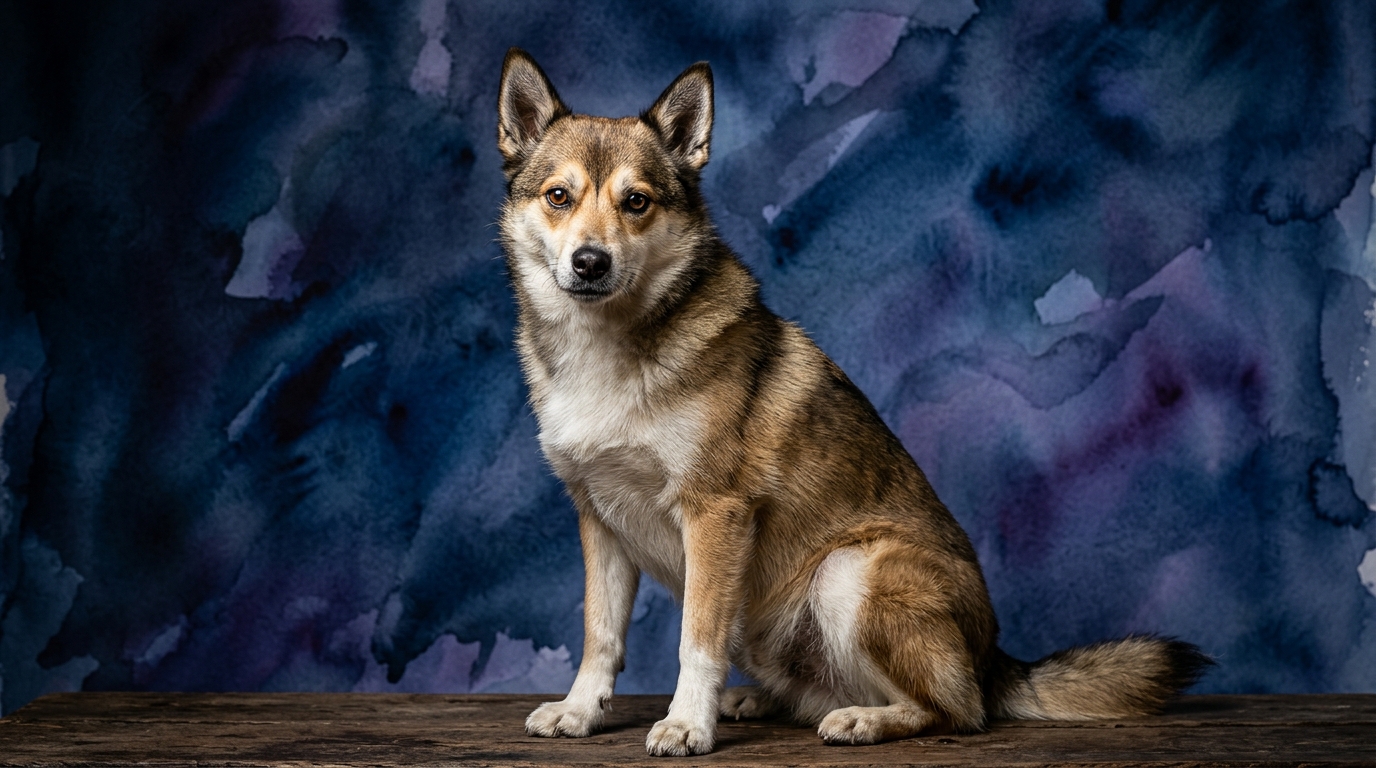
The **Norwegian Lundehund**, a rare breed originating from Norway, uniquely adapted for hunting puffins in cliffside caves, interprets these same 3/5 scores through a very different lens. Their Problem Solving at 3/5 is often displayed as an incredible adaptability and spatial awareness, crucial for navigating treacherous, confined environments. They excel at figuring out complex pathways and utilizing their unique physical flexibility to overcome obstacles. Training Speed at 3/5 for a Lundehund means they are capable of learning, but their deep-seated independence and historical lack of close human collaboration often require patient, positive reinforcement methods. Their Social Intelligence at 3/5 manifests as an observational, somewhat reserved nature; they are highly attuned to their environment and their inner circle but can be cautious with novelty or new people. An Instinctive Drive of 3/5 in the Lundehund is heavily skewed towards exploration, climbing, and an almost cat-like agility, driven by their historical foraging and hunting methods. Memory at 3/5 means they are excellent at remembering complex routes, locations of interest, and the specific cues associated with their environment, as well as their human companions.
Where the Cesky Terrier Cognitively Excels
Despite sharing identical numerical scores, the Cesky Terrier frequently demonstrates a cognitive edge in tasks requiring sustained focus and a singular objective, reflective of its terrier heritage. Their 3/5 Problem Solving score, when applied to a specific task like unearthing a toy or navigating an agility course, is often accompanied by a determined, unyielding mental persistence. This breed tends to 'lock on' to a goal with a practical intelligence, making them particularly adept at intricate scent work or puzzle toys that demand methodical, step-by-step engagement. Their moderate Instinctive Drive (3/5) is channeled into a focused tenacity, allowing them to work through distractions when motivated by a clear reward or the thrill of the chase, an attribute that can be harnessed in various mentally stimulating activities.
Where the Norwegian Lundehund Demonstrates Unique Cognitive Strengths
The Norwegian Lundehund's cognitive strengths, while also rated 3/5 in our metrics, are profoundly shaped by its extraordinary physical adaptations and historical role. Their Problem Solving (3/5) is particularly pronounced in tasks demanding spatial reasoning, adaptability, and physical dexterity. A Lundehund can often 'out-think' a physical barrier by finding an unconventional route, utilizing their flexible joints to squeeze through tight spaces, or climbing with surprising grace. This breed's moderate Instinctive Drive (3/5) is expressed as a powerful exploratory urge and a keen ability to map out complex environments, making them exceptional at navigating novel terrains or intricate indoor puzzles. Their intelligence shines in scenarios where creative, non-linear solutions are required, often involving a blend of physical and mental agility that few other breeds possess.
Trainability: Navigating Distinct Personalities with Identical Scores
When considering which breed is easier to train, the identical 3/5 Training Speed score requires us to look beyond the number and into behavioral nuances. The Cesky Terrier, with its terrier temperament, can be a willing learner when engaged, but their independent streak means they might choose to ignore commands if they perceive a more interesting activity or lack sufficient motivation. Consistency, patience, and making training feel like a game are crucial to overcome their occasional stubbornness. They respond well to clear boundaries and positive reinforcement, but an owner must be prepared for their innate inclination to make their own decisions.
The Norwegian Lundehund, while equally capable of learning at a 3/5 pace, presents a different set of considerations due to their deep-seated independence and historical role. Having evolved to work largely autonomously, they do not possess the same innate desire to please humans as some other breeds. Training a Lundehund often requires a highly engaging, positive, and varied approach to maintain their interest. They can become bored with repetition and may choose to disengage if they don't see the immediate value in a command. Their unique physical capabilities mean they learn body awareness quickly, but their drive to explore can sometimes override their focus on formal obedience. Both breeds benefit immensely from early socialization and consistent, reward-based training, but the Cesky's focus can be more easily directed, while the Lundehund's independence demands a more creative and less demanding approach.
Matching Lifestyles: Active Explorers vs. Engaged Companions
The decision between a Cesky Terrier and a Norwegian Lundehund also hinges on an owner's lifestyle, even with similar Instinctive Drive ratings. The Cesky Terrier, with its 3/5 Instinctive Drive, thrives with owners who can provide consistent mental stimulation and moderate physical activity. They enjoy structured walks, puzzle toys, and opportunities for digging in designated areas. While they appreciate a good romp, they are equally content to settle down with their family, making them suitable for owners who enjoy a blend of activity and relaxed companionship. Their moderate social intelligence makes them adaptable to various family settings, provided their need for engagement is met.
The Norwegian Lundehund, also at 3/5 Instinctive Drive, demands a different kind of 'activity.' Their drive is heavily focused on exploration, climbing, and navigating varied terrains. Owners who are active hikers, enjoy outdoor adventures, or can provide a safe, enriched environment with climbing opportunities will find a Lundehund a fascinating companion. They are not necessarily high-energy in the traditional sense of needing to run for miles, but they require significant mental engagement through environmental exploration and problem-solving. Owners who appreciate a more independent, observant companion and can provide outlets for their unique exploratory instincts will find the Lundehund a rewarding, albeit distinctive, partner. They are less suited for a purely 'relaxed' owner who cannot accommodate their need for varied environmental engagement.
The Verdict
Choose the Cesky Terrier if you appreciate a tenacious, practical problem-solver who enjoys a balance of activity and family time, and you're prepared for a moderate terrier independence in training.
Opt for the Norwegian Lundehund if you are an adventurous owner who values an independent, adaptable companion with unique physical and spatial problem-solving skills, and you can provide ample opportunities for exploration and environmental engagement.
🧠 Find Your Pet's IQ Score
Our Pet IQ Lab assessment covers 25+ tests across 5 cognitive dimensions — personalized to your breed.
Take the Full IQ Test →Frequently Asked Questions
Do Cesky Terriers and Norwegian Lundehunds get along with children?
Both breeds, with their 3/5 Social Intelligence, can do well with children, especially if raised with them. Cesky Terriers tend to be more robust and playful, while Lundehunds might be more reserved and prefer older, respectful children. Early socialization is key for both to ensure positive interactions.
What kind of mental stimulation do these breeds need?
With a 3/5 Problem Solving and Memory, both benefit from regular mental challenges. Cesky Terriers enjoy puzzle toys, scent work, and learning new tricks. Norwegian Lundehunds thrive on environmental exploration, agility-style challenges that use their unique flexibility, and varied routes during walks to engage their spatial reasoning.
Are Cesky Terriers or Norwegian Lundehunds prone to any specific behavioral issues related to their intelligence?
Their 3/5 Instinctive Drive can manifest differently: Ceskys might exhibit digging or chasing if not managed, while Lundehunds' strong exploratory drive can lead to Houdini-like escapes if their environment isn't secure or stimulating enough. Proper training and enrichment are essential to channel these drives constructively.