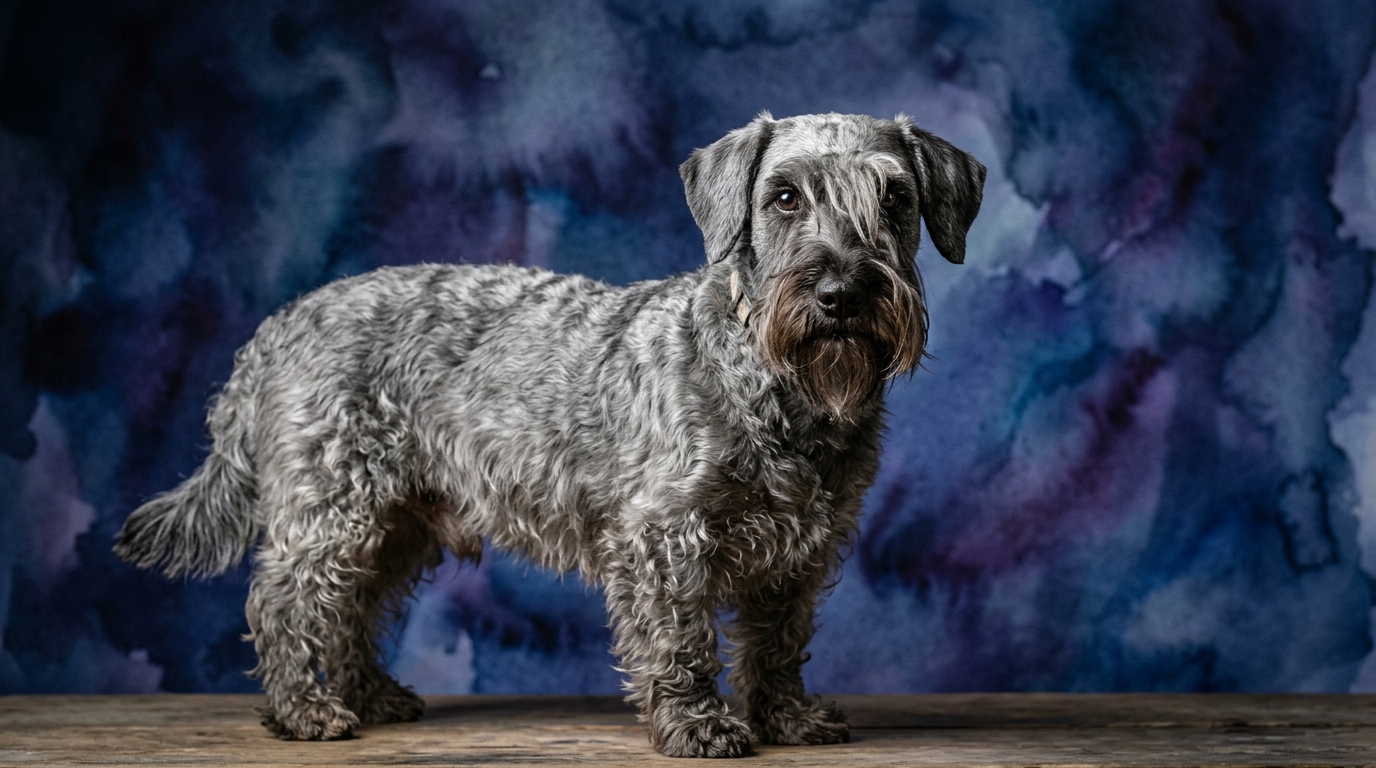
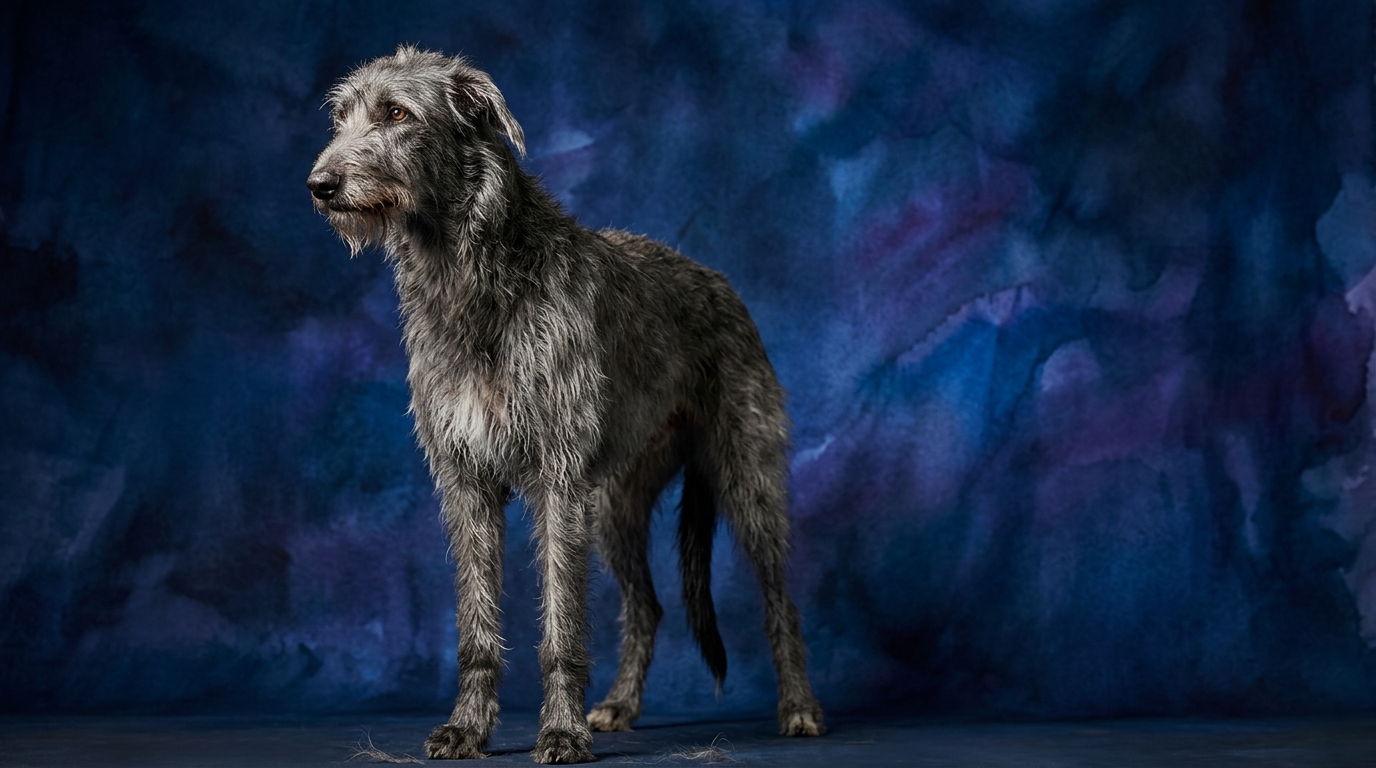
Side-by-Side IQ Profile: Unpacking the 3/5 Scores
**Problem Solving (3/5):** This score suggests a moderate capacity for navigating novel challenges and strategizing. For the Cesky Terrier, this often translates into a resourceful approach to tasks, perhaps finding clever ways to retrieve a toy or bypass an obstacle, reflecting its terrier tenacity. The Scottish Deerhound, with its sighthound heritage, might apply this problem-solving to its environment, such as efficiently tracking a perceived movement or calculating the best path during a chase, prioritizing speed and visual cues over complex manipulation.
**Training Speed (3/5):** A 3/5 indicates a reasonable pace for learning new commands and routines. The Cesky Terrier, while eager to please its family, can sometimes exhibit the independent streak characteristic of terriers, requiring consistent and engaging training methods to maintain focus. The Scottish Deerhound, though generally biddable and gentle, can be sensitive and, like many sighthounds, may find repetitive drills less stimulating than activities that engage their natural instincts, meaning training success often hinges on motivational relevance.
**Social Intelligence (3/5):** This score points to a moderate ability to understand and respond to social cues from humans and other animals. Cesky Terriers typically form strong bonds with their families, demonstrating an awareness of household dynamics and moods, though they might be reserved with strangers. Scottish Deerhounds are known for their gentle and dignified nature, often displaying a nuanced understanding of their human companions' emotions and a tolerant, if sometimes aloof, approach to new acquaintances.
**Instinctive Drive (3/5):** A moderate instinctive drive manifests differently in these breeds. For the Cesky Terrier, this includes a pronounced prey drive, a natural inclination to dig, and an alertness that makes them effective watchdogs, all rooted in their vermin-hunting origins. The Scottish Deerhound's drive is overwhelmingly focused on pursuit; their instinct to chase anything that moves at speed is a powerful force, a direct legacy of their historical role in hunting large game.
**Memory (3/5):** A 3/5 memory suggests these breeds retain learned information and experiences adequately. Both breeds are capable of remembering commands, routines, and specific people or places over time. The Cesky Terrier might recall the location of a buried treasure or a successful route through a puzzle, while the Scottish Deerhound could remember the layout of a familiar park or the scent trail of a particular animal, demonstrating practical application of their memory in their respective worlds.
Where the Cesky Terrier Cognitively Shines
While both breeds share identical 3/5 scores, the Cesky Terrier's cognitive strengths often manifest in its adaptable problem-solving and focused social engagement within a family unit. Its terrier heritage imbues it with a persistent curiosity and a willingness to engage with its environment in a hands-on manner. This means its 3/5 problem-solving might present as greater ingenuity in manipulating objects or navigating complex indoor spaces, finding novel solutions to access desired items or overcome household barriers. Furthermore, its social intelligence, though rated similarly, often translates into a more direct and interactive bond with its core human family, making it particularly attuned to their subtle cues and emotional states within a close-knit setting. This focused social awareness, coupled with its moderate instinctive drive, allows it to integrate seamlessly into varied family routines, adapting its natural behaviors to suit diverse domestic environments.
Where the Scottish Deerhound Cognitively Excels
The Scottish Deerhound's cognitive strengths, despite the shared 3/5 ratings, are distinctly shaped by its sighthound lineage, manifesting particularly in its expansive spatial awareness and refined social demeanor. Its 3/5 problem-solving often involves rapid assessment of open environments, calculating trajectories and distances with impressive accuracy during bursts of activity; this isn't about manipulating objects, but rather intelligent navigation and pursuit over vast areas. The Deerhound's 3/5 instinctive drive, predominantly expressed as a powerful chase instinct, is coupled with a keen visual memory, allowing it to recall not just a path, but the dynamic movements and visual triggers that signify potential prey or play. Socially, its 3/5 intelligence often translates into a quiet dignity and a gentle, empathetic understanding of human moods, providing a calming presence rather than an overtly boisterous one, making it a perceptive companion in a different, more serene manner than the terrier.
Training Dynamics: Nuances Behind the 3/5 Speed
Both the Cesky Terrier and the Scottish Deerhound possess a 3/5 training speed, indicating they learn at a moderate pace. However, the *experience* of training differs significantly due to their inherent temperaments and motivations. The Cesky Terrier, a terrier at heart, brings a certain independent spirit to the training arena. While bright and capable of learning commands, their 3/5 training speed might be influenced by a tendency to question the necessity of a command or to get sidetracked by more interesting scents or sounds. Success with a Cesky often requires engaging, positive reinforcement methods that appeal to their playful nature and strong desire for interaction, overcoming their potential for stubbornness.
In contrast, the Scottish Deerhound, while equally capable of learning at a 3/5 pace, presents a different set of considerations. As a sighthound, they can be sensitive to harsh corrections and may become withdrawn if training is not gentle and encouraging. Their moderate instinctive drive, heavily geared towards chasing, means that distractions in an outdoor environment can easily override their focus on commands. Effective training for a Deerhound leverages their gentle nature and desire for companionship, often incorporating activities that satisfy their need for bursts of speed and visual engagement, rather than relying solely on repetitive obedience drills.
Matching Breeds to Lifestyles: Active vs. Relaxed Owners
Choosing between a Cesky Terrier and a Scottish Deerhound often comes down to the owner's lifestyle and living situation, despite their similar cognitive ratings. The Cesky Terrier, a compact and robust breed, is well-suited for active owners who appreciate a versatile companion. Their moderate instinctive drive and problem-solving skills make them excellent partners for varied activities, from brisk walks and agility courses to engaging in puzzle toys. They can adapt to apartment living if given ample daily exercise and mental stimulation, making them a good fit for owners who enjoy regular, moderate activity and have the time to engage in interactive play and training sessions.
The Scottish Deerhound, with its imposing size and specific needs, is better suited for owners who can provide ample space and understand their unique activity patterns. While they require bursts of intense running to satisfy their strong instinctive drive, they are also content to spend significant time lounging indoors, often described as "45-mph couch potatoes." This makes them ideal for owners with large, securely fenced yards or access to safe, open areas where they can gallop freely. Their gentle social intelligence makes them wonderful, calm companions for more relaxed home environments, provided their need for intense, albeit brief, physical exertion is consistently met. They are not suited for apartment living due to their size and need for space to stretch out, making them a better match for owners seeking a dignified, serene, yet powerfully athletic partner who appreciates a balance of vigorous exercise and quiet companionship.
The Verdict
Choose the Cesky Terrier if you seek a versatile, moderately active companion who thrives on close family interaction, enjoys varied mental challenges within a more confined space, and appreciates a resilient, adaptable partner for everyday adventures.
Choose the Scottish Deerhound if you have ample space, value a dignified and gentle giant with periods of intense athletic need followed by serene companionship, and are prepared to accommodate a sighthound's unique blend of powerful drive and calm home demeanor.
🧠 Find Your Pet's IQ Score
Our Pet IQ Lab assessment covers 25+ tests across 5 cognitive dimensions — personalized to your breed.
Take the Full IQ Test →Frequently Asked Questions
Are Cesky Terriers good with children?
Cesky Terriers generally possess a moderate social intelligence and can be good with respectful children, especially if raised with them. Their terrier tenacity means supervision is always wise, ensuring interactions are positive and gentle from both sides. They appreciate a calm household but are playful companions.
How much exercise does a Scottish Deerhound need?
Scottish Deerhounds require daily opportunities for intense, free-running exercise in a safe, securely fenced area to satisfy their strong instinctive drive. Beyond these bursts of activity, they are relatively relaxed indoors and enjoy lounging, making a balance of vigorous outdoor play and quiet indoor time essential for their well-being.
Do Cesky Terriers bark a lot?
Cesky Terriers, with their moderate instinctive drive and alertness, can be prone to barking, particularly in response to perceived intruders or novel sounds. Consistent training and early socialization can help manage this tendency, channeling their watchfulness into appropriate expressions rather than excessive noise.