Side-by-Side Cognitive Profiles
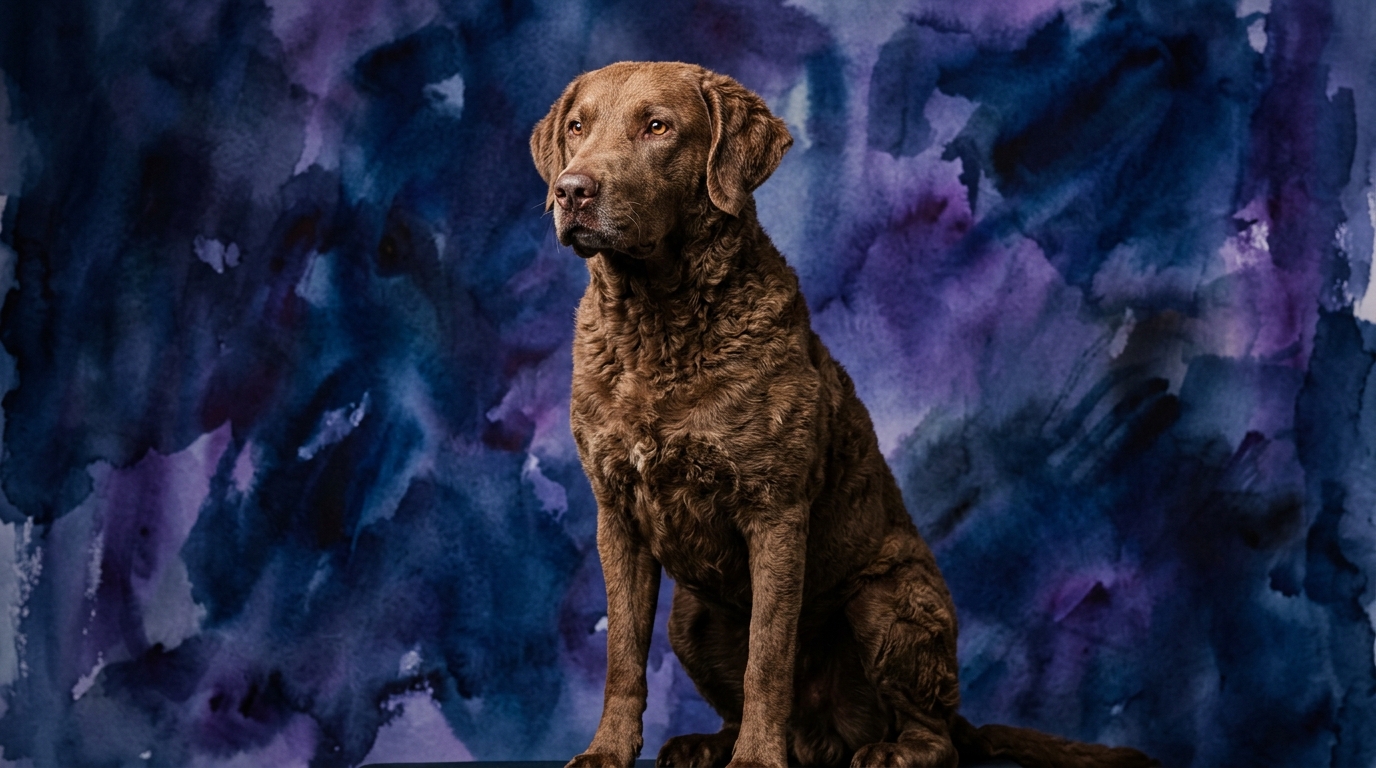
The Chesapeake Bay Retriever, a dedicated Sporting group member, holds a notable Coren rank of #27, indicating a strong capacity for obedience and working tasks. Their IQ profile showcases a Problem Solving score of 4/5, reflecting an impressive ability to independently navigate complex situations and devise solutions. Training Speed is also rated at 4/5, suggesting they grasp new commands and routines with relative swiftness, often requiring fewer repetitions. Social Intelligence stands at 3/5, pointing to a moderate capacity for interpreting human cues and adapting their behavior within social contexts, though they are often described as having a more reserved nature. Their Instinctive Drive is 3/5, reflecting a solid, purposeful inherent drive for tasks like retrieving or scent work, but not to an overwhelming degree. Finally, their Memory is strong at 4/5, implying an excellent recall of learned commands, routines, and even specific environmental details, crucial for their working roles.
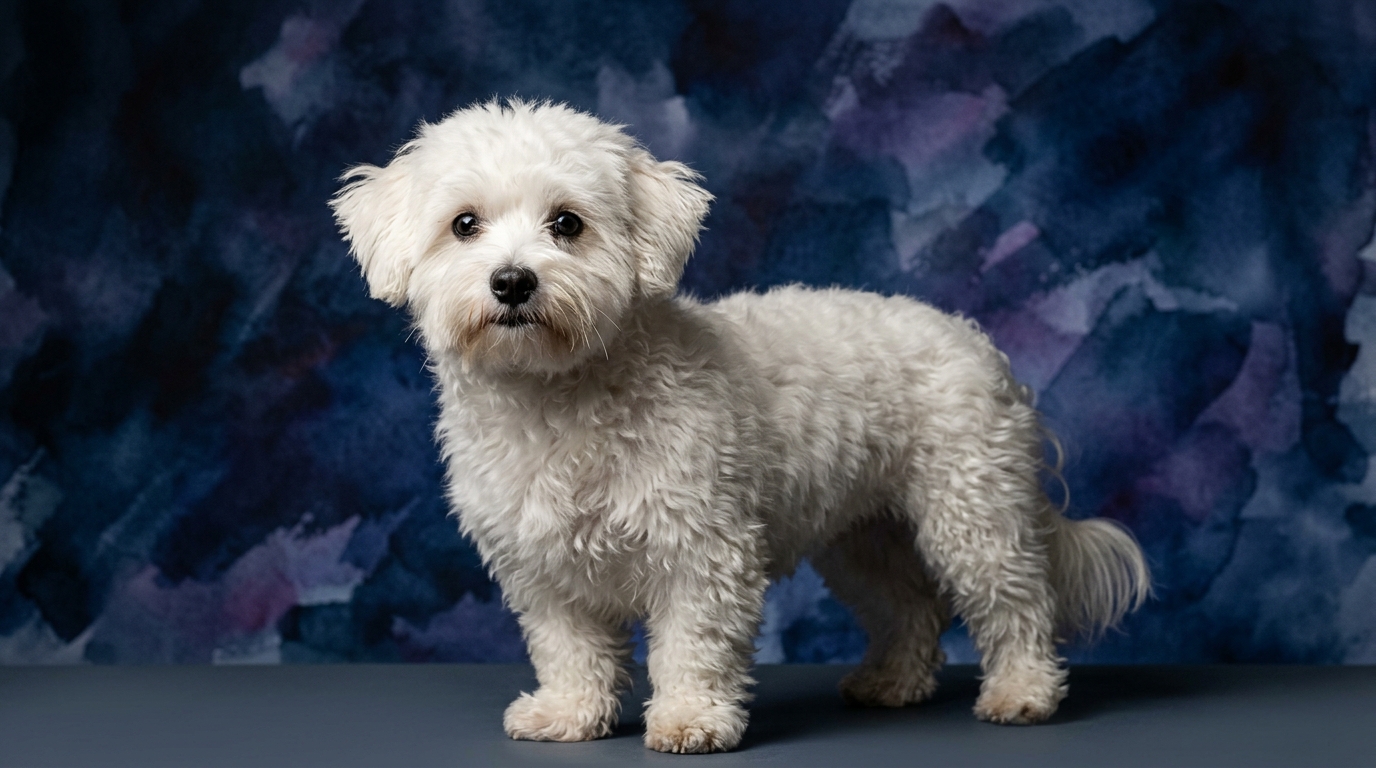
In contrast, the Coton de Tuléar, a beloved Non-Sporting companion, is not Coren-ranked, as their cognitive strengths are typically applied to companionship rather than specialized work. Their IQ dimensions are consistently rated at 3/5 across the board. Problem Solving at 3/5 indicates a fair ability to navigate everyday challenges or learn simple tricks, though they might rely more on trial-and-error or human guidance for complex issues. Training Speed at 3/5 suggests they learn at a steady pace, responding well to consistent and patient repetition for new commands. Social Intelligence also at 3/5 means they show a moderate capacity to read human emotions and respond socially, often displaying a strong bond with their family members. Their Instinctive Drive at 3/5 is less task-oriented, leaning more towards companionship, play, and perhaps some light alerting. Memory at 3/5 implies a solid recall for their routines and familiar individuals, but perhaps not for complex sequences or commands with the same precision as a working breed.
Where the Chesapeake Bay Retriever Excels Cognitively
The Chesapeake Bay Retriever clearly demonstrates superior cognitive strengths in several key areas. Their 4/5 score in Problem Solving indicates a pronounced ability to independently analyze and overcome obstacles, a trait honed by generations of retrieving in challenging environments. This means a Chessie is more likely to figure out how to access a desired object or navigate a tricky path without direct intervention, compared to a Coton. Furthermore, their 4/5 Training Speed score highlights a quicker acquisition of new behaviors and commands. They process information and form associations more rapidly, making them highly responsive to structured learning. Coupled with a 4/5 Memory, Chessies retain these learned skills and routines with impressive longevity, ensuring that once a command is mastered, it sticks. This combination of swift learning, strong retention, and independent problem-solving makes the Chessie a formidable cognitive performer in task-oriented situations.
Where the Coton de Tuléar Shows Distinct Cognitive Strengths
While the Coton de Tuléar's individual scores are uniform at 3/5, their cognitive strengths lie in a different domain, optimized for companionship. Their consistent 3/5 in Social Intelligence, while numerically matching the Chessie, manifests differently; it's often channeled into an exceptional attunement to family dynamics and emotional states. Cotons thrive on interaction and can be remarkably perceptive of their owners' moods, offering comfort or initiating play accordingly. Their instinctive drive, also 3/5, is less about an external task and more about engaging with their human family, directing their cognitive energy towards being present and adaptable members of the household. This breed’s cognitive resources are primarily dedicated to navigating social relationships and enjoying harmonious coexistence, making them adept at fitting into various family lifestyles with a gentle, engaging presence. Their lack of a specialized working drive means their mental faculties are free to focus on the nuances of human-dog bonding.
Training Dynamics: Chesapeake Bay Retriever vs. Coton de Tuléar
Training a Chesapeake Bay Retriever typically involves a faster learning curve due to their 4/5 Training Speed and robust 4/5 Memory. They grasp complex commands and multi-step sequences with relative ease, making them excellent candidates for advanced obedience, field work, or dog sports. Their instinctive drive, though moderate at 3/5, is often directed towards working alongside a handler, fostering an eagerness to perform tasks. However, their strong problem-solving skills and independent nature mean consistency and clear leadership are paramount; a Chessie might 'test' boundaries or try to figure things out their own way if training isn't firm and engaging. They thrive on structured, goal-oriented training sessions that provide mental stimulation.
The Coton de Tuléar, with a 3/5 Training Speed and 3/5 Memory, learns at a steady, deliberate pace. They respond exceptionally well to positive reinforcement and patience, building upon established routines. Their social intelligence (3/5) means they enjoy the interactive aspect of training and pleasing their owners, but they may become bored more quickly with highly repetitive drills compared to a working breed. Training for a Coton often focuses on good manners, house-training, and companion skills, which they master effectively with gentle guidance. While capable of learning tricks and basic obedience, their lack of intense working drive means training should be fun and varied, emphasizing bonding over rigorous task completion. They are generally more sensitive to harsh methods, requiring a light touch and plenty of praise.
Matching Breeds to Owner Lifestyles
The Chesapeake Bay Retriever is an ideal match for active owners who relish outdoor adventures and are prepared to provide consistent mental and physical challenges. Their strong problem-solving ability, rapid training speed, and enduring memory mean they thrive when engaged in activities like retrieving games, scent work, hiking, or competitive dog sports. An owner who can channel their purposeful instinctive drive into constructive outlets will find a dedicated and capable partner. Without sufficient stimulation, a Chessie's considerable cognitive and physical energy can lead to boredom-induced behaviors, making them unsuitable for predominantly relaxed or sedentary households.
Conversely, the Coton de Tuléar suits owners who seek a charming, adaptable companion that enjoys consistent interaction without demanding intense, specialized work. Their moderate cognitive scores across the board indicate they appreciate daily walks, indoor play, and interactive toys, which adequately satisfy their mental and physical needs. Cotons are content to be close to their family, participating in daily life, and their cognitive strengths are best utilized in social interaction and gentle companionship. This makes them an excellent choice for individuals or families who prefer a less demanding activity schedule but are committed to providing affection, consistent routine, and moderate engagement, ensuring their social intelligence and amiable nature can flourish.
The Verdict
Choose the Chesapeake Bay Retriever if you are an active individual or family seeking a robust, task-oriented canine partner who thrives on complex challenges and consistent outdoor engagement.
Opt for the Coton de Tuléar if you desire an adaptable, charming companion dog whose cognitive strengths are best expressed through social interaction, moderate play, and a harmonious family life.
🧠 Find Your Pet's IQ Score
Our Pet IQ Lab assessment covers 25+ tests across 5 cognitive dimensions — personalized to your breed.
Take the Full IQ Test →Frequently Asked Questions
Can a Coton de Tuléar excel in dog sports?
While not bred for intense working roles, Cotons can certainly enjoy and perform well in dog sports like agility or obedience, especially when training is kept positive and engaging. Their moderate problem-solving and social intelligence make them capable learners, though perhaps not with the same competitive drive as a specialized sporting breed.
Do Chesapeake Bay Retrievers require a lot of mental stimulation?
Absolutely. With high scores in problem-solving, training speed, and memory, Chessies need consistent mental challenges to prevent boredom and destructive behaviors. Daily training sessions, puzzle toys, and engaging activities like retrieving or scent work are crucial for their cognitive well-being.
Is one breed more 'intelligent' than the other?
Rather than one being universally 'smarter,' it's more accurate to say their intelligences are specialized for different purposes. The Chesapeake Bay Retriever excels in task-oriented cognition and rapid skill acquisition, while the Coton de Tuléar's cognitive strengths lean towards adaptable companionship and nuanced social interaction within a family setting.