Cognitive Profiles: Chesapeake Bay Retriever vs. Glen of Imaal Terrier
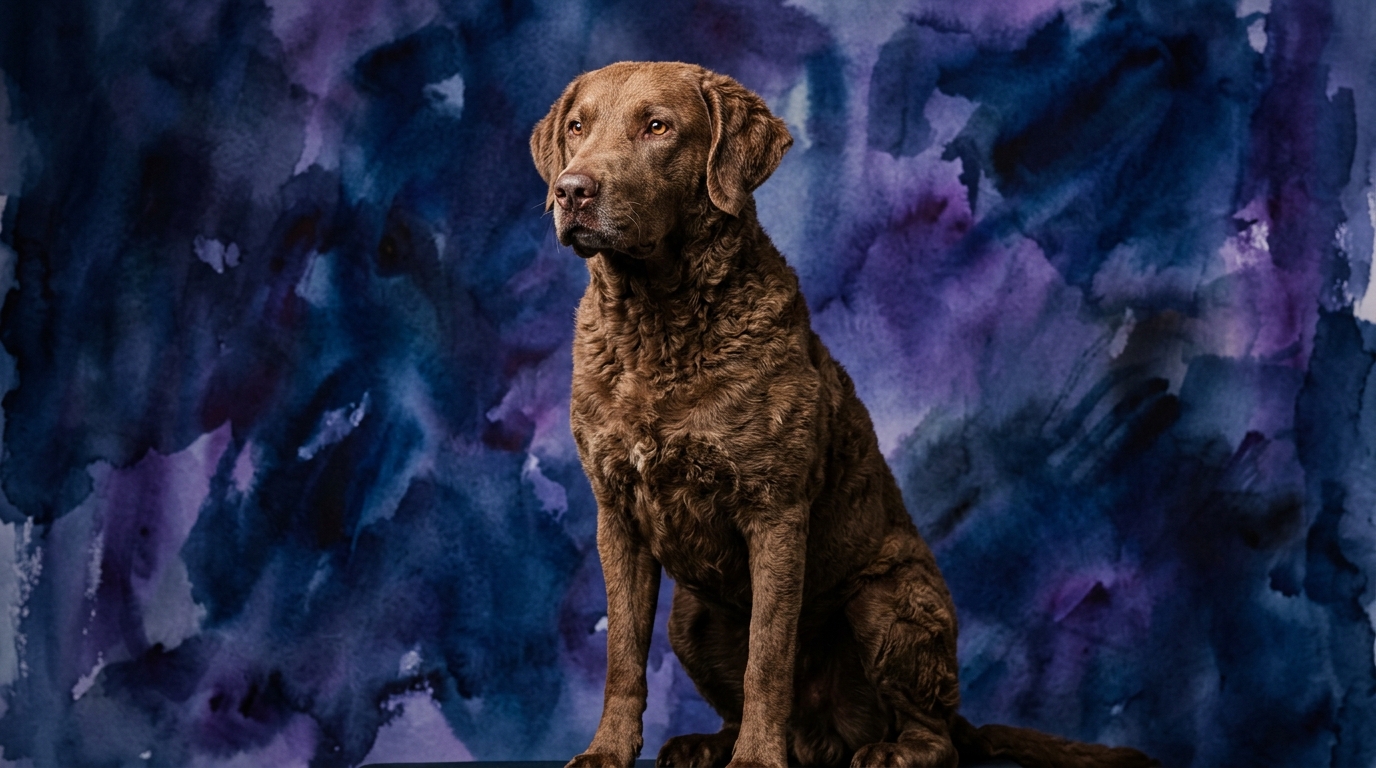
The Chesapeake Bay Retriever, a robust sporting dog forged for demanding water retrieves, exhibits a cognitive makeup optimized for cooperative work and complex task execution. Their problem-solving ability rates at a solid 4/5, reflecting their capacity to navigate intricate environments and overcome obstacles to complete a job, such as finding a downed bird in dense cover. Training speed is also strong at 4/5, indicating a quick grasp of new commands and a willingness to integrate them into their working repertoire. Social intelligence stands at 3/5; while deeply bonded with their family, they can be reserved or wary with strangers, preferring to observe before engaging. Their instinctive drive, rated 3/5, is powerfully channeled into retrieving and water work, often requiring appropriate outlets to prevent misdirection. Finally, their memory, at 4/5, allows them to retain complex sequences and recall specific locations, crucial for efficient hunting and competitive sports.
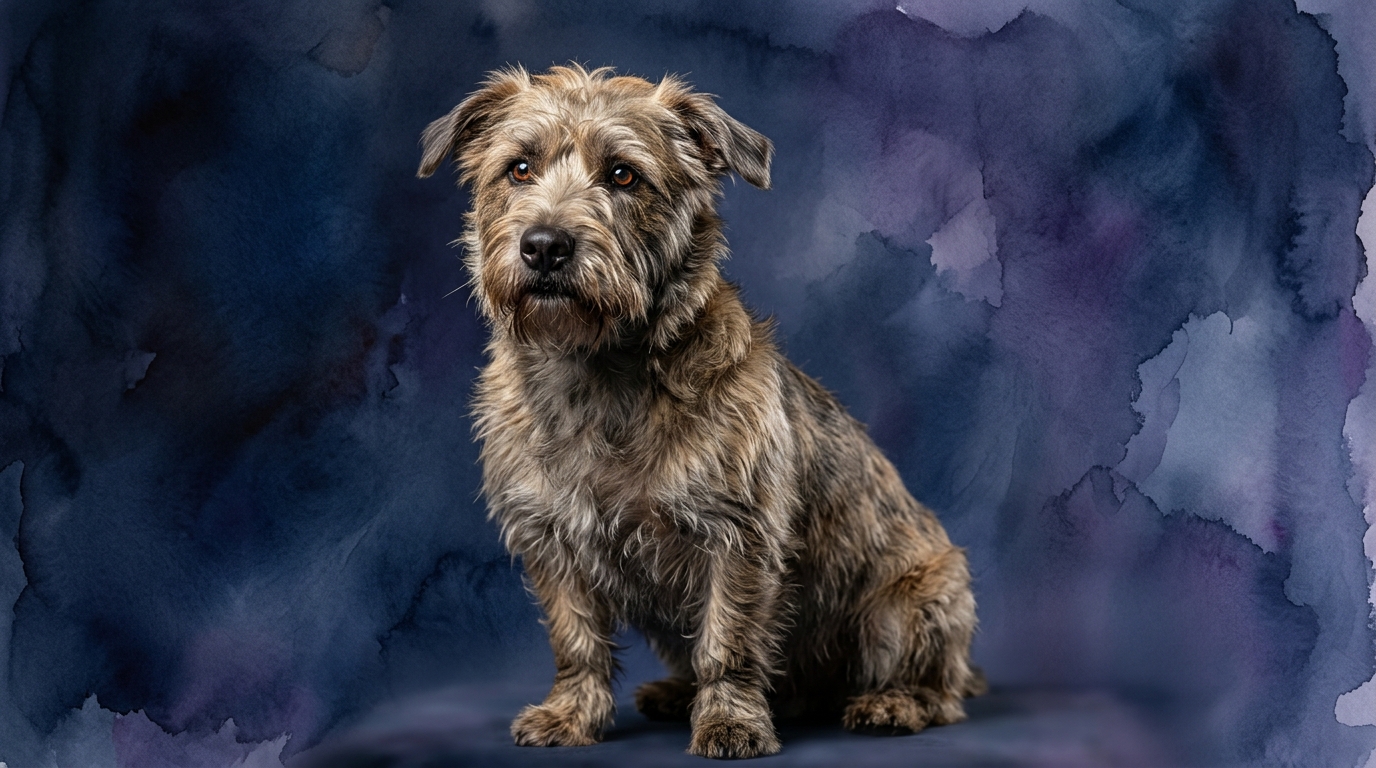
In contrast, the Glen of Imaal Terrier, a sturdy terrier developed for independent vermin hunting, presents a different cognitive landscape. Their problem-solving skills are rated 3/5, adept at figuring out challenges related to their primary function, such as how to access a burrow or outwit a quarry, often relying on ingenuity and persistence rather than human direction. Training speed is 3/5, meaning they learn at a moderate pace, but their independent nature often means they require consistent motivation and patient, engaging methods to ensure compliance. Social intelligence, also 3/5, manifests as an observant yet often self-sufficient demeanor; they are loyal to their family but generally less overtly demonstrative and can be selective about their interactions with others. Their instinctive drive, rated 3/5, is powerfully focused on digging, chasing, and independent exploration, a fundamental aspect of their being that demands mindful management. Their memory, at 3/5, is sufficient for routines and basic commands, but might not retain intricate sequences as effortlessly as some breeds, often benefiting from regular reinforcement.
Cognitive Advantages: The Chesapeake Bay Retriever's Edge
The Chesapeake Bay Retriever showcases distinct cognitive strengths, particularly in areas demanding focused cooperation and rapid learning. Their superior problem-solving (4/5) shines in scenarios requiring complex decision-making under pressure, such as assessing water currents, navigating obstacles, and marking multiple falls during a retrieve. They are adept at processing environmental cues and adapting their strategy on the fly, a skill honed by generations of demanding field work. This isn't just about brute force; it's about intelligent application of physical prowess.
Furthermore, their higher training speed (4/5) means they typically acquire new commands and routines more quickly than the Glen of Imaal Terrier. This biddability, coupled with a strong desire to work alongside their handler, makes them excellent candidates for advanced obedience, competitive retrieving, and other dog sports where precision and prompt execution are paramount. Their excellent memory (4/5) reinforces this, allowing them to retain vast amounts of information—from specific hand signals to the location of a hidden dummy—over extended periods, leading to reliable and consistent performance in structured environments.
Cognitive Strengths: The Glen of Imaal Terrier's Unique Aptitude
While the Chesapeake Bay Retriever excels in cooperative tasks, the Glen of Imaal Terrier's cognitive strengths lie in their self-directed problem-solving and tenacious independence, a hallmark of their terrier heritage. Their problem-solving ability, though rated 3/5, is intensely practical and goal-oriented from their perspective; they are masters at figuring out how to achieve their own objectives, whether it's finding a weak spot in a fence or locating a buried toy. This ingenuity is less about pleasing a handler and more about satisfying an innate drive to explore and conquer. Their thought process is often characterized by persistent trial-and-error, a testament to their unwavering determination.
The Glen's instinctive drive (3/5), while numerically similar to the Chessie's, is channeled into a very different type of work. This powerful drive is for independent hunting, digging, and exploration, requiring significant mental and physical outlets. Their social intelligence (3/5) also reflects a nuanced independence; they observe their environment and family dynamics keenly but often choose to engage on their own terms, demonstrating a quiet loyalty rather than an effusive need for constant interaction. This independent streak means they are not easily deterred from a task they deem important, often requiring owners to be equally clever in redirecting that intense focus.
Training Dynamics: Biddability vs. Independent Thought
When it comes to training, the core distinction between these two breeds lies in their inherent motivations and learning styles. The Chesapeake Bay Retriever, with its 4/5 training speed and strong memory, is generally considered easier to train in traditional obedience and task-oriented roles. Their history as working partners means they often possess a strong desire to please their handler and thrive on clear direction and consistent routines. They absorb commands quickly and are eager to perform them, especially when the training involves retrieving or water activities, which tap into their instinctive drive. Positive reinforcement works exceptionally well, as they are motivated by praise, play, and food rewards, and their strong focus allows for extended training sessions.
The Glen of Imaal Terrier, on the other hand, presents a different training challenge due to its 3/5 training speed and independent problem-solving nature. While capable of learning, they are less inclined to comply simply for the sake of pleasing an owner. Their terrier spirit means they question commands, assess their own priorities, and may choose to follow their nose or dig rather than heel. Training a Glen requires immense patience, creativity, and a deep understanding of the terrier mindset. Short, fun, engaging sessions that tap into their natural curiosity and provide immediate, high-value rewards are more effective than repetitive drills. Owners must be prepared for a dog that learns quickly but may decide when and if to perform, often applying their problem-solving skills to find loopholes in commands.
Lifestyle Compatibility: Matching Mental Energy
Considering their distinct cognitive profiles, the Chesapeake Bay Retriever and the Glen of Imaal Terrier suit different owner lifestyles. The Chesapeake Bay Retriever is an ideal companion for active owners who enjoy outdoor pursuits and are prepared to engage their dog in consistent mental and physical challenges. Their strong problem-solving and training speed make them excellent partners for activities like hiking, swimming, competitive obedience, agility, and especially retrieving sports. They thrive when given a 'job' and need structured engagement to prevent boredom and potential destructive behaviors. An owner who can provide consistent training, ample exercise, and a clear leadership role will find a highly cooperative and dedicated companion.
Conversely, the Glen of Imaal Terrier, despite its smaller stature, requires an owner who appreciates and can manage a strong, independent spirit. While they may appear more relaxed indoors, their instinctive drive and unique problem-solving skills demand specific outlets. They are not suited for owners seeking a constantly biddable or highly cooperative partner for traditional sports. Instead, they thrive with owners who enjoy short bursts of intense activity, such as earthdog trials, scent work, puzzle games that challenge their ingenuity, or supervised digging opportunities. Owners must be patient, consistent, and creative in channeling the Glen's innate drives, understanding that their mental energy is directed towards independent exploration and self-initiated tasks rather than constant human interaction or shared endeavors.
The Verdict
Choose the Chesapeake Bay Retriever if you seek a cooperative, focused companion for outdoor adventures and structured training, valuing a partner quick to learn and eager to engage in shared activities.
Opt for the Glen of Imaal Terrier if you appreciate an independent, tenacious spirit with a clever mind for self-directed tasks, and are prepared to channel their unique problem-solving skills and strong instincts.
🧠 Find Your Pet's IQ Score
Our Pet IQ Lab assessment covers 25+ tests across 5 cognitive dimensions — personalized to your breed.
Take the Full IQ Test →Frequently Asked Questions
Are Chesapeake Bay Retrievers good for first-time dog owners?
Chesapeake Bay Retrievers can be suitable for dedicated first-time owners who are prepared for their significant exercise needs and consistent training requirements. Their biddability and desire to please, combined with their strong memory, make them responsive to proper guidance, but their physical and mental demands are substantial.
What kind of mental stimulation does a Glen of Imaal Terrier need?
Glen of Imaal Terriers thrive on activities that engage their independent problem-solving and instinctive drive, such as earthdog trials, scent work, puzzle toys, and supervised digging opportunities. Their minds are constantly seeking tasks, often self-initiated, requiring owners to provide constructive outlets.
How do their social intelligence ratings impact household dynamics?
Both breeds have a social intelligence rating of 3/5, but its manifestation differs; Chesapeake Bay Retrievers form deep family bonds yet can be reserved with strangers, while Glen of Imaal Terriers are observant but more independent, often interacting on their own terms rather than seeking constant engagement. Understanding these nuances helps manage expectations for interactions within the family and with visitors.