Side-by-Side IQ Profile: Sporting Grit vs. Houndish Charm
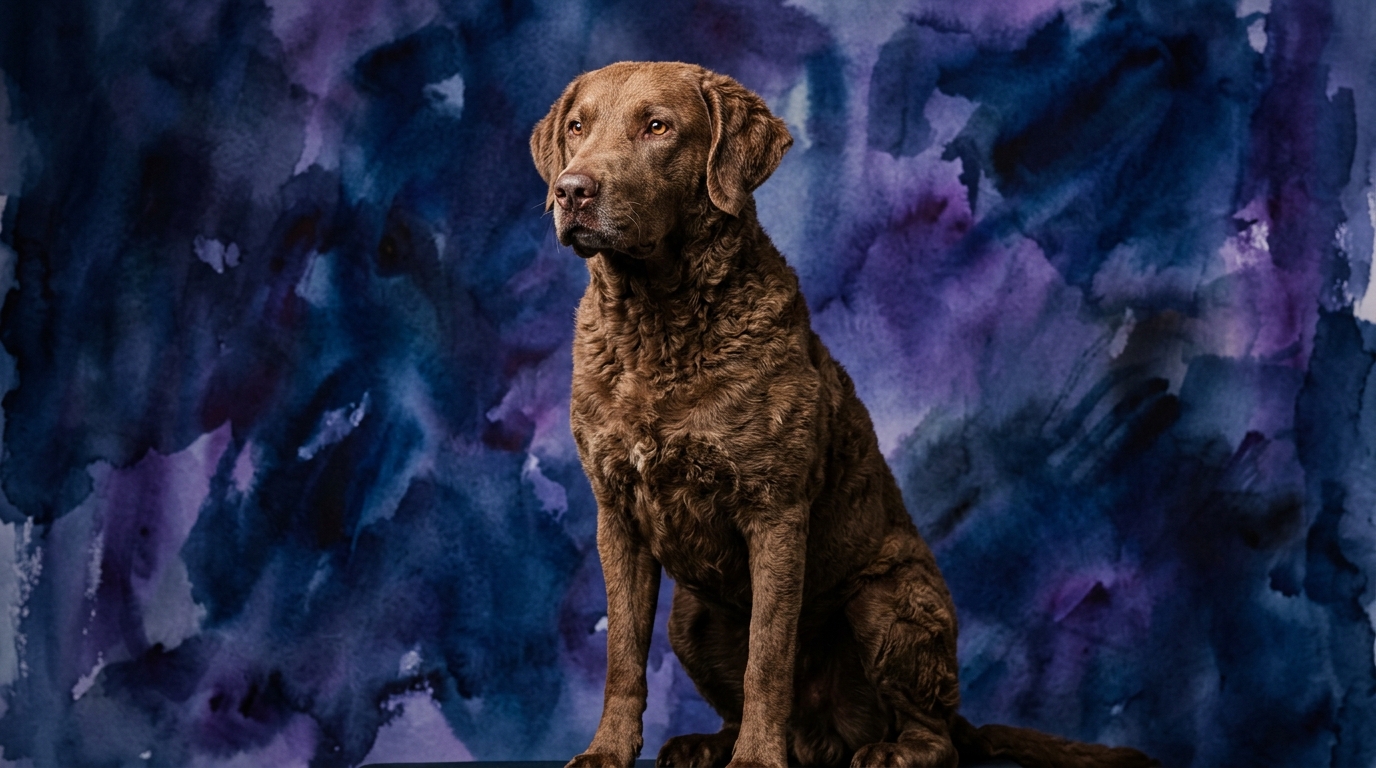
The Chesapeake Bay Retriever (Coren Rank #27), a Sporting Group member, excels in complex tasks. Its Problem Solving (4/5) reflects a capacity for strategic solutions, particularly in retrieving scenarios. Training Speed (4/5) indicates efficient learning of commands. Social Intelligence (3/5) points to understanding human cues, though with independence. Instinctive Drive (3/5) highlights their inherent work ethic, and Memory (4/5) ensures effective retention of learned behaviors.
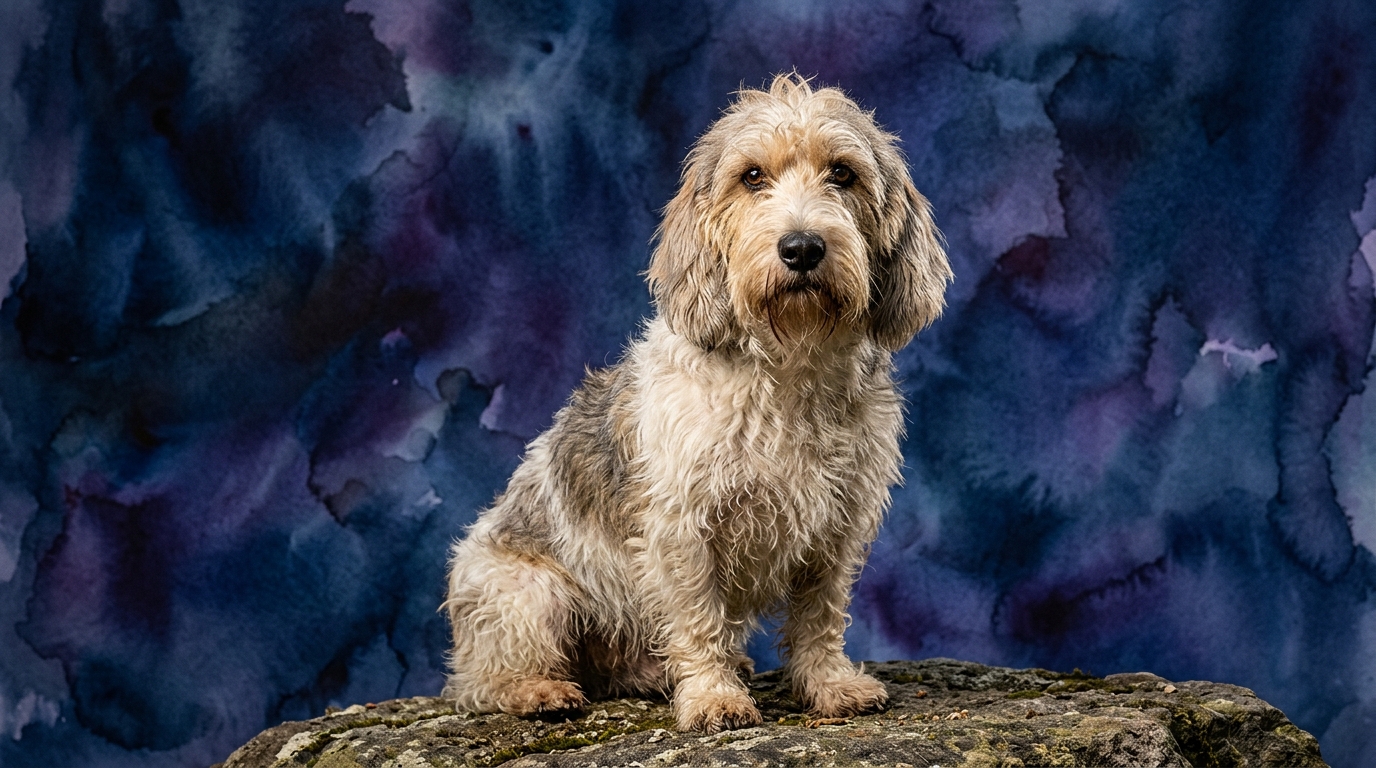
The Petit Basset Griffon Vendéen (Not Coren-Ranked), a Hound, shows a profile reflecting its hunting heritage. Problem Solving (3/5) demonstrates navigating challenges, often scent-guided. Training Speed (3/5) means they learn, but their independence requires patience. Social Intelligence (3/5) indicates responsiveness, yet their focus often lies on the olfactory environment. Instinctive Drive (3/5) speaks to their powerful urge to track, and Memory (3/5) allows recall of scent trails.
Where the Chesapeake Bay Retriever Excels Cognitively
The Chesapeake Bay Retriever's cognitive strengths shine in focus, retention, and collaborative problem-solving. With 4/5 in Problem Solving, Chessies robustly strategize, like finding the best way to retrieve multiple items. Their 4/5 Training Speed means they grasp complex multi-step commands quickly, making them highly responsive partners for intricate tasks. Furthermore, their 4/5 Memory ensures they learn swiftly and reliably recall behaviors over time and across environments. This combination makes them exceptionally adept at tasks requiring consistent, precise performance under pressure, adapting learned behaviors to new challenges with human direction.
Where the Petit Basset Griffon Vendéen's Cognitive Profile Shines
While PBGV scores may seem lower, their cognitive profile is perfectly tailored for their historical role. Their 3/5 Instinctive Drive represents an unwavering, singular focus on scent, enabling them to follow a trail with remarkable dedication. This drive, combined with 3/5 Problem Solving, means they excel at navigating complex environments based on olfactory cues, making independent decisions. Unlike the Chessie's human-directed problem-solving, the PBGV's is intrinsically linked to sensory exploration and pursuit. Their 3/5 Social Intelligence allows affectionate bonds while maintaining independence for solo tracking, and 3/5 Memory is effective for recalling scent trails. Their "wins" are in autonomous, scent-driven exploration and tenacious pursuit, where human-directed cognitive styles might hinder.
Training Dynamics: Chessie's Compliance vs. PBGV's Conviction
Training a Chesapeake Bay Retriever generally proves more straightforward due to their higher Training Speed (4/5) and Memory (4/5). Chessies are eager to please, quickly internalizing new commands and routines, thriving on structured tasks and clear expectations. Their collaborative nature means they often look to their human for guidance, making them receptive students. They respond well to consistent, positive reinforcement, progressing rapidly through obedience levels and mastering intricate sequences.
Conversely, training a Petit Basset Griffon Vendéen requires a different approach. Their 3/5 scores in Training Speed and Memory, combined with a strong independent streak driven by scent, mean a captivating smell can easily override a human command. PBGVs learn at their own pace, often when they perceive value or when training integrates with natural inclinations. Their independent problem-solving means they might try their way first. Successful training involves making it fun, highly rewarding, and integrating scent work or games appealing to their instincts. Patience, humor, and short, engaging sessions are key to working with a PBGV’s conviction.
Lifestyle Match: Active Partnership vs. Independent Exploration
The cognitive and physical makeup of these breeds dictates different ideal lifestyles. The Chesapeake Bay Retriever, with high energy, strong drive, and collaborative intelligence, is superb for active owners desiring a dedicated partner for outdoor adventures. They thrive with vigorous exercise like runs, swimming, hiking, and retrieving. Owners enjoying dog sports will find a Chessie enthusiastic and capable. Their need for mental stimulation, supported by problem-solving and memory, means they excel with a "job." A relaxed owner unable to provide consistent engagement may find a bored, potentially destructive Chessie.
The Petit Basset Griffon Vendéen, while energetic, suits owners appreciating an independent companion with a passion for exploration. Their instinctive drive demands opportunities to engage their nose on leashed walks or in secure fenced areas. While enjoying family time, their "active" often involves sniffing, not high-speed sprints. They can adapt to a slightly more relaxed pace than a Chessie if scent work needs are met. Owners understanding the hound's independent spirit, prepared for a dog prioritizing scent over recall, will find a joyful companion. They are less suited for owners seeking a perfectly compliant, constant shadow.
The Verdict
Opt for a Chessie if you are an active, experienced owner seeking a highly trainable, dedicated working partner for demanding outdoor activities, dog sports, or a structured family life that includes consistent mental and physical challenges.
Select a PBGV if you appreciate a spirited, independent companion with an unwavering passion for scent, are prepared for creative, patient training, and enjoy daily explorations where your dog’s nose leads the way.
🧠 Find Your Pet's IQ Score
Our Pet IQ Lab assessment covers 25+ tests across 5 cognitive dimensions — personalized to your breed.
Take the Full IQ Test →Frequently Asked Questions
Is a Chesapeake Bay Retriever a good choice for a first-time dog owner?
Chessies possess a strong personality and significant exercise requirements, paired with a protective streak. While highly trainable, their needs for consistent leadership and extensive engagement make them a better fit for experienced dog owners who can dedicate the time and effort required to channel their considerable abilities positively.
How much exercise does a Petit Basset Griffon Vendéen need daily?
PBGVs require at least an hour of daily exercise, preferably including opportunities for off-leash exploration in a secure area or long, stimulating leash walks where they can engage their powerful sense of smell. Mental exercise through scent games or puzzle toys is equally important to satisfy their instinctive drive.
Are PBGVs difficult to house train compared to Chessies?
Both breeds benefit from consistent house training, but PBGVs can sometimes be more challenging due to their independent nature and focus on external stimuli. Chessies, with their higher training speed and desire to please, may pick up house training cues more quickly, while PBGVs might require more patience and a very structured routine.