Side-by-Side IQ Profile
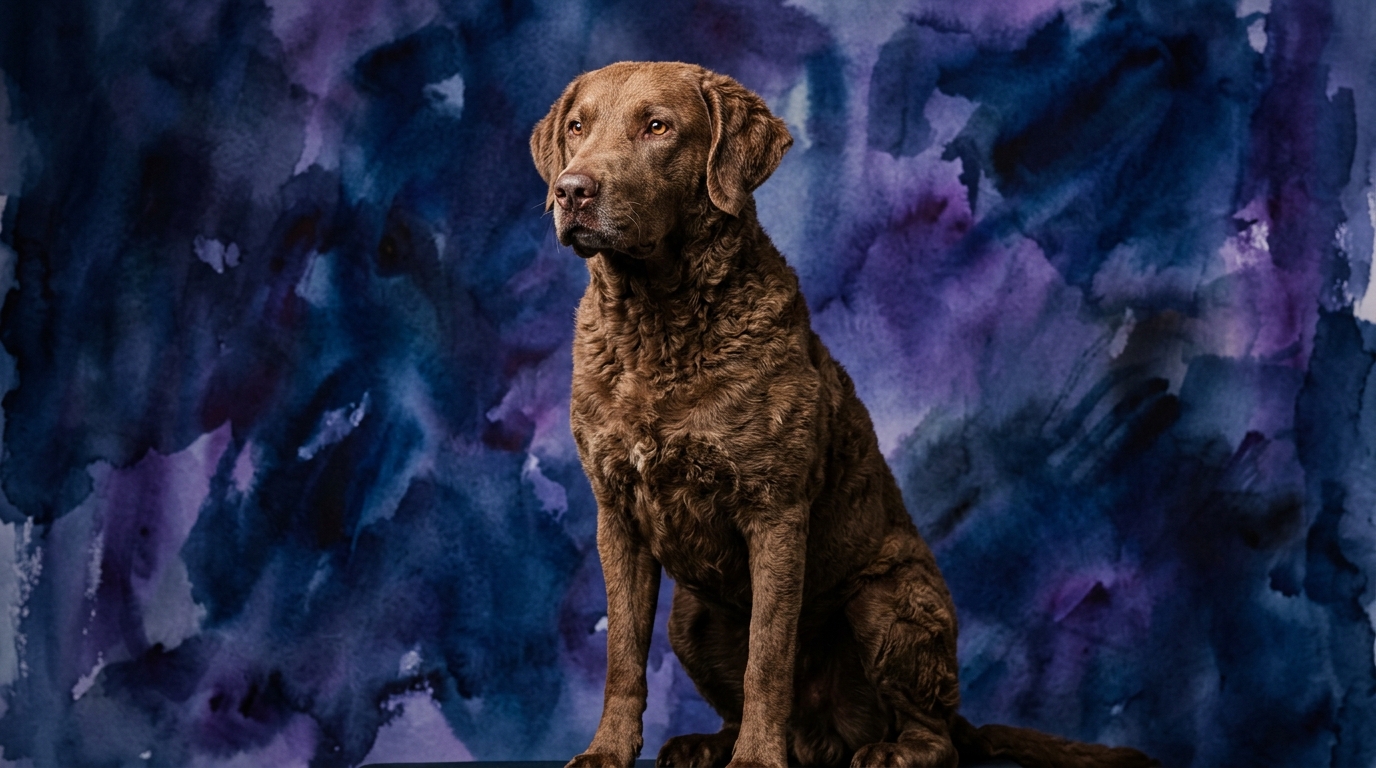
At The Cosmic Pet Pet IQ Lab, we evaluate canine cognition across five key dimensions, offering a nuanced perspective beyond simple rankings. The Chesapeake Bay Retriever, a robust Sporting Group member, exhibits a strong aptitude for Problem Solving at 4/5, indicative of its capacity to navigate complex environments and retrieve game efficiently. Its Training Speed also scores 4/5, suggesting a quick grasp of commands and routines, a trait invaluable for a working retriever. Social Intelligence for the Chessie stands at 3/5, meaning they can form strong bonds and understand human cues, but might not be as outwardly demonstrative or universally gregarious as some other breeds. Their Instinctive Drive, rated 3/5, reflects a purposeful, inherent motivation for tasks related to their heritage, such as water retrieval, rather than an overwhelming, scattered energy. Finally, the Chesapeake Bay Retriever’s Memory is robust at 4/5, allowing them to recall learned behaviors and locations effectively over time.
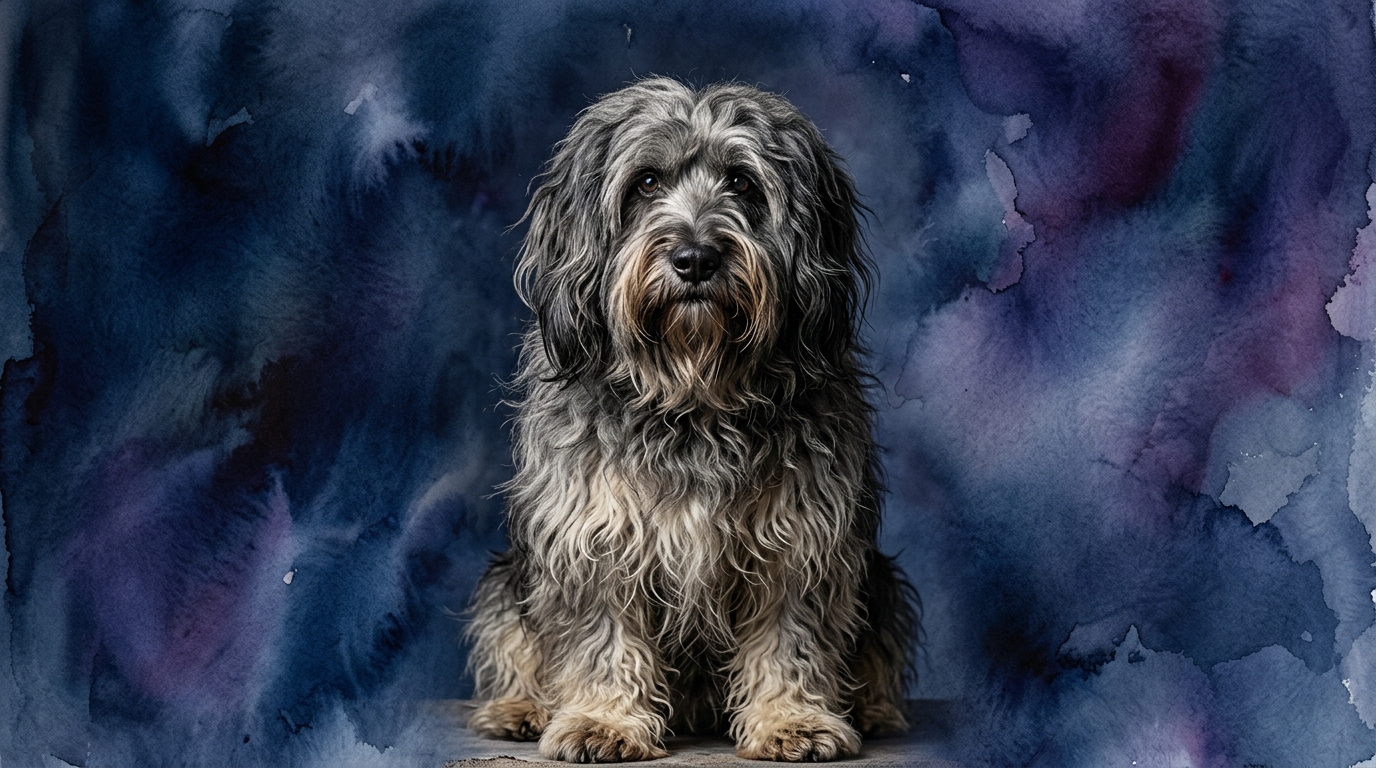
In contrast, the Polish Lowland Sheepdog, hailing from the Herding Group, presents a slightly different cognitive blueprint. Its Problem Solving ability is rated 3/5, indicating a competent capacity to tackle challenges, often related to managing livestock, though perhaps with less independent innovation than the Chessie. Training Speed for the PLS also registers at 3/5, signifying a steady learning pace that requires consistent, patient guidance to master new skills. Like the Chessie, the Polish Lowland Sheepdog’s Social Intelligence is 3/5, suggesting they develop deep connections with their families and can interpret social signals, but might maintain a certain reserve with strangers. Their Instinctive Drive, also at 3/5, is channeled towards herding behaviors—gathering, moving, and protecting—demonstrating a focused, innate purpose. The Memory of a Polish Lowland Sheepdog is 3/5, allowing them to retain training and recognize patterns, though perhaps with a slightly shorter recall duration compared to the Chesapeake Bay Retriever.
Where Chesapeake Bay Retriever Wins Cognitively
The Chesapeake Bay Retriever demonstrates clear cognitive advantages, particularly in areas demanding rapid assimilation of information and retention. With a Problem Solving score of 4/5, these dogs often excel at figuring out complex sequences, such as navigating challenging terrain to retrieve a decoy or understanding multi-step commands during field trials. This isn't just about raw processing power; it's about applying learned principles to novel situations with a degree of independence. Their 4/5 Training Speed reinforces this, indicating a quick uptake of new instructions and a readiness to generalize commands across various environments. For instance, a Chessie might learn a new hand signal in fewer repetitions than many other breeds, and then apply it correctly even with distractions present. This efficiency in learning makes them highly receptive to advanced obedience or specialized working roles. Furthermore, their superior Memory, also rated 4/5, means that once a skill or routine is established, it tends to stick. This robust recall is crucial for a retriever that needs to remember the location of multiple fallen birds or a complex retrieving pattern over an extended period. This cognitive strength allows them to build a vast repertoire of learned behaviors, making them incredibly reliable partners in demanding scenarios where consistency is paramount. Their Coren ranking of 27 further underscores their capacity for understanding and executing commands with impressive consistency.
Where Polish Lowland Sheepdog Wins Cognitively
While the Polish Lowland Sheepdog's individual cognitive scores might not reach the Chesapeake Bay Retriever's peaks in certain metrics, their collective intelligence thrives within their specific functional context. Their Problem Solving score of 3/5, while lower, manifests as a practical, strategic approach to managing livestock. A PLS doesn't just chase; it assesses flock movement, anticipates escape routes, and applies subtle pressure to guide animals, demonstrating a nuanced understanding of dynamic situations. This isn't about retrieving a static object, but about continuously adjusting tactics in a fluid environment, which requires a different sort of cognitive flexibility. Their Instinctive Drive, also 3/5, is precisely channeled into these herding behaviors, indicating a deep, ingrained understanding of their role that requires less human intervention for motivation in their ancestral tasks. This drive is often paired with a keen observational capacity, allowing them to read animal behavior and environmental cues effectively. Furthermore, their Social Intelligence, rated 3/5, while matching the Chessie's score, often translates into a keen sensitivity to their family's emotional states and household dynamics. They are known for developing strong, discerning bonds, often exhibiting a watchful protectiveness that stems from their herding roots. This nuanced social awareness, combined with their inherent drive, means they are adept at integrating into a family unit while maintaining a vigilant, purposeful presence, offering a unique blend of companionship and quiet guardianship.
Which Is Easier to Train and Why
When evaluating ease of training, the Chesapeake Bay Retriever generally presents a more straightforward experience for the average owner. Their Training Speed of 4/5 means they typically pick up new commands and routines with greater alacrity. This rapid assimilation is coupled with a strong desire to work alongside their human partners, making them highly responsive to positive reinforcement. A Chessie often finds inherent satisfaction in completing tasks and receiving praise, which fuels their motivation during training sessions. Their robust Memory (4/5) further contributes to their ease of training, as once a behavior is learned, it tends to be retained for the long term, reducing the need for constant re-teaching. In contrast, the Polish Lowland Sheepdog, with a Training Speed of 3/5, requires a more patient and consistent approach. While certainly capable of learning, they may take more repetitions to solidify a new command. Their herding background often imbues them with a degree of independent thought and a watchful nature, which can sometimes be perceived as stubbornness if not managed with clear, consistent leadership and positive methods. They respond best to training that respects their intelligence and provides a logical framework, rather than purely rote memorization. Understanding their nuanced problem-solving approach to tasks, even if it takes a moment longer to process, is key to successful training. Therefore, while both breeds are trainable, the Chessie's quicker grasp and strong work ethic make the initial stages of training generally smoother and faster.
Which Suits Active Owners vs Relaxed Owners
Considering their inherent drives and cognitive profiles, the Chesapeake Bay Retriever is an ideal match for highly active owners who thrive on outdoor adventures and structured activities. Their background as a Sporting dog, combined with their strong Instinctive Drive (3/5) geared towards retrieving, means they require significant physical exercise and mental engagement daily. Activities like long runs, swimming, retrieving games, and dog sports such as agility or dock diving are not just beneficial but essential for their well-being. An owner who can consistently provide these outlets will find a deeply fulfilled and cooperative companion. Their robust problem-solving skills and memory also mean they excel in training for specific tasks, making them perfect for owners interested in advanced obedience, hunting, or search and rescue. Conversely, while the Polish Lowland Sheepdog is also an active breed, their needs can align better with owners who appreciate consistent activity but perhaps less frantic, continuous exertion. Their Herding Group heritage implies a need for mental stimulation that challenges their problem-solving (3/5) and instinctive drives (3/5) in a more strategic, less purely physical way. Daily walks, puzzle toys, and engaging in activities that mimic herding, like rally obedience or even advanced trick training, are excellent outlets. While they enjoy outdoor time, they are often content to be more relaxed indoors, observing their surroundings with their characteristic watchful nature, making them suitable for owners who enjoy a balanced lifestyle that includes regular activity but also appreciates quiet companionship. They require an owner who understands their independent streak and can provide consistent mental engagement without necessarily needing to scale mountains every weekend.
The Verdict
Choose Chesapeake Bay Retriever if: You are an active individual or family seeking a highly trainable, dedicated partner for demanding outdoor activities, water sports, or advanced obedience, and value a dog that learns quickly and retains information impressively.
Choose Polish Lowland Sheepdog if: You appreciate a thoughtful, watchful companion with a keen mind for strategic tasks, are prepared for consistent, patient training, and desire a dog that balances active outdoor engagement with a more relaxed, observant indoor presence.
🧠 Find Your Pet's IQ Score
Our Pet IQ Lab assessment covers 25+ tests across 5 cognitive dimensions — personalized to your breed.
Take the Full IQ Test →Frequently Asked Questions
Do Chesapeake Bay Retrievers require more mental stimulation than Polish Lowland Sheepdogs?
Chesapeake Bay Retrievers thrive on mental challenges that engage their problem-solving and memory, often tied to their working drive like retrieving or advanced obedience. While Polish Lowland Sheepdogs also need mental engagement, theirs often centers on strategic thinking and observation, less about continuous high-speed tasks.
Can a Polish Lowland Sheepdog live successfully in an apartment?
A Polish Lowland Sheepdog can adapt to apartment living if their cognitive and physical needs are consistently met through daily walks, puzzle toys, and structured play. Their adaptable social intelligence allows them to be content indoors, provided they receive sufficient engagement to prevent boredom.
How do their social intelligence scores of 3/5 differ in practical terms?
Both breeds develop strong bonds with their families, but a Chessie's social intelligence often manifests as eager participation in family activities and a directness in interaction. A PLS, while equally devoted, might display its 3/5 social intelligence through more subtle observation, watchful guardianship, and a discerning reserve with strangers, reflecting its herding protective instincts.