Side-by-Side Cognitive Profiles
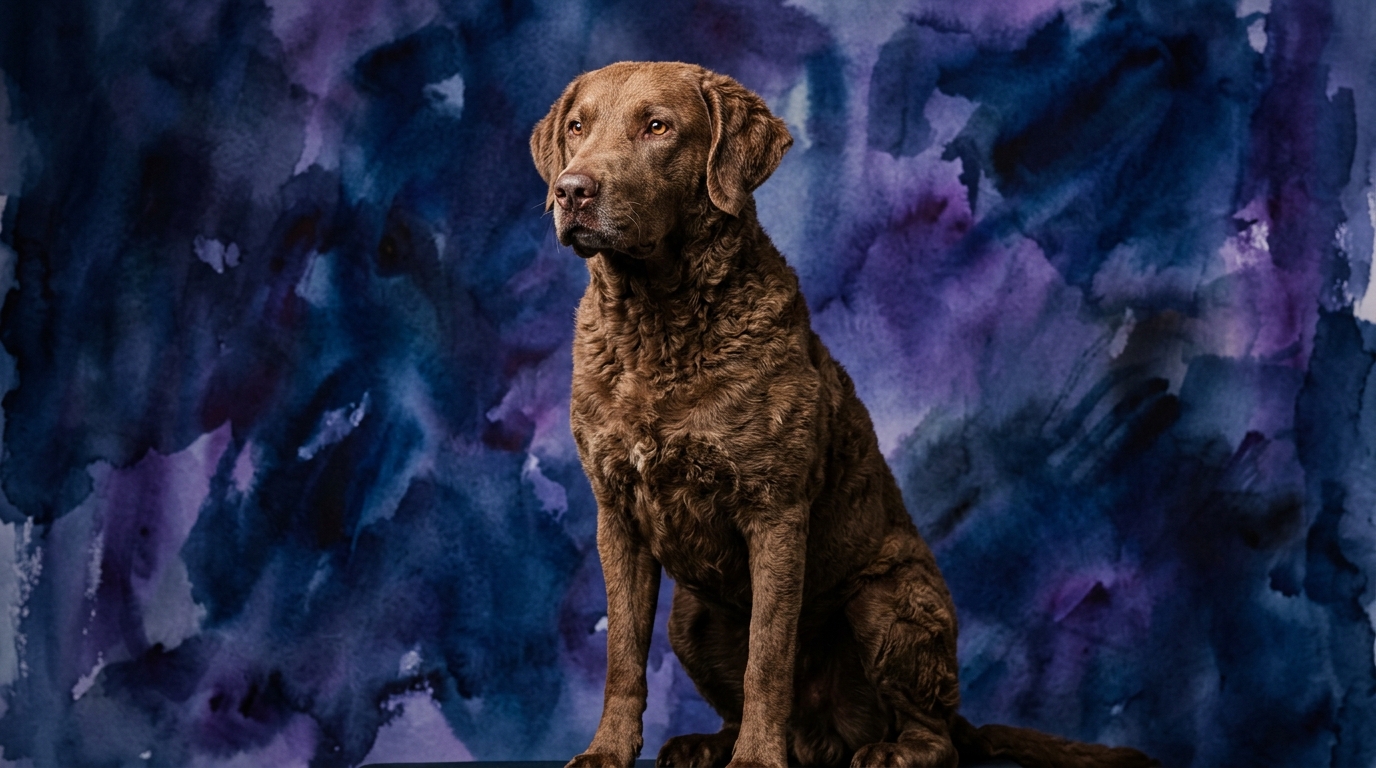
The Chesapeake Bay Retriever, ranked 27th by Stanley Coren, exhibits a purposeful and resilient cognitive makeup. Its Problem Solving at 4/5 indicates a capable mind adept at navigating complex practical challenges, particularly in outdoor environments. Training Speed at 4/5 suggests a breed that learns new commands with good efficiency, requiring consistent yet rewarding methods to solidify understanding. Social Intelligence at 3/5 points to a loyal companion deeply bonded with its primary family, often reserved or discerning with strangers. An Instinctive Drive of 3/5 reflects a dedicated work ethic rooted in its retrieving heritage, manifesting as focused determination rather than a generalized high prey drive. Finally, its Memory at 4/5 ensures reliable retention of learned behaviors and experiences, crucial for repetitive tasks and long-term command recall.
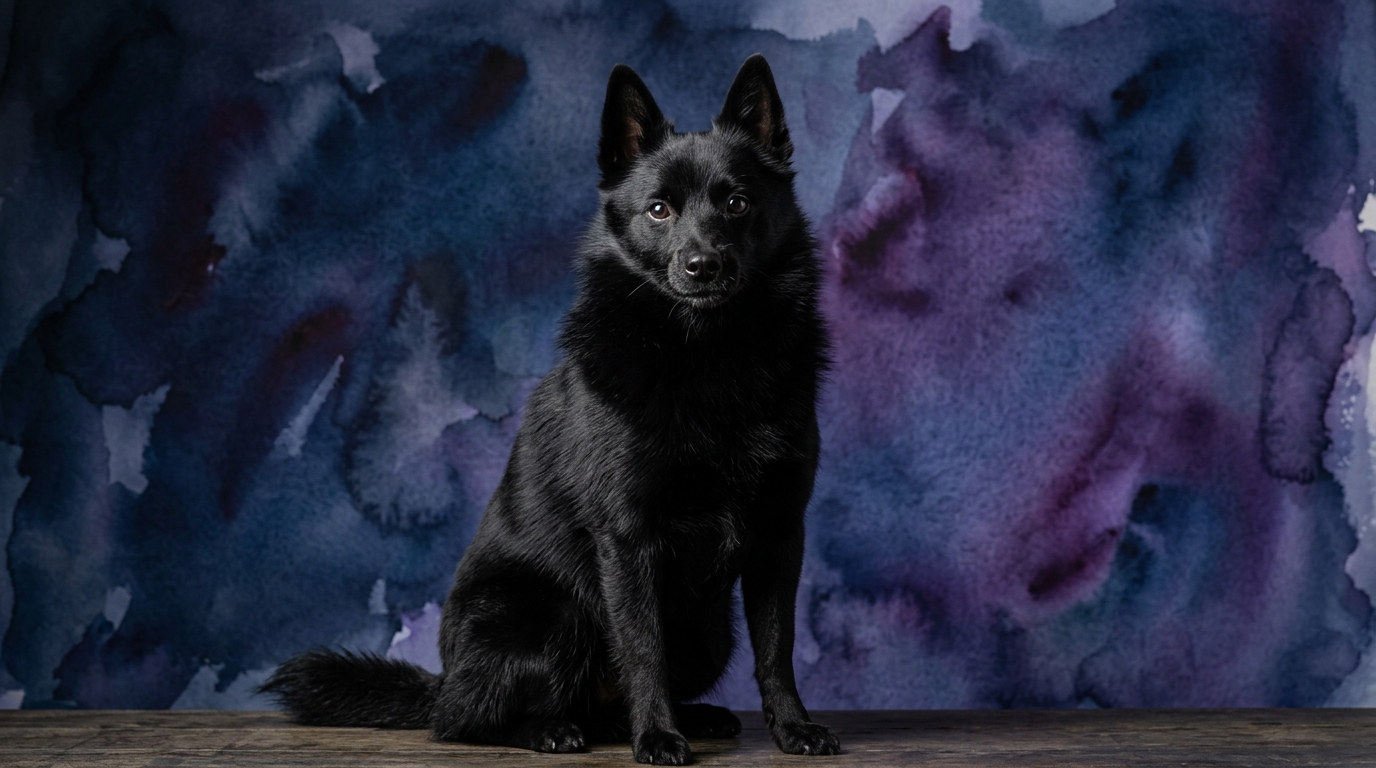
The Schipperke, holding a higher Coren rank at 15th, showcases a remarkably sharp and independent intellect. Its Problem Solving at a perfect 5/5 signifies an exceptional capacity for independent thought and strategic action, often devising novel ways to achieve goals or overcome obstacles. Training Speed also scores a perfect 5/5, meaning this breed grasps new concepts and commands with astonishing swiftness, often requiring minimal repetitions to achieve proficiency. Social Intelligence mirrors the Chessie at 3/5, indicating devotion to its inner circle but a watchful, sometimes aloof, stance towards outsiders. An Instinctive Drive of 3/5 stems from its history as a companion and vermin hunter, driving it with focused determination in tasks it deems engaging. Its Memory, a stellar 5/5, demonstrates superior recall of commands, routines, and past interactions, making it highly consistent once a lesson is learned.
Where the Chesapeake Bay Retriever Cognitively Excels
While the Schipperke often exhibits a broader, more generalized problem-solving aptitude, the Chesapeake Bay Retriever's cognitive edge lies in its specialized application within demanding, often outdoor, environments. Its 4/5 problem-solving score translates to exceptional competence in navigating intricate terrain, tracking scents, and executing complex retrieval sequences under pressure, such as in dense cover or icy waters. This isn't just about finding a solution, but finding the *correct* solution reliably within a high-stakes, physically challenging context. Similarly, its 4/5 memory is particularly robust for retaining spatial information and complex scent patterns vital for its working role, allowing it to consistently recall the precise location of a fallen bird or the layout of a hunting area over time. This contextual mastery, rather than raw cognitive speed, defines its particular cognitive strength, making it a supremely reliable partner in its chosen field.
Where the Schipperke Cognitively Excels
The Schipperke shines with a remarkable overall cognitive profile, particularly in areas demanding rapid assimilation and independent thought. Its perfect 5/5 score in Problem Solving indicates a dog that not only figures things out but often does so with an inventive flair, capable of devising elaborate strategies to achieve a desired outcome, whether it's opening a child-proof cabinet or outwitting a squirrel. This isn't just about following rules; it's about understanding the mechanics of a situation and manipulating them. Coupled with its 5/5 in Training Speed, the Schipperke absorbs new commands and routines with astonishing quickness, often picking up complex sequences in a handful of repetitions. This rapid learning curve is supported by its equally impressive 5/5 Memory, allowing it to retain a vast repertoire of commands, social cues, and past experiences with long-term precision, making it a highly consistent and adaptable companion once a lesson is ingrained.
Training Dynamics: Which Breed is Easier?
Based purely on the metrics of Training Speed and Memory, the Schipperke, with its 5/5 scores in both, presents as the quicker learner. Its ability to grasp new concepts and commands with minimal repetition, coupled with its superior long-term retention, means that once a lesson is taught, it's deeply ingrained. This makes the initial stages of obedience training incredibly efficient. However, this cognitive agility comes with a caveat: the Schipperke's equally high Problem Solving (5/5) can manifest as an independent streak. They might quickly learn *how* to do something but then decide *when* or *if* they want to perform it, often employing their problem-solving skills to test boundaries or find workarounds, demanding an owner who can consistently outwit them.
The Chesapeake Bay Retriever, with its 4/5 in both Training Speed and Memory, learns commands effectively and retains them reliably. While not as lightning-fast as the Schipperke, the Chessie's training is often characterized by a more consistent willingness to comply once the task's purpose is understood, especially within a structured working context. Its slightly lower problem-solving score means it's less likely to 'outthink' its owner in a mischievous way, making its training path more predictable, even if it requires a few more repetitions. Owners who appreciate a dog that learns steadily and applies lessons with earnest dedication might find the Chessie's training journey more straightforward, despite the Schipperke's initial speed.
Matching Breeds to Owner Lifestyles
For the active owner, both breeds offer engaging companionship, but their activity profiles diverge. The Chesapeake Bay Retriever, a robust sporting dog, thrives with owners who can provide consistent, vigorous physical activity, particularly those involving swimming, retrieving, or long hikes. Its instinctive drive (3/5) is geared towards purposeful outdoor work, making it an ideal partner for hunting enthusiasts, hikers, or those engaged in canine sports like dock diving or advanced obedience. Its mental stimulation is often satisfied through challenging physical tasks that require its specific problem-solving and memory skills. A truly relaxed owner might struggle to meet the Chessie's need for purposeful engagement, potentially leading to boredom and destructive behaviors.
The Schipperke, while smaller, is far from a sedentary companion. Its energetic nature and keen problem-solving (5/5) mean it requires significant mental stimulation alongside regular physical exercise. Owners who enjoy teaching new tricks, engaging in agility, or providing puzzle toys will find the Schipperke a willing and enthusiastic participant. Its active owner is one who prioritizes interactive play and brain games, perhaps less focused on endurance activities than the Chessie, but certainly not a couch potato. For a relaxed owner, the Schipperke's propensity for independent thought and need for engagement might prove too demanding, as an under-stimulated Schipperke can become quite inventive in entertaining itself, often in ways owners might not appreciate.
The Verdict
Choose the Chesapeake Bay Retriever if you are a dedicated outdoor enthusiast, seeking a steadfast working partner, or an individual who appreciates a loyal, robust companion for purposeful, physically demanding activities.
Opt for the Schipperke if you relish a cognitively agile, quick-witted companion, enjoy consistent mental engagement through training and games, and can provide firm, consistent guidance to channel their sharp intellect.
🧠 Find Your Pet's IQ Score
Our Pet IQ Lab assessment covers 25+ tests across 5 cognitive dimensions — personalized to your breed.
Take the Full IQ Test →Frequently Asked Questions
Are Schipperkes harder to live with due to their high problem-solving?
While their 5/5 problem-solving makes Schipperkes incredibly clever and quick learners, it can also translate into an independent streak. They require consistent mental stimulation and clear boundaries to ensure their sharp intellect is channeled positively, preventing them from devising their own, potentially mischievous, forms of entertainment.
Does the Chesapeake Bay Retriever's 3/5 social intelligence mean it's unfriendly?
A 3/5 social intelligence score for the Chesapeake Bay Retriever indicates a dog that typically forms deep, loyal bonds with its immediate family but may be reserved or aloof with strangers. This is not unfriendliness, but rather a discerning nature; they are not dogs to greet everyone with effusive enthusiasm, preferring to observe new people before accepting them.
Which breed is better for a first-time dog owner?
Neither breed is typically recommended for an absolute first-time dog owner without prior research and commitment. The Schipperke's intense cognitive needs and independent nature require an owner prepared for consistent mental engagement and firm training. The Chesapeake Bay Retriever's robust physical requirements and strong working drive also demand an owner who can provide ample purposeful activity and consistent leadership.