
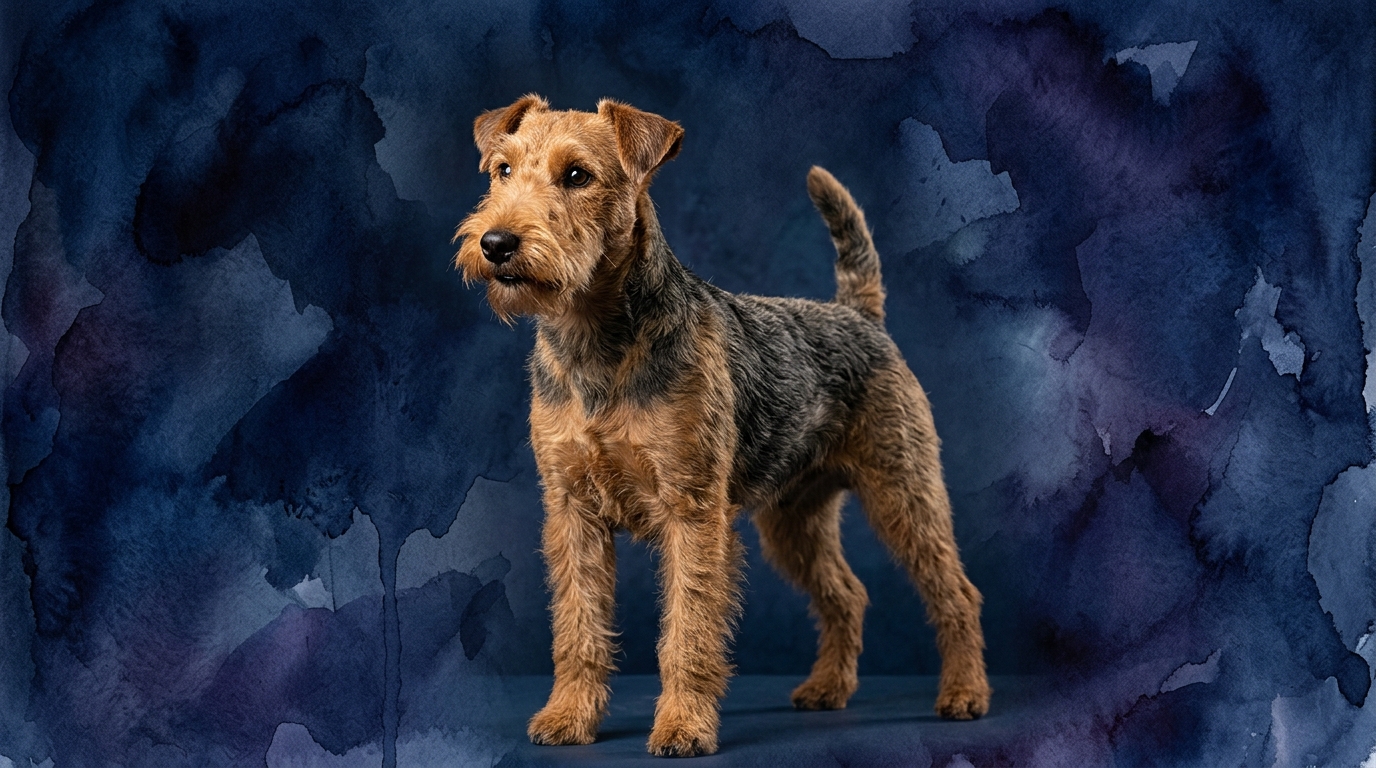
Side-by-Side IQ Profile: Understanding Distinct Cognitive Strengths
The Cosmic Pet Pet IQ Lab employs a five-dimensional framework to assess canine intelligence, moving beyond simple obedience to encompass a broader spectrum of cognitive abilities. This allows for a nuanced understanding of how different breeds process information, learn, and interact with their world. Let's delve into the specific profiles of the Chesapeake Bay Retriever and the Welsh Terrier.
**Chesapeake Bay Retriever (Sporting Group, Coren Rank #27):** This breed’s cognitive profile reflects its heritage as a dedicated working retriever. Their Problem Solving is rated 4/5, indicating a strong capacity for independent thought when faced with challenges, particularly those involving navigating complex environments or strategizing to retrieve objects from difficult locations. Their cognitive approach leans towards methodical assessment and execution. Training Speed is also 4/5, demonstrating a remarkable ability to quickly associate commands with actions, absorbing new lessons with efficiency. This rapid acquisition of skills makes them highly receptive to structured training regimes. Social Intelligence stands at 3/5; their understanding of human social cues is moderate, often expressed through a loyal bond with their primary caregivers. While not overtly demonstrative with strangers, they can interpret familiar human emotions and intentions. Instictive Drive is 3/5, pointing to a well-defined drive rooted in its retrieving heritage. This translates into a focused determination for tasks involving scent work, water retrieval, and object recovery, though it is balanced rather than overwhelming. Finally, Memory is 4/5, signifying robust recall for learned behaviors, specific locations, and past experiences, which aids in complex task retention and consistent performance over time.
**Welsh Terrier (Terrier Group, Not Coren-Ranked):** The Welsh Terrier's profile reflects its tenacious and independent terrier nature. Their Problem Solving is 3/5; they approach challenges with an independent, often tenacious spirit, excelling at figuring out how to access tight spaces or overcome physical obstacles, driven by curiosity and their hunting instincts, though their methods can be less systematic than a retriever's. Training Speed is 3/5; while capable of learning, Welshies tend to process new commands at a moderate pace. Their independent nature often requires more repetition, patience, and engaging methods to solidify training, as their attention can be easily diverted by environmental stimuli. Social Intelligence is 3/5; they display a moderate level of social understanding, forming deep connections with their family unit and often being discerning with outsiders. Their social cues can be subtle, reflecting a watchful and sometimes reserved demeanor. Instictive Drive is 3/5, primarily geared towards hunting and digging, characteristic of its terrier lineage. This manifests as a persistent pursuit of small prey or interesting scents, fueling their energetic exploration and independent actions. Memory is 3/5 for the Welsh Terrier, meaning their recall for commands and routines is solid, but it might not be as consistently applied as a Chessie's, particularly when competing with strong environmental distractions or their own independent agenda.
Where the Chesapeake Bay Retriever Excels Cognitively
The Chesapeake Bay Retriever's cognitive strengths distinctly position it as a formidable working partner. Its 4/5 rating in Problem Solving indicates a superior ability to analyze situations and devise effective solutions, particularly in scenarios requiring strategic navigation or complex retrieval. For instance, a Chessie might more readily figure out the most efficient path through dense cover to retrieve a downed bird, or understand how to manipulate an object to bring it closer.
Furthermore, the Chessie's 4/5 Training Speed and 4/5 Memory contribute to a distinct advantage in structured learning environments. They absorb new commands and routines with impressive efficiency, retaining them reliably over time. This makes them exceptionally responsive to multi-step commands and advanced obedience work, where a sequence of actions needs to be remembered and executed precisely. Their Coren ranking at #27 further underscores their capacity for adaptive intelligence within human-defined tasks.
Their cognitive makeup allows for a more predictable and consistent performance in tasks requiring sustained focus and adherence to learned protocols. This is not merely about 'following rules,' but about a cognitive architecture that prioritizes understanding and executing human directives within a working context, making them highly effective in roles like hunting, search and rescue, or competitive dog sports.
Where the Welsh Terrier Demonstrates Unique Cognitive Strengths
While the Welsh Terrier's scores are generally a point lower than the Chessie's, their cognitive profile represents a different, equally valid, set of strengths tailored to their original purpose. Their 3/5 Problem Solving, for example, is less about methodical retrieval and more about independent, tenacious ingenuity in pursuit. A Welshie's problem-solving prowess shines when figuring out how to squeeze through a tight space to investigate a scent or persistently dig to reach a perceived quarry, demonstrating a robust, self-directed cognitive drive.
Their Instinctive Drive, also 3/5, is a powerful cognitive engine for tasks requiring keen sensory awareness and persistent action. This drive fuels their ability to track subtle scents, react quickly to movement, and maintain focus on a target despite distractions. This isn't a deficiency in intelligence, but a specialization in a different kind of cognitive engagement—one where independent decision-making and sensory processing are paramount.
The Welsh Terrier's social intelligence, rated 3/5, translates into a discerning and loyal companionship. Their cognitive understanding of human family dynamics often involves a strong protective instinct and a keen awareness of their immediate environment, making them excellent alert dogs. While they may not be as outwardly eager to please as a retriever, their bond is deep, and their cognitive processing of social situations is geared towards safeguarding their 'pack' and territory.
Training Dynamics: Chesapeake Bay Retriever vs. Welsh Terrier
When it comes to ease of training, the Chesapeake Bay Retriever generally presents a more straightforward experience for most owners. Their 4/5 Training Speed means they quickly grasp new commands and routines, often showing an eagerness to engage and cooperate. Their 4/5 Memory ensures that once a lesson is learned, it is retained reliably, leading to more consistent performance. Chessies thrive on working closely with their handler, and their cognitive structure supports a more direct and rewarding training journey with positive reinforcement methods.
The Welsh Terrier, with its 3/5 Training Speed and 3/5 Memory, typically requires a more patient, creative, and consistent approach. Their independent terrier spirit means they are less inclined to simply comply and more likely to question the utility of a command, especially if a more intriguing scent or visual stimulus presents itself. Real behavioral differences include a tendency towards selective hearing when their prey drive is activated, or a preference for self-directed exploration over repetitive drills. Training a Welshie often involves making the learning process highly engaging and demonstrating the personal benefit of cooperation, rather than relying solely on traditional obedience methods. Owners must be prepared to consistently reinforce desired behaviors and redirect their natural instincts constructively.
Suitability for Active vs. Relaxed Owners
Both the Chesapeake Bay Retriever and the Welsh Terrier are breeds that require significant physical and mental engagement, making them generally unsuitable for truly relaxed or sedentary owners. However, the *type* of activity they thrive on differs, influencing which active owner might be a better match. The Chesapeake Bay Retriever, with its robust build and powerful retrieving instincts, demands extensive outdoor activity, including swimming, long hikes, and engaging in dog sports like agility or competitive obedience. Their cognitive needs are met through complex tasks that involve problem-solving in dynamic environments and sustained focus, making them ideal for owners who enjoy an active, outdoor lifestyle and a dedicated working partner.
The Welsh Terrier also requires an active owner, but their energy is often expressed in bursts and through mental challenges related to their hunting heritage. While they need regular walks and playtime, their ideal activities might include earthdog trials, scent work, or agility courses that engage their quick thinking and independent problem-solving. Owners who appreciate a spirited companion with a keen sense of adventure and who are prepared to provide consistent, engaging mental stimulation will find a suitable partner in the Welshie. They are not dogs that will be content with minimal engagement, but their smaller size might make their energy management slightly less demanding than a large, high-stamina retriever in certain living situations, provided their mental needs are rigorously met.
The Verdict
Choose the Chesapeake Bay Retriever if you seek a highly trainable, dedicated working partner for demanding activities like hunting, competitive obedience, or search and rescue, and can provide ample physical exercise and mental challenges focused on cooperation.
Opt for the Welsh Terrier if you appreciate an independent, spirited companion with a keen sense of adventure, are prepared for consistent, patient training, and enjoy engaging in activities that cater to their terrier instincts, such as scent work or agility, in a less formal setting.
🧠 Find Your Pet's IQ Score
Our Pet IQ Lab assessment covers 25+ tests across 5 cognitive dimensions — personalized to your breed.
Take the Full IQ Test →Frequently Asked Questions
Are Chesapeake Bay Retrievers good family dogs?
Yes, with proper socialization, Chessies can be devoted family members, forming strong bonds and often displaying a protective nature. Early exposure to various people and situations is crucial to ensure they are welcoming and well-adjusted to visitors and new experiences.
Do Welsh Terriers bark a lot?
Welsh Terriers can be quite vocal, often using their bark to alert their owners to new sights, sounds, or perceived intruders, fulfilling their natural watchfulness. Consistent training from a young age can help manage excessive barking, but their inherent alertness means they will likely remain a communicative breed.
Which breed is better for apartment living?
Neither breed is ideally suited for small apartment living without significant commitment to daily exercise and mental stimulation outside the home, as both have considerable energy and cognitive needs. However, a Welsh Terrier might adapt slightly better due to its smaller size if their rigorous exercise and engagement requirements are met, whereas a Chessie's larger size and strong desire for outdoor activity make apartments particularly challenging.