Side-by-Side IQ Profile: Unpacking the 3/5 Score
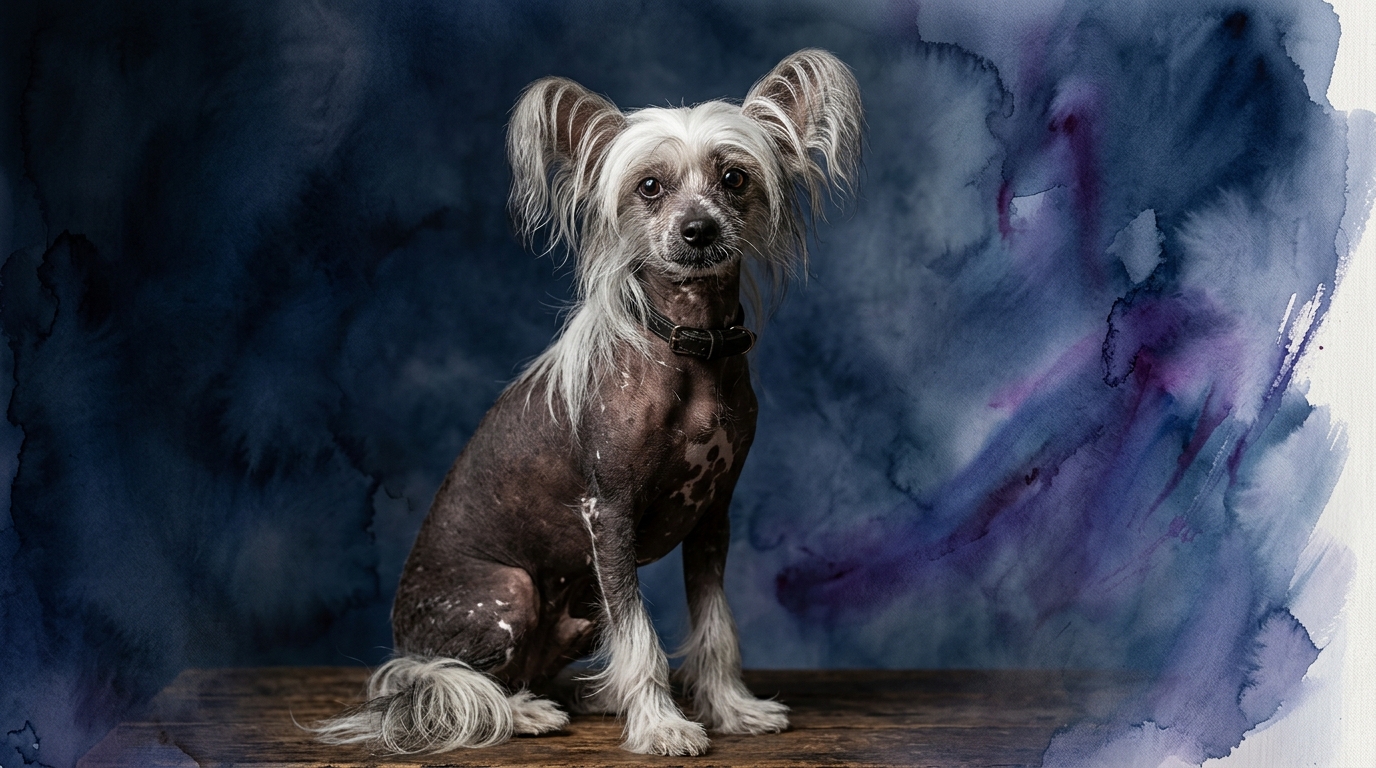
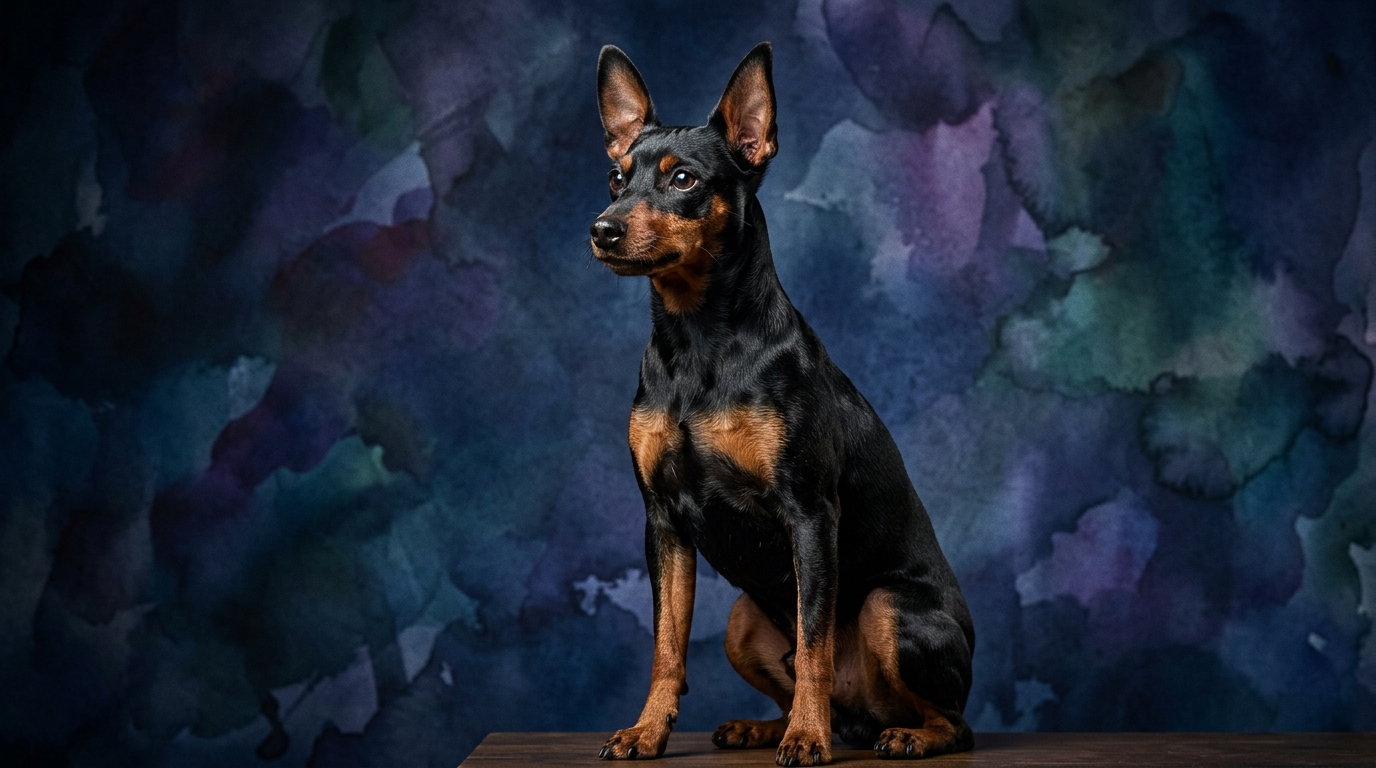
In our Pet IQ Lab, both the Chinese Crested and the Miniature Pinscher achieve a consistent 3 out of 5 across all assessed intelligence dimensions. This score signifies a moderate, capable level of cognition, but the *expression* of this intelligence is where their true differences lie, shaped by their distinct temperaments and breed histories.
For **Problem Solving (3/5)**, both breeds demonstrate a moderate ability to navigate challenges and learn routines. The Chinese Crested often applies this to tasks related to comfort or proximity to their beloved human, such as figuring out how to get onto a favorite lap or manipulating a puzzle toy for a treat. Their sensitive nature means frustration can sometimes dampen their persistence. The Miniature Pinscher, conversely, approaches problems with a bolder, more tenacious spirit. Their problem-solving might involve diligently working to access a high vantage point or persistently trying to get to a perceived 'intruder' at the door, driven by their inherent curiosity and watchfulness.
Regarding **Training Speed (3/5)**, both breeds acquire new commands at an average pace, requiring consistent effort but not excessive repetition. The Chinese Crested thrives on positive reinforcement, praise, and affection, learning quickly when motivated by a desire to please their handler. However, their sensitivity means that harshness or impatience can cause them to become anxious or shut down, hindering their progress. The Miniature Pinscher also learns moderately fast, but their independent streak and confident demeanor can make them more challenging to motivate. They might understand a command perfectly but choose not to perform it if they don't perceive immediate value or if their attention is elsewhere, requiring engaging and rewarding training methods.
Their **Social Intelligence (3/5)** also presents in divergent ways. The Chinese Crested excels in reading the subtle emotional cues of their primary caregivers, often mirroring moods or seeking to provide comfort. Their understanding of human body language and tone is often directed inward, fostering deep, almost empathetic bonds within their close family unit. The Miniature Pinscher, on the other hand, possesses a keen awareness of their environment and the social hierarchy within their household. They quickly learn who is in charge and will test boundaries, making them adept at discerning perceived threats or opportunities for asserting their presence, displaying a more outward-focused social acumen.
The **Instinctive Drive (3/5)** score, while identical, manifests quite differently. The Chinese Crested's drives are typically lower, primarily expressed as a desire for companionship, gentle play, and comfort. While they might enjoy a light chase game, they generally lack the intense prey drive or territorial guarding instincts of some breeds. Their 'alert' barking is usually a soft announcement. The Miniature Pinscher, however, exhibits a more pronounced instinctive drive, particularly a noticeable prey drive for small, scurrying creatures and a strong territorial guarding instinct. This 3/5 score is active and purposeful; they are alert, vocal, and will pursue perceived threats or small animals with determination, reflecting their assertive 'king of toys' heritage.
Finally, their **Memory (3/5)** also serves their individual temperaments. The Chinese Crested tends to remember routines associated with comfort, affection, and their human's presence, recalling where their favorite nap spot is or the sequence of events leading to a cherished walk. Negative experiences can also be remembered, making them wary. The Miniature Pinscher displays a good memory for boundaries, training cues, and past interactions, often remembering who the 'boss' is, where treats are hidden, and which rules they might be able to bend to their advantage. Their memory often supports their independent and confident nature.
Where Chinese Crested Wins Cognitively
While both breeds score identically in our IQ dimensions, the Chinese Crested's cognitive strengths truly shine in areas demanding emotional sensitivity and a nuanced understanding of human connection. Their 3/5 social intelligence score, for instance, translates into an exceptional ability to read subtle human emotions and respond with comforting presence, making them particularly adept at anticipating their owner's needs or offering solace. This is a significant cognitive 'win' in the realm of deep companionship and emotional support.
Furthermore, their moderate problem-solving (3/5) is often applied to tasks that strengthen their bond, such as figuring out how to get closer for a cuddle or gently navigating a new environment to remain near their beloved human. The Crested's moderate memory (3/5) excels in recalling routines that provide security and comfort, making them predictable and reassuring companions in a stable, affectionate household.
Where Miniature Pinscher Wins Cognitively
Conversely, the Miniature Pinscher's cognitive advantages emerge in scenarios requiring a bolder, more assertive application of their intellect. Their 3/5 social intelligence, distinct from the Crested's, manifests as a keen awareness of their surroundings and an astute ability to assess perceived threats, making them excellent, if sometimes vocal, watchdogs. They quickly evaluate new people or situations, demonstrating a discerning social radar that helps them maintain vigilance.
Their 3/5 problem-solving often involves navigating their environment with tenacity, whether it's finding a way to explore a new area or outsmarting a perceived barrier to access something interesting. The Min Pin's moderate instinctive drive (3/5) is a cognitive asset in situations where alertness and quick, decisive action are valued, such as identifying a squirrel in the yard or 'patrolling' their home territory with unwavering confidence and purpose.
Which is Easier to Train and Why
Given identical 3/5 scores in training speed, the 'ease' of training these two breeds hinges more on their underlying temperaments and what motivates them. The Chinese Crested, with its sensitive and people-pleasing disposition, generally responds very well to positive reinforcement, praise, and affection. They strive to please their handler, making them receptive to gentle, consistent methods. However, their sensitivity means they can become easily discouraged or anxious with harsh tones or inconsistency, which can significantly halt their learning progress and require a patient approach.
The Miniature Pinscher, while equally capable of learning at a moderate pace, often presents a different training dynamic. Their bold, independent nature and moderate instinctive drive (3/5) mean they require a firm yet fair approach, often testing boundaries more frequently than a Crested. Training a Min Pin often involves making the process highly engaging and rewarding, as their attention can wander if they're not sufficiently stimulated or if they don't perceive the immediate value in the exercise. Their moderate social intelligence (3/5) means they understand cues but may choose to 'negotiate' if not properly motivated, making patience, creativity, and consistency essential for success.
Which Suits Active Owners vs Relaxed Owners
When considering lifestyle compatibility, the Chinese Crested's cognitive profile aligns well with more relaxed owners who appreciate a devoted, calm companion. Their moderate instinctive drive (3/5) translates into a preference for indoor activities, gentle play, and extensive cuddling. Their social intelligence (3/5) makes them highly attuned to a quiet home environment, thriving on consistent routines and a predictable daily rhythm. Owners who enjoy a serene home life and seek a dog content with lap time and short, leisurely strolls will find the Crested a fitting, sensitive match.
The Miniature Pinscher, despite similar IQ scores, offers a stark contrast, suiting active owners who can channel their dog's robust energy and assertive intellect. Their moderate instinctive drive (3/5) is expressed through a need for regular exercise, engaging playtime, and mental stimulation. Owners who enjoy brisk walks, interactive games, or even dog sports will appreciate the Min Pin's zest for life. Their problem-solving (3/5) and social intelligence (3/5) are constantly engaged in monitoring their environment and asserting their presence, requiring an owner who can provide consistent leadership and ample outlets for their confident demeanor and spirited energy.
The Verdict
Choose a Chinese Crested if you seek a deeply bonded, sensitive companion who thrives on affection and a tranquil home environment, offering subtle emotional support and gentle companionship.
Opt for a Miniature Pinscher if you desire a bold, energetic, and assertive companion who enjoys activity and mental challenges, bringing a lively, confident presence to an active household.
🧠 Find Your Pet's IQ Score
Our Pet IQ Lab assessment covers 25+ tests across 5 cognitive dimensions — personalized to your breed.
Take the Full IQ Test →Frequently Asked Questions
Are Chinese Cresteds good at learning tricks?
Yes, with a training speed of 3/5, Chinese Cresteds can learn tricks effectively. Their desire to please and bond with their owner makes them receptive to positive reinforcement, especially when treats and praise are involved. They thrive on gentle, consistent training sessions.
Do Miniature Pinschers have a strong prey drive?
With an instinctive drive score of 3/5, Miniature Pinschers do exhibit a noticeable prey drive. This often manifests as a keen interest in chasing small animals like squirrels or even toys, reflecting their historical role and confident nature. Consistent training is important to manage this instinct.
How do their problem-solving skills differ in daily life?
While both score 3/5 in problem-solving, a Chinese Crested might apply it to tasks like finding the warmest spot or getting closer to their human. A Miniature Pinscher might use theirs to explore boundaries, outsmart perceived obstacles, or investigate new sounds with tenacious curiosity.