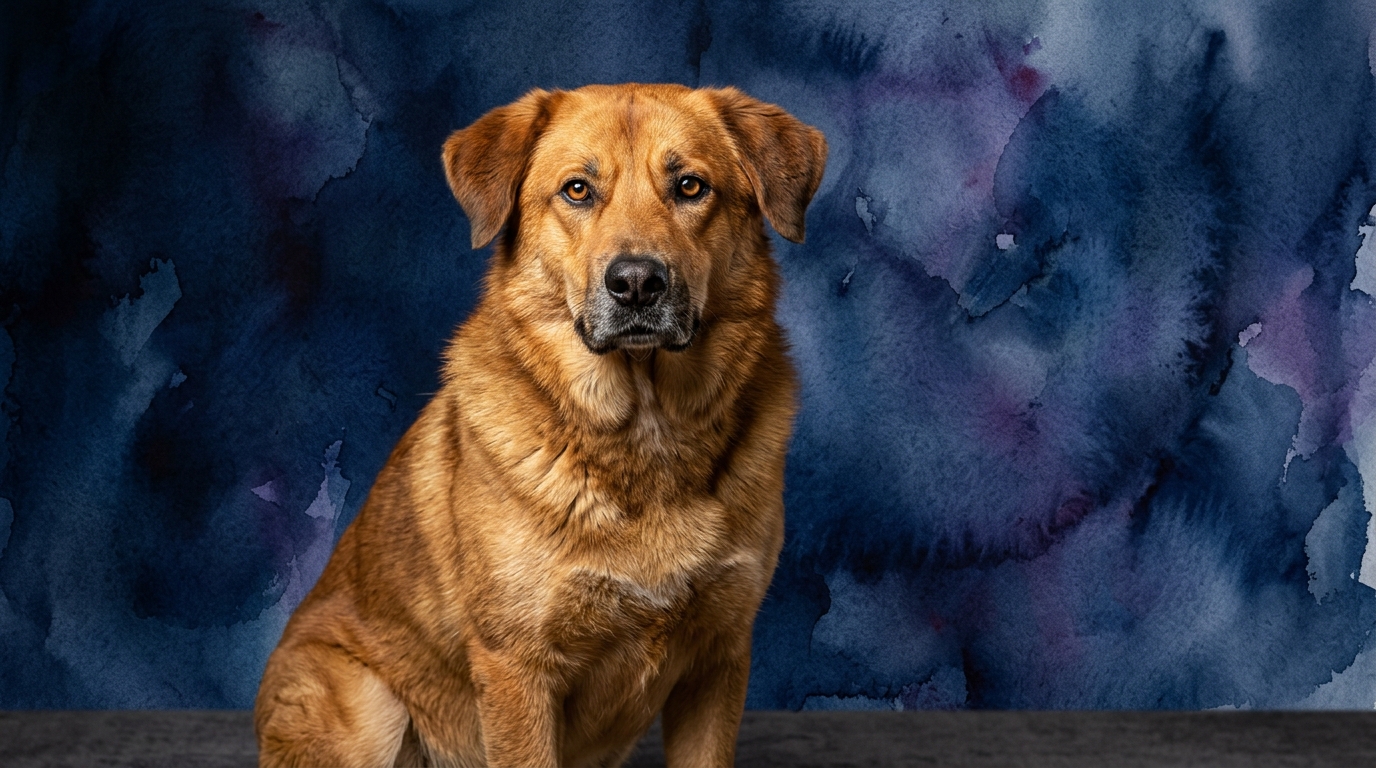
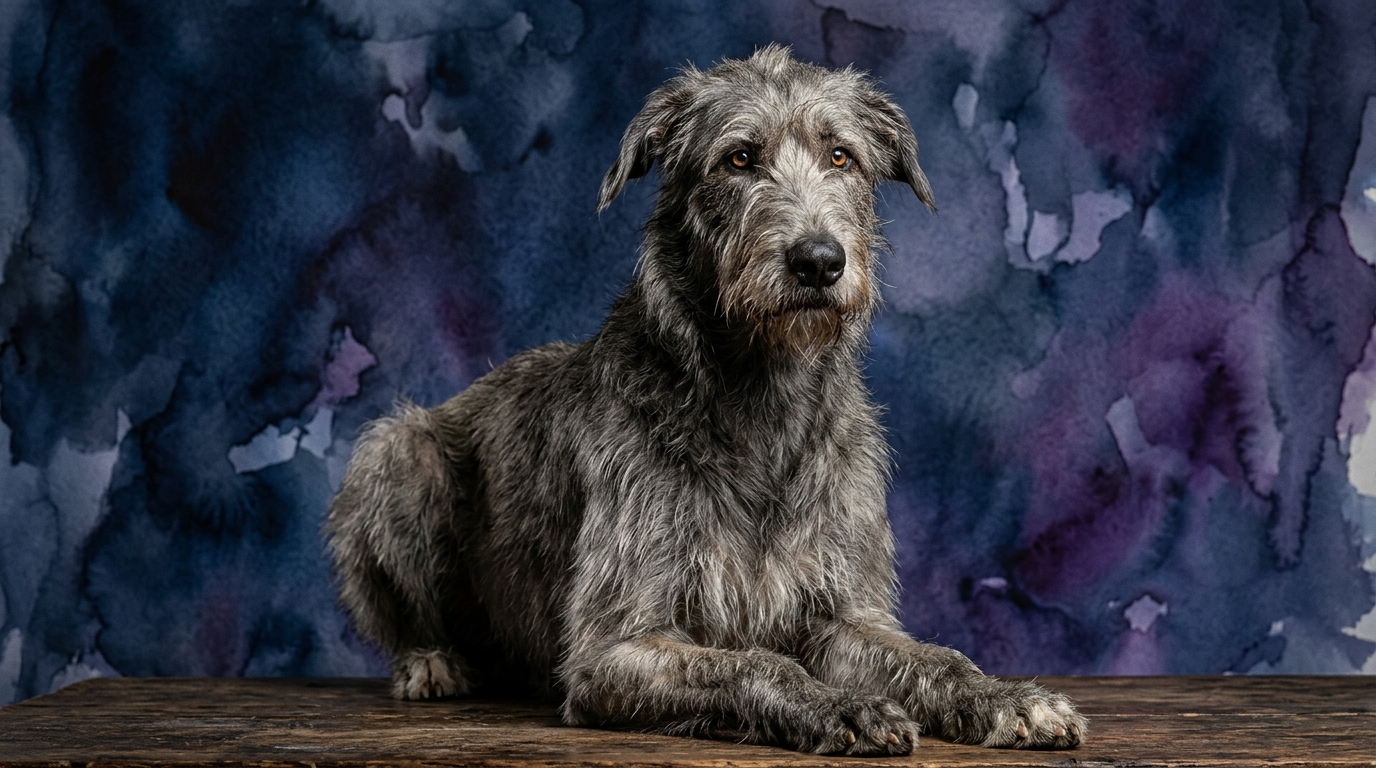
Side-by-Side IQ Profile: Chinook vs. Irish Wolfhound
The Cosmic Pet Pet IQ Lab assesses canine intelligence across five critical dimensions: Problem Solving, Training Speed, Social Intelligence, Instinctive Drive, and Memory. Intriguingly, both the Chinook and the Irish Wolfhound score a consistent 3/5 in every single category. While the raw numbers are identical, understanding the nuances of their breed-specific expressions of these traits is crucial for a complete picture.
For the **Chinook (Working Group)**, a 3/5 in Problem Solving often translates to practical, goal-oriented solutions, such as navigating complex terrain or figuring out how to retrieve a toy from an inaccessible spot. Their 3/5 Training Speed indicates a moderate learning pace, where consistency and positive reinforcement yield steady progress, often fueled by their desire for cooperation. A 3/5 in Social Intelligence means they are typically attuned to their family's emotions and group dynamics, often seeking to maintain harmony. Their Instinctive Drive, also 3/5, is often directed towards companionship and moderate activity, with a manageable prey drive balanced by a desire to work alongside humans. Lastly, their 3/5 Memory allows them to retain learned behaviors, routines, and specific commands effectively over time, crucial for their role as companions and potential working dogs.
The **Irish Wolfhound (Hound Group)**, despite identical scores, expresses these traits differently. Their 3/5 Problem Solving manifests as thoughtful, sometimes deliberate, strategies for navigating their environment, perhaps figuring out the most comfortable way to recline or move their massive frame through tight spaces. A 3/5 Training Speed suggests they are capable learners, but their independent hound nature often means motivation needs to be compelling and consistent, as they might weigh a command against their own inclinations. Their 3/5 Social Intelligence is often a quiet, discerning awareness of interactions; they are sensitive to family moods and can offer comfort without being overly demonstrative, understanding subtle social cues. The 3/5 Instinctive Drive is rooted in their sighthound heritage, primarily a pursuit instinct for visual stimuli, meaning they are alert to movement and can be motivated by opportunities to run or chase. Their 3/5 Memory ensures they retain knowledge of routines, people, and their environment, though their application of learned commands can sometimes depend on their immediate interest or perceived value of the task.
Where the Chinook Wins Cognitively
While both breeds score identically, the Chinook’s cognitive strengths often shine in scenarios requiring active collaboration and sustained focus on human-assigned tasks. Their working breed background fosters a natural inclination to partner with their owners, translating into a more consistent application of their problem-solving skills to cooperative endeavors. For instance, a Chinook might more readily engage in learning complex multi-step commands for a hobby like agility or carting, demonstrating a pragmatic problem-solving approach aimed at pleasing their handler and completing a task together. Their social intelligence, while rated similarly, leans towards a more proactive engagement with family members, often anticipating needs or seeking interaction that reinforces group cohesion. This cooperative mindset means their 3/5 scores often translate into a more 'team-player' cognitive style, making them adept at tasks that require close partnership and understanding of human direction.
Where the Irish Wolfhound Wins Cognitively
The Irish Wolfhound, conversely, often showcases its cognitive prowess in areas demanding independent judgment and a keen, albeit calm, awareness of its surroundings. Their historical role as a sighthound required them to make decisions without constant human direction, such as pursuing game across varied terrain. This translates into a problem-solving style that can be more self-directed; they might independently figure out how to access a comfortable spot or navigate a new environment with thoughtful deliberation. Their social intelligence, while equally rated, often manifests as a discerning observation of social dynamics, allowing them to provide comfort or intervene subtly when necessary, rather than through overt, constant engagement. They excel in a quiet understanding of their environment and the people within it, processing information with a serene yet astute mind. Their 3/5 cognitive abilities are often expressed as independent decision-making and a profound, tranquil awareness, making them masters of calm, observant thought rather than constant interaction.
Which is Easier to Train and Why?
Despite both breeds scoring 3/5 in training speed, the *ease* of training can differ significantly due to their intrinsic motivations and breed purposes. Chinooks, rooted in the Working Group, typically possess a stronger innate desire to please and engage in structured activities with their human companions. Their problem-solving skills are often applied to understanding and executing commands, and their social intelligence makes them responsive to positive reinforcement and feedback. This means that while they learn at a moderate pace, their willingness to participate and their focus on their handler can make the training process feel more straightforward and consistent. They tend to view training as a collaborative effort, which aids in their retention and application of learned behaviors.
The Irish Wolfhound, belonging to the Hound Group, brings a different dynamic to training. Their 3/5 training speed is often tempered by their independent nature and strong instinctive drives, particularly their visual pursuit instinct. While capable of learning, they might require more patience, creativity, and compelling motivation to maintain focus. Their problem-solving might lean towards figuring out what's in it for *them* rather than solely pleasing the handler, and distractions from scents or movement can easily divert their attention. Training an Irish Wolfhound often means understanding their independent streak and making training sessions rewarding and engaging enough to hold their interest against their natural inclinations, requiring a different approach to consistency and motivation and often a greater understanding of sighthound psychology.
Cognitive Fit: Active Owners vs. Relaxed Owners
When considering lifestyle compatibility, the Chinook generally aligns well with active owners who enjoy shared activities and a collaborative canine companion. Their balanced instinctive drive and desire for engagement mean they thrive on regular exercise, mental stimulation, and participation in family outings like hiking, long walks, or even dog sports. Their social intelligence and cooperative nature make them eager partners for adventures, and their problem-solving skills are well-utilized in navigating new environments or learning new tricks. They appreciate a routine that includes both physical activity and quality time with their people, making them a good fit for those seeking a consistent and versatile partner in daily life.
The Irish Wolfhound, while requiring substantial exercise in their youth to support healthy growth, tends to mature into a more relaxed and stately companion, making them suitable for owners who appreciate a calmer, more contemplative presence once past puppyhood. Their cognitive strengths, like their discerning social intelligence and deliberate problem-solving, are well-suited to a household that values a serene atmosphere. While they enjoy a good romp or a long, steady walk, their massive size and independent nature mean they aren't typically suited for high-impact, continuous activity. They prefer a more relaxed pace, observing their surroundings with quiet attentiveness and enjoying comfortable lounging spots indoors, making them ideal for owners who enjoy a majestic, gentle giant companion rather than a constant activity partner, valuing their quiet, observant nature.
The Verdict
For those seeking a highly cooperative, engaged, and versatile partner for shared adventures and consistent interaction, the Chinook offers a balanced blend of problem-solving, trainability, and social connection that thrives on active participation and a clear role within the family.
Conversely, if your lifestyle favors a calm, majestic, and independent companion who offers quiet companionship, discerning social awareness, and a thoughtful approach to life, the Irish Wolfhound, with its gentle giant demeanor and subtle cognitive strengths, will be a profoundly rewarding choice, particularly for owners who appreciate a more relaxed pace and a dog that embodies serene strength.
🧠 Find Your Pet's IQ Score
Our Pet IQ Lab assessment covers 25+ tests across 5 cognitive dimensions — personalized to your breed.
Take the Full IQ Test →Frequently Asked Questions
Are Chinooks easy to live with?
Chinooks are generally adaptable and enjoy being part of the family. Their balanced temperament and social intelligence mean they thrive on companionship and routine, making them excellent companions for active households that provide consistent engagement and training.
Do Irish Wolfhounds need a lot of space?
Due to their immense size, Irish Wolfhounds certainly benefit from ample indoor space to stretch out comfortably and a securely fenced yard for exercise. While they are not constantly active, their need for room to maneuver and lounge is significant, requiring a home that can accommodate their grandeur.
Which breed is better with children?
Both breeds can be gentle with children when properly socialized and supervised. Chinooks, with their cooperative nature and desire to be part of the family, often integrate well into family dynamics. Irish Wolfhounds are known for their gentle giant persona, often displaying patience and a calm demeanor around respectful children, though their sheer size requires careful supervision to prevent accidental bumps.