Side-by-Side IQ Profile: Chinook vs. Norwegian Elkhound
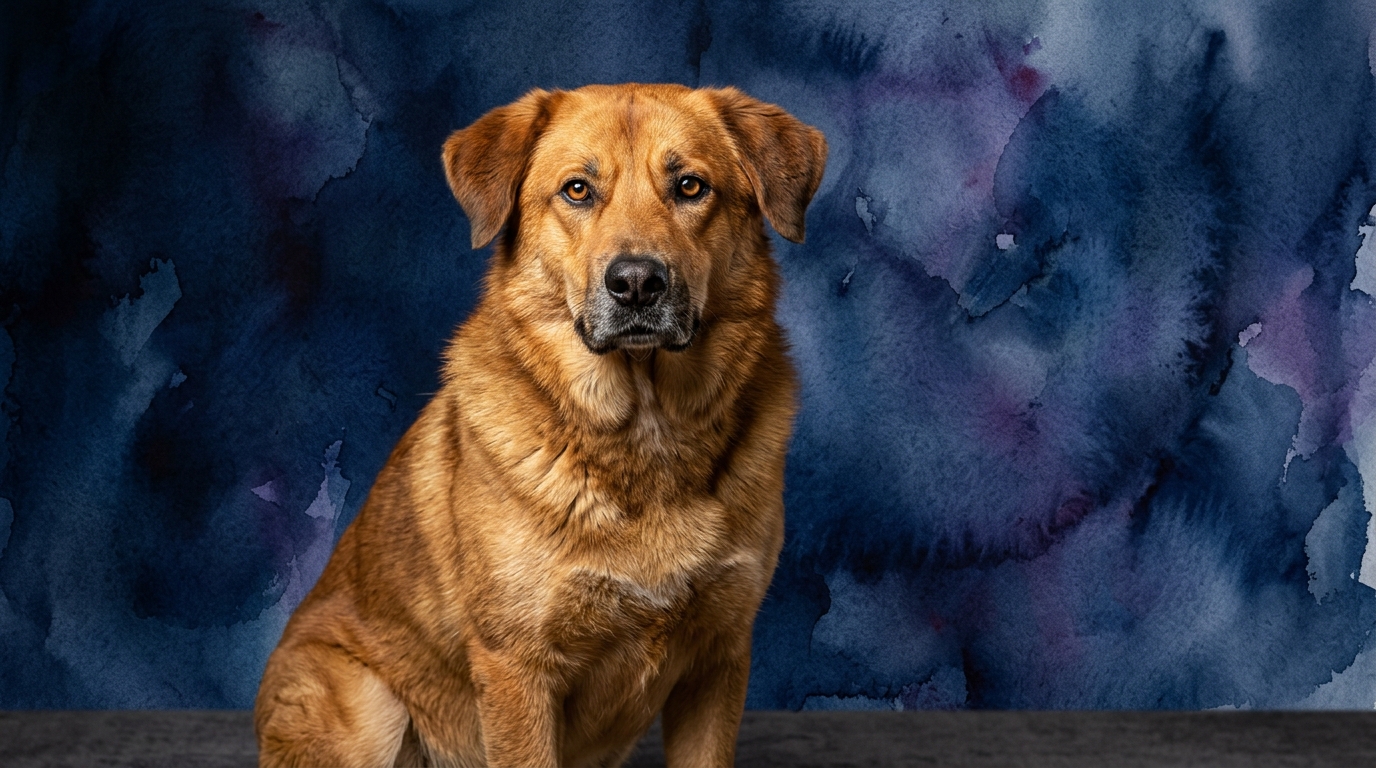
The Cosmic Pet Pet IQ Lab employs a five-dimensional framework to assess canine cognition, moving beyond simple ranking to offer a nuanced understanding of a breed's mental aptitudes. For the Chinook, a breed developed for sledding and companionship, its profile presents a balanced capability across the board: Problem Solving 3/5, Training Speed 3/5, Social Intelligence 3/5, Instinctive Drive 3/5, and Memory 3/5. This indicates a dog capable of moderate cognitive tasks, learning at a steady pace, and possessing a balanced social and intrinsic motivation.
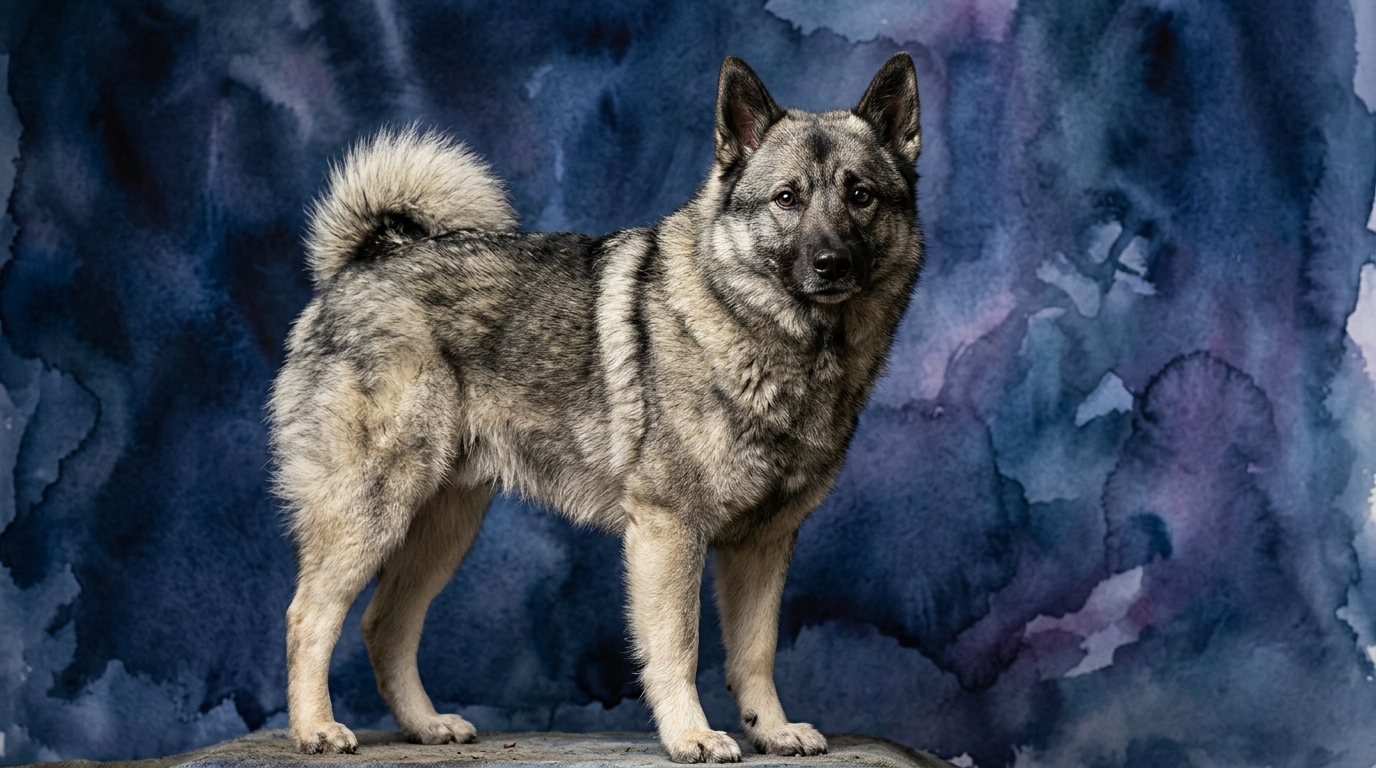
In contrast, the Norwegian Elkhound, a breed with a Coren rank of #36, demonstrates specific cognitive advantages reflective of its ancestral role as a moose hunter. Its IQ profile shows Problem Solving 4/5, Training Speed 4/5, Social Intelligence 3/5, Instinctive Drive 3/5, and Memory 4/5. The higher scores in problem-solving, training speed, and memory suggest a dog with a greater capacity for independent thought, quicker assimilation of new information, and superior retention of learned behaviors and spatial details. Both breeds share an equal rating in social intelligence and instinctive drive, hinting at comparable levels of interaction with their human companions and inherent motivations, though the *nature* of that drive differs significantly due to their breed histories.
Where Chinook Wins Cognitively
While the Chinook may not boast the higher individual scores of the Elkhound in some categories, its cognitive profile shines through its remarkable balance and consistency. With a 3/5 in Problem Solving, the Chinook approaches challenges with a steady, methodical approach, often preferring to work collaboratively with its handler rather than devising entirely independent solutions. This makes them excel in structured tasks where human guidance is part of the problem-solving process, such as navigating complex agility courses with an owner's cues or performing intricate sledding maneuvers as part of a team.
The Chinook's uniform 3/5 across all five dimensions suggests a harmonized mental framework, making them predictable and adaptable within their capabilities. Their social intelligence, rated equally at 3/5 as the Elkhound, combined with their working group heritage, means they are often deeply attuned to human intentions and emotional states, making them particularly receptive to cooperative ventures. This balanced cognitive toolkit, where no single trait overwhelmingly dominates, can be a distinct advantage for owners seeking a companion that integrates smoothly into family life and enjoys purposeful activity alongside them, rather than constantly seeking independent mental engagement.
Where Norwegian Elkhound Wins Cognitively
The Norwegian Elkhound's cognitive strengths are evident in its higher scores, particularly in Problem Solving (4/5), Training Speed (4/5), and Memory (4/5). This breed's history as a tenacious hunting dog, tracking large game independently in rugged terrain, has forged a mind adept at critical thinking and self-reliance. Their superior problem-solving allows them to navigate complex environments, overcome obstacles, and strategize effectively to achieve a goal, whether it's locating a hidden toy or finding the optimal path through a wilderness trail.
The Elkhound's quicker training speed means they grasp new commands and routines with fewer repetitions, often demonstrating a rapid 'aha!' moment. This efficiency in learning, coupled with their robust memory, ensures that once a behavior is learned, it is deeply ingrained and reliably recalled, even after long periods. This combination makes them capable of mastering a wide repertoire of commands and intricate tasks. Their strong memory also benefits them in navigation and remembering specific locations or sequences of events, a crucial trait for a dog expected to work far from its handler and find its way back. This breed thrives on mental challenges that engage their independent thought and quick learning capacity.
Which Is Easier to Train and Why
When evaluating ease of training, the Cosmic Pet IQ Lab's Training Speed dimension offers a clear indicator: the Norwegian Elkhound, with a 4/5, generally processes and internalizes new information more quickly than the Chinook, rated at 3/5. This means an Elkhound will often require fewer repetitions to understand a command or a new routine, potentially making the initial stages of obedience training feel more fluid and progress faster.
However, 'ease' also depends on the *type* of training and the breed's inherent motivations. The Elkhound's background as an independent hunter means its instinctive drive (3/5) is often directed towards scent-tracking and pursuing game. While they learn commands quickly, managing this strong independent drive and potential for selective hearing when engrossed in a scent can present its own training nuances. Conversely, the Chinook, with its working background in sledding, often possesses a strong desire to work *with* its human partner. While it may take a bit longer to grasp a new concept (Training Speed 3/5), its inherent inclination towards cooperation and pleasing its handler can make it a highly rewarding and dedicated student in the long run, particularly in tasks that involve teamwork. Therefore, while the Elkhound might learn *faster*, the Chinook might be more consistently *compliant* in cooperative activities once the concept is understood, assuming the training harnesses its desire for partnership.
Which Suits Active Owners vs. Relaxed Owners
Neither the Chinook nor the Norwegian Elkhound are suited for truly 'relaxed' or sedentary owners; both breeds possess a healthy level of instinctive drive (3/5) and require consistent physical and mental engagement. However, the *nature* of their activity preferences differs, making them suitable for distinct types of active lifestyles.
The Chinook, stemming from a working background focused on sledding and companionship, thrives with owners who enjoy purposeful, collaborative activities. They excel in activities like hiking, carting, canicross, or even urban exploration, especially when these pursuits involve their human companion. Their balanced cognitive profile and inclination for partnership make them ideal for owners who want a canine partner to share adventures with, where the dog is actively involved alongside them. Owners who provide consistent routines, engage in training, and offer plenty of shared outdoor experiences will find the Chinook a deeply rewarding companion. The Elkhound, with its background as an independent hunting dog, suits owners who appreciate a dog with endurance, tenacity, and a strong drive for independent exploration. They thrive on long hikes, scent work, and activities that allow them to use their superior problem-solving and memory skills in navigating varied terrain. While they enjoy human companionship, their activities often involve more self-directed engagement, such as tracking a scent or exploring a new trail with purpose. Owners who are active, enjoy challenging their dog's mind with complex tasks, and can provide ample opportunities for outdoor adventure will find the Norwegian Elkhound a fulfilling match, especially if they understand and manage its strong prey drive and independent nature.
The Verdict
Choose the Chinook if you seek a balanced, cooperative canine partner for shared adventures, valuing consistent companionship and a steady learning pace over rapid skill acquisition.
Opt for the Norwegian Elkhound if you desire a sharp-minded, independent companion capable of quick learning and tenacious problem-solving, thriving on mentally stimulating outdoor pursuits.
🧠 Find Your Pet's IQ Score
Our Pet IQ Lab assessment covers 25+ tests across 5 cognitive dimensions — personalized to your breed.
Take the Full IQ Test →Frequently Asked Questions
Does the Coren ranking affect the Cosmic Pet IQ Lab scores?
The Coren ranking provides a general measure of a breed's working and obedience intelligence, while the Cosmic Pet IQ Lab uses a multi-dimensional assessment. The Elkhound's Coren rank of #36 aligns with its higher problem-solving, training speed, and memory scores, suggesting a correlation, but the IQ Lab offers a more granular view of cognitive strengths.
Are Chinooks difficult to train because of their 3/5 training speed?
A 3/5 training speed indicates a moderate learning pace, meaning Chinooks are not difficult to train but may require more patience and repetition than breeds with higher scores. Their cooperative nature, stemming from their working background, makes them willing partners, which can offset the slightly slower learning curve if training is consistent and positive.
How does the Elkhound's higher problem-solving ability manifest in daily life?
The Elkhound's 4/5 problem-solving score means they are adept at figuring out how to open gates, access forbidden areas, or devise strategies to get what they want. This capability requires owners to provide consistent mental enrichment and secure environments to channel their ingenuity constructively, preventing boredom-driven mischief.