Side-by-Side IQ Profile: Unpacking Breed-Specific Cognition
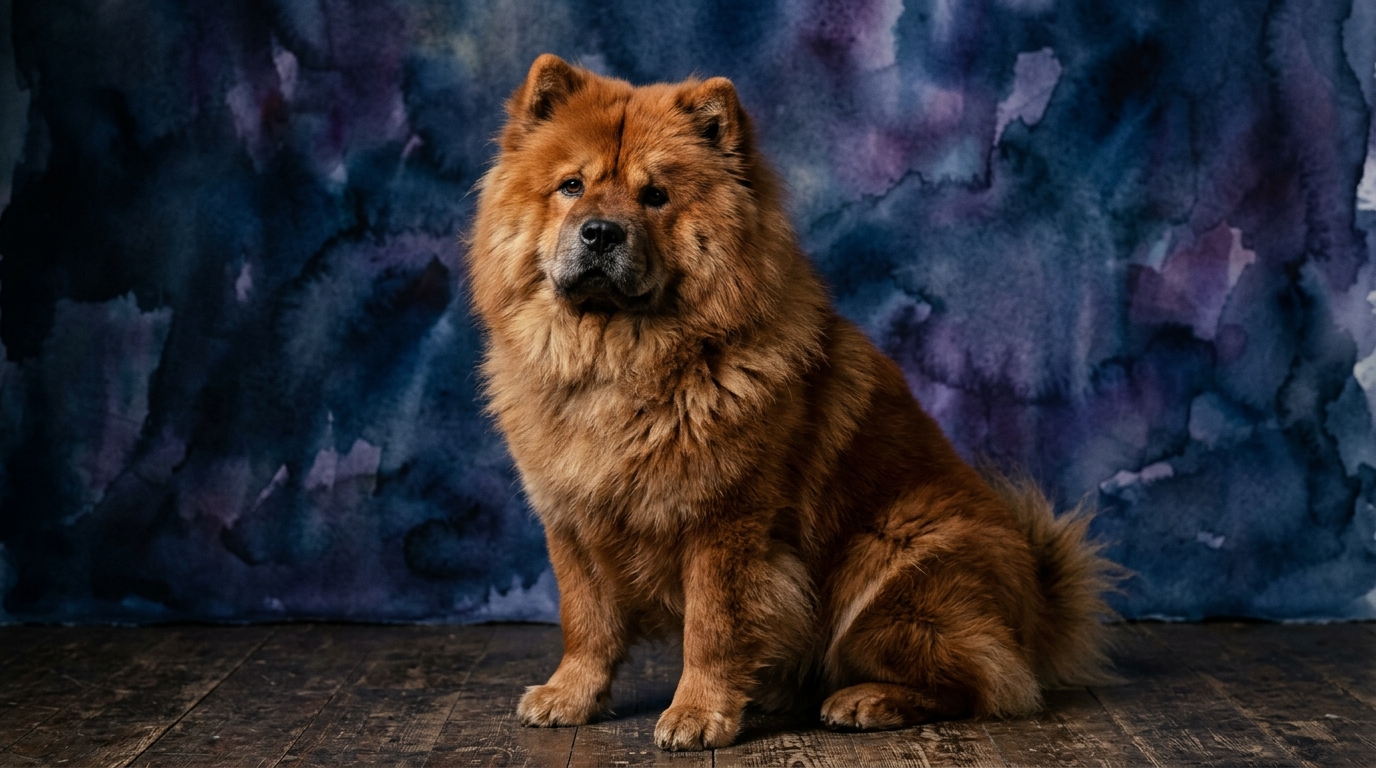
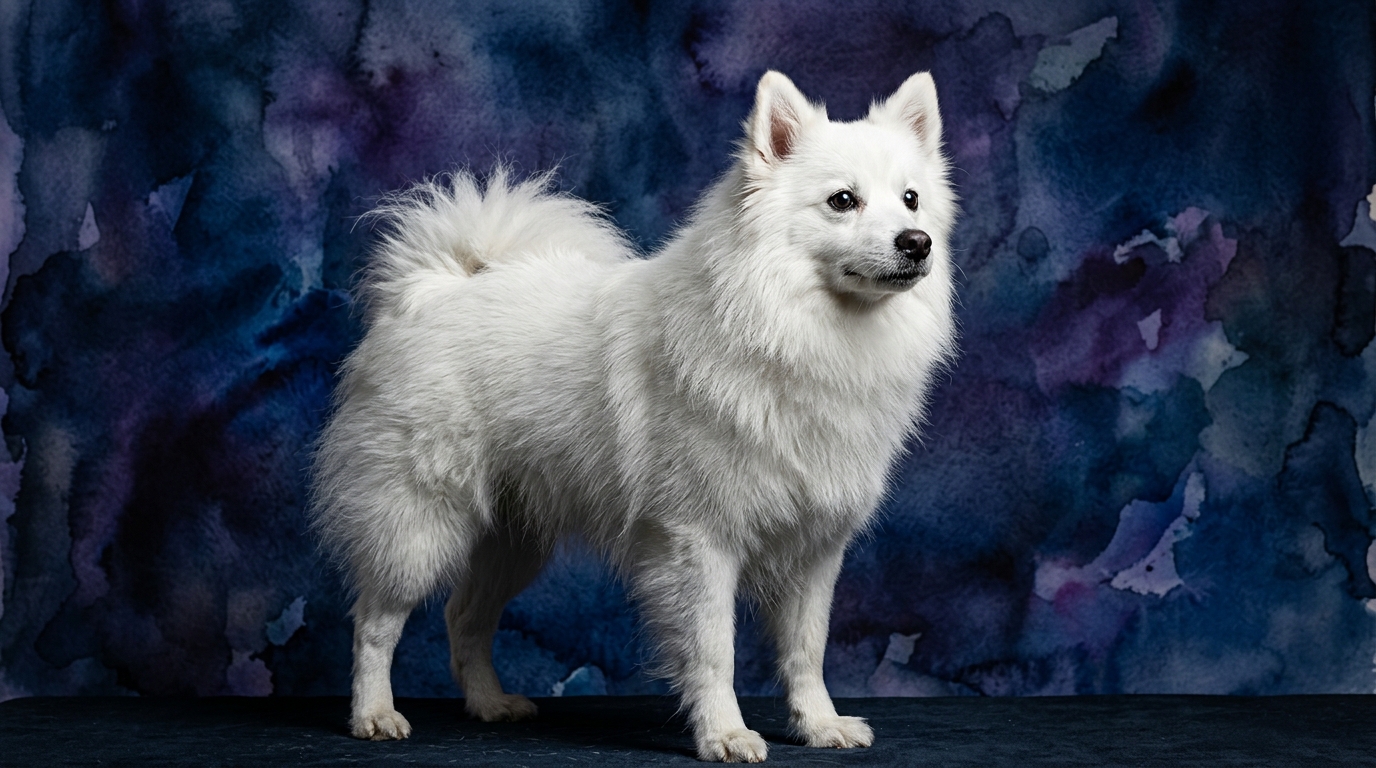
At The Cosmic Pet Pet IQ Lab, we assess canine intelligence across five critical dimensions. For the Chow Chow, ranked #76 by Coren, and the American Eskimo Dog, though unranked, both breeds consistently score 3/5 in each category, yet their approaches to these cognitive tasks are anything but identical.
The Chow Chow's Problem Solving, rated 3/5, is characterized by a deliberate, often independent approach; they prefer to observe and find straightforward solutions, sometimes through avoidance, rather than engaging in complex, human-directed tasks. Their Training Speed (3/5) reflects their capacity to learn but is heavily influenced by their strong will and discerning nature, requiring patient, consistent, and reward-based methods to overcome their natural independence. Social Intelligence (3/5) in a Chow Chow is expressed through deep, selective bonds with their inner circle, exhibiting a subtle understanding of family dynamics but typically reserved demeanor with strangers. Their Instinctive Drive (3/5) centers on their historical role as guardians and hunters, manifesting as a watchful, territorial awareness rather than overt activity. Lastly, their Memory (3/5) is robust, allowing them to retain routines, commands, and experiences, though their compliance is often a matter of choice.
In contrast, the American Eskimo Dog's Problem Solving (3/5) is marked by an eager, investigative spirit; they enjoy mental challenges and actively work to figure out puzzles or manipulate objects to achieve a goal, often seeking human interaction in the process. Their Training Speed (3/5) benefits from their innate desire to please and their bright, responsive nature, making them generally quick to pick up new commands with positive reinforcement. Social Intelligence (3/5) in an Eskie is typically more outwardly expressive, showing a keen awareness of human emotions and thriving on companionship, often communicating through their characteristic vocalizations. Their Instinctive Drive (3/5) is pronounced in their companion and watchdog roles, leading to high alertness, a desire for engagement, and a tendency to vocalize warnings. Their Memory (3/5) is excellent, allowing them to recall a wide array of commands, routines, and social interactions, making them reliable learners who build on past experiences.
Where the Chow Chow's Cognition Shines
The Chow Chow's cognitive strengths lie in situations demanding self-reliance and discerning judgment without constant human prompting. Their independent problem-solving (3/5) allows them to assess situations calmly and make decisions that best suit their own comfort or perceived safety, such as finding a quiet retreat or managing an unfamiliar encounter with dignified reserve. Their subtle social intelligence (3/5) means they excel at understanding unspoken cues within their close family, offering quiet companionship without demanding constant attention, a unique form of empathy that respects personal space. This breed's deliberate memory (3/5) ensures they retain boundaries and established routines with unwavering consistency, providing a predictable presence once they've accepted a rule.
Where the American Eskimo Dog's Cognition Excels
The American Eskimo Dog demonstrates cognitive advantages in tasks requiring enthusiastic engagement and interactive intelligence. Their eagerness in problem-solving (3/5) makes them adept at navigating complex toy puzzles or learning multi-step tricks, thriving on the mental stimulation and the reward of achievement alongside their human. The Eskie's expressive social intelligence (3/5) allows them to quickly pick up on human moods and respond with comforting presence or playful antics, making them highly responsive companions in dynamic social settings. Their strong instinctive drive (3/5) for interaction and their reliable memory (3/5) for learned behaviors make them particularly good candidates for dog sports like agility or obedience, where consistent recall and quick learning are paramount and directly tied to human partnership.
Training Dynamics: A Tale of Two Temperaments
Despite both breeds scoring 3/5 in Training Speed, the ease of training differs significantly due to their fundamental behavioral profiles. The American Eskimo Dog generally presents as easier to train for most owners. Their eagerness to please and strong desire for companionship mean they are typically more motivated by praise and rewards, readily engaging in training sessions and quickly grasping new commands. They thrive on positive reinforcement and consistent, varied instruction, often enjoying the process as a form of bonding.
The Chow Chow, while capable of learning, requires a different approach. Their inherent independence and often aloof nature mean they learn when they perceive value in the command or when it aligns with their own preferences. They are not naturally eager to please and can be stubborn if training becomes repetitive or unengaging. Successful training with a Chow Chow demands immense patience, firm but gentle leadership, and methods that respect their dignity, often focusing on short, positive sessions that appeal to their discerning intelligence rather than demanding unquestioning obedience. Their Coren rank of #76 reflects this need for a more nuanced training strategy compared to breeds that are inherently more biddable.
Lifestyle Suitability: Active Engagement vs. Calm Companionship
The cognitive profiles of these breeds strongly influence their suitability for different owner lifestyles. The American Eskimo Dog, with its active problem-solving, expressive social intelligence, and strong drive for engagement, is an ideal fit for active owners. They thrive in environments where they receive consistent mental stimulation through training, puzzle toys, and interactive play, alongside plenty of physical exercise. Owners who enjoy dog sports, regular walks, and active family participation will find the Eskie to be a responsive and energetic partner who enjoys being at the heart of the action.
Conversely, the Chow Chow's more independent problem-solving, reserved social intelligence, and watchful instinctive drive make them better suited for relaxed owners. While they do require regular, moderate exercise, their mental stimulation often comes from observing their surroundings and maintaining their dignified presence. They appreciate quiet companionship and a consistent routine, preferring a calm home environment over constant activity. Owners who value an independent, loyal, and somewhat aloof companion who is content with a more relaxed pace of life will find a Chow Chow a rewarding match.
The Verdict
Choose a Chow Chow if you value a dignified, independent companion who offers subtle loyalty and thrives in a calm, predictable environment with an owner who respects their discerning nature.
Opt for an American Eskimo Dog if you seek an enthusiastic, interactive companion who enjoys mental challenges, thrives on engagement, and fits an active lifestyle with an owner who appreciates their playful intelligence.
🧠 Find Your Pet's IQ Score
Our Pet IQ Lab assessment covers 25+ tests across 5 cognitive dimensions — personalized to your breed.
Take the Full IQ Test →Frequently Asked Questions
Do Chow Chows learn quickly?
Chow Chows can learn quickly, but their independent nature often means they learn on their own terms and when they perceive a benefit. They require patient, consistent, and engaging training methods that respect their strong will and discerning intelligence, rather than demanding immediate compliance.
Are American Eskimo Dogs good at problem-solving?
Yes, American Eskimo Dogs are quite good at problem-solving, displaying an eager and investigative spirit. They enjoy mental challenges, excel with puzzle toys, and are adept at figuring out how to achieve desired outcomes, often seeking human interaction during the process.
Which breed is more social with strangers?
The American Eskimo Dog is generally more outwardly social with strangers, often displaying a friendly and curious demeanor, though they can be vocal watchdogs. The Chow Chow, however, is typically reserved and aloof with strangers, forming deep bonds primarily with their immediate family members.