Side-by-Side Cognitive Profiles
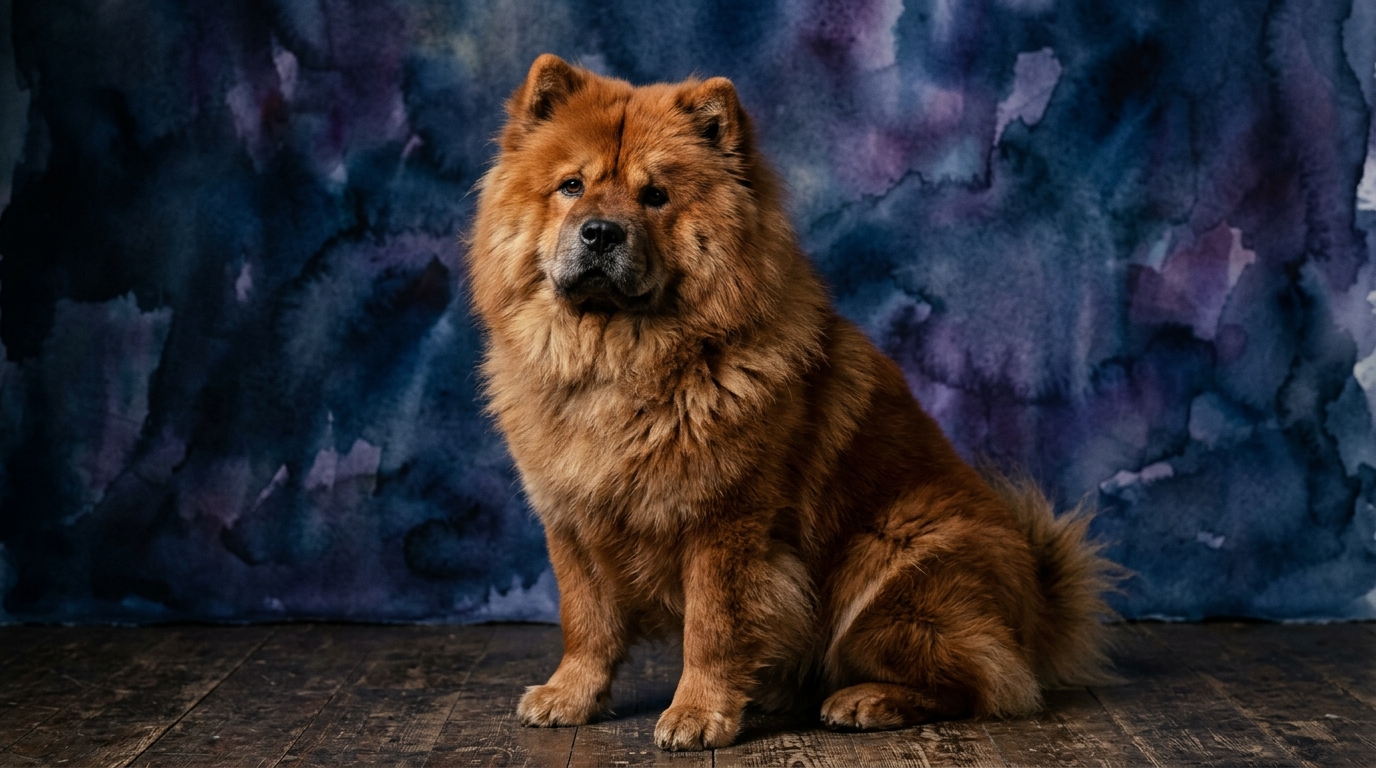
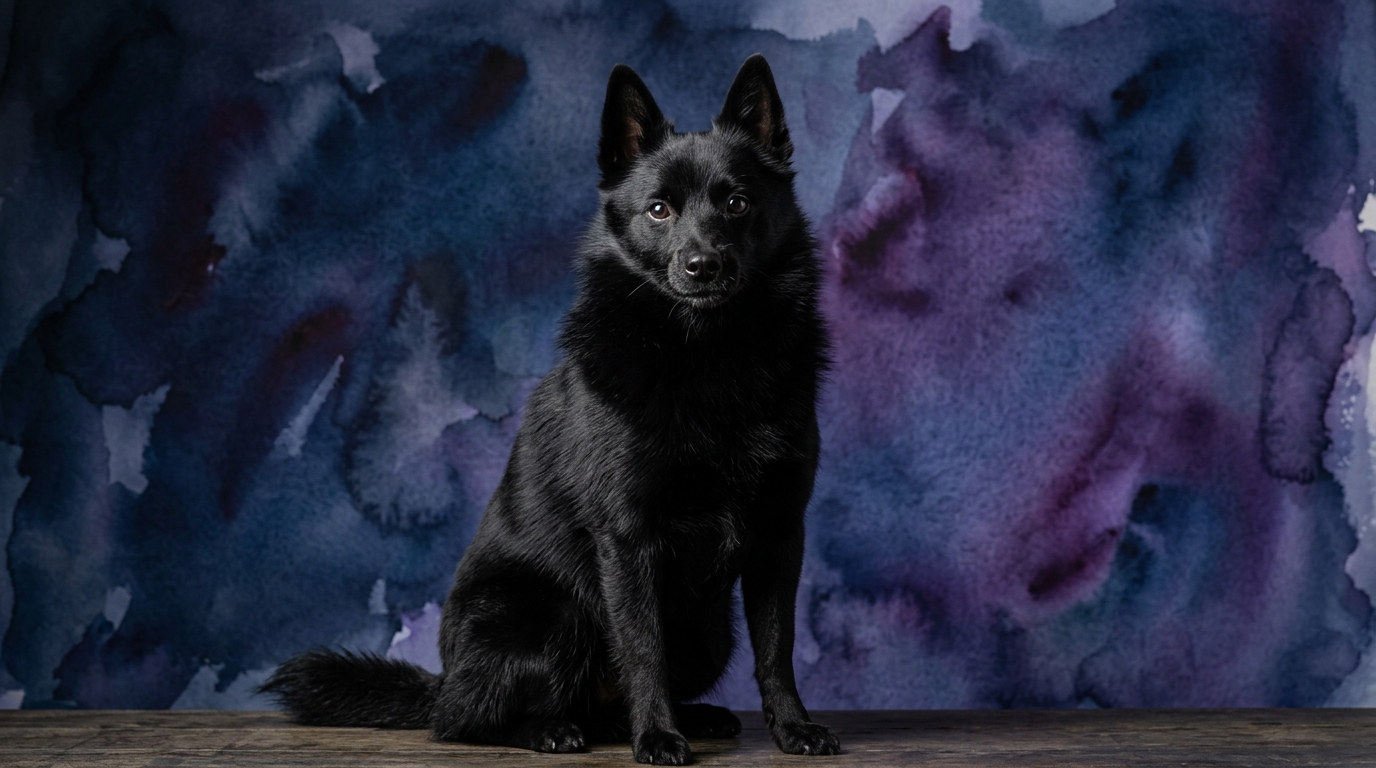
At The Cosmic Pet Pet IQ Lab, we analyze canine cognition across five critical dimensions, offering a nuanced perspective beyond general classifications. The Schipperke, with a Coren rank of #15, stands out as a highly receptive learner in traditional obedience settings, while the Chow Chow, ranked #76, presents a more independent cognitive approach. This stark difference in Coren rankings immediately signals distinct learning styles and inherent capabilities, setting the stage for a detailed comparison of their mental architectures.
For Problem Solving, the Schipperke scores an impressive 5/5, demonstrating a remarkable capacity to analyze novel situations, adapt quickly, and devise effective strategies to overcome obstacles or achieve goals. This breed is adept at figuring things out, whether it's manipulating puzzle toys or navigating complex environments. In contrast, the Chow Chow registers a 3/5 in Problem Solving, indicating competence with familiar challenges and routine tasks but a less pronounced drive for independent exploration of new solutions, often preferring established methods.
When it comes to Training Speed, the Schipperke again leads with a 5/5, showcasing an exceptional ability to rapidly grasp new commands, associate cues with actions, and integrate learned behaviors into their repertoire. Their eagerness to engage and quick comprehension make them highly rewarding to train. The Chow Chow, with a Training Speed of 3/5, learns at a more deliberate pace. They are capable of acquiring commands but often require significant consistency, patience, and motivation, as their independent nature means they may not always perceive the immediate utility of a given task.
Both breeds share a Social Intelligence score of 3/5. This suggests that while both the Chow Chow and the Schipperke understand and respond to social cues, they may not exhibit the same effusive or overtly people-pleasing behaviors common in breeds with higher scores. They form deep, loyal bonds with their chosen families but tend to be more reserved or selective in their social interactions, observing rather than actively seeking broad social engagement.
Their Instinctive Drive also aligns at 3/5 for both the Chow Chow and the Schipperke. This moderate score indicates that while both breeds possess natural instincts—such as guarding tendencies or a prey drive—these drives are typically manageable and not overwhelmingly intense. They are present enough to inform their behavior but generally do not dominate their cognitive landscape or require extreme management strategies.
Finally, in Memory, the Schipperke again excels with a 5/5, indicating an exceptional ability to retain learned information, past experiences, and complex routines over long periods. This strong recall contributes significantly to their trainability and reliability. The Chow Chow scores 3/5 in Memory, meaning they have a functional memory for established patterns and familiar information, but might require more frequent reinforcement for less common or newly acquired knowledge to ensure long-term retention.
Where the Chow Chow's Cognition Shines
While the Chow Chow’s cognitive scores are generally moderate, this specific blend creates a unique and appealing mental architecture for certain owners. Their 3/5 in Problem Solving and Training Speed, coupled with a 3/5 in Social Intelligence, fosters a distinctly independent and self-reliant canine. This isn't a dog constantly seeking direction or validation through complex tasks, which can be a significant advantage for those who appreciate a less demanding, more self-contained companion.
The Chow Chow's cognitive profile contributes to a dignified, often stoic personality. Their moderate instinctive drive (3/5) means they are generally less prone to high-energy, potentially destructive behaviors driven by intense urges, offering a calmer cognitive landscape. This steady, less reactive temperament can be a 'win' for owners seeking a companion content with quiet companionship and a predictable routine, rather than one requiring constant mental stimulation through intricate games or training sessions.
Where the Schipperke's Cognition Excels
The Schipperke’s cognitive strengths are evident in its higher scores across several key dimensions, making it a distinctly different mental companion. Their Problem Solving score of 5/5 indicates a sharp, analytical mind capable of quickly assessing and navigating novel situations. This translates into a dog that enjoys mental challenges and is often adept at figuring out solutions independently, whether it's opening a cupboard or devising a strategy to get a favorite toy.
A standout advantage is the Schipperke’s 5/5 in Training Speed and Memory. These scores mean they absorb new commands and retain information with exceptional efficiency. This rapid learning and strong recall make them highly responsive to training and capable of mastering a wide range of tasks and complex sequences, offering a rewarding experience for owners who enjoy engaging in structured learning and advanced activities with their canine partner.
Trainability: A Tale of Two Temperaments
When considering ease of training, the Schipperke clearly emerges as the more adaptable and responsive student. Their 5/5 Training Speed and Memory, combined with excellent Problem Solving abilities, mean they pick up new cues quickly, retain them for extended periods, and can generalize concepts with ease. Behaviorally, this translates into an alert, attentive dog that is often eager to engage with its handler and enjoys the mental stimulation of learning, making positive reinforcement highly effective.
The Chow Chow, with its 3/5 scores in Training Speed and Memory, presents a more significant training challenge. Their learning curve is slower, and retention requires consistent, patient reinforcement. Often described as independent or strong-willed, this stems from their cognitive inclination to prioritize self-direction; they may not immediately perceive the value in performing a task unless it offers a direct, tangible benefit or aligns with their own motivations.
Training a Chow Chow necessitates a deep understanding of their unique cognitive framework. Trainers must employ highly motivating rewards, short engaging sessions, and unwavering consistency to bypass their inherent aloofness and foster cooperation. While capable of learning, the process with a Chow Chow demands more dedication, creativity, and acceptance of their individualistic approach compared to the more compliance-driven Schipperke.
Ideal Owners: Active Engagement vs. Quiet Companionship
The distinct cognitive profiles of these two breeds naturally align with different owner lifestyles. The Schipperke, with its high scores in Problem Solving, Training Speed, and Memory, thrives with active and engaged owners. This breed requires consistent mental stimulation, whether through advanced obedience, agility, puzzle toys, or varied excursions that challenge their keen intellect.
Owners who enjoy structured activities, dog sports, or simply frequent, mentally enriching outings will find the Schipperke a fulfilling and responsive companion. Their moderate instinctive drive means their energy, when channeled with guidance, can be put to productive use, making them excellent partners for those seeking a dynamic and interactive canine relationship.
Conversely, the Chow Chow's moderate cognitive scores across all dimensions make them better suited for more relaxed owners. While they still require regular walks and basic training, they are not typically driven by an intense desire for complex tasks or constant learning. Owners who appreciate a calm, independent companion, one that enjoys quiet companionship and a predictable routine, will find the Chow Chow's cognitive makeup aligns well with their lifestyle, as they are content with less intense mental stimulation, preferring dignity over dynamic engagement.
The Verdict
Select a Chow Chow if you value a dignified, independent companion content with moderate mental engagement and consistent, patient guidance, appreciating a dog less driven by constant activity.
Opt for a Schipperke if you seek a quick-witted, highly trainable partner eager for mental challenges and regular engagement in structured activities and learning.
🧠 Find Your Pet's IQ Score
Our Pet IQ Lab assessment covers 25+ tests across 5 cognitive dimensions — personalized to your breed.
Take the Full IQ Test →Frequently Asked Questions
Do Chow Chows understand human emotions?
With a Social Intelligence score of 3/5, Chow Chows possess a moderate capacity to interpret human social cues and emotions. They form deep bonds with their families and can discern moods, though they may express their understanding in a more reserved or subtle manner compared to highly demonstrative breeds.
Are Schipperkes good at learning tricks?
Absolutely. Schipperkes excel at learning tricks due to their 5/5 Training Speed and Memory scores, coupled with strong Problem Solving abilities. They quickly grasp new commands and enjoy the mental engagement of mastering novel behaviors, making them rewarding partners for trick training.
How does a dog's Coren Rank relate to its overall IQ?
Coren Rank primarily assesses "working and obedience intelligence," reflecting a breed's ability to learn and follow human commands. While it correlates with aspects like training speed and memory, a lower rank doesn't mean a dog isn't "smart" in other ways, such as independent problem-solving or social navigation, which are captured by the individual IQ dimensions.