Side-by-Side Cognitive Profiles
The Cosmic Pet IQ Lab assesses five key dimensions of canine intelligence, providing a nuanced view beyond traditional rankings. For both the Chow Chow (Coren rank #76) and the Tibetan Terrier (Coren rank #63), our analysis shows a consistent score of 3/5 across all dimensions, indicating a moderate, capable level of cognitive function. However, the manifestation of these scores differs significantly between the two.
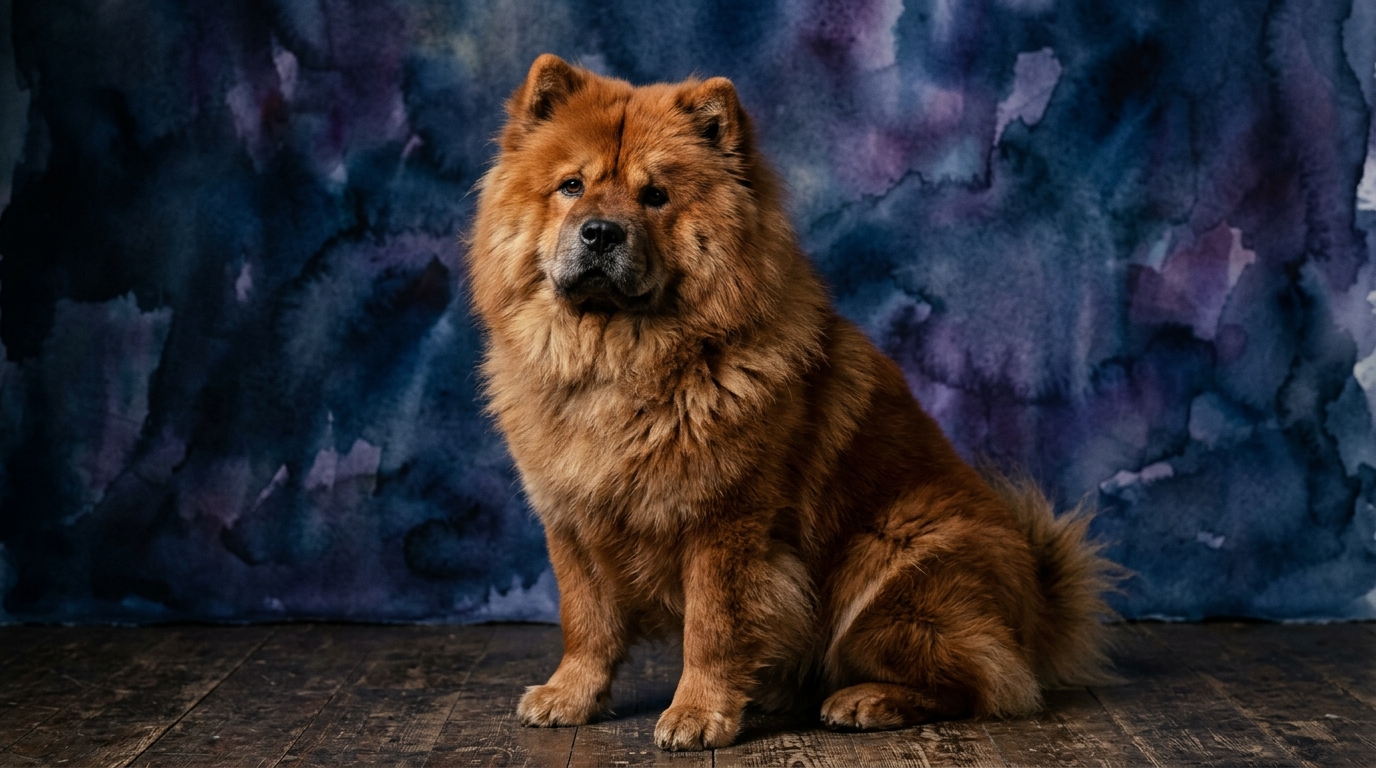
**Chow Chow (Coren Rank #76):**
**Problem Solving (3/5):** The Chow Chow approaches challenges with a distinct independence. Their solutions often stem from their own assessment of a situation, rather than an immediate desire to please or follow human directives. This means they can be adept at figuring out how to achieve their own goals, but might be less inclined to engage with human-assigned puzzles, especially if they perceive no immediate benefit.
**Training Speed (3/5):** A 3/5 in training speed, coupled with their Coren rank of 76, suggests the Chow Chow learns at an average pace but requires significant patience and consistent, positive reinforcement. They are not quick to pick up new commands and might show reluctance if bored or if they don't see the point, often requiring more repetitions and motivation to solidify a behavior.
**Social Intelligence (3/5):** Chows are often reserved, even aloof. This 3/5 indicates they understand social cues but choose whether or not to engage. They are observant of their human family's moods but might not openly reciprocate affection or seek constant interaction, forming strong bonds expressed subtly.
**Instinctive Drive (3/5):** Their historical role as guard dogs means they possess a moderate drive to protect and patrol. This 3/5 can manifest as territoriality or a strong sense of personal space, making them watchful but not typically high-energy hunters. They are motivated by guarding their perceived domain.
**Memory (3/5):** Chow Chows remember commands and routines, but if training isn't consistent, they might appear to 'forget' or simply choose to ignore previously learned behaviors. They can also hold grudges and remember negative experiences, which significantly impacts future interactions and cooperation.
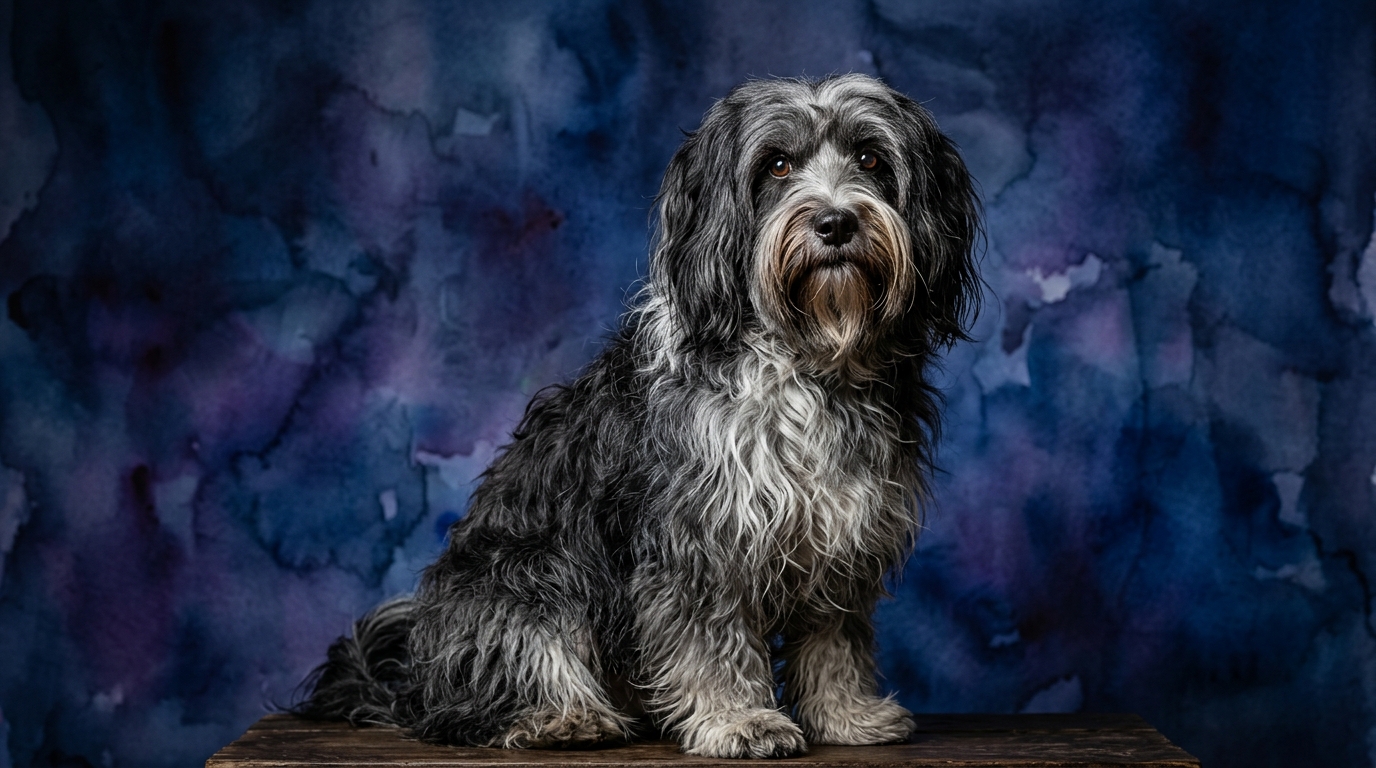
**Tibetan Terrier (Coren Rank #63):**
**Problem Solving (3/5):** The Tibetan Terrier also scores 3/5 in problem-solving, but their approach often carries a more curious and collaborative spirit. They are inclined to explore and experiment, often involving their human companions in the process. This 3/5 suggests they are capable of navigating complex situations, often with a playful ingenuity that makes them adaptable to various novel challenges.
**Training Speed (3/5):** With a Coren rank of 63, this 3/5 implies they learn at an average pace, but their willingness to please and their playful nature can make the process feel smoother. They might pick up basic commands with fewer repetitions than a Chow Chow, but still require consistency and engaging methods.
**Social Intelligence (3/5):** Tibetan Terriers are generally more outgoing and adaptable than Chow Chows. This 3/5 suggests they are attuned to human emotions and social dynamics, often seeking interaction and being more expressive in their affection. They adapt well to new people and situations, displaying a more overt sociability.
**Instinctive Drive (3/5):** Bred as companions and watchdogs in monasteries, their drive is moderate. This 3/5 means they are alert to surroundings and will bark to alert, but lack the intense territoriality of a Chow Chow. They possess a moderate play drive and inherent curiosity, often seeking out novel stimuli.
**Memory (3/5):** Tibetan Terriers remember commands and routines well, and their generally agreeable nature means they are less likely to 'forget' out of stubbornness. They also remember positive experiences and people, contributing to their adaptable and generally cooperative nature, making learned behaviors more consistently reliable.
Where the Chow Chow Excels Cognitively
The Chow Chow's 3/5 instinctive drive, combined with their aloof nature and history as temple guardians, translates into a superior ability for independent vigilance. While both breeds score 3/5 in this dimension, the Chow Chow exhibits a more pronounced, self-directed protective instinct, making autonomous judgments about perceived threats without constant human instruction. Their 3/5 problem-solving manifests in strategic, independent decision-making when safeguarding their territory, relying on their own assessment rather than seeking human guidance, which can be an asset for a dedicated guardian.
Where the Tibetan Terrier Excels Cognitively
The Tibetan Terrier's 3/5 social intelligence, paired with their Coren rank of 63, suggests a more nuanced understanding of human-canine social dynamics and a greater adaptability to varied social contexts. While both breeds are rated 3/5, the Tibetan Terrier typically displays a more pronounced inclination to engage with and respond to human emotional cues, making them more socially flexible and responsive to family life. Their 3/5 problem-solving often involves a collaborative approach, showing a greater willingness to work *with* their human companions to achieve a goal, rather than independently.
Training: Which is Easier and Why
Despite both breeds scoring 3/5 in Training Speed, the Tibetan Terrier generally presents an easier training experience due to its higher Coren rank of 63 compared to the Chow Chow’s 76. This difference often reflects the Tibetan Terrier’s inherent eagerness to engage and collaborate, making them more responsive to instruction and less prone to independent decision-making during training sessions. Their 3/5 social intelligence translates into a greater attentiveness to human cues and a more cooperative demeanor, whereas the Chow Chow’s similar 3/5 social intelligence often manifests as reserved observation, leading to a more self-directed and sometimes resistant approach to learning commands.
The Chow Chow's 3/5 problem-solving is often applied to circumventing rules they deem unnecessary, requiring an owner to be exceptionally consistent and creative to maintain their engagement. Their 3/5 memory means they recall past training, but their independent nature often dictates whether they choose to act on that memory, making consistency paramount to overcome potential selective deafness. In contrast, the Tibetan Terrier’s 3/5 memory, combined with their more agreeable nature, means lessons tend to stick more reliably, making progression smoother for most owners who enjoy a more interactive training dynamic.
Suitability for Active vs. Relaxed Owners
For owners seeking an active companion, the Tibetan Terrier is often the more suitable choice. While both score 3/5 in instinctive drive, the Tibetan Terrier’s drive often manifests as a desire for playful interaction, agility, and exploring new environments, making them excellent partners for hiking, trick training, or dog sports. Their 3/5 problem-solving is often engaged in overcoming physical challenges or learning complex sequences, aligning well with an owner who enjoys structured, mentally stimulating activities.
Conversely, the Chow Chow generally aligns better with more relaxed owners. Their 3/5 instinctive drive is typically expressed as a preference for quiet companionship and territorial oversight, rather than high-energy pursuits. They are content with moderate, routine exercise and appreciate calm, predictable environments. Their 3/5 social intelligence means they are observant companions, but their expression of affection is often subtle and less demanding of constant interaction, fitting a household that values an independent presence over constant engagement.
The Verdict
Choose the Chow Chow if you appreciate an independent, dignified, and loyal companion that doesn't demand constant activity or effusive displays of affection, and if you are prepared for a deliberate and consistent training approach.
Opt for the Tibetan Terrier if you desire a playful, adaptable, and more overtly social companion, who enjoys engaging in various activities and appreciates a dog that is generally more responsive and collaborative in training.
🧠 Find Your Pet's IQ Score
Our Pet IQ Lab assessment covers 25+ tests across 5 cognitive dimensions — personalized to your breed.
Take the Full IQ Test →Frequently Asked Questions
Are Chow Chows difficult to train?
Chow Chows can present training challenges due to their independent and sometimes stubborn nature. They require significant patience, consistency, and positive reinforcement from an owner who understands their unique motivation, often needing more repetitions than other breeds to solidify commands.
Are Tibetan Terriers good family dogs?
Yes, Tibetan Terriers are generally adaptable and can make excellent family dogs. Their moderate social intelligence and playful nature allow them to bond well with various family members, often enjoying interaction with children and adapting to different household dynamics.
What's the main difference in their loyalty?
Chow Chows are fiercely loyal, often forming deep, singular bonds with their immediate family members while remaining aloof or suspicious of strangers. Tibetan Terriers, while loyal to their family, are generally more broadly social and adaptable, extending their amiable nature to a wider circle of acquaintances once they are comfortable.