Side-by-Side Cognitive Profiles: Chow Chow vs. Toy Poodle
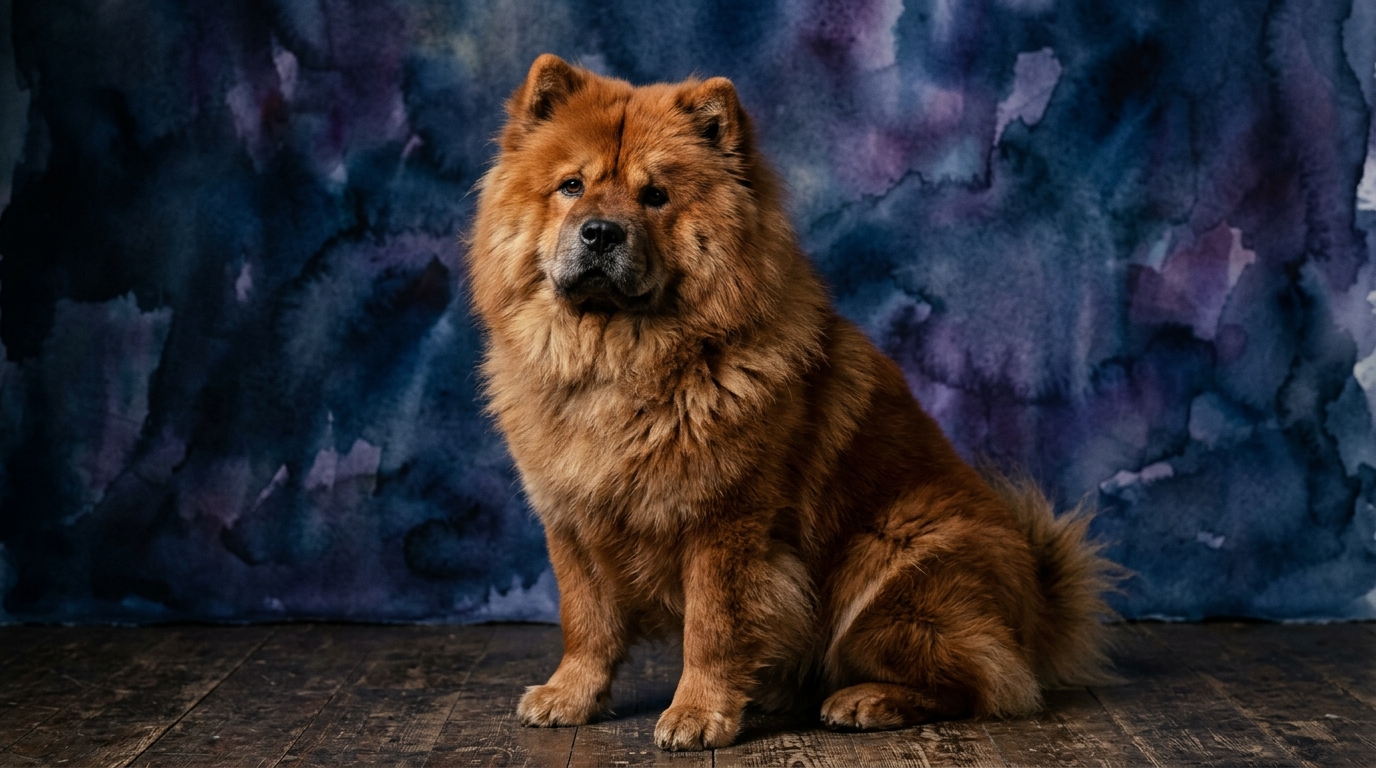
The Cosmic Pet Pet IQ Lab employs a five-dimensional framework to assess canine intelligence, offering a nuanced view beyond simple rankings. For the Chow Chow, a Non-Sporting breed with a Coren rank of #76, its scores paint a picture of deliberate processing and self-reliance. Its Problem Solving is rated 3/5, indicating a preference for established routines over independent exploration of novel solutions; a Chow Chow will typically rely on learned patterns or wait for human guidance when faced with an unfamiliar puzzle, rather than persistently experimenting with new approaches. Training Speed is also 3/5, meaning learning new commands occurs at a measured pace, requiring consistent, positive reinforcement as these dogs can be selective in their obedience. Social Intelligence at 3/5 suggests that while capable of understanding human cues, the Chow Chow often interprets social interactions on its own terms, forming deep, loyal bonds with its inner circle but generally exhibiting a reserved demeanor towards strangers. Its Instinctive Drive is 3/5, possessing moderate territorial and guarding instincts centered more on protecting its home and family rather than intense prey pursuit or a strong desire for complex work tasks. Finally, Memory is 3/5, retaining information and experiences reasonably well, particularly for essential routines, but less frequently practiced skills may require periodic refreshers.
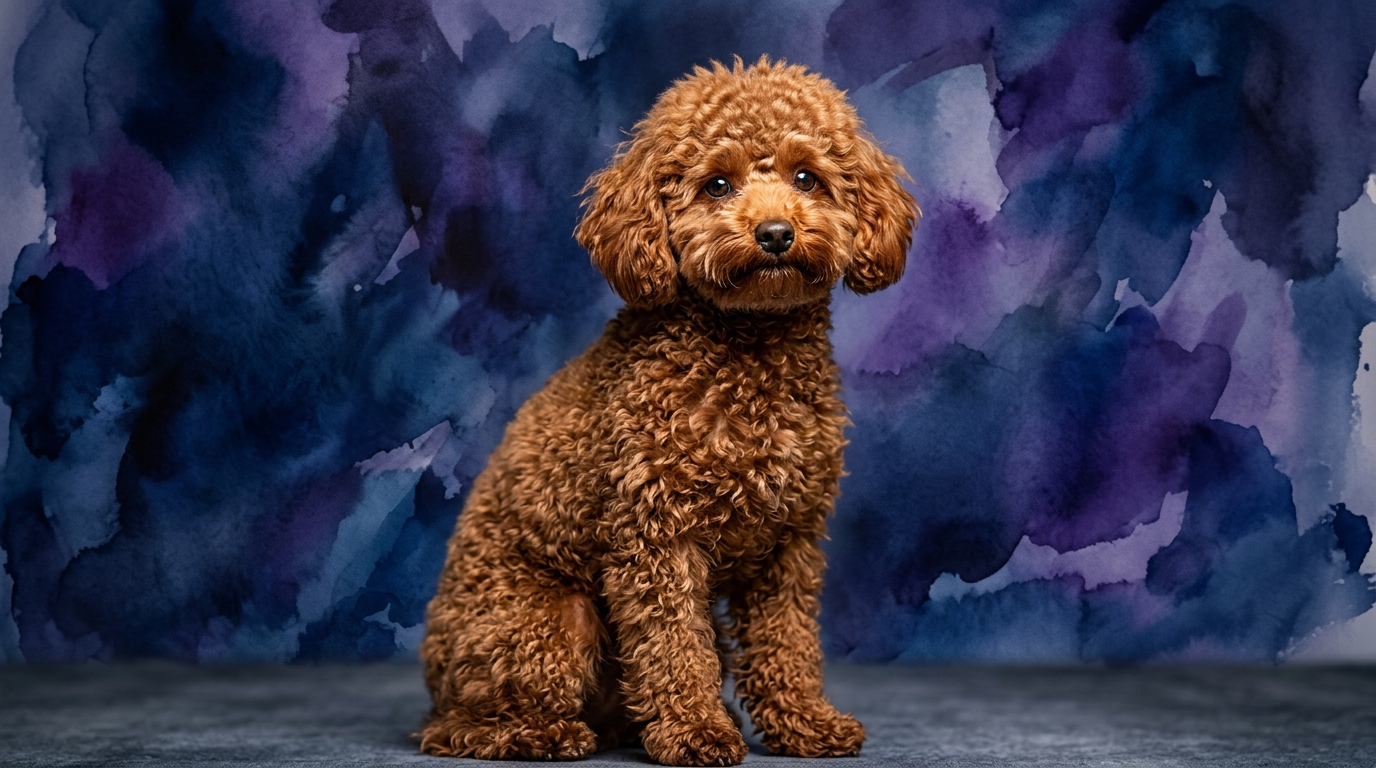
In stark contrast, the Toy Poodle, a Toy breed with an impressive Coren rank of #2, showcases a markedly different cognitive blueprint. Its Problem Solving is a perfect 5/5, indicating exceptional analytical skills where it quickly assesses new situations and devises effective solutions to challenges, adept at navigating complex environments and figuring out intricate puzzles with minimal trial and error. Training Speed is also 5/5, as Toy Poodles assimilate new commands and routines with remarkable speed, frequently grasping concepts in just a few repetitions due to their eagerness to engage and participate. Interestingly, its Social Intelligence is 3/5; while highly attuned to the emotions and intentions of their primary caregivers, their social acumen often focuses intensely on their immediate human family, understanding subtle cues but sometimes appearing discerning or reserved with new acquaintances rather than broadly gregarious. Instinctive Drive is 3/5, primarily manifesting as a keenness for interactive play and a historical aptitude for retrieving, without the intense prey or herding drives of specialized working breeds. Memory, like Problem Solving and Training Speed, is a stellar 5/5, demonstrating exceptional recall and capable of retaining vast amounts of information, from extensive trick repertoires to complex sequences of commands, over extended periods without significant degradation.
Where the Chow Chow's Cognitive Style Shines
While the raw scores might suggest a disparity, the Chow Chow’s cognitive style presents distinct advantages in specific contexts. Their profound sense of self-reliance, stemming from their moderate social intelligence and training speed, means they aren't constantly seeking external validation or instruction. This independence translates into a dog less prone to separation anxiety, capable of comfortable solitude for reasonable periods, and less likely to develop over-reliance on their human companions for every decision. Their 3/5 in problem-solving indicates a preference for established routines, making them less inclined to creatively 'outsmart' their owners to access forbidden areas or engage in complex mischief. This preference for predictability can foster a stable, less demanding household dynamic, where the dog is content with a clear, consistent structure rather than constantly pushing boundaries. Their moderate instinctive drive also means they are less likely to exhibit destructive behaviors born from unfulfilled intense needs, provided their basic exercise and companionship requirements are met.
Where the Toy Poodle Excels Cognitively
The Toy Poodle's cognitive strengths are undeniably impressive, particularly in its capacity for learning and adaptation. With a 5/5 in problem-solving, they swiftly analyze new situations and devise solutions, making them adept at navigating complex environments, learning intricate tricks, and excelling in dog sports like agility. Their 5/5 in training speed means they grasp new commands and concepts with remarkable quickness, often requiring only a few repetitions to solidify a behavior. This rapid assimilation, coupled with a keen memory (5/5), allows them to build an extensive repertoire of skills and retain them over long periods, making them incredibly versatile and responsive companions. They thrive on mental engagement and the challenge of mastering new tasks, demonstrating a clear enjoyment in the learning process itself, often delighting in showing off their latest accomplishments.
Training Dynamics: Which Breed is More Amenable?
The Toy Poodle is unequivocally easier to train, a direct consequence of its superior cognitive profile in several key areas. Their 5/5 training speed means they absorb new commands and routines with remarkable efficiency, often understanding a cue in just a handful of repetitions. This rapid learning is bolstered by their 5/5 problem-solving abilities, enabling them to quickly understand the desired outcome of a task and adapt their behavior accordingly. Furthermore, their 5/5 memory ensures that once a behavior is learned, it is retained consistently over time, leading to reliable responses. Toy Poodles generally exhibit a strong desire to engage and please their human companions, making them highly motivated students who flourish with positive reinforcement and interactive training sessions. Their historical role as performing dogs has honed their aptitude for complex learning.
In contrast, the Chow Chow's 3/5 in training speed and problem-solving indicates a more deliberate learning process. They require consistent, patient, and positive reinforcement, as they may take longer to grasp new concepts and are more prone to selective hearing if they don't perceive a clear benefit. Their moderate memory (3/5) means that occasional refreshers are often necessary to maintain proficiency, and their independent nature, stemming from their social intelligence, means they might not always prioritize human directives over their own inclinations. Training a Chow Chow demands a deeper understanding of their self-possessed spirit and a commitment to making training a rewarding, non-confrontational experience. Owners should focus on building trust and respect, understanding that while they can learn, it's often on their own terms and timeline.
Matching Breeds to Lifestyles: Active vs. Relaxed Owners
For owners seeking an active, mentally stimulating partnership, the Toy Poodle is an ideal match. Their boundless curiosity, quick learning, and eagerness to engage make them excellent candidates for advanced obedience, trick training, agility, or even canine dance. They thrive on consistent mental challenges and physical activity, requiring owners who are prepared to dedicate time to their cognitive enrichment. A Toy Poodle will flourish in a home where learning is a continuous journey and daily life offers opportunities for problem-solving and skill application, as their energy extends beyond just physical exertion to a need for intellectual engagement.
Conversely, the Chow Chow is better suited for more relaxed owners who appreciate a dignified, independent companion. While they still require regular exercise and mental engagement, their needs are less intense and more focused on routine and companionship rather than complex tasks. They are content with predictable daily walks, quiet time, and a stable home environment. Owners who value a dog that doesn't constantly demand instruction or elaborate activities, and who respect a breed's self-possessed nature, will find the Chow Chow to be a remarkably loyal and serene partner. Their contentment with a calm pace means they integrate well into households preferring a tranquil atmosphere.
The Verdict
Choose a Chow Chow if you value a self-reliant, dignified companion content with routine and calm companionship, and are prepared for a deliberate, patient training approach. They offer deep loyalty to owners who appreciate their independent spirit and don't require constant mental engagement.
Opt for a Toy Poodle if you seek an exceptionally quick-witted and eager-to-learn partner, thriving on mental challenges, advanced training, and active participation in family life. They are perfect for owners who enjoy consistent cognitive enrichment and a highly responsive dog.
🧠 Find Your Pet's IQ Score
Our Pet IQ Lab assessment covers 25+ tests across 5 cognitive dimensions — personalized to your breed.
Take the Full IQ Test →Frequently Asked Questions
Is a Chow Chow difficult to train?
Chow Chows are not inherently difficult, but their independent nature and moderate training speed (3/5) mean they require consistent, patient, and positive reinforcement. They learn best with clear expectations and a rewarding approach, rather than repetitive drills or harsh methods, often responding better to gentle guidance.
Do Toy Poodles need a lot of mental stimulation?
Absolutely, Toy Poodles thrive on mental engagement due to their high problem-solving (5/5) and memory (5/5) scores. Without sufficient mental challenges, they can become bored, potentially leading to undesirable behaviors, so daily puzzles, training, or interactive play are crucial for their well-being.
How do their social needs differ?
Both breeds score 3/5 in social intelligence, but this manifests differently: Chow Chows are more reserved, forming deep bonds with their family but being aloof with strangers. Toy Poodles are highly attuned to their owner's emotions and enjoy family interaction, but may also exhibit a discerning social circle beyond their immediate human companions, often being selective with new people.