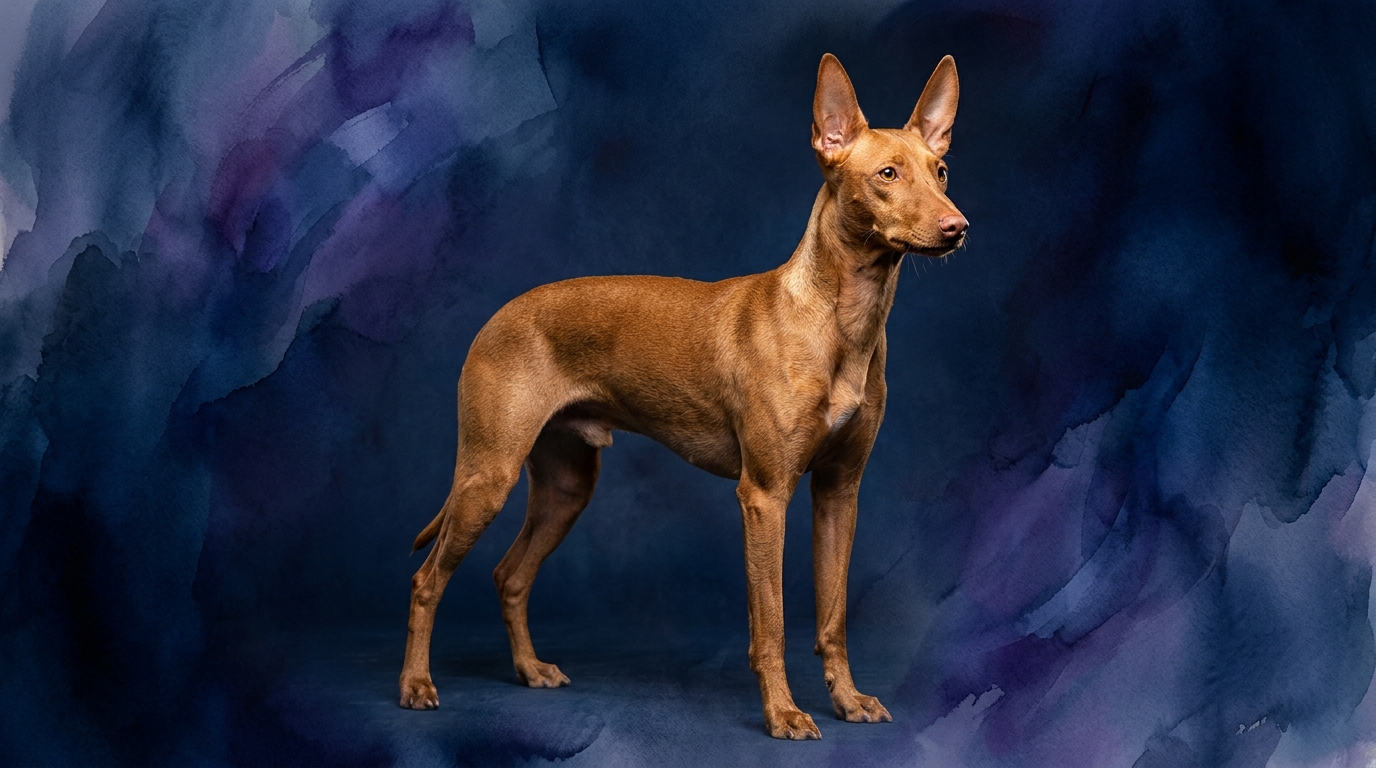
Unpacking the Identical Scores: Cirneco dell'Etna's Cognitive Blueprint
The Cirneco dell'Etna, an ancient hound from Sicily, was bred for hunting small game like rabbits across rugged, volcanic terrain. This heritage profoundly influences its cognitive profile, even with a consistent 3/5 across all IQ dimensions. Its problem-solving capacity, rated 3/5, is largely directed towards independent tracking and pursuit; this breed excels at deciphering complex scent trails and navigating challenging landscapes to locate prey, demonstrating a self-reliant form of strategic thinking crucial for sustained hunting.
When it comes to training speed, also 3/5, the Cirneco dell'Etna exhibits typical hound independence; while capable of learning commands, its strong instinctive drive for scent work often means it will prioritize an intriguing smell over immediate handler compliance, requiring consistent, patient, and highly motivating training methods. Its social intelligence, 3/5, typically describes a dog that is affable and devoted to its family pack but can be reserved or discerning with strangers, reflecting a balanced need for companionship without excessive reliance on human social cues for its work. The instinctive drive, a robust 3/5, is centered on prey drive and scent work, a fundamental aspect of its being. Finally, its memory, 3/5, supports its hunting prowess, allowing it to recall complex routes, scent patterns, and hunting strategies over time.
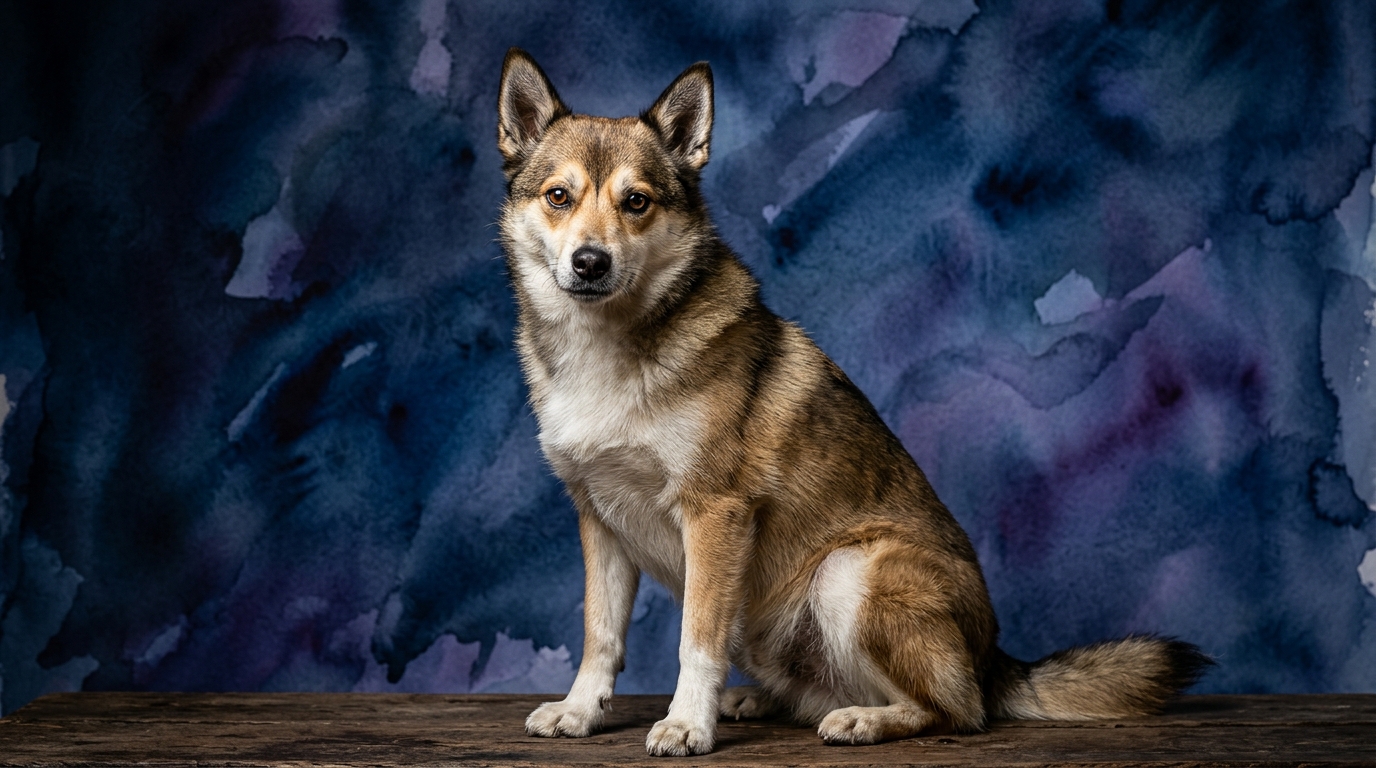
Unpacking the Identical Scores: Norwegian Lundehund's Cognitive Blueprint
The Norwegian Lundehund, a unique Non-Sporting breed, was developed for hunting puffins on treacherous coastal cliffs, requiring exceptional agility and a distinct problem-solving approach. Its 3/5 rating for problem-solving reflects its remarkable ability to navigate confined spaces, climb rocky outcrops, and extract birds from narrow crevices. This isn't just physical prowess; it involves intricate spatial reasoning, planning routes through complex environments, and adapting to unpredictable conditions, often without direct human guidance. This breed's cognitive strengths lie in its creative, independent solutions to physical obstacles.
The Lundehund's training speed, also 3/5, mirrors its independent nature; often described as 'cat-like,' it possesses a will of its own and responds best to positive reinforcement, engaging lessons, and a handler who understands its sometimes quirky, self-directed personality. Compliance is earned, not simply given, making training a collaborative effort. Its social intelligence, 3/5, means it forms strong bonds with its family but can be wary or reserved around new people, requiring careful socialization. The instinctive drive, 3/5, manifests as a strong urge to climb, explore, and dig, remnants of its puffin-hunting days. Its memory, 3/5, is crucial for recalling the intricate pathways and locations of its hunting grounds, demonstrating a capacity for retaining complex environmental data.
Where the Cirneco dell'Etna Cognitively Shines
The Cirneco dell'Etna's cognitive strengths are particularly evident in its sustained, independent pursuit and its ability to process intricate sensory data over vast distances. Its 3/5 problem-solving isn't about quick tricks, but about the methodical, persistent deciphering of a scent trail, requiring focused attention and endurance in its mental mapping of an environment. This breed excels at following a 'story' told through scent, demonstrating a unique form of intelligence in pattern recognition and long-term focus during a hunt.
Furthermore, its social intelligence, while not overly demonstrative, is perfectly suited for a partnership where the dog leads the discovery and the human follows. The Cirneco's ability to operate semi-autonomously in the field, making crucial decisions about the hunt, yet returning to its handler, showcases a balanced cognitive independence combined with a functional social bond that is less about obedience and more about collaborative pursuit.
Where the Norwegian Lundehund Cognitively Shines
The Norwegian Lundehund's unique cognitive prowess is best observed in its exceptional blend of physical adaptability and spatial problem-solving in challenging, vertical environments. Its 3/5 problem-solving rating is heavily influenced by its historical role, where it had to creatively navigate narrow passages, climb sheer surfaces, and retrieve prey from inaccessible spots. This requires a distinct form of spatial intelligence, where the dog mentally maps its surroundings and strategizes its movements in three dimensions, a skill few other breeds possess to the same degree.
Their independent decision-making in hazardous, complex environments is another area where their cognitive profile shines. The Lundehund's ability to assess risk, find novel solutions to physical barriers, and act without constant human direction highlights a self-reliant and adaptable mind. This isn't just about physical flexibility; it's about the cognitive flexibility to apply unique physical traits to solve immediate, complex environmental puzzles.
Training Dynamics: Which is Easier and Why
With both breeds scoring 3/5 in training speed, neither the Cirneco dell'Etna nor the Norwegian Lundehund is typically described as a 'beginner's dog' or one that lives to please. Both require a patient, consistent, and understanding handler, but the specific challenges in their training stem from different aspects of their inherent cognitive drives.
The Cirneco dell'Etna's training journey is often shaped by its profound hound nature. Its 3/5 training speed is directly impacted by its powerful instinctive drive for scent; a captivating smell can easily override a learned command, making off-leash reliability a significant challenge in unsecured areas. Successful training relies on making sessions engaging, using high-value rewards, and consistently redirecting its focus from environmental stimuli back to the handler. Owners must appreciate that the Cirneco learns, but its priorities might sometimes diverge from human expectations due to its deeply ingrained hunting instincts, necessitating a nuanced approach that harnesses, rather than suppresses, its natural drives.
Conversely, the Norwegian Lundehund's 3/5 training speed is influenced by its distinct independence and often 'cat-like' stubbornness. This breed tends to question commands or prefer its own method of approaching a task, making rote obedience less appealing. Training must be approached as a partnership, focusing on positive reinforcement, short, fun sessions, and puzzle-based learning to keep its keen mind engaged. Their unique physical capabilities and problem-solving skills also mean they might find creative ways to 'solve' training boundaries or escape perceived restrictions, demanding an owner who is equally creative and persistent in their approach.
Lifestyle Fit: Active vs. Relaxed Owners
Neither the Cirneco dell'Etna nor the Norwegian Lundehund is suited for a truly relaxed or sedentary lifestyle, as both breeds possess a significant need for physical and mental engagement. However, the *type* of activity and engagement they thrive on differs, making one a better fit for specific owner preferences.
The Cirneco dell'Etna is an ideal companion for owners who embrace an active, outdoor lifestyle centered around endurance and exploration. They thrive on long, vigorous runs, hiking, and activities that allow them to stretch their agile bodies and engage their keen sense of smell, such as lure coursing or scent work. Owners who appreciate a dog with an independent spirit that partners with them in athletic pursuits, and who can provide ample secure space for off-leash exercise, will find the Cirneco a rewarding, graceful companion that excels in sustained physical activity.
The Norwegian Lundehund, while also active, suits owners who are fascinated by unique challenges and can provide diverse mental stimulation alongside physical exercise. They enjoy activities that engage their agility, climbing abilities, and problem-solving skills, such as agility courses, puzzle toys, or exploring varied terrains where they can climb and investigate. Owners who appreciate a quirky, independent, and highly adaptable dog, and who can dedicate time to creative training and varied mental enrichment, will find the Lundehund an endlessly interesting and devoted companion that thrives on specific and engaging tasks.
The Verdict
Choose the Cirneco dell'Etna if you seek a graceful, enduring companion for long, athletic pursuits and appreciate a dog with an independent spirit that partners with you in exploration.
Opt for the Norwegian Lundehund if you are fascinated by a highly unique, agile breed that thrives on specific mental challenges, enjoys climbing, and values a distinct, independent personality.
🧠 Find Your Pet's IQ Score
Our Pet IQ Lab assessment covers 25+ tests across 5 cognitive dimensions — personalized to your breed.
Take the Full IQ Test →Frequently Asked Questions
Do Cirneco dell'Etna dogs bark a lot?
Cirnecos are not typically excessive barkers, but they will use their voice to alert to new sights or sounds, or when expressing excitement or frustration. Their vocalizations are generally less frequent than some hound breeds, but they are certainly not silent.
Are Norwegian Lundehunds good with children?
Norwegian Lundehunds can be good with respectful, older children who understand how to interact with an independent and sometimes reserved dog, but their unique nature means supervision is always wise. They are not typically boisterous playmates for very young children and prefer calm interactions.
What kind of exercise does a Cirneco dell'Etna need daily?
A Cirneco dell'Etna requires significant daily exercise, ideally including long runs or vigorous walks totaling at least an hour, plus opportunities for off-leash play in a secure area. They thrive on activities that engage their chasing instincts, such as lure coursing or extensive hiking.