Side-by-Side IQ Profile: Unpacking Similar Scores, Different Minds
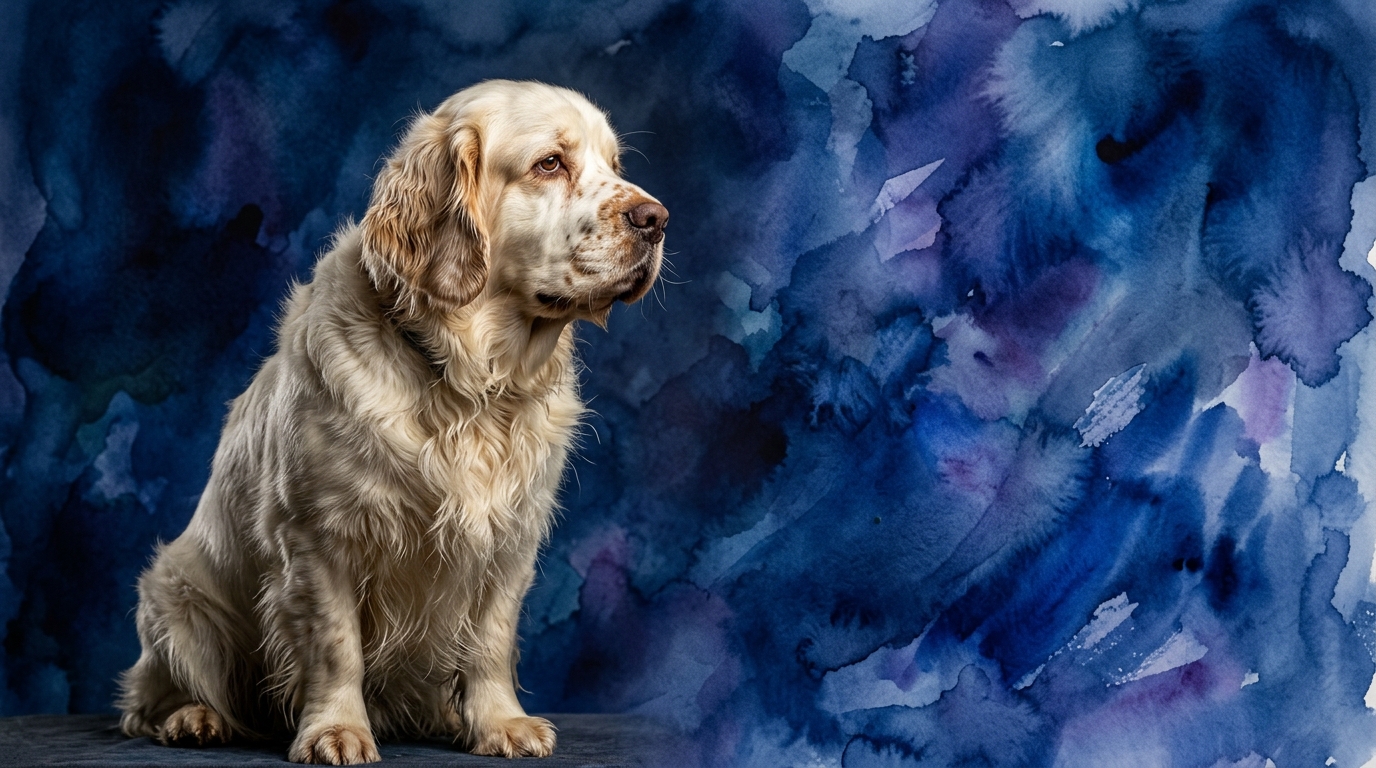
The Clumber Spaniel, a Sporting group dog, holds a Coren rank of #55, a testament to its operational intelligence. Its problem-solving capacity, rated 3/5, often revolves around methodical scent work and flushing game in dense cover, requiring steady focus and a deliberate approach rather than rapid improvisation. Training speed, also 3/5, reflects a willingness to learn but at a thoughtful, consistent pace, valuing repetition and clear cues. Social intelligence, at 3/5, points to their cooperative nature with handlers during hunts, keenly understanding human directions and body language. Their instinctive drive, 3/5, is geared towards scenting and retrieving game, a focused, persistent motivation that underpins their field abilities. Memory, 3/5, allows them to recall commands, complex hunting patterns, and spatial information, crucial for repeatable performance. This breed's intelligence is often characterized by calm focus, persistence, and a strong partnership orientation, making them effective collaborators.
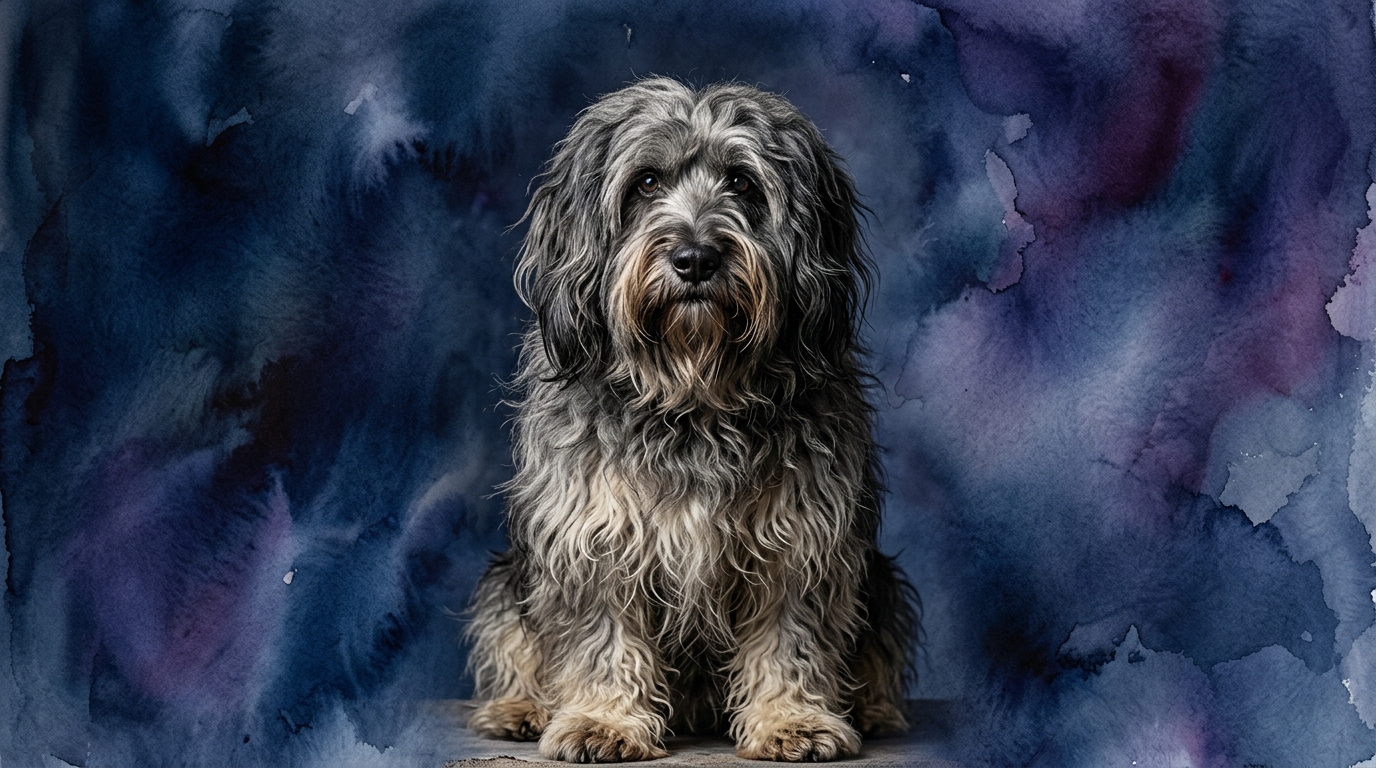
Hailing from the Herding group, the Polish Lowland Sheepdog, while not Coren-ranked, shares identical 3/5 scores across these same five IQ dimensions. Its problem-solving, 3/5, manifests distinctly in independent decision-making when managing flocks, often requiring quick assessments of environmental threats or straying animals without direct human command. Training speed, 3/5, suggests they learn effectively, but their independent streak means they may process commands through their own logical framework, sometimes preferring to figure things out on their own terms. Social intelligence, 3/5, is directed towards understanding flock dynamics and discerning intentions, often leading to a watchful, sometimes reserved, demeanor with strangers, but a strong, protective bond with their chosen family. Their instinctive drive, 3/5, is profoundly rooted in herding and guarding, exhibiting vigilance, territoriality, and protective instincts. Memory, 3/5, is essential for recalling flock members, territory boundaries, and past experiences, contributing to their effective guardianship. This breed's cognitive strengths lie in autonomy, spatial awareness, and a keen observational capacity, making them self-reliant managers.
Where the Clumber Spaniel Wins Cognitively
The Clumber Spaniel's cognitive strengths shine particularly in scenarios demanding focused cooperation and methodical application of learned skills. Its 3/5 problem-solving, combined with a sporting dog's purpose, means it excels at tasks requiring sustained attention to a specific goal, like intricate scent discrimination or following complex retrieve patterns. Unlike the independent problem-solving of a herder, the Clumber's cognitive process is often geared towards collaborating with a human partner to achieve a shared objective. Their 3/5 social intelligence is particularly adept at reading handler cues and responding to subtle body language, making them superb partners in activities like obedience, rally, or even therapy work where a calm, responsive demeanor is paramount. Furthermore, their instinctive drive, centered on scent and retrieval, translates into a dedicated work ethic for nose work or field trials, where their steady pace and persistence become significant assets. The Clumber's cognitive style is one of deliberate engagement and partnership, making them exceptionally good at understanding and executing multi-step instructions within a cooperative framework.
Where the Polish Lowland Sheepdog Wins Cognitively
Conversely, the Polish Lowland Sheepdog demonstrates its cognitive prowess in situations demanding independent judgment and environmental awareness. Its 3/5 problem-solving capability is less about executing a handler's precise commands and more about assessing a situation and making a choice that benefits the 'flock' or family. This could manifest as figuring out how to re-route a straying child or alerting to an unusual sound, often without direct instruction. Their 3/5 instinctive drive, deeply rooted in herding and guarding, fuels a vigilant social intelligence, allowing them to rapidly assess new individuals or situations for potential threats or changes in routine. This translates into a strong capacity for boundary setting and protective behaviors, where their memory of past interactions and perceived territories is crucial. While their training speed is also 3/5, the PLS often processes information through the lens of its utility and necessity for its role as a guardian, making them particularly effective at tasks involving observation, territory management, and quick, independent responses to dynamic environments. Their cognitive strength is in autonomous decision-making and a broad, watchful awareness.
Which is Easier to Train, and Why?
While both breeds share a 3/5 training speed, the *approach* to training and the *ease* of achieving compliance differ significantly due to their underlying behavioral blueprints. The Clumber Spaniel, with its Sporting dog heritage, generally exhibits a stronger desire to please its handler and work in tandem. Its social intelligence, geared towards cooperative hunting, makes it more receptive to direct instruction and positive reinforcement, often showing a deliberate but consistent willingness to learn and repeat behaviors. They thrive on routine and clear expectations, and their memory helps them solidify learned patterns reliably. In contrast, the Polish Lowland Sheepdog's 3/5 training speed is coupled with a deeply ingrained independent streak, born from centuries of making autonomous decisions in the field without constant human oversight. A PLS might understand a command perfectly but choose not to execute it if it perceives a more pressing task or if the command doesn't align with its own assessment of the situation. Training a PLS often requires more patience, creativity, and a deep understanding of their herding instincts, focusing on motivation and convincing them that the desired action is beneficial or logical, rather than simply demanding obedience. Therefore, for an owner seeking a more straightforward and compliant training experience, the Clumber Spaniel is generally easier to train, while the Polish Lowland Sheepdog demands a more nuanced and persistent approach.
Suitability for Active vs. Relaxed Owners
The choice between these two breeds also hinges on an owner's lifestyle, specifically their activity level and desired canine companionship style. The Clumber Spaniel, despite its larger size, is often described as a 'gentleman of leisure' in the Sporting group. While they do require regular exercise to maintain health and mental stimulation, their instinctive drive is for methodical work rather than high-octane bursts of energy. They are generally content with a good daily walk, some scent games, and then settling down with their family. Their cooperative nature and moderate energy make them well-suited for relaxed owners who enjoy consistent, gentle outdoor activities and a calm presence indoors, appreciating a steady, amiable companion. Conversely, the Polish Lowland Sheepdog, with its herding background, possesses a deep-seated need for purpose and mental engagement. Their 3/5 instinctive drive for vigilance and management means they require more than just physical exercise; they need tasks that challenge their problem-solving and social intelligence. Active owners who are keen on dog sports like agility, herding trials, or advanced obedience, or who can provide a stimulating environment with plenty of 'work' to do, will find the PLS a fulfilling companion. A relaxed owner might find the PLS's intelligence and energy, if not properly channeled, can lead to boredom-driven behaviors, making them a better fit for those with a more dynamic and engaging lifestyle.
The Verdict
The Clumber Spaniel is an excellent choice for owners seeking a calm, cooperative companion who enjoys methodical activities, thrives on partnership, and offers a more straightforward training journey within a relaxed home environment.
Opt for the Polish Lowland Sheepdog if you are an active, experienced owner who appreciates an independent thinker, can provide ample mental stimulation and purpose, and is prepared for a training relationship built on mutual respect and creative motivation.
🧠 Find Your Pet's IQ Score
Our Pet IQ Lab assessment covers 25+ tests across 5 cognitive dimensions — personalized to your breed.
Take the Full IQ Test →Frequently Asked Questions
Do Clumber Spaniels bark a lot?
Clumber Spaniels are generally not excessive barkers; their reserved nature and focus on scent work mean they typically only bark to alert or express specific needs, making them relatively quiet companions indoors.
Are Polish Lowland Sheepdogs good with children?
Polish Lowland Sheepdogs can be good with children, especially those raised with them, but their strong herding instincts mean they might try to 'herd' children, requiring supervision and early training to guide this behavior positively.
How much grooming does a Polish Lowland Sheepdog need?
The Polish Lowland Sheepdog requires significant grooming due to its dense double coat; daily brushing is often necessary to prevent mats, and professional grooming every few months can help manage their coat effectively.