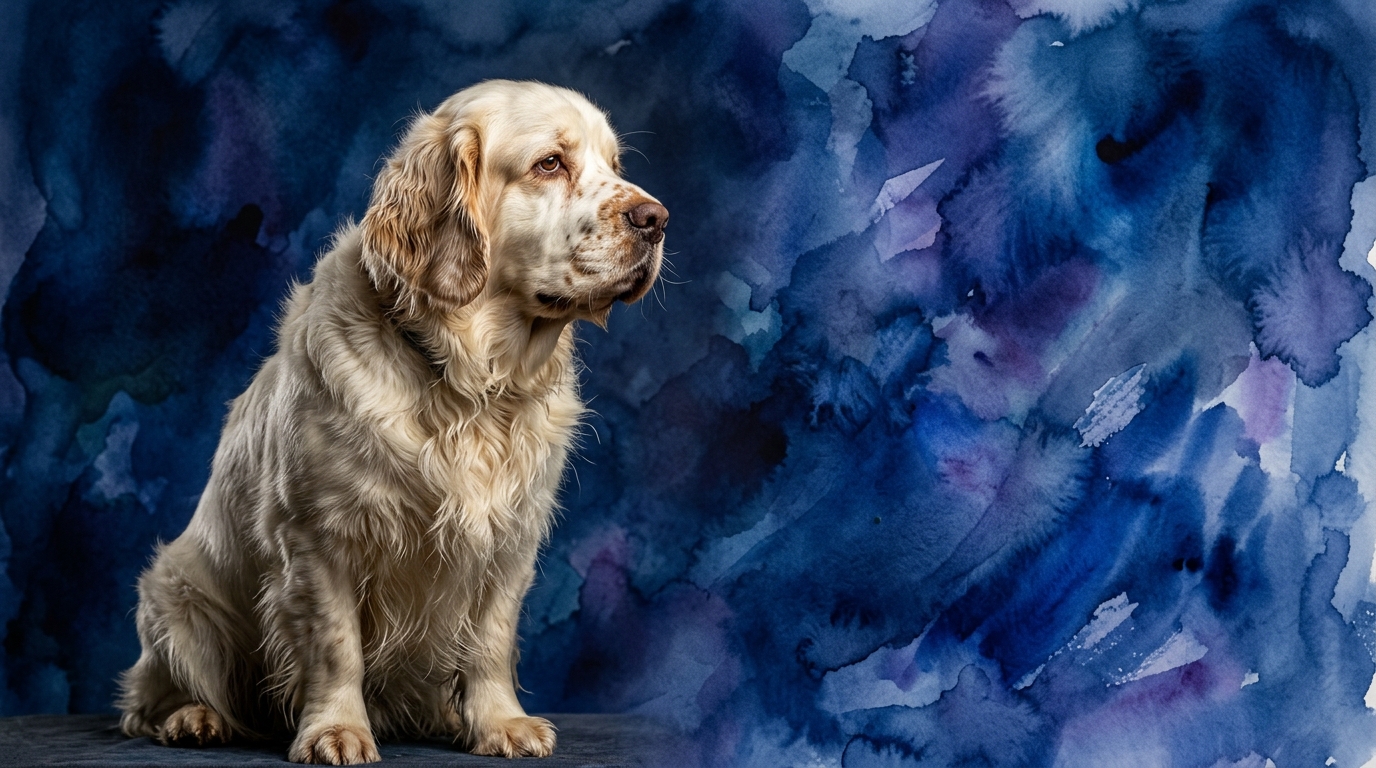
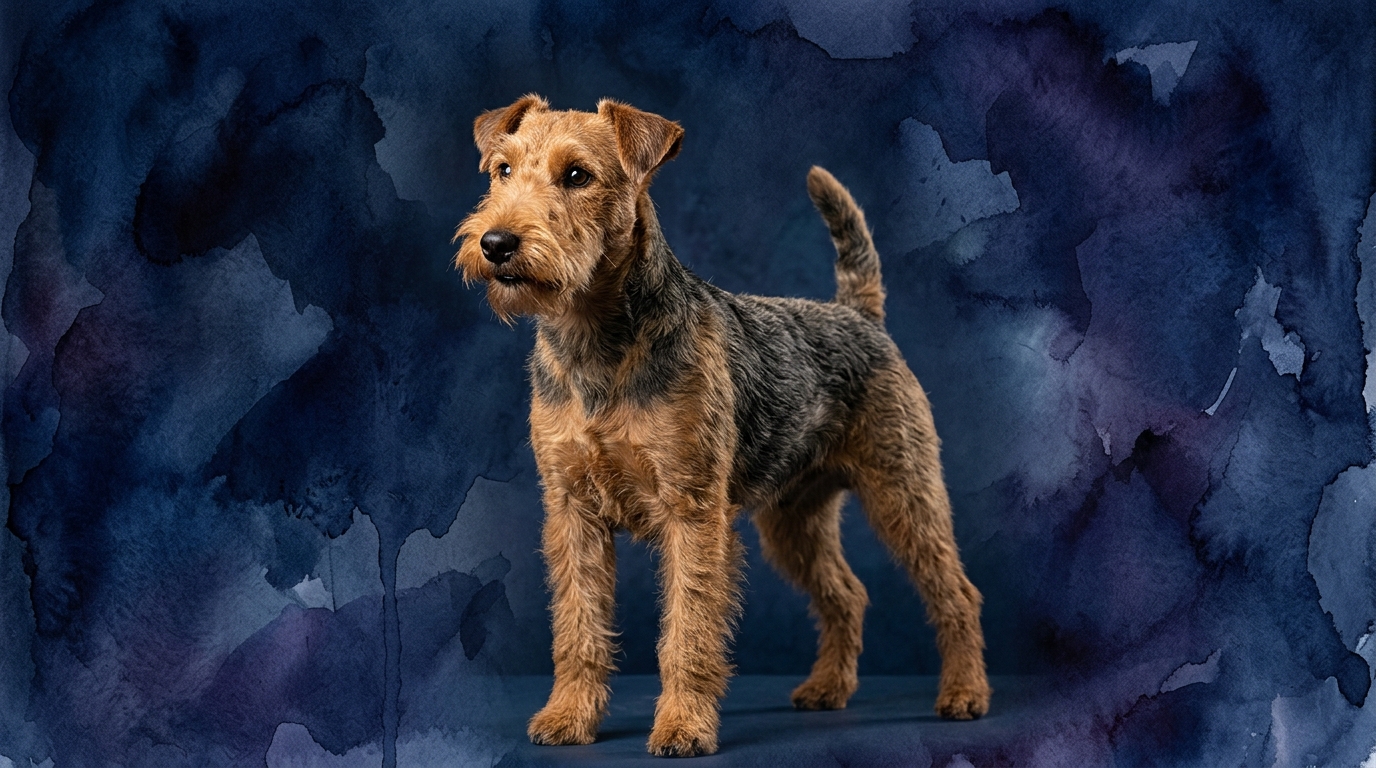
Side-by-Side Cognitive Profile: Clumber Spaniel vs. Welsh Terrier
At first glance, The Cosmic Pet Pet IQ Lab scores for both the Clumber Spaniel and the Welsh Terrier appear identical, with each breed earning a 3/5 across all five cognitive dimensions: Problem Solving, Training Speed, Social Intelligence, Instinctive Drive, and Memory. However, these identical scores don't tell the whole story; the *nature* of these cognitive traits varies significantly between these two distinct breeds, influenced by their historical purposes.
The Clumber Spaniel, a member of the Sporting Group and Coren-ranked #55, approaches Problem Solving (3/5) with a methodical, deliberate strategy, often excelling in scent-driven tasks requiring sustained focus. Their Training Speed (3/5) is steady, benefiting from consistent, positive reinforcement, as they possess an agreeable nature with an independent streak. Social Intelligence (3/5) manifests as a gentle responsiveness to human cues and a desire for harmony within the family. Their Instinctive Drive (3/5) is purposeful, geared towards cooperative hunting and retrieving, while their Memory (3/5) is reliable for routines and positive associations.
Conversely, the Welsh Terrier, a spirited member of the Terrier Group (not Coren-ranked), tackles Problem Solving (3/5) with tenacity and resourceful, often inventive, solutions, particularly when motivated by prey drive or exploration. Their Training Speed (3/5) is also moderate, but can be influenced by their independent spirit, requiring engaging methods and firm consistency. Social Intelligence (3/5) is expressed through an outgoing, sometimes assertive, playful demeanor, with a keen awareness of boundaries. Their Instinctive Drive (3/5) is persistent and energetic, focused on chasing and digging, reflecting their vermin-hunting heritage. Finally, their Memory (3/5) is sharp for exciting experiences and successful past strategies, whether positive or negative.
Where the Clumber Spaniel Excels Cognitively
The Clumber Spaniel demonstrates a particular cognitive advantage in scenarios demanding patient, sustained focus and cooperative effort. Their Sporting dog lineage means they naturally gravitate towards working in partnership with humans, especially in tasks with a clear, shared objective. While their Problem Solving is rated 3/5, it’s a calm, systematic approach, making them effective in complex scent work or tracking where precision and methodical persistence are valued over impulsive action. For instance, a Clumber might meticulously follow a faint scent trail through dense undergrowth, relying on their steady concentration and olfactory memory, rather than attempting a quick, disruptive shortcut.
Furthermore, their Social Intelligence, also rated 3/5, is often expressed through a deep responsiveness to their handler’s emotional state and a desire to maintain a peaceful environment. This translates to a dog that is generally more inclined to defer to human guidance and less likely to challenge authority in social learning contexts, fostering a more harmonious training dynamic. Their Memory, rated 3/5, is robust for established routines and positive associations with their family, contributing to their dependability once behaviors are clearly understood and consistently reinforced.
Where the Welsh Terrier Shows Cognitive Strengths
The Welsh Terrier’s cognitive strengths shine in their tenacious independence and inventive problem-solving, even with a 3/5 rating across the board. Their Terrier Group background instills a powerful drive to conquer challenges on their own terms, often employing clever workarounds or sheer persistence. While a Clumber might methodically search, a Welsh Terrier might more readily attempt to dig *under* a barrier or cleverly manipulate an object to achieve a goal, showcasing a different kind of ingenuity. Their problem-solving is characterized by a "never give up" attitude, making them adept at tasks requiring manipulation, exploration, or overcoming physical obstacles with self-reliance.
Their Social Intelligence, also 3/5, is often displayed through an engaging, sometimes mischievous, interaction style. They are quick to assess situations and understand boundaries, often testing them with playful defiance. This adaptability in social dynamics, combined with a quick processing of environmental cues, allows them to navigate new situations with confidence, even if it means asserting their own will. Their Memory, rated 3/5, is particularly sharp for experiences that are exciting, novel, or provide a strong sense of accomplishment, whether it's successfully solving a puzzle toy or recalling a hidden cache of treats. This makes them quick to remember strategies that have yielded positive results.
Trainability: Clumber Spaniel vs. Welsh Terrier
When it comes to trainability, both breeds are rated 3/5 for Training Speed, yet their inherent behavioral differences create distinct training experiences. The Clumber Spaniel, with its Sporting dog heritage, typically presents as more straightforward for obedience training and cooperative tasks. Their innate desire to work alongside humans and their generally placid temperament mean they are often more receptive to direction. While they possess an independent streak, it's usually expressed as a methodical approach rather than outright defiance. They thrive on positive reinforcement and consistent, calm instruction, finding satisfaction in pleasing their handler. Their training journey benefits from patient repetition to solidify commands, resulting in generally reliable and consistent behaviors, thanks to their steady memory and cooperative social intelligence.
The Welsh Terrier, conversely, can be more challenging for conventional obedience training due to their strong terrier instincts and independent nature. While equally capable of learning (3/5 training speed), their intense drive to pursue their own interests, such as digging, chasing, or exploring, can often override a desire to comply with human commands. They require more engaging, varied, and often shorter training sessions to maintain their focus, and a firm, consistent hand to establish clear boundaries. Their problem-solving often extends to figuring out how to get their own way, which can manifest as stubbornness if not managed effectively. Training a Welsh Terrier often involves creatively channeling their considerable energy and resourcefulness into constructive activities, rather than simply attempting to suppress their natural drives. For owners who appreciate a dog with distinct opinions and enjoy a challenge, the Welsh Terrier can be a rewarding, though more demanding, training partner.
Suitability for Active vs. Relaxed Owners
The Clumber Spaniel generally suits more relaxed owners, though they still require consistent, moderate exercise to maintain their physical and mental well-being. Their deliberate pace and love for comfort mean they are content with daily walks, leisurely scent games in the yard, and ample time spent lounging with their family. While they possess the stamina for longer outings, they are not typically high-energy dogs that demand constant, vigorous activity. Their calm demeanor and lower inclination for independent, potentially destructive, exploration make them excellent companions for those who prefer a more tranquil home life. Owners who appreciate a dog that is present and affectionate without being constantly "on the go" will find the Clumber Spaniel a fitting match. Their moderate Instinctive Drive (3/5) is focused and manageable, often satisfied by engaging in scent work or retrieving games on a schedule set by the owner.
The Welsh Terrier, despite sharing similar IQ scores, is better suited for active owners who can provide consistent mental and physical stimulation. Their terrier energy and strong Instinctive Drives (3/5, expressed as keen prey drive and a desire to dig) mean they thrive on purposeful activity. Daily vigorous exercise, such as brisk walks, runs, or engaging play sessions, is essential to prevent boredom and potential destructive behaviors. They also benefit significantly from activities that challenge their problem-solving abilities and provide an outlet for their hunting instincts, such as agility, earthdog trials, or complex puzzle toys. Owners who enjoy outdoor adventures, structured training, and a dog with a lively, spirited personality will find a compatible partner in the Welsh Terrier. A relaxed owner who cannot meet their needs for engagement might find a Welsh Terrier's independent and persistent nature overwhelming.
The Verdict
Opt for the Clumber Spaniel if you seek a calm, cooperative companion who thrives on methodical tasks and a harmonious home environment. They are ideal for owners who appreciate a steady, gentle presence and are prepared for patient, consistent training.
Select the Welsh Terrier if you are an active owner desiring a spirited, independent companion who thrives on mental challenges and vigorous physical activity. They suit those who enjoy a dog with character and are ready to channel their terrier tenacity.
🧠 Find Your Pet's IQ Score
Our Pet IQ Lab assessment covers 25+ tests across 5 cognitive dimensions — personalized to your breed.
Take the Full IQ Test →Frequently Asked Questions
Do Clumber Spaniels get along with other pets?
Clumber Spaniels generally exhibit good social intelligence (3/5) and can cohabitate peacefully with other pets, especially if introduced thoughtfully. Their calm and gentle nature often contributes to smooth multi-pet households, though early socialization is always beneficial for optimal integration.
Are Welsh Terriers good for first-time dog owners?
While capable of learning (3/5 across the board), Welsh Terriers can be challenging for first-time owners due to their strong will and independent terrier instincts. They require consistent training, firm boundaries, and ample mental and physical stimulation to thrive, making them better suited for experienced handlers.
How much mental exercise do these breeds need?
Both breeds benefit from mental exercise, but in different ways. Clumber Spaniels enjoy scent games and cooperative tasks that engage their methodical problem-solving and focus. Welsh Terriers need activities that challenge their resourcefulness and satisfy their prey drive, like puzzle toys, agility, or structured digging.