
A Side-by-Side Cognitive Profile
The Cocker Spaniel, a member of the Sporting group with a Coren rank of #20, presents a compelling cognitive blueprint. Their Problem Solving score of 3/5 suggests a moderate capacity for independent thought and navigating novel situations without constant human intervention. Training Speed, rated at 4/5, highlights their exceptional responsiveness to instruction and a remarkable eagerness to learn new commands and routines quickly. A standout feature is their Social Intelligence, at a perfect 5/5, reflecting an extraordinary ability to read human cues, adapt to social environments, and form deep, intuitive connections. Their Instinctive Drive, 4/5, speaks to their strong retrieving and flushing behaviors, typical of a gundog bred for active partnership. Finally, a Memory score of 4/5 indicates they retain learned behaviors and past experiences effectively, building on prior knowledge.
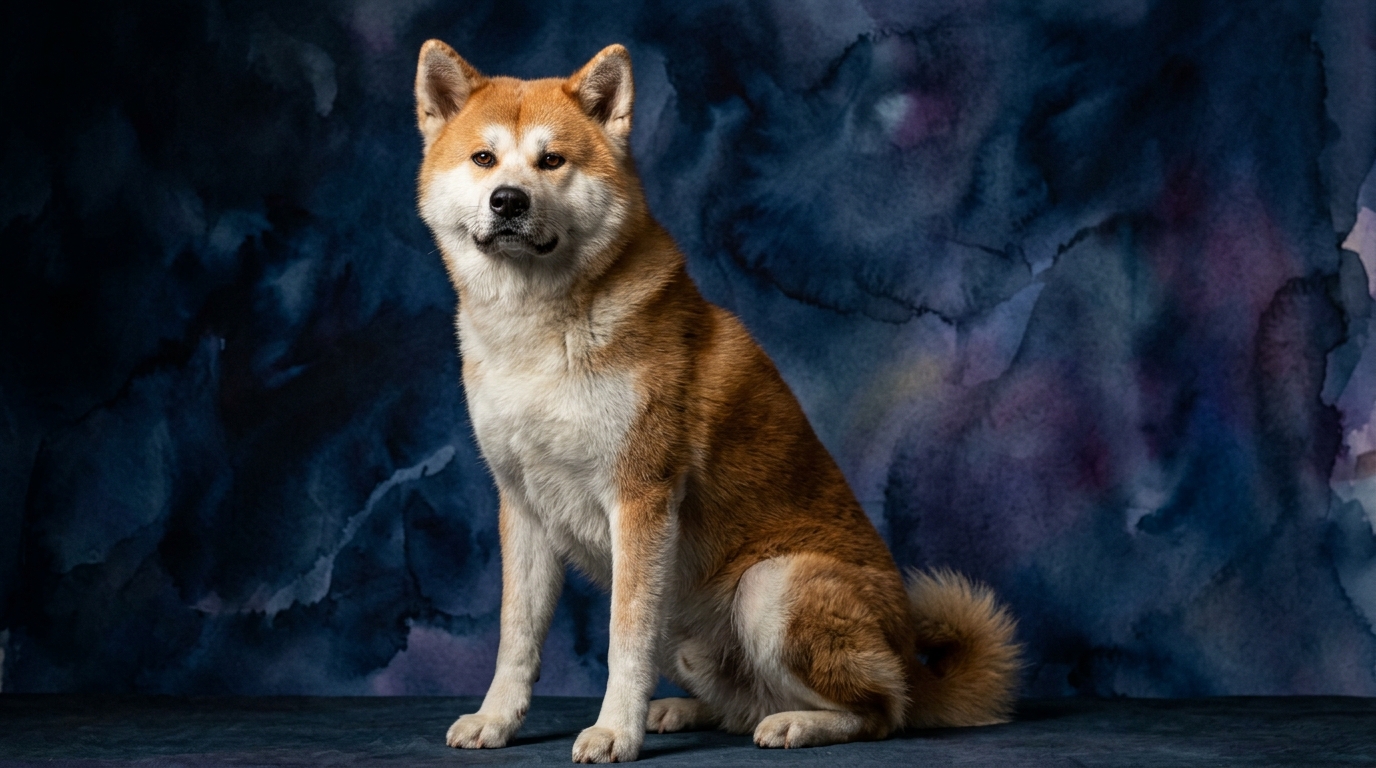
In contrast, the Akita, from the Working group and ranked #54 by Coren, offers a different cognitive tapestry. Their Problem Solving capability, also 3/5, mirrors the Cocker Spaniel, indicating a similar aptitude for figuring out challenges, though often with a more independent approach. Training Speed is notably lower at 2/5, signifying a more deliberate and often self-willed attitude towards learning, which can require significant patience and consistent methods from their handler. Social Intelligence for the Akita stands at 3/5, reflecting a more reserved and discerning nature; while profoundly loyal to their core family, they are less inclined to broad social engagement or reading subtle cues from strangers. Their Instinctive Drive is paramount, scoring 5/5, encompassing powerful guarding, hunting, and protective behaviors that are deeply ingrained. Like the Cocker Spaniel, their Memory is strong at 4/5, ensuring that once an Akita learns something, it is typically retained for the long term.
Where the Cocker Spaniel Excels Cognitively
The Cocker Spaniel’s primary cognitive advantage lies in its exceptional Social Intelligence (5/5) and superior Training Speed (4/5). Their history as gundogs, working in close partnership with humans, has refined their ability to interpret subtle human gestures, vocal inflections, and emotional states, making them incredibly intuitive companions. This deep social attunement translates directly into their faster training uptake; they are inherently motivated to cooperate and please, quickly grasping new commands and routines because they are highly responsive to human direction and positive reinforcement. Their higher Coren rank of #20 further underscores their general aptitude for obedience and adaptive learning within a human-centric structure, thriving on interaction and collaborative tasks.
Where the Akita Demonstrates Unique Cognitive Strengths
The Akita’s cognitive strengths are rooted in its profound Instinctive Drive (5/5) and robust Memory (4/5), combined with a Problem Solving score of 3/5. Bred for guarding, hunting large game, and protection, their instincts are intensely focused and unwavering. This manifests as a remarkable ability to assess situations independently and act decisively, often without direct human command, relying on their strong internal compass for guidance. While their training speed is lower, their powerful memory ensures that once a behavior or boundary is learned, it is deeply ingrained, making them reliable in their established roles. Their problem-solving skills, though numerically equal to the Cocker Spaniel, are often applied in a more independent, self-reliant manner, geared towards their protective and observational duties rather than collaborative tasks.
Trainability: A Tale of Two Temperaments
Training a Cocker Spaniel is generally a more straightforward and rewarding experience for most owners due to their high Training Speed (4/5) and unparalleled Social Intelligence (5/5). They are naturally eager to please, thrive on positive reinforcement, and quickly form associations between commands and actions. Their inherent desire for human companionship makes them highly motivated to comply, reducing the effort and time required to teach new behaviors. They adapt readily to various training methods and genuinely enjoy the collaborative aspect of learning, often perceiving training as a fun, bonding activity.
The Akita, with its lower Training Speed (2/5) and more reserved Social Intelligence (3/5), presents a different training challenge. Their independence and strong instinctive drives mean they are not inherently motivated to 'please' in the same way a Cocker Spaniel might be; instead, they often seek to understand the purpose behind a command. Training an Akita requires immense patience, consistency, and a deep understanding of their self-sufficient nature. They learn, but often on their own terms, and may require more repetitions or different motivational strategies that appeal to their inherent drives rather than pure compliance. This isn't a deficit in their capacity to learn, but rather a difference in their willingness to comply without a clear purpose that aligns with their strong internal motivations. Early and consistent socialization is paramount to channel their powerful instincts constructively.
Matching Breed to Lifestyle: Active vs. Relaxed Owners
For owners seeking a highly interactive, socially engaged, and adaptable companion, the Cocker Spaniel is an excellent match. Their moderate instinctive drive (4/5) for retrieving, coupled with their high social intelligence, means they thrive in environments where they are part of family activities, enjoy regular walks, and engage in games like fetch. They are generally suitable for owners who enjoy consistent, positive training and want a dog that readily integrates into various social settings, often forming strong bonds with multiple family members. Their need for mental stimulation can be met through engaging play and continued learning, making them a fit for active family life.
The Akita, with its profound instinctive drive (5/5) and more independent nature, is best suited for experienced owners who appreciate a dog with a strong presence and a distinct sense of purpose. They require significant mental and physical engagement that respects their working heritage, such as structured walks, secure outdoor spaces, and activities that tap into their guarding or observational instincts. Akitas are not for the casual owner; they need consistent leadership, clear boundaries, and an owner who understands their reserved social nature and deep loyalty to their primary family. Their independent problem-solving (3/5) means they appreciate tasks that allow for some autonomy and thrive with a handler who respects their self-reliant character.
The Verdict
Choose a Cocker Spaniel if you desire a highly responsive, socially intuitive, and eager-to-please companion that excels in collaborative learning and seamlessly integrates into an active family life.
Opt for an Akita if you are an experienced owner seeking a loyal, independent, and protective companion with strong instincts, prepared to invest in consistent, patient training tailored to their self-reliant nature.
🧠 Find Your Pet's IQ Score
Our Pet IQ Lab assessment covers 25+ tests across 5 cognitive dimensions — personalized to your breed.
Take the Full IQ Test →Frequently Asked Questions
Are Cocker Spaniels better at learning tricks than Akitas?
Yes, Cocker Spaniels generally pick up tricks faster due to their higher training speed and strong desire to cooperate with their human companions. Their exceptional social intelligence makes them very attuned to human cues during training sessions, enhancing their responsiveness to novel commands.
Do Akitas remember commands well despite slower training?
Absolutely, Akitas possess excellent memory (4/5), meaning that once a command or boundary is thoroughly learned and established through consistent effort, they tend to retain it effectively. The challenge lies more in their initial training speed and willingness to comply than in their long-term retention capabilities.
Which breed is more likely to thrive in a multi-pet household?
The Cocker Spaniel, with its higher social intelligence and more adaptable temperament, is generally more likely to thrive in a multi-pet household, often enjoying the company of other animals. Akitas, due to their strong instinctive drives and tendency towards independence, typically require careful introductions and consistent supervision with other animals to ensure harmony.