Side-by-Side IQ Profile: A Detailed Look
The Cosmic Pet Pet IQ Lab employs a multi-dimensional approach to assess canine intelligence, recognizing that a dog's cognitive strengths are shaped by its breed's historical purpose. For the Cocker Spaniel and Bichon Frisé, these dimensions paint a clear picture of their inherited mental aptitudes.
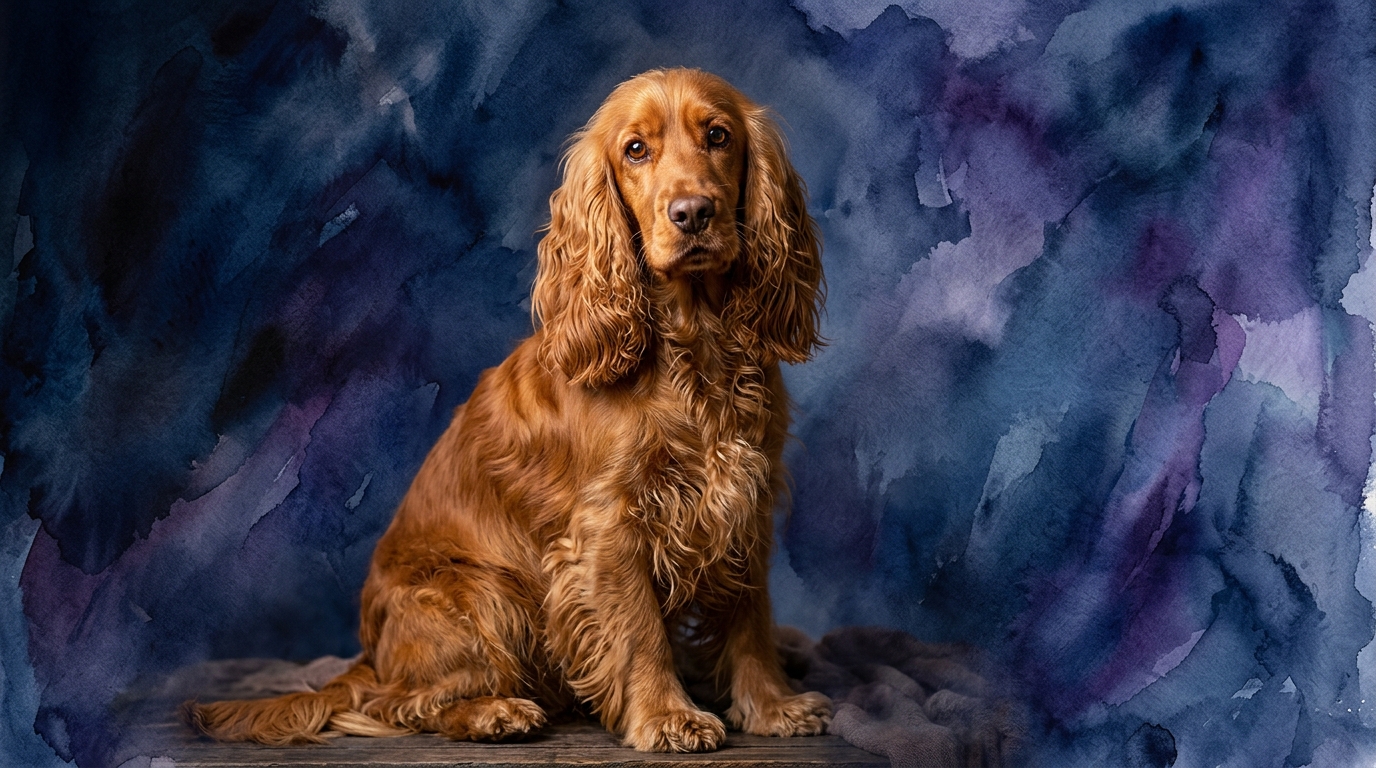
The **Cocker Spaniel**, a Sporting Group member with a Coren rank of #20, showcases a robust cognitive toolkit tailored for partnership and outdoor work. Their Problem Solving is rated 3/5, indicating an ability to navigate moderately complex challenges, often learning through direct experience and observation. A Training Speed of 4/5 highlights their readiness to absorb new commands and routines efficiently, reflecting their biddable nature. Their Social Intelligence is a perfect 5/5, demonstrating an exceptional attunement to human emotional states and social cues, fostering deep, intuitive bonds. An Instinctive Drive of 4/5 signifies a strong inherent desire for retrieving, scent work, and cooperative tasks, stemming from their hunting heritage. Finally, a Memory score of 4/5 ensures they retain learned behaviors, routes, and past interactions with impressive recall.
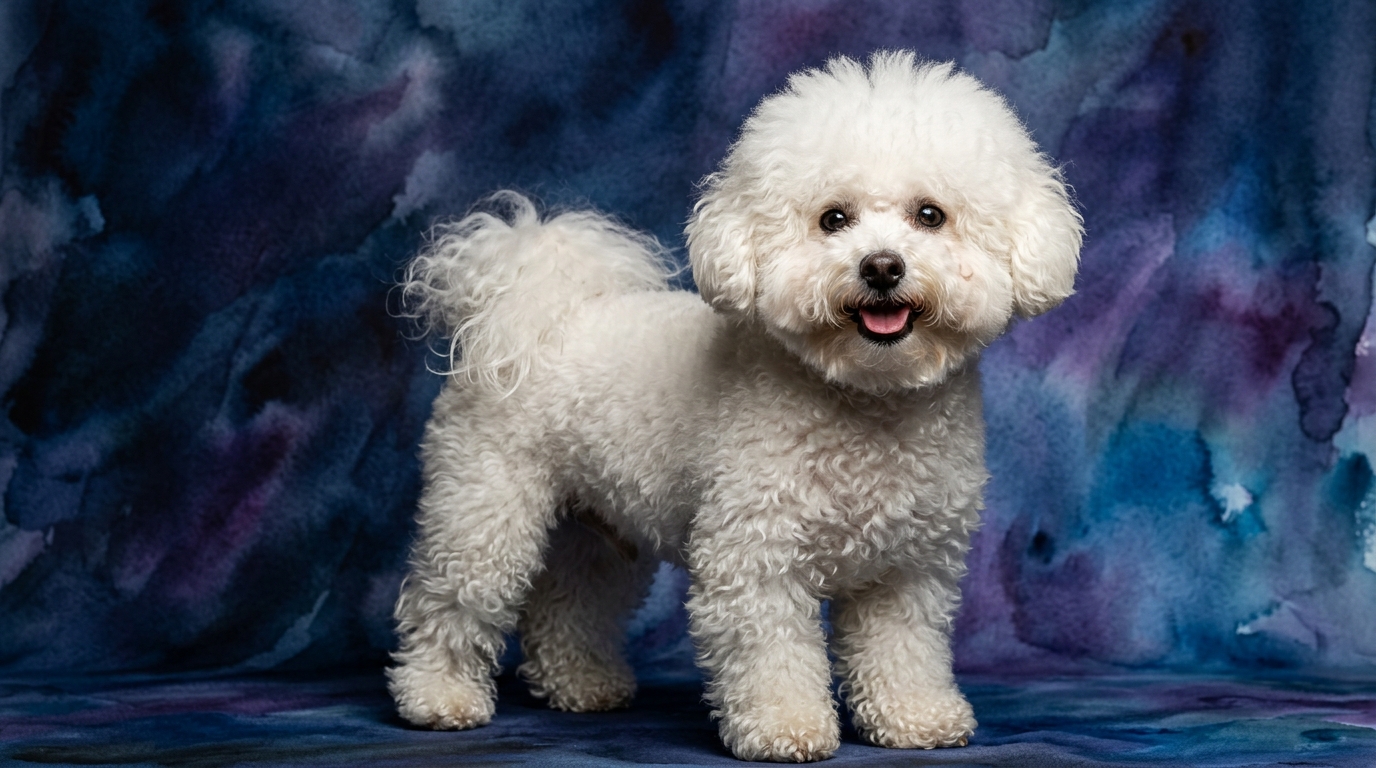
In contrast, the **Bichon Frisé**, a Non-Sporting breed ranked #45 by Coren, presents a cognitive profile optimized for companionship and domestic life. Their Problem Solving, also 3/5, suggests they can handle common household puzzles and routines but may not independently seek out intricate solutions, thriving on clear structure. A Training Speed of 3/5 means they learn at a steady pace, generally cooperative but potentially requiring more repetition or creative engagement than faster learners. Like the Cocker, their Social Intelligence is a perfect 5/5, making them highly empathetic and people-oriented, excelling in understanding and responding to human moods. Crucially, their Instinctive Drive is 2/5, indicating a low natural inclination for traditional 'work' tasks; their primary motivation is companionship. A Memory score of 3/5 allows them to recall routines and familiar commands effectively, though perhaps with less precision for less frequent or intricate details.
Where the Cocker Spaniel Excels Cognitively
The Cocker Spaniel's cognitive architecture truly shines in areas requiring cooperative effort, persistence, and a strong recall for sequences. Their superior Training Speed (4/5 versus the Bichon's 3/5) means they typically grasp new commands and complex routines more quickly, making them highly responsive to structured learning environments. This isn't just about speed; it's about an inherent eagerness to engage in training as a shared activity, a direct legacy of their role as gun dogs working closely with handlers.
Furthermore, their elevated Instinctive Drive (4/5 compared to the Bichon's 2/5) provides a powerful internal motivation for tasks like retrieving, scent discrimination, and navigating varied terrains. This drive translates into a natural aptitude for activities such as agility, obedience trials, or even advanced scent work, where they can apply their problem-solving skills (3/5) within a goal-oriented framework. Their robust Memory (4/5 vs. 3/5) further enhances these capabilities, allowing them to recall intricate sequences of commands, specific scent profiles, or the locations of hidden items with greater accuracy over time, making them adept at tasks requiring sustained mental engagement and precise execution.
Where the Bichon Frisé Excels Cognitively
While the Bichon Frisé's raw scores might not surpass the Cocker's in every category, their cognitive strengths are uniquely tailored to their purpose: unparalleled companionship. Their perfect 5/5 Social Intelligence, combined with a low Instinctive Drive (2/5), means their cognitive energy is almost entirely dedicated to understanding and interacting with their human family. This focus allows them to excel in nuanced social communication, often anticipating emotions or desires without explicit cues, making them exceptional emotional support animals.
Their Problem Solving (3/5) might not be applied to complex field tasks, but it is highly effective in navigating the social dynamics of a home. A Bichon might 'solve' the problem of gaining attention by performing charming antics or subtly nudging a hand, demonstrating a sophisticated understanding of cause-and-effect within a social context. Their memory (3/5) is perfectly sufficient for recalling household routines, preferred interaction patterns, and the specific ways to elicit affection, proving that intelligence is often best measured by its fitness for purpose rather than sheer processing power in all domains.
Training Dynamics: Cocker Spaniel vs. Bichon Frisé
When considering ease of training, the Cocker Spaniel generally presents a more straightforward experience for structured tasks. Their Training Speed of 4/5, coupled with a strong instinctive drive to work alongside humans, means they are often quick to pick up new commands and enjoy the process of learning. They thrive on clear direction and consistent routines, viewing training as a fulfilling partnership. Their memory (4/5) ensures commands stick, reducing the need for constant re-teaching. A Cocker will often perform a learned behavior with enthusiasm, motivated by praise and the opportunity to engage.
The Bichon Frisé, with a Training Speed of 3/5 and a lower instinctive drive, requires a different approach. While certainly trainable, they might need more patience, positive reinforcement, and a greater emphasis on making training feel like a fun game or social interaction rather than a rigid task. Their motivation is primarily social reward and interaction; they learn best when training strengthens their bond with their owner. They may not be as driven to perform complex, repetitive tasks for their own sake, but they will happily engage if it means more attention and affection. Owners might find that a Bichon's problem-solving (3/5) is more readily applied to figuring out how to get a treat or a cuddle, rather than executing a perfect 'stay' for an extended period, highlighting their focus on social outcomes.
Matching Canine Minds to Owner Lifestyles
The distinct cognitive profiles of the Cocker Spaniel and Bichon Frisé make them suitable for very different owner lifestyles. For **active owners** seeking a partner for adventures and structured activities, the Cocker Spaniel is an excellent match. Their high instinctive drive (4/5) means they genuinely enjoy physical and mental engagement, whether it's long hikes, retrieving games, scent work, or agility training. They possess the memory (4/5) and training speed (4/5) to excel in these pursuits, thriving on having a 'job' and the consistent mental stimulation that comes from learning and executing complex tasks. A Cocker needs an owner who can commit to fulfilling these innate working desires.
Conversely, for **relaxed owners** who prioritize close companionship and indoor comfort, the Bichon Frisé aligns beautifully. Their low instinctive drive (2/5) means they are content with moderate exercise, often satisfied with walks around the neighborhood and indoor play. Their exceptional social intelligence (5/5) means their primary need is consistent human interaction and affection. They are perfectly happy to be a lap dog, a constant shadow, or an enthusiastic participant in family life without demanding extensive physical or mental 'work' outlets. An owner who values a devoted, socially attuned companion whose world revolves around them will find the Bichon Frisé an ideal fit.
The Verdict: When to Choose Each Companion
Choosing between a Cocker Spaniel and a Bichon Frisé ultimately depends on your lifestyle and what you seek in a canine companion's cognitive strengths and emotional needs. Both offer immense social intelligence, but their application of other cognitive abilities diverges significantly.
If your life involves regular outdoor activities, a desire for a biddable training partner, and an appreciation for a dog with a strong working heritage and eager-to-please nature, the Cocker Spaniel's robust cognitive profile for tasks and teamwork makes them an excellent choice. Their drive and memory will flourish with consistent engagement and purpose.
However, if your priority is a devoted, highly adaptable companion whose primary 'job' is to offer unwavering affection and social interaction, thriving in a more relaxed, people-centric environment, the Bichon Frisé's focused social intelligence and lower demands for strenuous activity make them an ideal family member. They will enrich your home with their cheerful presence and intuitive understanding.
The Verdict
Choose a Cocker Spaniel if you seek an engaged partner for outdoor activities and enjoy consistent, structured training that leverages their biddable nature and strong instinctive drives.
Opt for a Bichon Frisé if you desire a devoted, socially astute companion whose primary focus is human interaction and comfort, thriving in a relaxed, people-centric home environment.
🧠 Find Your Pet's IQ Score
Our Pet IQ Lab assessment covers 25+ tests across 5 cognitive dimensions — personalized to your breed.
Take the Full IQ Test →Frequently Asked Questions
Are Cocker Spaniels good for first-time dog owners?
Cocker Spaniels can be suitable for first-time owners who are prepared for their exercise needs and are committed to consistent training. Their high training speed and biddable nature make them responsive learners, but their instinctive drive requires regular mental and physical engagement to prevent boredom.
Do Bichon Frisés need a lot of exercise?
Bichon Frisés have a lower instinctive drive, meaning they do not require extensive exercise. Daily walks and indoor play are typically sufficient to keep them content. Their primary need is human companionship, so their cognitive and emotional well-being thrives on interaction rather than strenuous activity.
How do their social intelligence scores manifest differently?
Both breeds score 5/5 in social intelligence, but it manifests uniquely due to their other traits. A Cocker Spaniel's social intelligence often complements their working drive, making them highly attuned to a handler's cues during tasks. A Bichon Frisé's social intelligence, with its lower instinctive drive, is almost entirely directed towards companionship, making them exceptionally empathetic and focused on human emotional states and interactions.