
Side-by-Side Cognitive Profiles: A Deeper Look
The Cosmic Pet Pet IQ Lab employs five key dimensions to map a breed's cognitive landscape. For the Cocker Spaniel, a Sporting Group member and Coren-ranked at #20, its profile reflects its history as a cooperative gundog. Its Problem Solving is rated 3/5, indicating an average capacity to navigate novel situations or puzzles. Training Speed shines at 4/5, suggesting a quick grasp of new commands and routines. Social Intelligence is exceptional at 5/5, highlighting a profound ability to understand and respond to human cues and social dynamics. Instinctive Drive, specifically for its retrieving heritage, scores 4/5, showcasing a strong inclination for its bred purpose. Memory is solid at 4/5, meaning it retains learned information and experiences effectively.
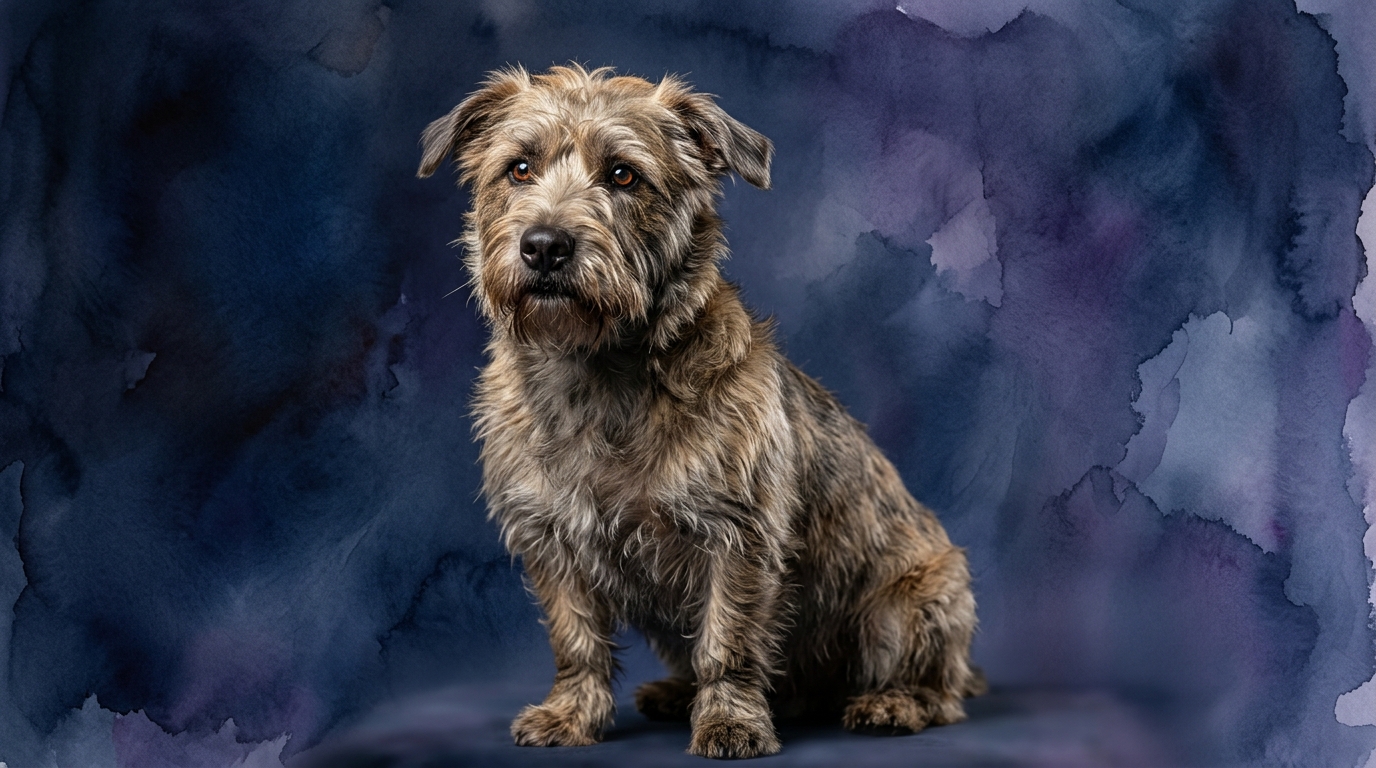
The Glen of Imaal Terrier, a tenacious member of the Terrier Group without a specific Coren rank, presents a profile shaped by its independent, vermin-hunting background. Its Problem Solving matches the Cocker Spaniel at 3/5, indicating a similar level of ingenuity, though often applied to different types of challenges. Training Speed is rated 3/5, suggesting a moderate pace for learning new behaviors, often requiring more repetition and creative motivation. Social Intelligence stands at 3/5, reflecting a more independent nature that, while affectionate with its family, might be less overtly attuned to subtle human social signals than a spaniel. Instinctive Drive is 3/5, pointing to a moderate but persistent drive for its terrier tasks, such as digging or chasing. Memory also scores 3/5, suggesting a competent but not outstanding recall of past events or training cues.
Where the Cocker Spaniel Cognitively Excels
The Cocker Spaniel's distinct advantages lie predominantly in its social and cooperative faculties. Its perfect 5/5 Social Intelligence score means it's exceptionally skilled at reading human body language, vocal tones, and intentions. This translates into a dog that often anticipates its owner's desires, seeks interaction, and thrives on shared activities. They possess an innate desire to please, making them highly responsive to praise and connection, which is a significant cognitive asset in a domestic setting. This deep social awareness fosters a strong bond and makes them intuitive companions.
Furthermore, the Cocker's 4/5 Training Speed is directly linked to this social intelligence and its historic role as a gundog working closely with handlers. They process new commands and associate actions with rewards rapidly, making basic obedience and more complex tricks relatively straightforward to teach. Their 4/5 Memory supports this, ensuring that once a lesson is learned, it tends to stick. This combination makes them highly adaptable to various training disciplines, from agility to therapy work, where understanding and retaining instructions is paramount. Their strong instinctive drive for retrieving (4/5) also means they are naturally motivated by games of fetch and engaging in scent work, channeling their energy into productive, handler-directed tasks.
Where the Glen of Imaal Terrier Cognitively Shines
While the Glen of Imaal Terrier's scores might appear lower in some cooperative dimensions, its cognitive strengths are rooted in its terrier heritage: independence, persistence, and practical problem-solving. Its 3/5 Problem Solving, though numerically equal to the Cocker, often manifests differently. Glens are adept at figuring out how to achieve a goal independently, such as finding a way around an obstacle to reach a perceived 'prey' or digging under a fence. This isn't about pleasing a human, but about satisfying its own drive, which requires a different type of cognitive resourcefulness.
The Glen's instinctive drive (3/5), while not as high as the Cocker's for retrieving, is tenacious and purposeful within its own sphere. This drive fuels its determination to complete tasks, even when faced with challenges. A Glen might not be quick to learn a 'sit-stay' in the same cooperative spirit, but it will persistently work at a puzzle toy until it extracts the treat, or methodically investigate a scent trail. Its relatively lower Social Intelligence (3/5) means it's less reliant on human direction to initiate action, often thinking for itself rather than waiting for a cue, which can be a valuable trait for specific working roles or for owners who appreciate a dog with strong self-motivation.
Training Dynamics: Cooperation vs. Conviction
When it comes to training, the differences between these two breeds become particularly apparent. The Cocker Spaniel, with its 5/5 Social Intelligence and 4/5 Training Speed, is generally a more straightforward pupil. They inherently seek to understand and please their human counterparts, making them highly responsive to positive reinforcement, praise, and a desire for connection. A Cocker will often pick up new commands with fewer repetitions because they are actively engaged in the communication loop, motivated by the social reward of pleasing their owner. Their strong memory (4/5) ensures that once a behavior is learned, it is reliably recalled, making them excellent candidates for advanced obedience, rally, or even service work.
The Glen of Imaal Terrier, conversely, presents a different training challenge. With a 3/5 Training Speed and 3/5 Social Intelligence, they require a more patient, consistent, and creative approach. Glens are not inherently driven to 'please' in the same way a spaniel is; they are more motivated by what benefits them or satisfies their inherent drives. Trainers often describe them as having a 'what's in it for me?' attitude. This means owners must find high-value rewards and make training sessions engaging and fun to maintain their focus. While they are capable of learning, their independent nature can lead to perceived stubbornness if training isn't approached with an understanding of their terrier mindset. Consistency is key, as is making sure the training aligns with their natural inclinations rather than working against them.
Who Suits Which Owner: Active Companionship vs. Independent Spirit
The Cocker Spaniel is an ideal match for active owners who desire a highly engaged, cooperative, and emotionally attuned canine companion. Their strong social intelligence and desire to participate in family life mean they thrive on interaction, joint activities, and being central to the household. They require regular mental stimulation alongside physical exercise, enjoying walks, retrieving games, and learning new skills. Owners who appreciate a dog that is eager to please, responsive to direction, and forms a deep, communicative bond will find the Cocker Spaniel to be an incredibly rewarding partner. They are generally adaptable to various living situations as long as their social and exercise needs are met.
The Glen of Imaal Terrier suits owners who appreciate an independent, resilient, and spirited dog. These are individuals who understand and respect the terrier's innate drive and character, and who are prepared to engage in consistent, patient training tailored to its unique personality. While affectionate with their family, Glens are not as overtly 'needy' for constant human attention as a Cocker. They are content to entertain themselves or patrol their territory, though they still enjoy interaction. Owners should be prepared for their digging instincts and a need for secure containment. They are a good fit for those seeking a sturdy, less common breed with a distinct personality, and who can provide firm yet fair leadership and plenty of opportunities for engaging their clever, persistent minds.
The Verdict
Choose a Cocker Spaniel if you seek a highly cooperative, socially intuitive, and easily trainable companion eager to participate in all aspects of family life and various canine activities.
Opt for a Glen of Imaal Terrier if you appreciate an independent, persistent, and resourceful dog that thrives with patient, consistent guidance and an owner who respects its unique terrier spirit.
🧠 Find Your Pet's IQ Score
Our Pet IQ Lab assessment covers 25+ tests across 5 cognitive dimensions — personalized to your breed.
Take the Full IQ Test →Frequently Asked Questions
Are Cocker Spaniels easy to train?
Yes, Cocker Spaniels are generally considered easy to train due to their high social intelligence (5/5) and quick training speed (4/5), which makes them eager to please and responsive to commands. They thrive on positive reinforcement and consistent methods.
Do Glen of Imaal Terriers get along with other pets?
Glen of Imaal Terriers can coexist with other pets, especially if socialized from a young age, but their terrier instinctive drive (3/5) may lead them to chase smaller animals. Introductions should be carefully managed, and supervision is often required with very small pets.
Which breed requires more mental stimulation?
Both breeds benefit from mental stimulation, but the Cocker Spaniel's higher social intelligence and training speed mean they often enjoy structured learning and cooperative games more. The Glen of Imaal Terrier, with its independent problem-solving, thrives on puzzle toys and scent work that engages its natural hunting instincts.