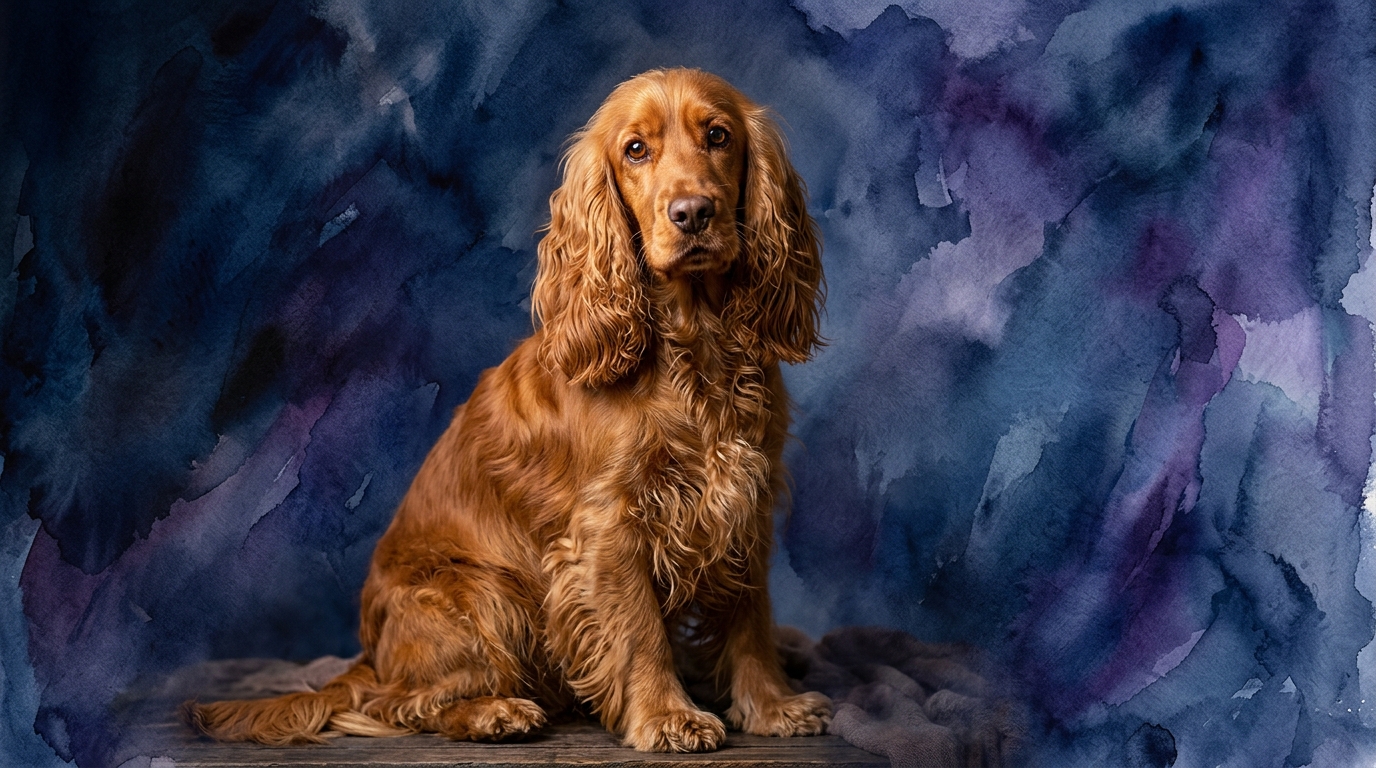
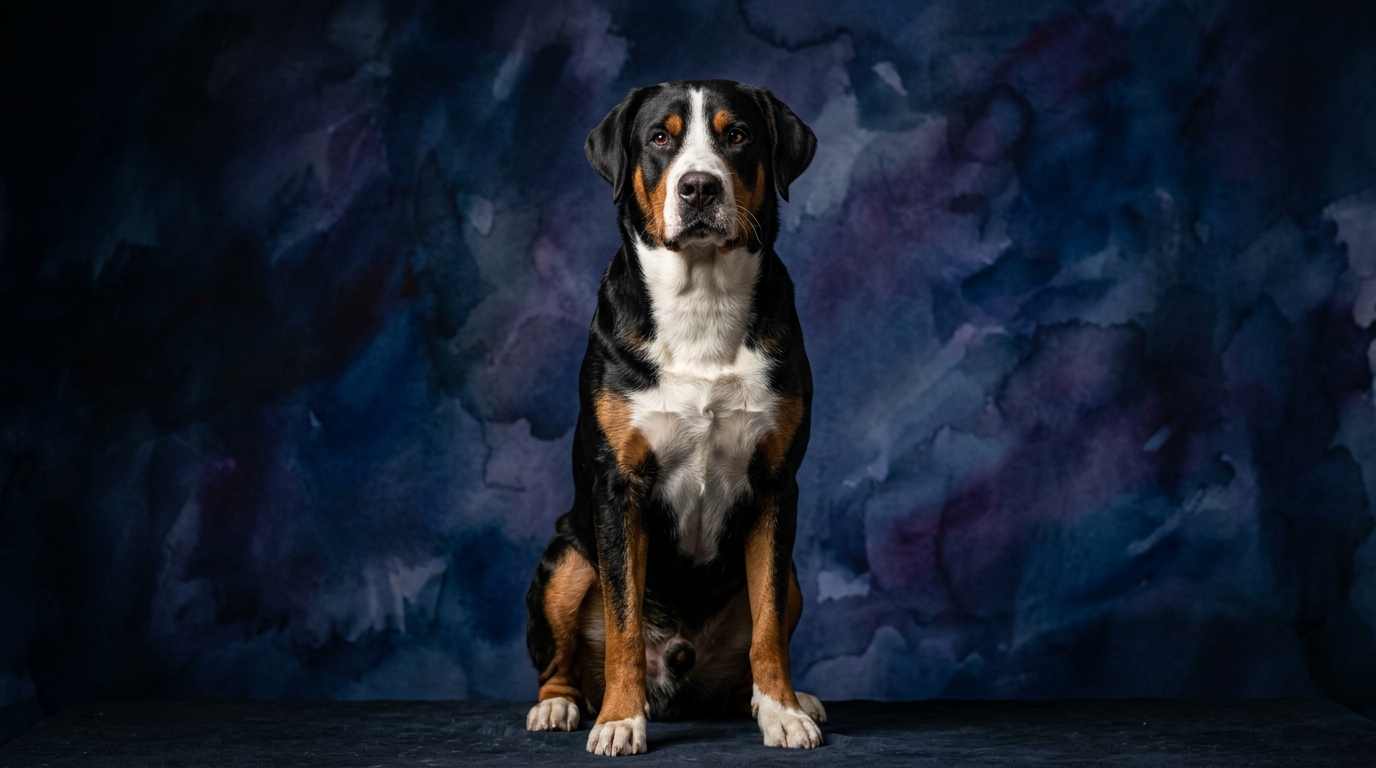
Side-by-Side IQ Profile
The Cosmic Pet Pet IQ Lab employs a five-dimensional framework to assess canine cognition, offering a granular view beyond general perceptions. For the Cocker Spaniel, a breed Coren-ranked at #20, its profile highlights a balance of responsiveness and social acumen. Its Problem Solving score of 3/5 indicates a capable but not exceptionally inventive mind; these dogs can navigate familiar challenges but may not independently devise complex solutions. Training Speed, rated at 4/5, points to a quick grasp of new commands and routines, eager to engage in structured learning. Where the Cocker Spaniel truly shines is in Social Intelligence, earning a perfect 5/5; this reflects their profound understanding of human cues, their desire for companionship, and their ability to integrate seamlessly into family dynamics. An Instinctive Drive of 4/5 speaks to their historical role as bird flusher and retriever, demonstrating inherent motivation for tasks involving scent and pursuit. Finally, a Memory score of 4/5 suggests they retain learned behaviors and social interactions effectively over time, contributing to their reputation as reliable companions.
In contrast, the Greater Swiss Mountain Dog, a breed currently without a Coren ranking, presents a profile reflecting its heritage as a powerful, self-sufficient working dog. Across all five dimensions—Problem Solving, Training Speed, Social Intelligence, Instinctive Drive, and Memory—the Greater Swiss Mountain Dog consistently scores 3/5. This uniform scoring suggests a steady, competent intellect rather than one marked by extreme peaks in any single area. Their Problem Solving at 3/5 means they are perfectly capable of addressing practical challenges within their environment, though they might approach them with a more deliberate, less flashy style than some breeds. A Training Speed of 3/5 indicates they are trainable, but perhaps require more repetition or a different motivational approach than a breed with a higher score; they learn at a moderate pace. Their Social Intelligence at 3/5 implies a loyal connection to their family but perhaps less of the effusive, constant engagement seen in breeds bred purely for companionship; they form deep bonds but may express them with more reserved dignity. An Instinctive Drive of 3/5 reflects their historical aptitude for drafting and guarding, demonstrating a solid foundation of purpose-driven behavior without the intense, focused drive of a specialized hunting dog. Lastly, a Memory score of 3/5 suggests they retain information adequately for their roles, remembering routines and people without the sharp recall of a breed designed for intricate, fast-paced tasks.
Where Cocker Spaniel Wins Cognitively
The Cocker Spaniel’s cognitive strengths are evident in its exceptional social intelligence and rapid training acquisition. With a 5/5 in Social Intelligence, they possess an innate ability to read human emotions and intentions, making them extraordinarily attuned companions. This translates into a dog that not only understands commands but also anticipates desires and reacts empathetically to mood shifts. Their 4/5 Training Speed score is a direct result of this social attunement combined with an eager-to-please temperament; they pick up new cues quickly, often requiring fewer repetitions to master a task. This cognitive advantage makes them highly responsive to positive reinforcement, thriving on interaction and praise. Furthermore, their 4/5 Memory score ensures that once a behavior is learned or a social bond established, it persists, contributing to their consistent and dependable companionship.
Where Greater Swiss Mountain Dog Wins Cognitively
While the Greater Swiss Mountain Dog's scores are consistently 3/5, its cognitive strengths lie in its balanced, steady approach to tasks and its robust self-reliance. Their Problem Solving at 3/5, while not indicative of extreme ingenuity, points to a practical, grounded intelligence suitable for their historical roles as farm dogs. They are not prone to frantic problem-solving but instead apply a thoughtful, persistent effort to challenges. Their moderate Instinctive Drive (3/5) ensures they are purposeful without being hyper-focused, allowing them to adapt to various working roles from drafting to guarding livestock. This breed's strength isn't in dazzling speed or complex social navigation, but in a dependable, unflappable cognitive presence that allows them to remain steady and capable in diverse situations, relying on their own judgment when necessary.
Which is Easier to Train and Why
Based on The Cosmic Pet Pet IQ Lab metrics, the Cocker Spaniel is demonstrably easier to train than the Greater Swiss Mountain Dog. The Cocker's 4/5 Training Speed, coupled with its 5/5 Social Intelligence, means it is inherently predisposed to learning from and cooperating with humans. They possess a strong desire to please and are highly motivated by social interaction and positive feedback, often picking up new commands with enthusiasm and speed. Their keen awareness of human cues makes them responsive and adaptable during training sessions. In contrast, the Greater Swiss Mountain Dog's 3/5 Training Speed and 3/5 Social Intelligence suggest a more independent and deliberate learner. While trainable, they may require more patience, consistency, and varied motivational techniques. Their working dog heritage means they can be confident in their own decisions, which sometimes translates to a less immediate eagerness to comply compared to the more people-centric Cocker Spaniel.
Which Suits Active Owners vs Relaxed Owners
The Cocker Spaniel, with its 4/5 Instinctive Drive and energetic Sporting group background, is generally better suited for active owners. These dogs thrive on regular physical activity, including walks, play sessions, and opportunities for scent work or retrieving games. Their high Social Intelligence also means they crave companionship and interactive activities, making them ideal for owners who enjoy involving their dog in daily life and adventures. A relaxed owner might find a Cocker Spaniel's energy and need for engagement overwhelming, potentially leading to boredom-related behaviors. The Greater Swiss Mountain Dog, while robust and capable of sustained effort, has a more moderate 3/5 Instinctive Drive. They appreciate regular exercise and purposeful activity like hiking or carting, but are also content with a comfortable home life and a steady routine. Their more reserved social intelligence means they are less demanding of constant interaction, making them a suitable choice for owners who appreciate a calm, steadfast presence and are prepared for a dog that matures more slowly and maintains a robust physical presence.
The Verdict
Opt for a Cocker Spaniel if you desire a highly responsive, socially engaged companion eager to participate actively in family life and structured training, thriving on consistent interaction and activity.
Select a Greater Swiss Mountain Dog if you seek a steady, confident, and robust companion that offers a calm presence, appreciates purposeful activity, and values a predictable routine over constant stimulation.
🧠 Find Your Pet's IQ Score
Our Pet IQ Lab assessment covers 25+ tests across 5 cognitive dimensions — personalized to your breed.
Take the Full IQ Test →Frequently Asked Questions
Do Cocker Spaniels and Greater Swiss Mountain Dogs require different training approaches?
Yes, Cocker Spaniels generally respond well to positive reinforcement and praise due to their high social intelligence and eagerness to please, often learning quickly. Greater Swiss Mountain Dogs, with their more independent nature, benefit from consistent, patient training, clear expectations, and motivation that respects their deliberate learning style.
Which breed is better with children, considering their cognitive profiles?
The Cocker Spaniel's 5/5 social intelligence makes them very attuned to family dynamics and often gentle with children, though their energy requires supervision. The Greater Swiss Mountain Dog, with a 3/5 social intelligence, is typically steady and tolerant, but their sheer size and more reserved demeanor mean they might not engage with children with the same effusive enthusiasm as a Cocker, requiring careful socialization.
Does a lower Coren ranking or absence of ranking imply less intelligence?
Not necessarily; Coren's ranking primarily assesses "working and obedience intelligence," heavily favoring breeds eager to comply with human commands. A breed like the Greater Swiss Mountain Dog might excel in independent problem-solving or guarding roles not captured by this specific metric, reflecting a different type of functional cognition.