
Side-by-Side IQ Profile
The Cosmic Pet Pet IQ Lab employs a five-dimensional framework to assess canine cognition, moving beyond simple obedience measures to explore the nuances of a breed's mental landscape. This comprehensive approach allows us to dissect the distinct intellectual architectures of the Cocker Spaniel and the Keeshond, two breeds with unique histories and temperaments. Their Coren ranks, 20th for the Cocker Spaniel and 16th for the Keeshond, offer an initial glimpse into their general working and obedience intelligence, but our deeper analysis uncovers more specific cognitive strengths and areas where they might require different approaches.
The Cocker Spaniel, a member of the Sporting Group, exhibits a cognitive profile well-suited to its heritage as a bird-flushing companion. Its problem-solving ability scores 3 out of 5, indicating a capacity for navigating moderately complex tasks, often with a keen focus on practical outcomes. Training speed is rated 4 out of 5, suggesting a readiness to learn and internalize commands efficiently. Where the Cocker Spaniel truly shines is in social intelligence, scoring a perfect 5 out of 5, reflecting an exceptional ability to interpret human cues, form strong bonds, and thrive on interaction. Its instinctive drive, at 4 out of 5, speaks to a robust natural inclination for scent work and retrieving, while memory, also 4 out of 5, supports consistent recall of learned behaviors and experiences.
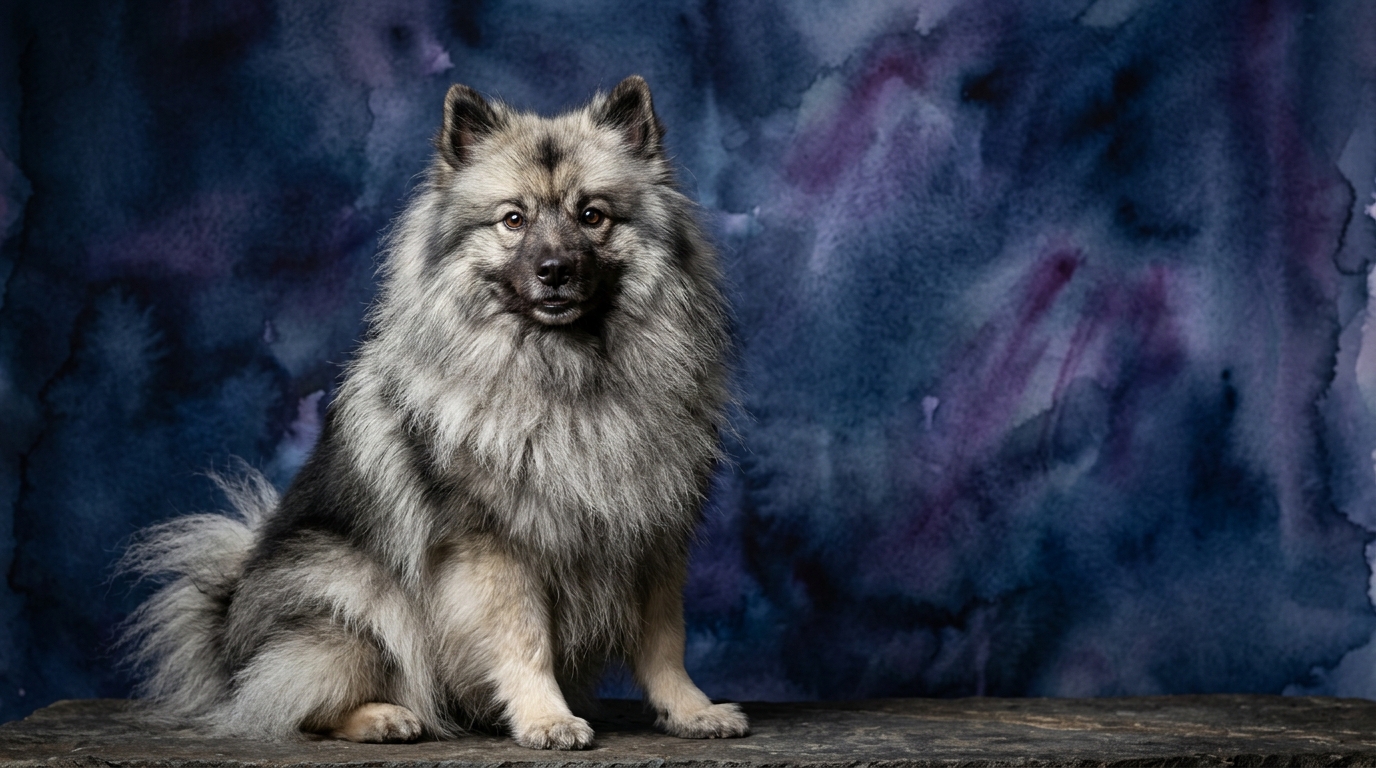
In contrast, the Keeshond, belonging to the Non-Sporting Group, presents a slightly different cognitive emphasis. With a problem-solving score of 4 out of 5, it demonstrates a more pronounced aptitude for independent thought and navigating novel situations compared to the Cocker Spaniel. Its training speed matches the Cocker Spaniel at 4 out of 5, indicating a similar capacity for quick learning. However, the Keeshond's social intelligence registers 3 out of 5, suggesting it may be more reserved or less overtly people-focused than the highly gregarious Cocker. Its instinctive drive is rated 3 out of 5, reflecting a moderate, rather than intense, natural inclination for specific working tasks. A standout feature of the Keeshond's profile is its memory, scoring a remarkable 5 out of 5, signifying an exceptional ability to retain information and experiences over long periods.
Where Cocker Spaniel Wins Cognitively
The Cocker Spaniel’s cognitive strengths are particularly evident in its exceptional social intelligence, rated a perfect 5 out of 5. This isn't merely about friendliness; it signifies a sophisticated capacity to read and respond to human emotions, intentions, and subtle body language. A Cocker Spaniel is often adept at understanding its owner's mood, offering comfort without explicit command, and seamlessly integrating into family dynamics by intuitively understanding social hierarchies and roles. This deep-seated ability to connect makes them particularly responsive to praise and social reinforcement during training, often eager to please and maintain harmonious interactions.
Another area where the Cocker Spaniel exhibits a cognitive edge is its instinctive drive, scoring 4 out of 5. Originating as gundogs, their inherent motivation for flushing and retrieving is deeply ingrained. This isn't just a physical urge; it's a cognitive framework that primes them for tasks involving scent work, tracking, and retrieving specific items. Their minds are naturally wired to focus on these activities, making them highly engaged and persistent when presented with related challenges. This drive, combined with their strong memory, allows them to excel in activities like competitive obedience or agility where following a sequence of commands to achieve a "retrieve" or "find" outcome is key.
This combination of high social intelligence and robust instinctive drive means Cocker Spaniels often interpret training as a collaborative game, fueled by their desire for interaction and their innate working tendencies. They can quickly grasp complex routines when the reward involves human affirmation or the opportunity to engage their natural instincts, such as finding a hidden toy. Their cognitive architecture leans towards cooperative learning and applying their inherent drives within a social context, making them particularly intuitive companions for those seeking a dog deeply attuned to human partnership.
Where Keeshond Wins Cognitively
The Keeshond distinguishes itself with a superior problem-solving aptitude, scoring 4 out of 5. This indicates a breed that is more inclined to independently assess novel situations and devise solutions, rather than solely relying on human direction. They often display a thoughtful approach to obstacles, whether it's figuring out how to open a gate, manipulating a complex puzzle toy, or navigating a new environment efficiently. This cognitive strength suggests a mind that enjoys intellectual challenges and can adapt creatively when faced with dilemmas that require more than rote memorization, making them engaging partners for owners who appreciate a dog with a strong individualistic streak.
Perhaps the most striking cognitive advantage of the Keeshond is its exceptional memory, which scores a perfect 5 out of 5. This isn't merely about remembering basic commands but encompasses a profound capacity for long-term retention of experiences, routines, and specific details. A Keeshond is likely to recall specific training sequences even after long breaks, remember the location of hidden objects months later, or recognize individuals and their patterns of behavior with remarkable accuracy. This superior memory contributes to their consistent performance in learned tasks and their ability to anticipate events based on past experiences, contributing to their traditional role as vigilant watchdogs who remember who belongs and who doesn't.
The combination of strong problem-solving and outstanding memory makes the Keeshond a mentally resilient and self-sufficient companion. While they may not seek constant human interaction with the same intensity as a Cocker Spaniel, their cognitive makeup allows them to process information, learn from experience, and navigate their world with a greater degree of independent thought. This intellectual profile makes them excellent candidates for advanced obedience, agility, or even search and rescue, where the ability to retain complex information and apply it to new scenarios is paramount. Their cognitive style rewards owners who provide mental enrichment that taps into their analytical and recall abilities.
Which Is Easier to Train and Why
When evaluating ease of training, both the Cocker Spaniel and the Keeshond share a respectable training speed score of 4 out of 5, indicating that both breeds grasp new concepts and commands with relative efficiency. However, the method and motivation required for optimal results diverge significantly due to their differing social intelligence and instinctive drives. The Cocker Spaniel's perfect 5 out of 5 in social intelligence means it is intrinsically motivated by human interaction, praise, and the desire to please its owner. This profound connection translates into a highly cooperative training partner who views learning as a bonding experience, often eager to perform tasks simply for the joy of shared engagement.
The Cocker Spaniel's 4 out of 5 instinctive drive further contributes to its trainability, particularly in tasks that align with its natural retrieving and scenting predispositions. They naturally engage with activities that involve searching, finding, and bringing items back, making these types of exercises feel less like work and more like play. This inherent motivation, coupled with their strong social connection, means a Cocker Spaniel often thrives with positive reinforcement methods that incorporate play, treats, and abundant verbal encouragement, leading to rapid and enthusiastic learning. Their eagerness to participate and their responsiveness to social cues make them generally forgiving of novice trainers.
The Keeshond, while equally quick to learn new commands (training speed 4/5), approaches training with a different cognitive filter. Its social intelligence of 3 out of 5 suggests it may be less overtly driven by the desire to constantly please or seek intense human affirmation. Instead, a Keeshond might be more motivated by intellectual challenge, the inherent satisfaction of solving a problem, or specific, tangible rewards. Their lower instinctive drive (3/5) means they might not have the same innate enthusiasm for repetitive, instinct-driven tasks unless a clear purpose or reward is present. Training a Keeshond often benefits from variety, mental stimulation, and a clear, consistent structure that appeals to their problem-solving abilities and exceptional memory. They can excel, but often require an owner who understands their more independent nature and can make training engaging without relying solely on social reinforcement.
Which Suits Active Owners vs. Relaxed Owners
The question of suitability for active versus relaxed owners hinges on more than just physical exercise; it's about matching a dog's cognitive and social needs with an owner's lifestyle. The Cocker Spaniel, with its robust instinctive drive (4/5) and unparalleled social intelligence (5/5), generally thrives with active owners who can provide consistent engagement and interaction. They require regular physical activity, often enjoying long walks, games of fetch, or even participating in dog sports like agility or rally. More critically, their high social intelligence means they genuinely crave companionship and participation in family life, making them less suited for prolonged periods of solitude. An active owner for a Cocker Spaniel means someone who is prepared to integrate their dog into daily activities and provide ample opportunities for social bonding and cooperative play.
For a relaxed owner, a Cocker Spaniel might prove challenging if "relaxed" means infrequent walks or minimal interactive playtime. While they can certainly enjoy quiet time snuggled on the couch, their cognitive profile demands mental stimulation that often comes through interactive games, training sessions, and social outings. Without sufficient outlets for their instinctive drives and social needs, a Cocker Spaniel may become bored or anxious, manifesting in unwanted behaviors. Their cognitive well-being is deeply tied to their role as an engaged family member and a participant in purposeful activities.
The Keeshond, while often perceived as a calmer companion due to its lower instinctive drive (3/5) compared to the Cocker Spaniel, still requires mental and physical activity. Its strong problem-solving ability (4/5) and exceptional memory (5/5) mean it benefits greatly from intellectual challenges such as puzzle toys, scent games, or advanced obedience training that keeps its mind engaged. While they might be content with slightly less intense physical exercise than some high-drive sporting breeds, they still need regular walks and opportunities to explore. Their social intelligence (3/5) suggests they are less demanding of constant human attention and might be more comfortable entertaining themselves for short periods, making them potentially more adaptable to owners who appreciate a dog with a bit more independence.
Therefore, an "active owner" for a Keeshond might prioritize mental enrichment over endless physical exertion, though both are important. They thrive with owners who enjoy teaching new tricks, engaging in problem-solving activities, or providing a structured routine that leverages their strong memory. A "relaxed owner" might find a Keeshond more amenable than a Cocker Spaniel if "relaxed" implies a less intense need for constant social interaction or cooperative tasks, provided the Keeshond's intellectual needs are met. They appreciate a calm home environment but still need their minds stimulated to prevent boredom and harness their cognitive strengths.
The Verdict
Choose the Cocker Spaniel when you seek a deeply socially attuned companion eager for cooperative activities and constant interaction, thriving on shared experiences and a strong desire to please.
Choose the Keeshond when you appreciate an independent thinker with a remarkable memory, who excels at problem-solving and benefits from consistent routines and mental challenges that engage their intellect.
🧠 Find Your Pet's IQ Score
Our Pet IQ Lab assessment covers 25+ tests across 5 cognitive dimensions — personalized to your breed.
Take the Full IQ Test →Frequently Asked Questions
Do Cocker Spaniels or Keeshonds bark more?
Cocker Spaniels, with their higher social intelligence and desire to communicate, may bark to express excitement or seek attention, especially if their social needs aren't met. Keeshonds, historically watchdogs, tend to be more vocal as alarms, often barking to alert their owners to new sights or sounds, leveraging their keen memory for what is "normal."
Are Cocker Spaniels or Keeshonds better with children?
Cocker Spaniels, with their perfect social intelligence score, generally adapt exceptionally well to family life and children, often eager to participate in play and form close bonds. Keeshonds, while typically good-natured, might be more reserved (social intelligence 3/5) and appreciate calmer interactions, requiring children to be taught respectful boundaries.
Which breed is more prone to separation anxiety?
Given their very high social intelligence (5/5) and deep desire for companionship, Cocker Spaniels are generally more prone to separation anxiety if left alone for extended periods without sufficient mental and social stimulation. Keeshonds, with their more independent nature and lower social intelligence score (3/5), tend to be more resilient to solitude, provided their environment is enriching and their physical needs are met.