Side-by-Side IQ Profile: Unpacking Canine Cognition
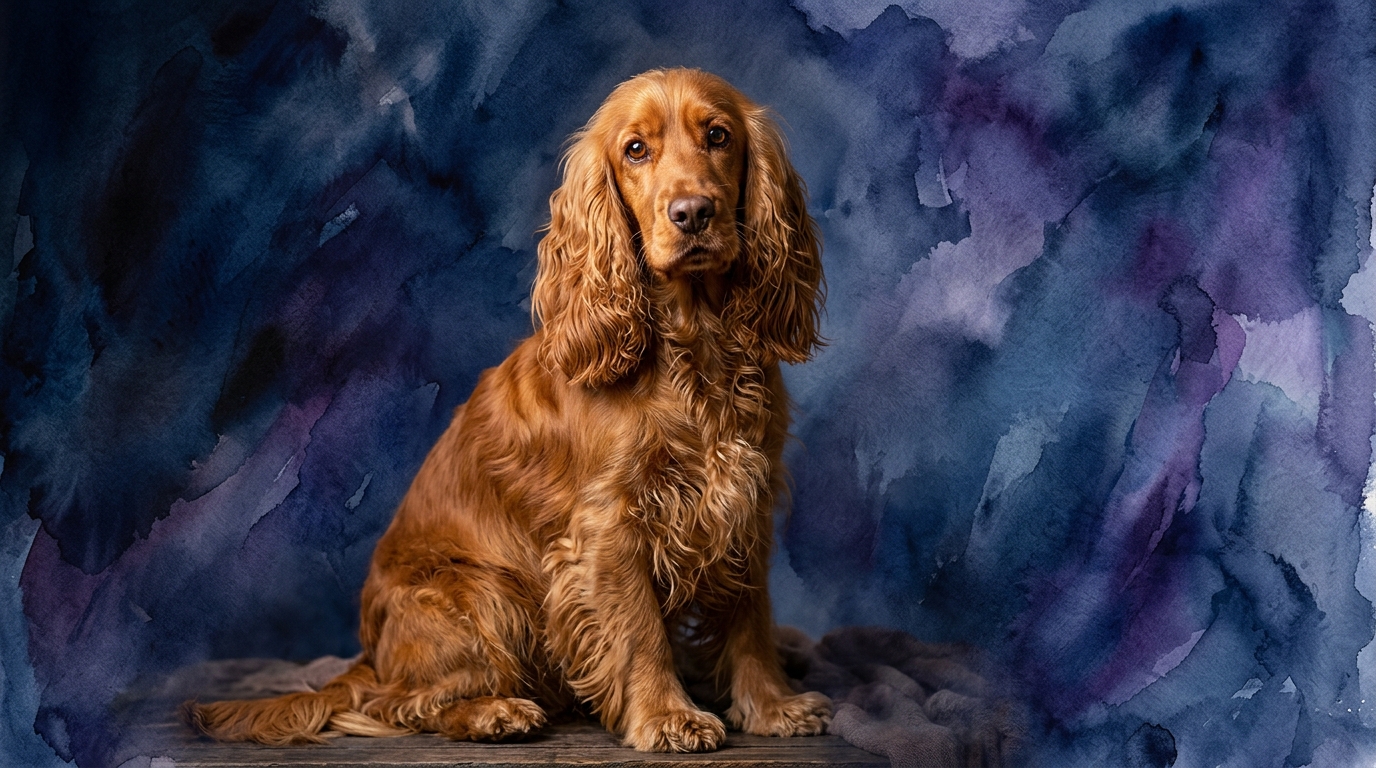
The Cosmic Pet Pet IQ Lab employs a multi-dimensional framework to assess canine intelligence, moving beyond simple obedience to encompass problem-solving, training speed, social intelligence, instinctive drive, and memory. For the Cocker Spaniel, a breed with a well-established history as a flushing and retrieving gun dog, these metrics paint a picture of an eager, highly attuned companion. They register a solid 3/5 for Problem Solving, indicating capable adaptability to new challenges, paired with an impressive 4/5 for Training Speed, reflecting their readiness to absorb new commands. Their Social Intelligence truly shines at 5/5, showcasing a profound ability to interpret human cues and emotions, while their Instinctive Drive, rated 4/5, speaks to a strong, cooperative drive for tasks like retrieving. Memory, essential for retaining complex sequences and commands, stands at 4/5, further cementing their reputation as responsive learners. The Cocker Spaniel’s overall profile places it at Coren rank #20, a testament to its cognitive prowess in a cooperative context.
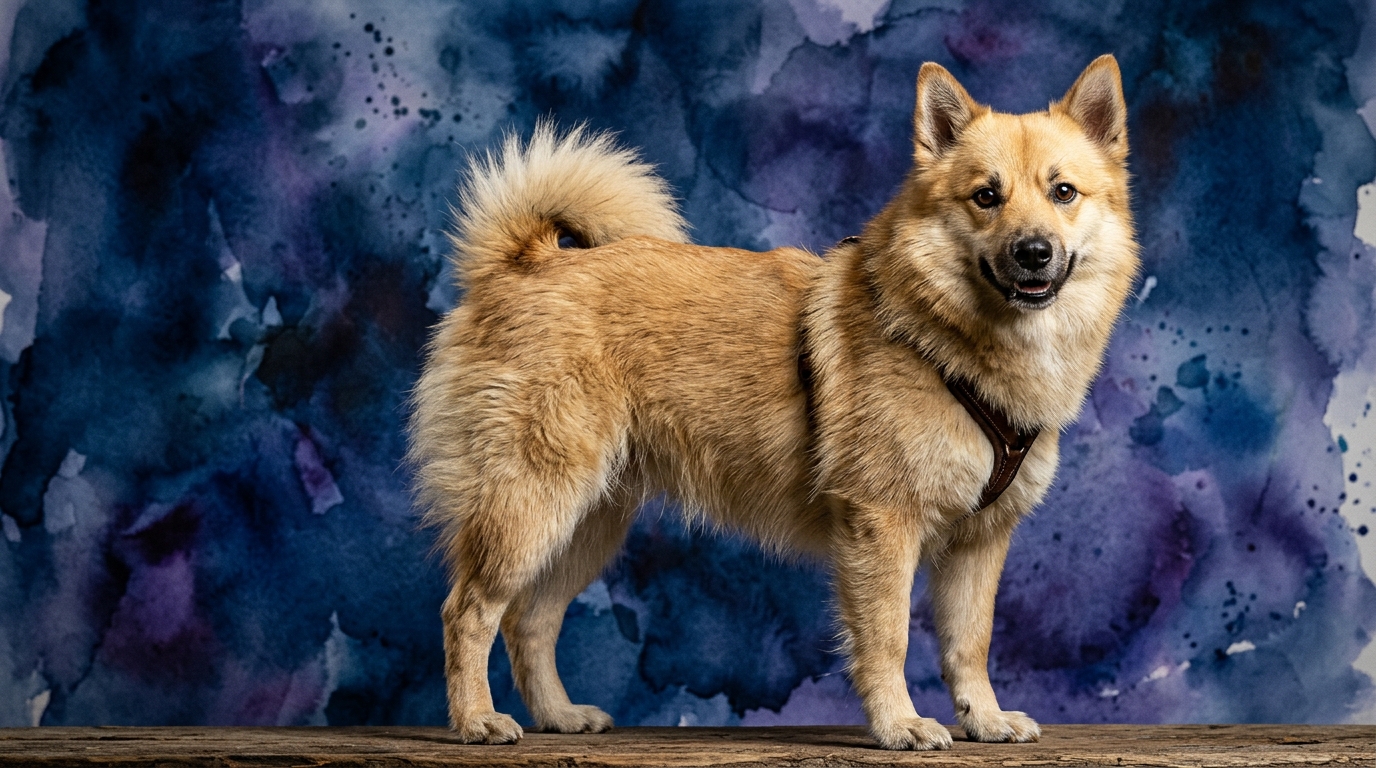
In contrast, the Norwegian Buhund, a less universally recognized but ancient Nordic herding dog, presents a different cognitive blueprint, shaped by centuries of independent work with livestock. While not Coren-ranked, our IQ data provides valuable insight into their distinct capabilities. They score 3/5 for Problem Solving, demonstrating a practical ability to navigate obstacles and situations, which aligns with their need for independent decision-making in the field. Their Training Speed is rated 3/5, suggesting a steady but perhaps less immediate uptake of commands compared to the Spaniel. Social Intelligence also stands at 3/5, indicating a functional understanding of human interaction, though perhaps with less overt eagerness to please than a breed designed for close partnership. Their Instinctive Drive, at 3/5, is geared specifically towards herding and guarding, requiring a different kind of focus and independence. Memory also sits at 3/5, sufficient for their working roles but perhaps not as finely tuned for intricate, multi-step tasks as the Cocker. The Buhund’s profile reflects a balanced, self-sufficient intellect, optimized for its traditional herding duties rather than direct human-centric cooperation.
Where the Cocker Spaniel Excels Cognitively
The Cocker Spaniel distinctly outshines the Norwegian Buhund in several key cognitive areas, primarily driven by its purpose-bred role as a close working partner. Its 4/5 score in Training Speed, compared to the Buhund’s 3/5, means a Cocker typically grasps new commands and routines with greater rapidity, making initial training periods often smoother and more rewarding. This quick uptake is often coupled with their exceptional Social Intelligence, rated 5/5 against the Buhund’s 3/5. This higher social aptitude translates into an unparalleled ability to read human body language, vocal tones, and emotional states, allowing them to anticipate owner intentions and respond with remarkable empathy and eagerness to please. A Cocker Spaniel often appears to 'understand' what you want before you even fully articulate it, a quality that makes them incredibly intuitive companions.
Furthermore, the Cocker Spaniel’s 4/5 for Instinctive Drive, focused on retrieving and flushing, means they possess a strong, innate motivation to work collaboratively with their human handler. This drive isn't just about physical action; it's deeply cognitive, requiring them to remember fallen game locations (Memory 4/5), follow complex scent trails, and return objects reliably. Their superior Memory (4/5 vs. 3/5) allows them to retain a wider array of learned behaviors and past experiences, building on previous lessons more effectively. This combination of swift learning, profound social awareness, and strong cooperative drive makes the Cocker Spaniel particularly adept at complex obedience, trick training, and roles requiring close human partnership, such as assistance work or therapy.
Where the Norwegian Buhund Demonstrates Unique Strengths
While the Norwegian Buhund doesn't numerically surpass the Cocker Spaniel in the provided IQ metrics, its cognitive profile, particularly its balanced 3/5 scores across Problem Solving, Training Speed, Social Intelligence, Instinctive Drive, and Memory, indicates a different, equally valuable set of strengths. Its Problem Solving score of 3/5, equal to the Cocker’s, suggests a practical intelligence tailored for independent decision-making, a critical trait for a herding dog that historically worked with minimal direct human oversight. This means a Buhund is often resourceful, capable of assessing situations and finding solutions on its own, whether it’s navigating a challenging terrain or managing a flock of sheep, without constant human instruction.
The Buhund’s Instinctive Drive, also 3/5 but geared towards herding, highlights its capacity for self-directed work and vigilance. This drive manifests as a keen awareness of its surroundings and a protective instinct, requiring cognitive skills related to observation, spatial reasoning, and strategic movement to manage livestock or alert to perceived threats. While its Social Intelligence is rated 3/5, this doesn't imply a lack of affection, but rather a more independent approach to interaction; they are capable of forming strong bonds but may not exhibit the same 'eagerness to please' as a Spaniel. Instead, their cognitive strength lies in their self-reliance and robust adaptability, making them resilient thinkers who can operate effectively in dynamic, less structured environments, relying on their own judgment when necessary.
Trainability: A Tale of Two Temperaments
When considering ease of training, the Cocker Spaniel generally presents a more straightforward experience due to its higher scores in Training Speed (4/5), Social Intelligence (5/5), and Memory (4/5). These breeds are often described as 'eager to please,' driven by a strong desire to cooperate with their human companions. Their excellent social intelligence means they pick up on subtle cues and respond well to positive reinforcement, often making connections between actions and rewards very quickly. A Cocker Spaniel's biddability and focus on its handler mean it's typically more receptive to learning complex sequences of commands and performing them consistently, making them a joy for obedience enthusiasts.
The Norwegian Buhund, with its 3/5 scores across Training Speed, Social Intelligence, and Memory, demands a different approach to training. While certainly trainable, their inherent independence, a hallmark of herding breeds, means they may not always prioritize human directives over their own assessment of a situation. They can be more prone to 'thinking for themselves' and may require more patience, consistency, and creative motivation to engage fully. A Buhund might take longer to master new commands, and their social intelligence, while present, may not translate into the same intense desire for human approval as the Cocker. Training a Buhund often involves tapping into their problem-solving abilities and making training feel like a partnership rather than a command-and-response exercise, emphasizing clear communication and engaging activities to maintain their focus.
Matching Breeds to Lifestyles: Active Engagement vs. Independent Spirit
Neither the Cocker Spaniel nor the Norwegian Buhund are suited for truly relaxed, sedentary owners; both require significant physical activity and mental stimulation. However, the *nature* of that engagement differs, reflecting their cognitive profiles. The Cocker Spaniel, with its 4/5 Instinctive Drive and 5/5 Social Intelligence, thrives on interactive play, structured training sessions, and activities that involve close partnership with its owner. They are ideal for active owners who enjoy jogging, hiking, retrieving games, or participating in dog sports like agility or obedience, where the dog works in tandem with the human. Their strong desire to be involved in family activities means they do best with owners who can integrate them fully into their daily lives and provide consistent, engaging companionship.
The Norwegian Buhund, while equally active, offers a slightly more independent spirit. Their 3/5 Instinctive Drive, geared towards herding, combined with their balanced problem-solving and social intelligence, suits active owners who appreciate a dog with self-direction and a robust work ethic. They excel in activities that allow them to use their brains and bodies, such as herding trials, advanced agility, or scent work, where some independent decision-making is beneficial. While they enjoy human company, a Buhund might be more content with a vigorous run or a challenging puzzle toy, allowing them to engage their minds autonomously, rather than requiring constant direct human interaction for satisfaction. They are excellent companions for active individuals or families who can provide structured outlets for their energy and intelligence, understanding that their cognitive strengths lie in resourcefulness and vigilance.
The Verdict
Choose the Cocker Spaniel if you seek a highly cooperative, socially intuitive companion eager to learn and participate actively in all aspects of family life and training.
Opt for the Norwegian Buhund if you appreciate a resilient, self-reliant dog with a strong independent streak, capable of astute problem-solving and thriving in activities that leverage its working drive and resourcefulness.
🧠 Find Your Pet's IQ Score
Our Pet IQ Lab assessment covers 25+ tests across 5 cognitive dimensions — personalized to your breed.
Take the Full IQ Test →Frequently Asked Questions
Is one breed definitively 'smarter' than the other based on these IQ metrics?
The concept of 'smarter' is nuanced; the Cocker Spaniel demonstrates higher aptitude in areas like training speed and social intelligence, making them quicker to train in traditional obedience. However, the Norwegian Buhund possesses a balanced, self-reliant intelligence crucial for its herding role, indicating different but equally valuable cognitive strengths.
Which breed is generally better suited for first-time dog owners?
Due to their higher training speed, social intelligence, and eagerness to please, Cocker Spaniels are generally considered a more forgiving and rewarding choice for first-time dog owners. Their biddability often makes the training process smoother and helps build a strong bond more readily.
How much exercise do both breeds require to stay mentally stimulated?
Both breeds require substantial daily exercise, typically 60-90 minutes, and significant mental stimulation. Cocker Spaniels thrive on interactive games and training, while Norwegian Buhunds benefit from activities that engage their independent problem-solving and herding instincts, such as exploring new trails or engaging with puzzle toys.