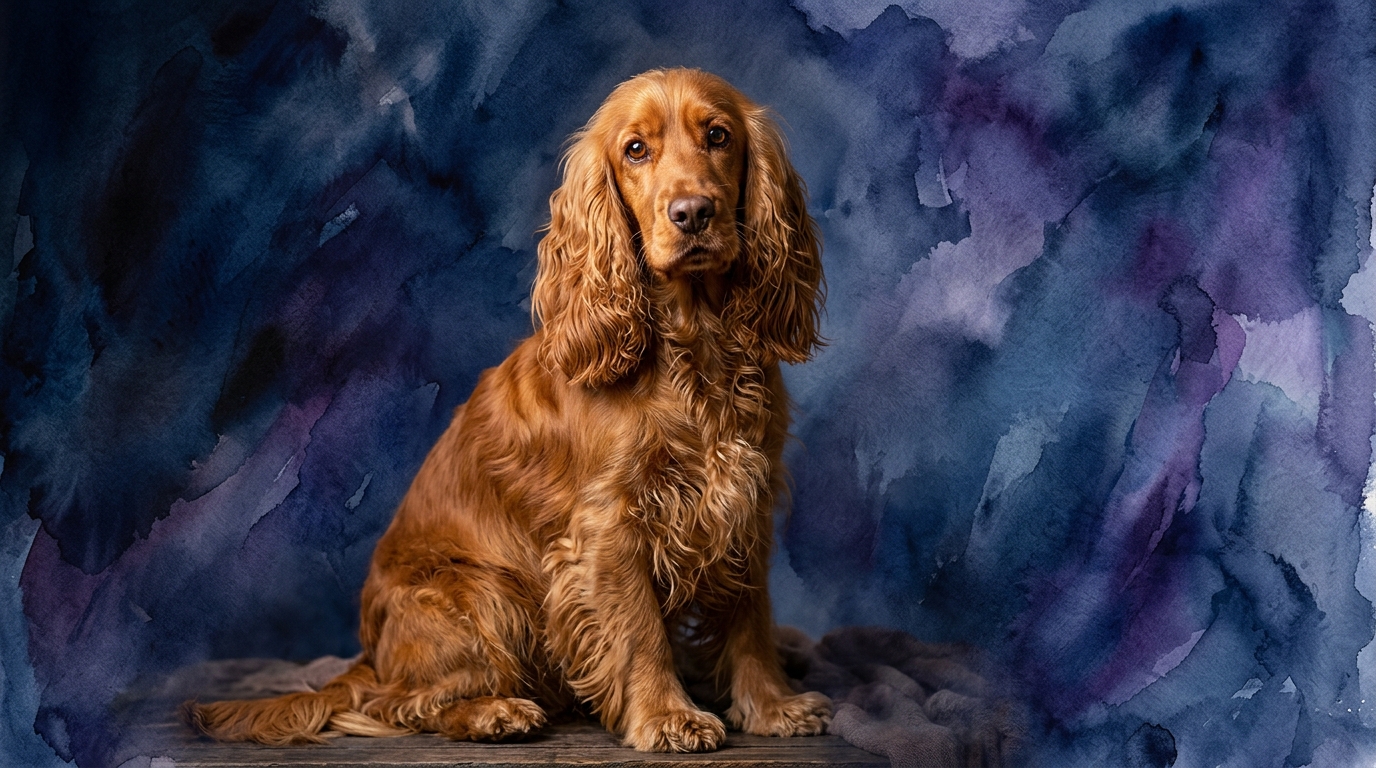
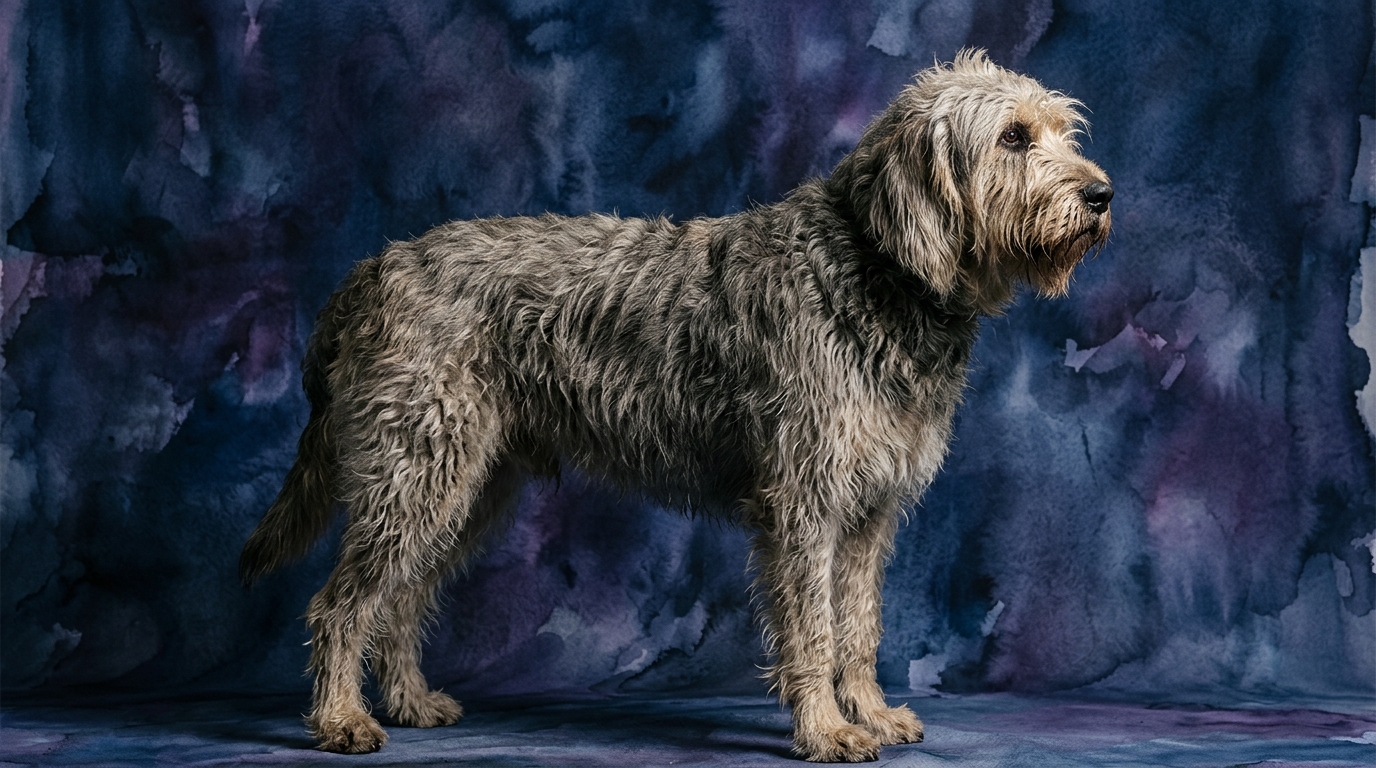
Side-by-Side IQ Profile: Cocker Spaniel vs. Otterhound
The Cosmic Pet Pet IQ Lab assesses canine intelligence across five critical dimensions, providing a nuanced view of each breed's cognitive wiring. For the Cocker Spaniel, a Sporting group dog, their Coren rank of #20 hints at a generally responsive and adaptable nature. Their individual scores include Problem Solving 3/5, Training Speed 4/5, Social Intelligence 5/5, Instinctive Drive 4/5, and Memory 4/5. This profile suggests a breed that thrives on interaction, learns readily, and possesses a strong drive to engage with tasks and companions, leveraging their excellent memory for learned behaviors and routines.
In contrast, the Otterhound, a member of the Hound group, does not feature on Coren's ranking, reflecting their more specialized and independent cognitive approach. Their IQ scores are consistently moderate: Problem Solving 3/5, Training Speed 3/5, Social Intelligence 3/5, Instinctive Drive 3/5, and Memory 3/5. This balanced, albeit lower, set of scores points to a dog whose intelligence is geared towards independent, persistent work, often driven by scent, rather than a strong desire for human-directed cooperation or intricate problem-solving outside their specific hunting domain. Their cognitive strengths lie in endurance and focused pursuit.
Where the Cocker Spaniel Wins Cognitively
The Cocker Spaniel clearly outshines the Otterhound in several key cognitive domains, particularly in areas facilitating close human partnership and rapid learning. Their Social Intelligence score of 5/5, compared to the Otterhound's 3/5, indicates a profound capacity for understanding human cues, intentions, and emotional states, making them exceptionally attuned companions. This high social acumen translates into a greater desire to please and a more intuitive grasp of social hierarchies and expectations within a family unit.
Furthermore, the Cocker Spaniel's Training Speed (4/5 vs. Otterhound's 3/5) and Memory (4/5 vs. Otterhound's 3/5) contribute significantly to their cognitive advantage in structured learning environments. They absorb new commands and routines with greater alacrity and retain them more effectively over time. This combination of social awareness, quick learning, and robust memory allows Cocker Spaniels to master complex sequences of behaviors, excel in various dog sports like obedience and agility, and adapt smoothly to diverse household rules and schedules. Their historical role as flushing dogs required them to work in close concert with hunters, responding swiftly to commands, a skill deeply embedded in their cognitive makeup.
Where the Otterhound Wins Cognitively
While the Otterhound's numerical scores are generally lower, their cognitive profile is uniquely specialized for their historical purpose, demonstrating specific strengths that allow them to excel in distinct ways. Their Problem Solving score of 3/5, equal to the Cocker Spaniel's, manifests differently; for the Otterhound, it's about independently interpreting complex scent trails, navigating varied terrain, and making strategic decisions in the field without constant human direction. This isn't about solving intricate puzzles for a treat, but about sustained, autonomous intellectual effort in a natural environment.
The Otterhound's Instinctive Drive, also rated 3/5, while not numerically superior, represents a tenacious, singular focus on a task, particularly tracking a scent. This drive is a cognitive asset for endurance and selective attention, allowing them to pursue a trail for hours, ignoring distractions that might deter a more socially reliant breed. Their moderate Social Intelligence (3/5) means they are less inclined to constantly seek human approval, which, in the context of independent hunting, allows them to commit fully to their task without being sidetracked by a need for interaction. This specialized intelligence makes them formidable in long, challenging tracking pursuits where self-reliance and unwavering focus are paramount.
Which is Easier to Train and Why
Based on their cognitive profiles, the Cocker Spaniel is demonstrably easier to train than the Otterhound. The Cocker Spaniel's higher Training Speed (4/5) combined with their exceptional Social Intelligence (5/5) creates a highly receptive and cooperative learner. They possess an inherent desire to engage with their human companions and are motivated by praise and connection, making them eager participants in training sessions. Their strong memory (4/5) ensures that once a command is learned, it is likely to be retained, leading to consistent performance.
In contrast, the Otterhound's moderate Training Speed (3/5) and Social Intelligence (3/5), coupled with a strong, independent instinctive drive, present more significant training challenges. Otterhounds are often described as having a 'nose-driven' intelligence; once they lock onto an interesting scent, their focus can become incredibly singular, making it difficult to redirect their attention to human-initiated commands. Training an Otterhound requires immense patience, creative motivation, and an understanding of their independent nature, often necessitating methods that acknowledge and work with their powerful scent drive rather than against it. They are less inclined to perform simply to please and require compelling reasons or environmental rewards to comply consistently.
Which Suits Active Owners vs. Relaxed Owners
For owners seeking an active, engaged, and highly interactive companion, the Cocker Spaniel is often the more suitable choice. Their Instinctive Drive (4/5) means they thrive on regular physical activity and mental stimulation, enjoying varied activities from long walks and fetch to dog sports. Their high social intelligence and desire for connection mean they benefit immensely from being an integral part of family activities and appreciate owners who are keen on consistent training and interactive play. They are excellent partners for active lifestyles that involve consistent human-dog teamwork and communication.
The Otterhound, while requiring regular activity, aligns better with owners who appreciate an independent spirit and are prepared for a dog with a robust, scent-driven agenda. Their Instinctive Drive (3/5) translates into a need for long, exploratory walks where they can follow scents, rather than highly structured, intense exercise sessions focused purely on human direction. They need owners who understand and respect their desire to investigate the world through their nose and are patient with their often-independent nature. While they enjoy family, they might not demand constant attention or thrive on intricate obedience work to the same degree as a Cocker, making them suitable for active owners who prefer a companion with a more self-directed approach to their daily adventures.
The Verdict: When to Choose Each
The Verdict
Choose the Cocker Spaniel if you desire a highly social, eager-to-please companion who thrives on close interaction, excels in structured training, and is adaptable to various family activities and dog sports. They are ideal for owners seeking a responsive, affectionate partner.
Opt for the Otterhound if you appreciate an independent, robust companion with a powerful scent drive, are prepared for unique training challenges, and enjoy long, exploratory outdoor adventures that allow them to follow their nose. They suit owners who value a dog with a strong, self-directed personality.
🧠 Find Your Pet's IQ Score
Our Pet IQ Lab assessment covers 25+ tests across 5 cognitive dimensions — personalized to your breed.
Take the Full IQ Test →Frequently Asked Questions
Is a Cocker Spaniel good for first-time dog owners?
Yes, Cocker Spaniels can be excellent for first-time dog owners due to their high social intelligence and eagerness to please, which makes them relatively easy to train and integrate into a household. Their responsiveness and adaptability are significant advantages for new owners learning the ropes of canine companionship.
Do Otterhounds need a lot of exercise?
Otterhounds require regular and substantial exercise, primarily in the form of long walks or hikes where they can engage their powerful sense of smell. Their stamina and desire to track mean they benefit from extended outdoor adventures, though they might not demand the same intensity of structured activity as some other working breeds.
Which breed is better with children?
Cocker Spaniels, with their high social intelligence and generally gentle nature, often integrate well into families with children, especially if properly socialized from a young age. Otterhounds can also be good family dogs, but their larger size and independent nature mean careful supervision and early training are crucial to ensure harmonious interactions with younger family members.