Side-by-Side Cognitive Profile
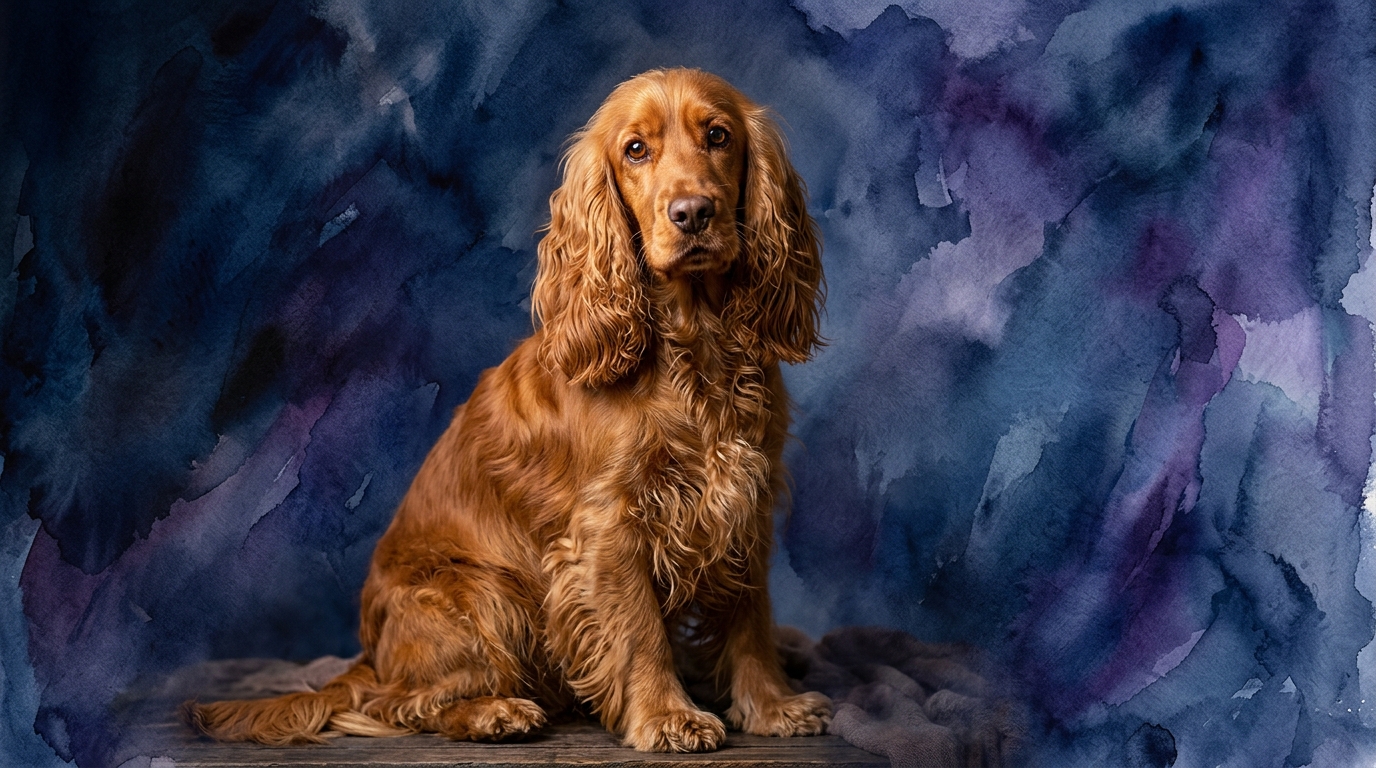
Originating as bird flushing and retrieving dogs, Cocker Spaniels possess a cognitive makeup finely tuned for partnership and task execution. Their problem-solving ability, rated at 3/5, is practical, often centered on achieving a desired outcome in cooperation with a handler rather than independent strategizing. Training speed is a notable strength at 4/5, reflecting their eagerness to please and quick grasp of commands, placing them commendably at #20 in Stanley Coren's ranking of canine working intelligence. Social intelligence is exceptional at 5/5, making them highly attuned to human emotions and social cues, which underpins their cooperative nature. An instinctive drive of 4/5 indicates a strong inclination towards their original working purpose, manifesting as a keen interest in scent work or retrieving games. Their memory, rated 4/5, allows them to retain learned behaviors and routines effectively, contributing to their consistent performance.
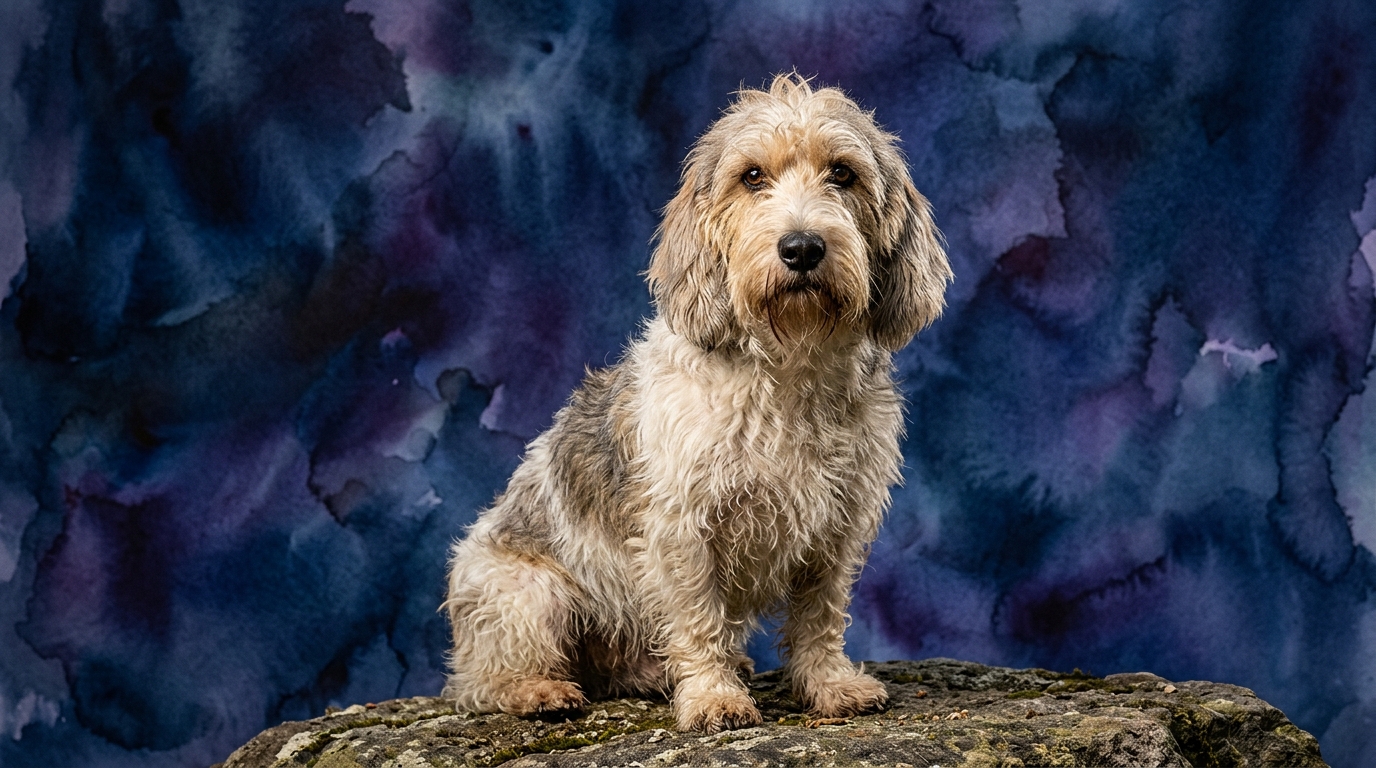
The PBGV, a scent hound bred to hunt small game independently in dense undergrowth, presents a cognitive profile reflecting self-reliance and environmental mastery. Their problem-solving capacity, rated 3/5, typically involves navigating complex outdoor terrain or following intricate scent trails, requiring persistence and independent decision-making rather than handler direction. Training speed stands at 3/5, indicating they can learn, but often require more patience and creative motivation due to their independent streak and focus on environmental stimuli. Their social intelligence is 3/5; while affectionate with their family, PBGVs are less overtly people-pleasing than a Cocker and more focused on their own sensory world. An instinctive drive of 3/5 primarily revolves around scenting and tracking, which can override other learned behaviors when a compelling trail is discovered. Their memory, also 3/5, is functional for retaining learned tasks but is perhaps overshadowed by their immediate sensory experiences and the call of the wild. Unlike the Cocker Spaniel, the PBGV does not feature in Coren's rankings, a common characteristic of breeds where independent thought is prioritized over obedience.
Where the Cocker Spaniel Wins Cognitively
The Cocker Spaniel distinctly outshines the PBGV in areas requiring close human collaboration and rapid learning. Their superior social intelligence (5/5 vs 3/5) means they are far more attuned to human communication, body language, and subtle cues, making them exceptional partners in activities like obedience, agility, or therapy work where understanding and responding to human intent is paramount. This keen social awareness translates directly into their faster training speed (4/5 vs 3/5); they are inherently motivated to engage with their handler and derive satisfaction from successful joint endeavors, leading to quicker acquisition and execution of commands. Furthermore, their stronger memory (4/5 vs 3/5) supports the retention of complex sequences and a broader repertoire of learned behaviors, allowing them to perform with greater consistency and reliability in structured environments. For tasks demanding precision and a desire to work alongside a human, the Cocker Spaniel's cognitive architecture provides a clear advantage.
Where the Petit Basset Griffon Vendéen Wins Cognitively
While not excelling in obedience-focused metrics, the Petit Basset Griffon Vendéen demonstrates a distinct cognitive strength in independent decision-making and environmental navigation, reflecting its heritage as a self-sufficient hunter. Their problem-solving, while rated 3/5 like the Cocker's, manifests differently; it's less about human-directed tasks and more about autonomously figuring out how to overcome obstacles in pursuit of a scent, such as finding a way through dense brush or deciphering a faint trail. This intrinsic drive for independent exploration and sensory processing means they are less reliant on human direction to engage with their environment. Their instinctive drive (3/5) might seem lower than the Cocker's (4/5), but for a PBGV, this drive is singularly focused on scenting, enabling them to persevere on a trail with a determination that can override external distractions. This single-minded focus, while challenging for training, is a cognitive win for their original purpose, allowing them to process and prioritize olfactory information with remarkable tenacity, a skill where the Cocker's cooperative problem-solving would be less effective.
Which is Easier to Train and Why
The Cocker Spaniel is unequivocally easier to train than the Petit Basset Griffon Vendéen, a difference rooted deeply in their breed histories and inherent motivations. The Cocker's high social intelligence and strong desire to please their human companions mean they actively seek to understand and comply with commands. They thrive on positive reinforcement, seeing training as a rewarding collaborative activity. Their faster training speed (4/5) reflects their quick uptake of new information and their willingness to repeat actions for praise or treats. Behavioral differences manifest in a Cocker's tendency to maintain eye contact, respond readily to their name, and generally remain focused on their handler during training sessions. In contrast, the PBGV's independent nature and lower social intelligence (3/5) mean they are less inherently driven to comply with human directives if something more interesting, like a compelling scent, presents itself. Their training speed (3/5) is slower because they often require more repetition, higher-value rewards, and a more engaging approach to capture their attention and sustain their focus. A PBGV might learn a command but choose not to execute it if their strong instinctive drive (3/5) to follow a scent takes precedence, leading to the characteristic “selective hearing” often attributed to hounds. Training a PBGV requires immense patience, consistency, and an understanding that their primary motivation is often internal and sensory, rather than handler-focused.
Which Suits Active Owners vs. Relaxed Owners
Both breeds can adapt to various lifestyles, but their cognitive profiles suggest different optimal matches for owner activity levels. The Cocker Spaniel, with its moderate instinctive drive (4/5) and strong social intelligence (5/5), thrives with active owners who enjoy engaging them in structured activities. They excel in dog sports like agility, obedience, and scent work, or simply enjoy long, interactive walks and games of fetch. Their desire for companionship means they prefer to be involved in family activities and can become restless if left alone for extended periods without mental or physical stimulation. A relaxed owner might find a Cocker Spaniel too demanding of attention and interaction. The Petit Basset Griffon Vendéen, despite its hound origins, can surprisingly suit both active and more relaxed owners, albeit with specific considerations. While they possess an instinctive drive (3/5) for exploration and scenting, which necessitates secure off-leash areas and regular walks, their energy bursts are often interspersed with periods of profound relaxation. Active owners might enjoy engaging a PBGV in tracking or hiking, embracing their independent spirit on trails. However, a relaxed owner who appreciates a dog that can entertain itself with a good sniff in the yard, and is content to nap at their feet indoors, might also find a good match. The key for a PBGV owner, regardless of activity level, is providing consistent opportunities for scent exploration and understanding that their mental engagement often comes from investigating their environment rather than constant human-directed play.
The Verdict
Choose a Cocker Spaniel if you desire a highly cooperative, socially attuned canine partner eager to learn and participate in structured activities, excelling in obedience and demanding consistent human interaction.
Opt for a Petit Basset Griffon Vendéen if you appreciate an independent, free-thinking companion with a strong sensory drive, valuing their tenacity in exploration and requiring an owner patient with their hound nature.
🧠 Find Your Pet's IQ Score
Our Pet IQ Lab assessment covers 25+ tests across 5 cognitive dimensions — personalized to your breed.
Take the Full IQ Test →Frequently Asked Questions
Is the Cocker Spaniel more adaptable to different living situations than the PBGV?
The Cocker Spaniel's high social intelligence and desire to please generally make it more adaptable to various living situations, provided its need for human companionship and mental stimulation is met. The PBGV, while loving, has a stronger independent streak and a need for scent work, which might require specific adjustments, especially in urban environments.
Do PBGVs have a strong prey drive that impacts their cognitive behaviors?
Yes, PBGVs have a pronounced instinctive drive centered around scenting and tracking, which significantly impacts their cognitive behaviors. This drive can lead to independent decision-making and a tendency to prioritize a compelling scent over obedience commands, requiring consistent training and secure environments.
How do their memory differences affect their daily lives?
The Cocker Spaniel's superior memory (4/5) means it typically remembers routines, commands, and boundaries more consistently, making daily interactions and continued training smoother. The PBGV's functional memory (3/5) means it learns, but its strong focus on immediate sensory input can sometimes make it seem forgetful of learned behaviors when an exciting new stimulus arises.