Side-by-Side Cognitive Profiles at The Cosmic Pet Pet IQ Lab
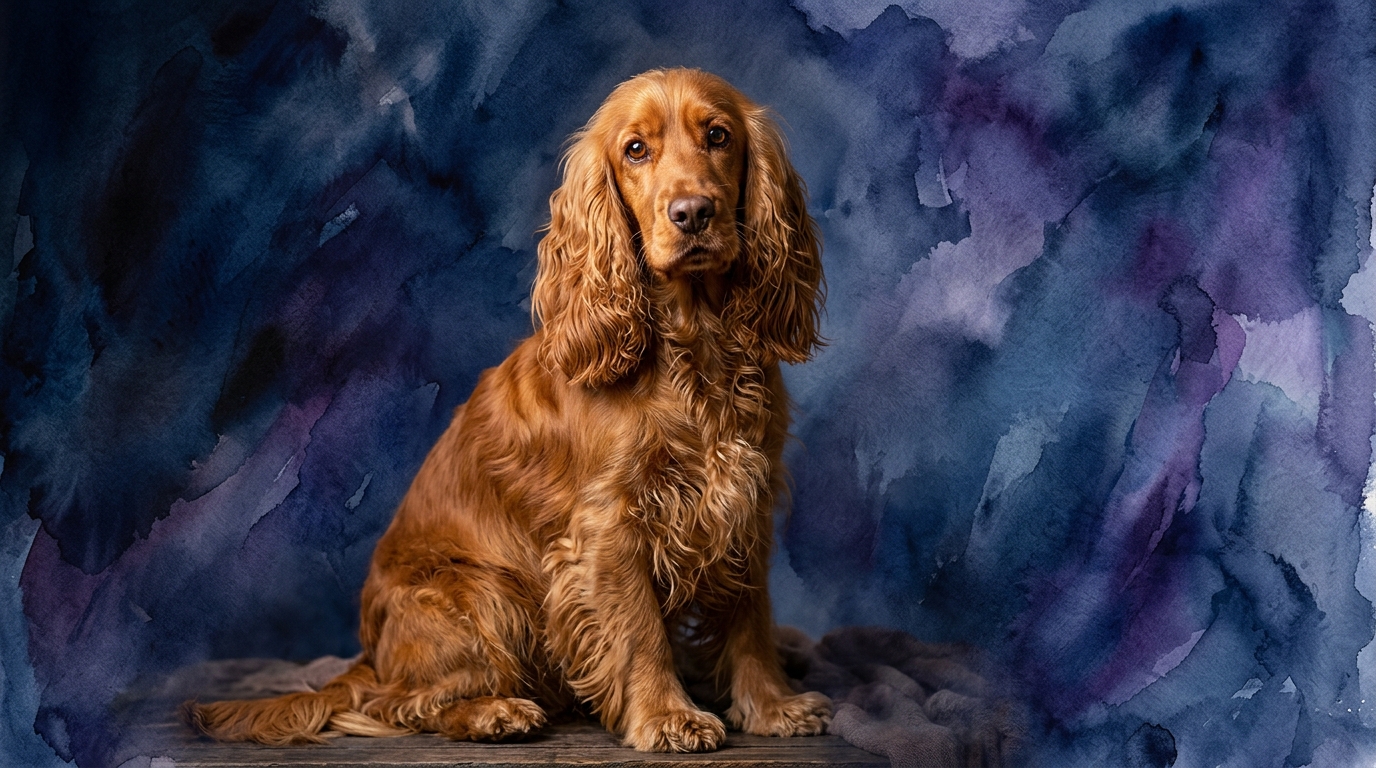
At The Cosmic Pet Pet IQ Lab, the Cocker Spaniel demonstrates a well-rounded cognitive profile, particularly excelling in areas vital for a close working relationship. Their Problem Solving is rated 3/5, indicating a moderate capacity to navigate new challenges and figure out solutions. Training Speed is a commendable 4/5, reflecting their quick grasp of new commands and routines, often eager to learn. Where they truly shine is in Social Intelligence, scoring a perfect 5/5, showcasing an exceptional ability to interpret human cues, emotions, and social dynamics with remarkable sensitivity. Their Instinctive Drive, rated 4/5, speaks to a strong innate motivation tied to their sporting heritage of flushing and retrieving. Finally, their Memory at 4/5 suggests a good retention of learned behaviors and past experiences, contributing to their trainability and reliability.
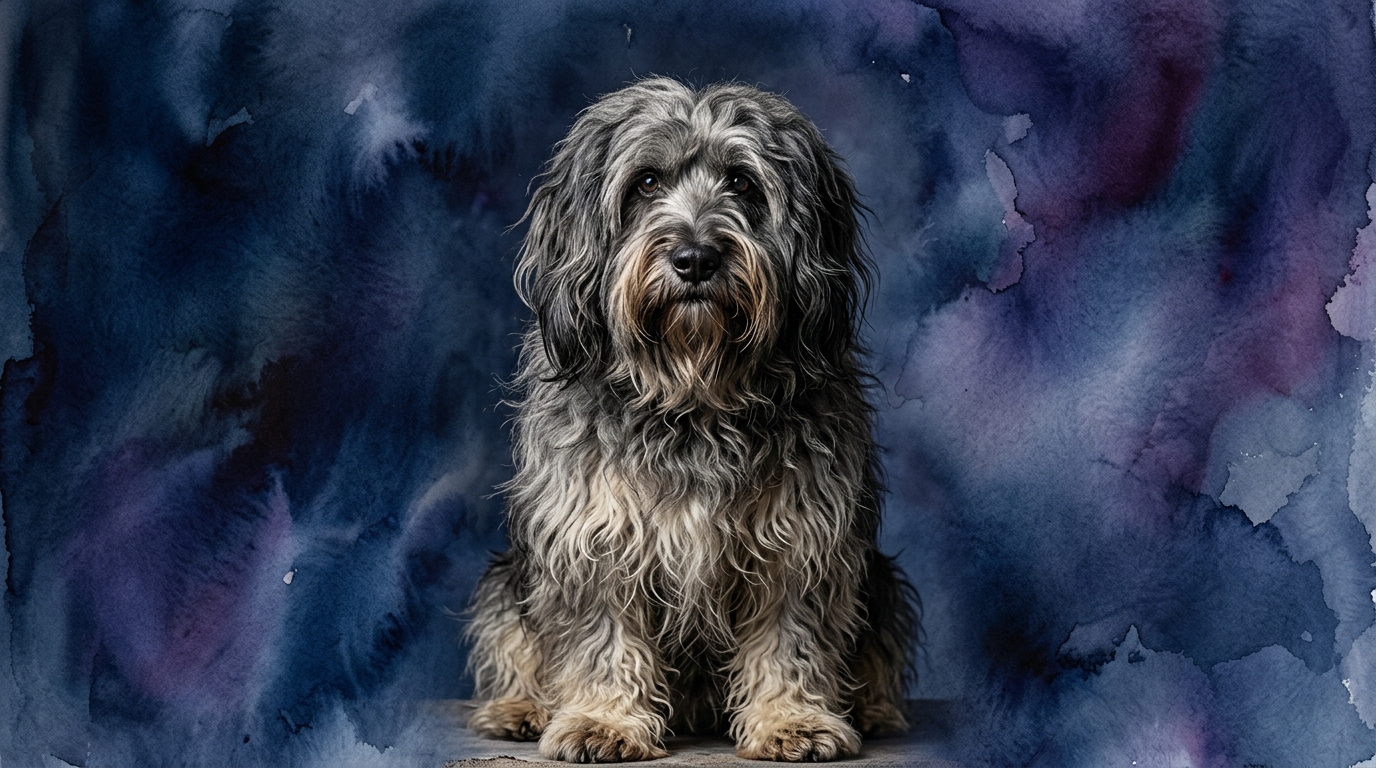
In contrast, the Polish Lowland Sheepdog (PON) presents a cognitive makeup tailored to independent decision-making within a working flock. Their Problem Solving also stands at 3/5, suggesting a similar moderate aptitude for tackling novel situations, though perhaps with a different approach given their herding background. Training Speed is rated 3/5, indicating an average pace for acquiring new commands, which often requires consistent and patient instruction. Their Social Intelligence is 3/5, meaning they understand human cues adequately but may not possess the same intuitive attunement as the Cocker Spaniel. Instinctive Drive, at 3/5, reflects a moderate but persistent herding impulse, guiding their actions in a more self-directed manner. Their Memory, also 3/5, suggests an average retention of information, necessitating regular reinforcement to keep learned behaviors sharp.
Where the Cocker Spaniel Shines Cognitively
The Cocker Spaniel's cognitive strengths distinctly align with their centuries-long role as a close hunting partner. Their perfect 5/5 Social Intelligence score is a standout, allowing them to form exceptionally deep bonds and anticipate human intentions with uncanny accuracy. This isn't just about being friendly; it's a sophisticated capacity to read body language, vocal inflections, and emotional states, making them incredibly responsive to subtle cues from their handler. This social attunement means they often seem to 'know' what you want before you even ask, a trait invaluable in a working dog that needs to operate in sync with a human.
Coupled with their 4/5 Training Speed, this social acumen translates into a dog that picks up new tasks and commands with remarkable alacrity. Their eagerness to please, rooted in their desire for companionship, fuels their learning process. For example, a Cocker can quickly learn complex retrieve sequences, differentiate between multiple targets, or master intricate agility courses, largely because they are driven by the partnership and the clear feedback from their handler. Their 4/5 Memory reinforces this, allowing them to retain vast repertoires of learned behaviors and associate specific actions with desired outcomes over time, making advanced training a more fluid experience.
Where the Polish Lowland Sheepdog Excels Cognitively
While the Polish Lowland Sheepdog's individual scores might not always surpass the Cocker's, their cognitive excellence lies in a different domain: independent reasoning and resilience. Their 3/5 Problem Solving, though numerically equal, manifests uniquely. A herding dog often operates at a distance from its handler, making quick decisions to manage a flock, navigate terrain, and respond to unpredictable livestock behavior without direct command. This requires a robust, self-reliant problem-solving capability, where the dog must assess dynamic situations and act decisively on its own initiative, rather than always waiting for a human directive.
Their 3/5 Instinctive Drive, while not as high as the Cocker's, is channeled into a persistent and thoughtful approach to their work. This isn't a frantic drive but a methodical one, focused on control and management. This breed's cognitive strength allows them to maintain focus over extended periods in potentially chaotic environments, demonstrating a mental toughness and adaptability crucial for a pastoral dog. They need to analyze the environment, the flock, and potential threats, making nuanced judgments that safeguard their charges. This form of cognitive independence, coupled with a capacity for sustained attention, represents a distinct advantage in roles requiring autonomous decision-making in complex, fluid situations.
Ease of Training: A Tale of Two Temperaments
When considering ease of training, the Cocker Spaniel generally presents a more straightforward path for most owners. Their high Social Intelligence (5/5) means they are inherently motivated by human approval and connection, making positive reinforcement incredibly effective. They are quick to understand what is being asked of them due to their exceptional ability to read cues, and their 4/5 Training Speed ensures they internalize commands rapidly. A Cocker Spaniel often approaches training as a collaborative game, eager to engage and please, which translates into a dog that is typically biddable and responsive, thriving on consistent, gentle guidance and praise.
The Polish Lowland Sheepdog, with its 3/5 Training Speed and 3/5 Social Intelligence, requires a different approach. Their herding heritage has instilled a degree of independence; they are bred to think for themselves rather than solely relying on human direction. This can sometimes manifest as a more questioning or 'what's in it for me?' attitude during training. While certainly capable of learning, they may not possess the same inherent eagerness to please as a Cocker. Owners should anticipate needing more patience, consistency, and clear, firm (but never harsh) communication. Establishing clear boundaries and demonstrating confident leadership is vital to channeling their intelligence and ensuring they see the handler as a reliable guide, rather than a suggestion.
Active Owners vs. Relaxed Owners: Matching Cognitive Needs
For owners seeking a companion that thrives on interactive engagement and moderate activity, the Cocker Spaniel is an excellent fit. Their 4/5 Instinctive Drive means they enjoy regular exercise and mental stimulation, but their profound 5/5 Social Intelligence ensures this activity is often best shared with their human family. They excel in activities like fetch, obedience, or scent work where they can work closely with their owner. A Cocker is content with a good daily walk, interactive play sessions, and plenty of cuddle time on the couch, making them suitable for moderately active individuals or families who enjoy including their dog in daily life without requiring extreme athletic pursuits.
The Polish Lowland Sheepdog, despite a 3/5 Instinctive Drive score, is fundamentally a working breed whose cognitive needs demand more structured and consistent outlets. Their independent problem-solving and herding instincts, even if not expressed as a constant high-energy burst, require an owner who understands the importance of mental engagement beyond simple walks. These dogs benefit from activities that challenge their intellect and allow them to utilize their natural drives, such as herding trials, advanced obedience, agility, or even trick training. They are better suited for active owners who are prepared to dedicate time to consistent training and mental enrichment, providing a 'job' or purpose that satisfies their innate desire to work and think.
The Verdict
Choose the Cocker Spaniel if you desire a highly socially intelligent, biddable companion who thrives on partnership, reads your emotions, and makes training a joyful, collaborative experience. They excel in interactive settings and are perfect for owners who want a dog deeply integrated into their daily life and activities.
Opt for the Polish Lowland Sheepdog if you are an experienced, active owner seeking a resilient, independent thinker with a strong working heritage, prepared to provide consistent mental challenges and firm, patient guidance. They thrive with a 'job' and an owner who respects their self-reliant nature and can channel their herding instincts constructively.
🧠 Find Your Pet's IQ Score
Our Pet IQ Lab assessment covers 25+ tests across 5 cognitive dimensions — personalized to your breed.
Take the Full IQ Test →Frequently Asked Questions
Are Cocker Spaniels good family dogs with children?
Yes, their exceptional social intelligence (5/5) and gentle nature often make Cocker Spaniels wonderful family companions. They are typically patient and attuned to human emotions, though supervision is always advised with children to ensure respectful interactions.
Do Polish Lowland Sheepdogs bark frequently?
Polish Lowland Sheepdogs can be vocal, often using their bark to alert or communicate, a trait stemming from their herding roots as guardians. Consistent training from a young age can help manage excessive barking, directing it appropriately and teaching them when quiet is needed.
What kind of mental stimulation is best for a Polish Lowland Sheepdog?
PONs thrive on activities that engage their problem-solving and herding instincts, providing a sense of purpose. This includes puzzle toys, scent work, advanced obedience, agility, or even structured 'jobs' around the house, ensuring their independent minds are consistently challenged and satisfied.