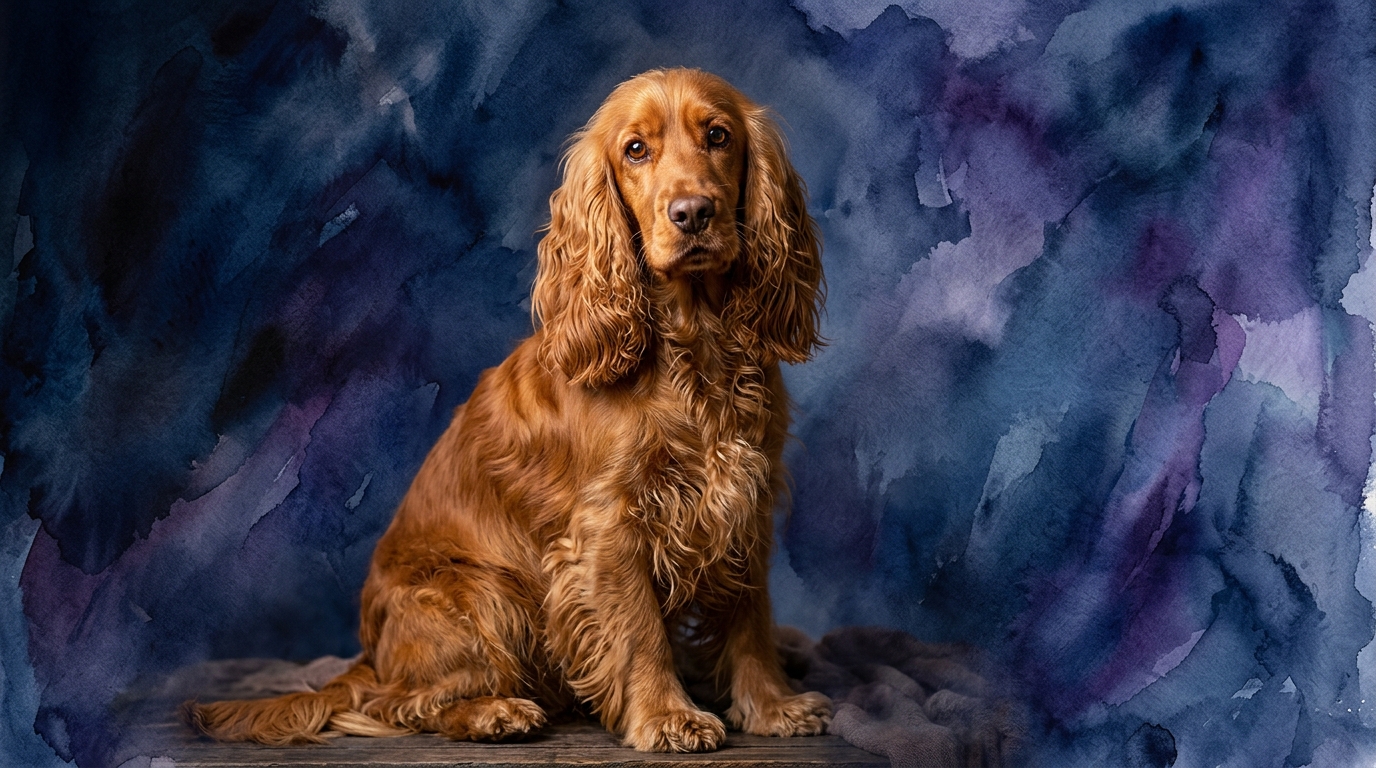
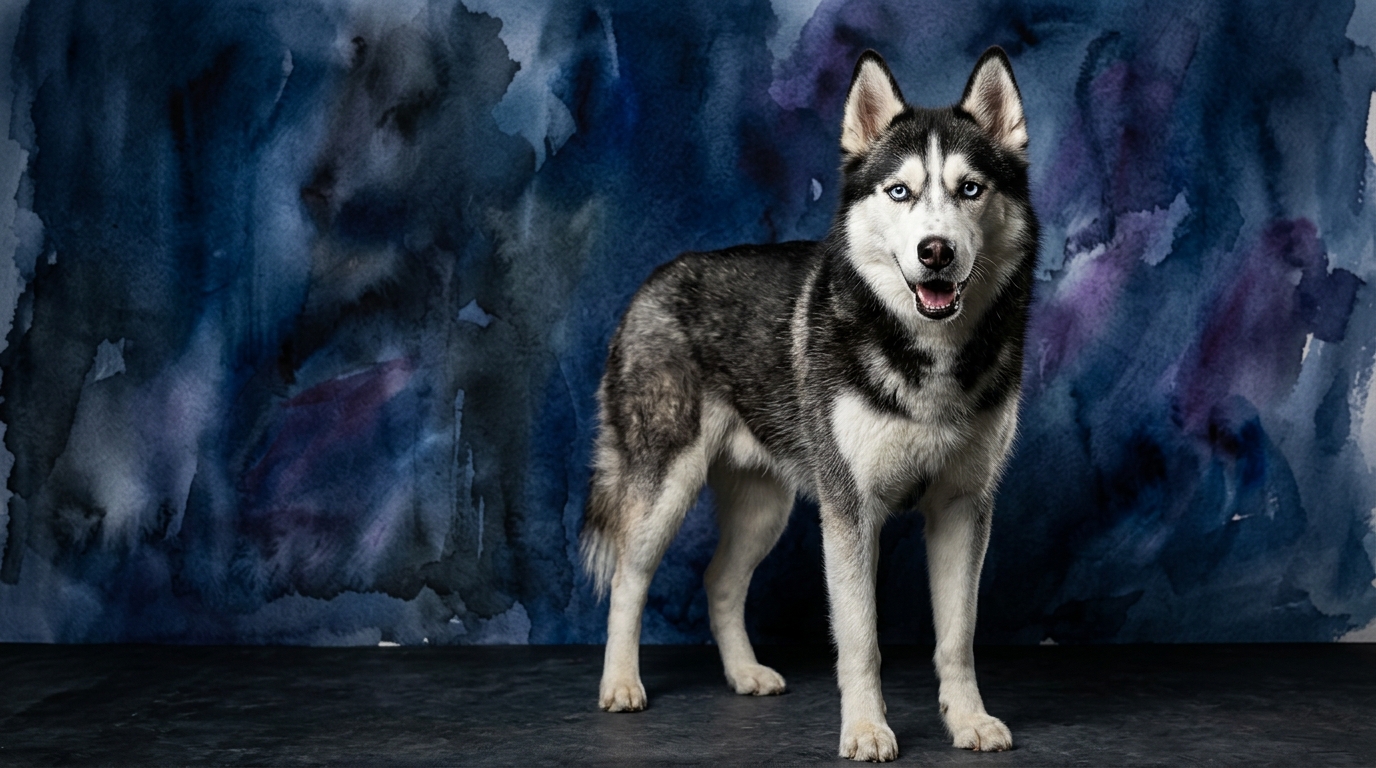
Side-by-Side Cognitive Profile: Cocker Spaniel vs. Siberian Husky
At The Cosmic Pet Pet IQ Lab, we analyze canine cognition across five key dimensions. The Cocker Spaniel, ranked #20 by Coren for working and obedience intelligence, displays a distinct set of abilities compared to the Siberian Husky, ranked #45.
For Problem Solving, the Cocker Spaniel scores 3/5, demonstrating an aptitude for navigating familiar environments and learning routines, such as figuring out how to retrieve a toy from a tight spot or opening a simple cabinet latch. The Siberian Husky, with a 4/5 in Problem Solving, shows a stronger inclination for novel solutions, particularly when it involves achieving a desired outcome like escaping an enclosure or acquiring a forbidden treat. They can devise complex strategies to overcome physical barriers.
In Training Speed, the Cocker Spaniel earns a 4/5. These dogs typically grasp new commands and routines with relative ease, often requiring fewer repetitions due to their eagerness to engage and cooperate. The Siberian Husky, however, scores 2/5. While capable of understanding commands, their independent nature means they often weigh compliance against their own immediate interests, demanding more patient and consistent motivational techniques from trainers.
Social Intelligence is a strong suit for the Cocker Spaniel, scoring 5/5. They are exceptionally attuned to human emotions and subtle social cues, anticipating needs and forming profound emotional bonds. This high level of empathy makes them highly responsive to their owner's mood and praise. The Siberian Husky's social intelligence is rated 3/5. While friendly and capable of forming bonds, their social interactions often lean more towards pack dynamics and peer communication, sometimes prioritizing their own agenda over subtle human directives.
The Instinctive Drive of the Cocker Spaniel is 4/5, rooted in their heritage as flushing and retrieving gundogs. This translates to a desire to work collaboratively, using their senses and retrieving skills in activities like scent work or fetch. The Siberian Husky boasts an exceptional 5/5 in Instinctive Drive, primarily for pulling, enduring long runs, and independent exploration. This drive is deeply ingrained from their sled dog lineage, making them highly motivated by sustained physical exertion and goal-oriented tasks that leverage their stamina.
Finally, Memory for both breeds is rated 4/5. Cocker Spaniels exhibit good retention for learned commands, routines, and past experiences, which significantly aids their trainability and adaptability to structured home life. Siberian Huskies also possess a good memory, particularly for spatial layouts, escape routes, and the nuances of their environment, allowing them to recall where resources are and how to navigate complex terrains effectively.
Where the Cocker Spaniel Excels Cognitively
The Cocker Spaniel's cognitive strengths shine in areas demanding close human partnership and emotional attunement. Their 5/5 social intelligence makes them adept at interpreting human intentions and emotional states, fostering a deep, empathetic connection. This translates into an inherent desire to please and a remarkable ability to anticipate their owner's next move, making them incredibly responsive companions.
Their 4/5 training speed means Cocker Spaniels absorb new information rapidly, thriving on the cooperative nature of training. They excel in structured learning environments, quickly mastering complex command sequences and intricate tricks. This cognitive agility, combined with their strong social drive, makes them highly consistent in their learned behaviors, rarely challenging established boundaries.
Cocker Spaniels are particularly well-suited for living harmoniously within human-centric homes. Their cognitive profile allows them to seamlessly understand and adhere to household rules, adapting gracefully to varied social situations. Their responsiveness and eagerness to engage make them exemplary participants in family life.
Where the Siberian Husky's Cognition Stands Out
The Siberian Husky's cognitive prowess is most evident in its capacity for autonomous problem-solving. A 4/5 problem-solving score highlights their ability to independently devise solutions to environmental challenges without direct human intervention. This might involve figuring out how to open a gate, navigating a complex trail, or strategizing to access a coveted object, all driven by an internal goal rather than a desire to please.
Their exceptional 5/5 instinctive drive isn't merely physical; it's a cognitive engine for persistence and endurance. Huskies mentally process long routes, conserve energy efficiently, and maintain focus over vast distances, demonstrating a unique form of cognitive stamina essential for their sled dog heritage. This drive compels them to overcome obstacles during prolonged exertion.
Huskies also display remarkable resourcefulness and environmental awareness. Their 4/5 memory, coupled with their problem-solving ability, enables them to retain detailed information about their territory, potential escape routes, and areas of interest. This makes them highly adaptable and capable of finding creative ways to meet their needs, often demonstrating ingenuity in outsmarting their human companions.
Trainability: Cocker Spaniel vs. Siberian Husky
When it comes to ease of training, the Cocker Spaniel generally presents a more straightforward experience. Their profound social intelligence (5/5) means they are intrinsically motivated by human interaction and approval, actively seeking to understand and comply with commands. They view training as a collaborative activity that strengthens their bond, making them eager participants.
The Cocker Spaniel's training speed of 4/5 means they grasp new concepts and cues quickly, requiring fewer repetitions to establish desired behaviors. They are less prone to testing boundaries, largely due to their deep desire to please and their sensitivity to their owner's emotional cues, making positive reinforcement highly effective.
In contrast, the Siberian Husky's training journey can be more challenging, marked by their 2/5 training speed and a lower social intelligence score of 3/5. Huskies understand commands but frequently weigh compliance against their strong independent will and compelling instinctive drives (5/5). Their impressive problem-solving ability (4/5) can sometimes be channeled towards circumventing rules rather than adhering to them.
For instance, a Husky might fully comprehend a 'stay' command but decide that exploring a novel scent or chasing a moving object is a more immediately rewarding endeavor. This requires a higher degree of patience, consistency, and creative motivation from the handler to maintain focus and ensure adherence. Their independent nature often necessitates a clear, tangible benefit for them to consistently follow a command.
Matching Canine Cognition to Owner Lifestyle
The Siberian Husky is an ideal match for exceptionally active owners. Their profound instinctive drive (5/5) for running, pulling, and exploring necessitates a lifestyle that can consistently provide substantial physical and mental exertion. Owners who genuinely enjoy long-distance running, extensive hiking, biking, or participating in dog sports like canicross will find a Husky an unparalleled partner.
A Husky's cognitive needs are met through challenges that engage their problem-solving and endurance, thriving when given a 'job' that taps into their sled dog heritage. A relaxed owner unable to provide this consistent, high-intensity outlet would likely encounter a bored, potentially destructive, and escape-prone companion, as the Husky's innate cognitive drive for activity would manifest in undesirable behaviors.
Conversely, the Cocker Spaniel, while active and playful, is better suited for owners who may not prioritize extreme endurance but still enjoy regular, engaging interaction. Their strong social intelligence (5/5) means they flourish with interactive play, consistent training sessions, and being an integral part of daily family life.
Cocker Spaniels enjoy walks, games of fetch, and scent work, but their requirement for sustained, high-intensity exertion is considerably lower than a Husky's. A relaxed owner who can provide consistent, moderate exercise, ample mental stimulation through training, and abundant social interaction will discover a devoted and adaptable companion. Their cognitive profile makes them content with a more domesticated, companionship-focused routine, provided their social and moderate activity needs are consistently met.
The Verdict
Choose a Cocker Spaniel if you seek a deeply empathetic, highly trainable companion eager to please and thrive within a structured, interactive family environment.
Opt for a Siberian Husky if you are an adventurous owner capable of channeling immense physical drive and appreciate a dog with independent problem-solving and a strong, unique will.
🧠 Find Your Pet's IQ Score
Our Pet IQ Lab assessment covers 25+ tests across 5 cognitive dimensions — personalized to your breed.
Take the Full IQ Test →Frequently Asked Questions
Are Cocker Spaniels good at learning tricks?
Yes, Cocker Spaniels excel at learning tricks due to their high training speed (4/5) and strong social intelligence (5/5). They enjoy the cooperative nature of trick training and are highly motivated by praise and interaction, quickly grasping new cues and sequences.
Why are Siberian Huskies considered harder to train?
Siberian Huskies are often perceived as harder to train because of their independent nature, lower training speed (2/5), and strong instinctive drives (5/5). They understand commands but may choose not to comply if it doesn't align with their immediate interests or innate desire for exploration, requiring consistent, highly motivating methods.
Which breed is better for first-time dog owners?
For first-time dog owners, a Cocker Spaniel is generally a more suitable choice due to their eagerness to please, higher trainability, and strong social intelligence. Siberian Huskies require a more experienced hand to manage their intense energy, strong will, and independent problem-solving tendencies effectively.