Side-by-Side IQ Profile: Sporting vs. Non-Sporting Minds
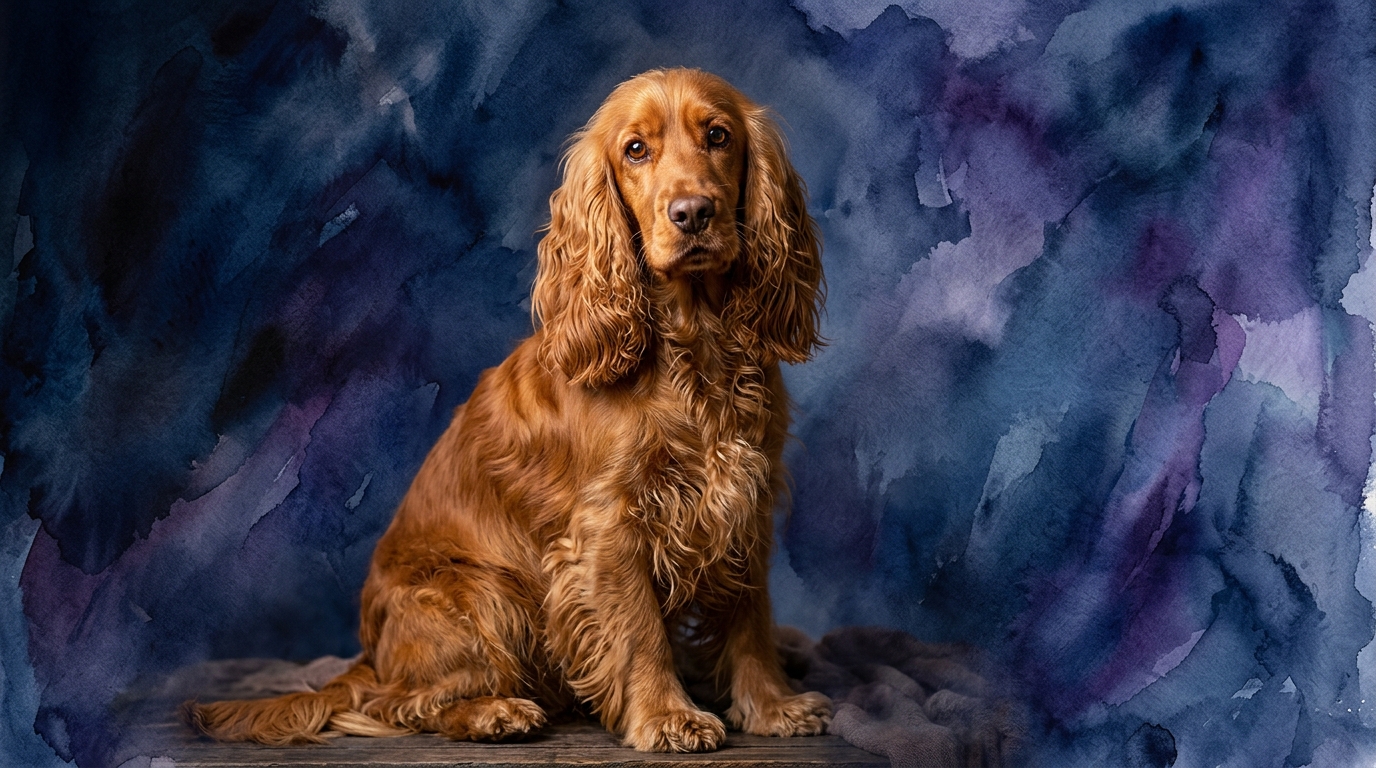
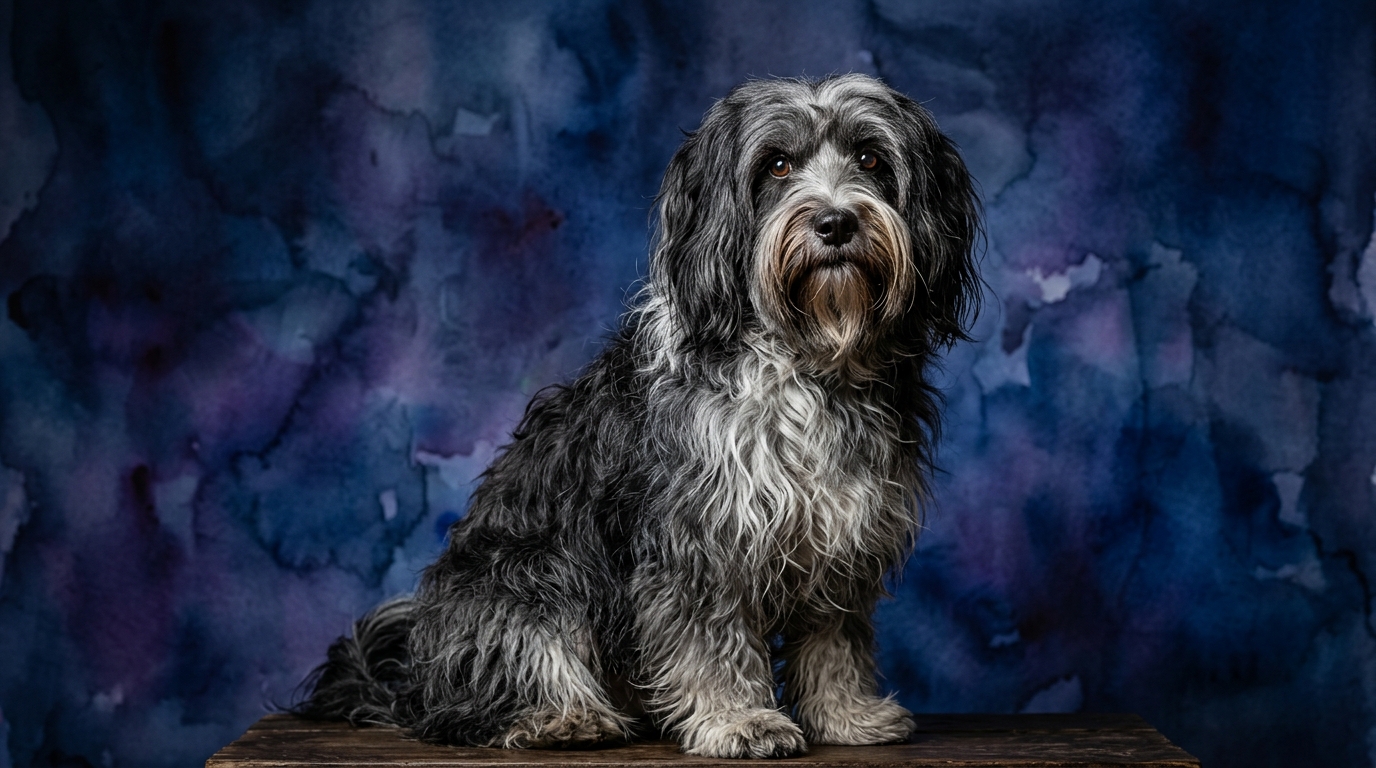
At The Cosmic Pet Pet IQ Lab, we assess canine intelligence across five key dimensions. The Cocker Spaniel, a breed from the Sporting group, often scores highly in areas that reflect its history as a gundog. Its Coren rank of #20 places it among breeds that readily grasp new commands and concepts. The Tibetan Terrier, a Non-Sporting breed with a Coren rank of #63, exhibits a more independent set of cognitive strengths.
For Problem Solving, both breeds score 3/5. This indicates an average capacity to navigate novel situations or figure out solutions to environmental challenges. Neither breed is exceptionally predisposed to complex puzzle-solving without prior learning, but they are capable of learning and applying strategies. Their approaches, however, might differ, with the Cocker often looking to its human for cues, while the Tibetan Terrier might rely more on its own observations.
Training Speed highlights a notable difference: the Cocker Spaniel scores 4/5, while the Tibetan Terrier scores 3/5. This suggests the Cocker Spaniel picks up new commands and routines more rapidly, often requiring fewer repetitions. The Tibetan Terrier, while capable of learning, may take a bit longer to internalize instructions, necessitating more patience and consistent reinforcement from its human companion.
Social Intelligence is where the Cocker Spaniel truly shines with a perfect 5/5, contrasting with the Tibetan Terrier's 3/5. The Cocker Spaniel's high score reflects its deep attunement to human emotions and intentions, making it exceptionally responsive to social cues and eager to engage in cooperative tasks. The Tibetan Terrier's score indicates a more reserved or selective social engagement, capable of forming strong bonds but perhaps less outwardly demonstrative or universally accommodating.
Instinctive Drive shows the Cocker Spaniel at 4/5 and the Tibetan Terrier at 3/5. The Cocker's score points to its inherent drive to work, retrieve, and participate in activities that mimic its ancestral role, often with high energy and focus. The Tibetan Terrier's moderate drive suggests a less intense inclination towards specific working tasks, though they possess a strong protective instinct and a desire to be part of family activities, albeit without the same demanding level of physical output.
Finally, Memory for the Cocker Spaniel is 4/5, compared to the Tibetan Terrier's 3/5. The Cocker Spaniel demonstrates a good capacity to recall learned commands, routines, and experiences over time. The Tibetan Terrier, while certainly capable of remembering, may not retain information as readily or for as long as its Sporting counterpart, potentially requiring more frequent refreshers for complex behaviors.
Where the Cocker Spaniel Excels Cognitively
The Cocker Spaniel's cognitive strengths are deeply rooted in its heritage as a close working partner. Its exceptional Social Intelligence (5/5) means it is highly attuned to human signals, making it an incredibly cooperative learner. This breed often anticipates its owner's desires and thrives on shared activities, readily picking up on subtle body language and vocal inflections. This profound desire to connect and please forms the bedrock of its cognitive prowess in human-centric environments.
Its superior Training Speed (4/5) is a direct benefit of this social attunement and a good Memory (4/5). Cocker Spaniels tend to absorb new commands quickly, making them responsive to various training disciplines, from basic obedience to advanced tricks and competitive sports. Their strong Instinctive Drive (4/5) further supports their cognitive application, channeling their energy and focus into purposeful tasks like retrieving, scent work, or agility, where they can apply learned behaviors with enthusiasm and precision. This combination allows them to excel in structured learning environments where human guidance is paramount.
Where the Tibetan Terrier's Unique Mind Shines
While the Tibetan Terrier's scores might appear lower in some dimensions, their cognitive profile reflects an independent spirit shaped by centuries as companions and guardians in challenging environments. Their Problem Solving score of 3/5, combined with a moderate Instinctive Drive (3/5), means they are capable of assessing situations and making decisions, sometimes relying on their own judgment rather than immediately deferring to a human. This self-reliance can be a cognitive advantage in scenarios requiring independent thought or adaptability without constant direction.
The Tibetan Terrier's Social Intelligence (3/5) may not be as outwardly effusive as the Cocker's, but it indicates a discerning nature. They form deep, meaningful bonds with their chosen family, often exhibiting a nuanced understanding of their household dynamics without being overly dependent or universally friendly. This selective social engagement means they are not easily swayed by strangers and retain a strong sense of self, which contributes to their reputation as thoughtful, watchful companions. Their intelligence is often expressed through their ability to adapt to varying situations and their innate capacity for observation, allowing them to quietly process their surroundings.
Training Dynamics: Eagerness vs. Independence
When it comes to ease of training, the Cocker Spaniel generally holds an advantage. Their high Social Intelligence and strong desire to please, coupled with a faster Training Speed, mean they are typically more eager to engage in training sessions and more receptive to learning new commands. A Cocker Spaniel often sees training as a cooperative game, motivated by praise and the opportunity to interact with their owner. Their good Memory (4/5) ensures that once a behavior is learned, it is retained effectively, making consistency a powerful tool for reinforcement. They respond well to positive reinforcement and clear, consistent instruction, often thriving in environments where they have a 'job' to do alongside their human.
The Tibetan Terrier, with its 3/5 Training Speed and more moderate Social Intelligence, requires a different approach. Their independent streak means they may not always see the immediate benefit of performing a command if it doesn't align with their current interest. Training a Tibetan Terrier often demands more patience, creativity, and a deep understanding of their unique motivations. They respond best to positive reinforcement techniques that make training feel like a fun, engaging activity rather than a chore. Consistency is key, but so is making the process enjoyable and rewarding from their perspective, as they are less driven by a universal desire to please and more by what makes sense to them. Their problem-solving skills (3/5) might lead them to try to 'outsmart' or negotiate during training if not properly engaged, requiring a firm yet gentle hand.
Lifestyle Suitability: Active Pursuits vs. Adaptable Companionship
The cognitive profiles of these breeds strongly influence their suitability for different owner lifestyles. The Cocker Spaniel, with its strong Instinctive Drive (4/5) and high Social Intelligence (5/5), thrives with active owners who enjoy engaging their dog in various activities. They are excellent partners for those interested in dog sports like agility, obedience, or scent work, or simply long, engaging walks and games of fetch. Their eagerness to participate and quick learning ability make them adaptable to structured training programs and consistent daily mental and physical stimulation. Owners who enjoy a highly interactive canine relationship and can provide a 'purpose' for their dog will find the Cocker Spaniel incredibly rewarding, as their cognitive needs align with regular engagement and cooperative tasks.
The Tibetan Terrier, with its balanced scores across the board and more independent nature, is well-suited for owners who appreciate an adaptable yet discerning companion. While they enjoy activity, their moderate Instinctive Drive (3/5) means they are generally content with regular walks and playtime without requiring the intense, task-oriented engagement of a Sporting dog. Their problem-solving ability (3/5) and adaptable temperament make them excellent travel companions, comfortable in various settings as long as they are with their family. They fit well with owners who value a dog that is present and observant, participating in family life without demanding constant attention or rigorous physical exertion, but who also understand the need for consistent mental enrichment to keep their curious minds engaged.
The Verdict
Choose a Cocker Spaniel if you seek a highly responsive, eager-to-please companion who thrives on cooperative activities and structured training, offering profound social engagement. Their quick learning and strong working drive make them ideal for active households desiring a canine partner for sports or consistent interactive play.
Opt for a Tibetan Terrier if you appreciate an independent, thoughtful, and adaptable companion who forms deep, selective bonds and brings a quiet presence to family life. They suit owners who value a discerning friend, are patient with training, and enjoy a dog that can observe and adapt to various situations without constant, demanding engagement.
🧠 Find Your Pet's IQ Score
Our Pet IQ Lab assessment covers 25+ tests across 5 cognitive dimensions — personalized to your breed.
Take the Full IQ Test →Frequently Asked Questions
Do Cocker Spaniels require a lot of mental stimulation?
Yes, Cocker Spaniels benefit greatly from consistent mental stimulation due to their high social intelligence and good memory. Without engaging tasks or training, they can become bored, potentially leading to undesirable behaviors. Regular training, puzzle toys, and interactive games are excellent ways to keep their minds active and satisfied.
Are Tibetan Terriers difficult to train because of their independence?
Tibetan Terriers are not inherently difficult to train, but their independent nature and moderate training speed mean they require more patience and creative methods than some breeds. They respond best to positive reinforcement, consistency, and making training sessions fun and rewarding, as they are less motivated by a universal desire to please and more by what benefits them.
Which breed is better for a first-time dog owner focused on obedience?
For a first-time dog owner primarily focused on obedience training, the Cocker Spaniel generally presents an easier path. Their high social intelligence and faster training speed make them more responsive to commands and eager to cooperate, providing a more forgiving learning experience for both dog and owner. The Tibetan Terrier's independence might be more challenging for a novice.